

Some things drive me quietly mad.
In 2025, I’ve watched travellers with the fascination usually reserved for wildlife documentaries. This includes territorial battles, questionable public grooming and aggression. Travel is back in business, but it feels like basic manners clearly missed the memo.
Passenger behaviour is objectively worse than pre‑pandemic, and slightly worse than 2022, but there is also more enforcement and more media shining a light on it. IATA’s own data shows that unruly incidents have jumped in a very short period, from about one incident every 835 flights in 2021 to roughly one every 480 flights more recently.
There is far more phone video, TikTok and tabloid coverage of bad behaviour than before, so everyday rudeness feels omnipresent even when it doesn’t reach the “unruly incident” threshold. Regulators and airlines have also gone public with “zero tolerance” messaging and hefty fines, which keeps the topic in the news even as they try to suppress the worst cases.
These are the habits that I feel are making travel feel worse:
1. Lack of consideration for other passengers
As I reached the top of the escalator at a large global airport last week, a man came flying in from behind me and pushed his way in front of me, almost knocking me off balance. There was a large gap behind me. I said: “Excuse me?”
He looked back at me, and I said, “I don’t have a problem with you going in front of me, but a thank you or an excuse me would have been polite.” He looked embarrassed and said “, You are right. I am sorry“.
To me, it felt like he had forgotten I was a person too in his quest to get ahead on the escalator. Psychologists call it a “temporary moral vacuum” when crowds make people behave as if the standard rules of politeness have been suspended. AirHelp found that more than 80 per cent of travellers say seat‑kicking, aisle‑blocking and personal‑space violations on ruined flights are worse than delays ever could be.
This applies to airports, buses, trains and ferries. We share this space for a few hours. We may not become best friends, but we can at least act like decent neighbours.
2. Disrespect for staff
On a packed domestic flight recently, I greeted the two flight attendants at the door with a smile and said, “Good morning, how are you today?” We exchanged pleasantries, and I wished them a good flight. Later in the journey, when she came down the aisle with the drinks cart, one of the attendants stopped beside me and said quietly, “We were just talking about you. Out of the 235 people on this flight, you’re the only one who’s asked any of us how we are today.” She added: “Sometimes I feel like a robot”.
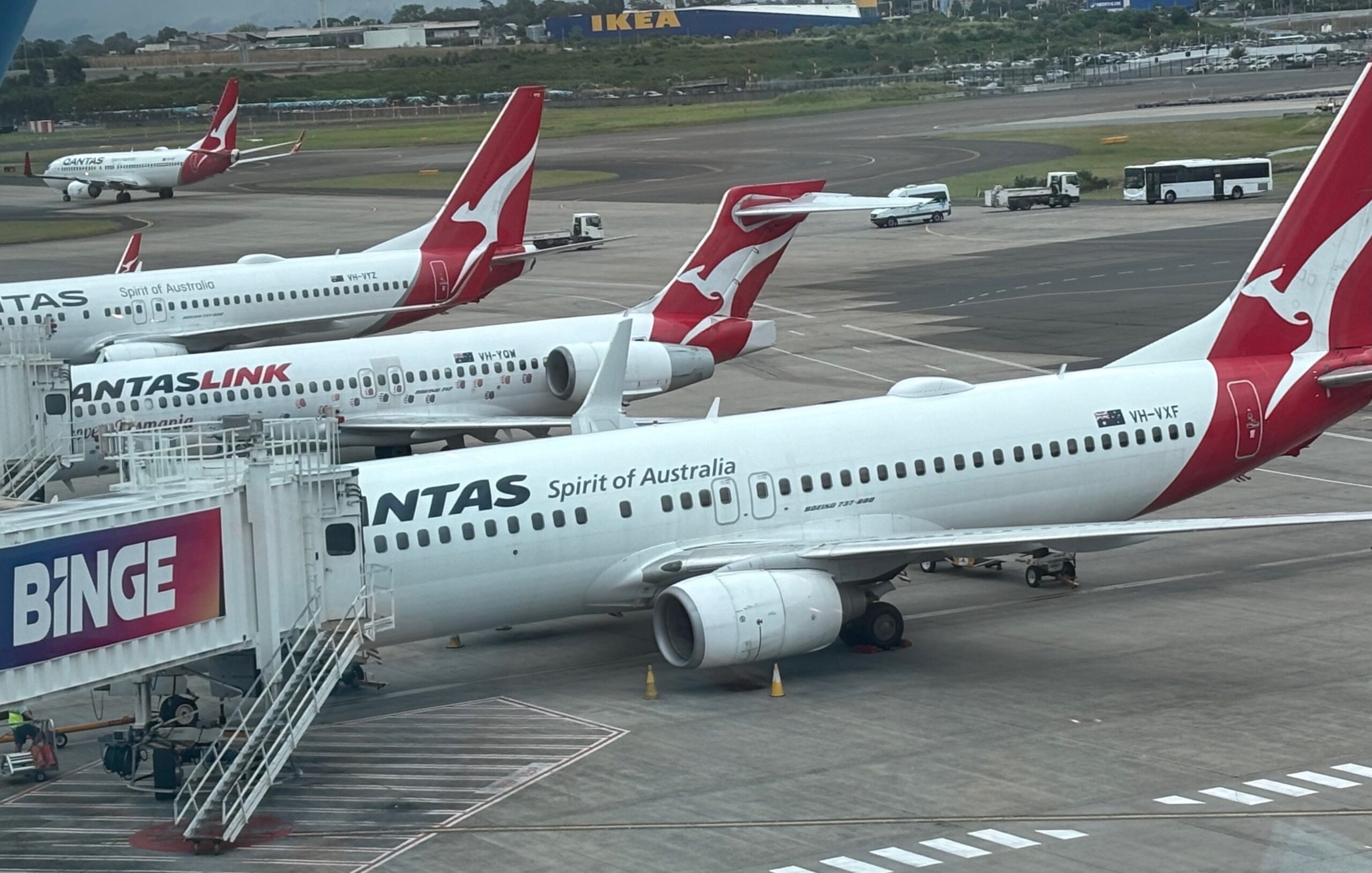
It was such a simple exchange, yet it said everything. Travel staff, whether cabin crew, hotel employees, or service workers in tourist venues, deal with long hours, an unpredictable public, and endless demands. Some face outright abuse or constant rudeness. Courtesy reminds them, and us, that we’re all just people trying to get through the day. Give a little grace.
3. Poor Planning
I was standing in a long line. Over and over again, the person at the front of the line said, “ID and ticket. Over and over again, people expressed surprise that they needed to have them ready. They had to rummage through bags and pockets. In one case, a family of five had to call their dad, who was at a cafe buying coffee, and he was the one with everyone’s IDs!
Some travellers seem to move through the world in chaos. They reach immigration without a passport in hand, join the wrong queue, or turn up at security with liquids scattered through their bags. At stations, they rush onto the platform at the last minute or stop suddenly when they realise they’ve gone the wrong way. A little forethought goes a long way: check your documents, know your gate or platform, plan your time and have essentials ready before you’re at the counter. It’s about reducing your stress and respecting your time and everyone else’s.
4. Carrying too much
I boarded a domestic flight to find the line in the aisle stopped. The plane aisle was being blocked by a woman who was accosting male passengers to help her lift her large bag into the overhead compartment. The first man refused. The second picked it up and then placed it down with a grimace. I was the third man in line, and I tested it. I said to the woman: “this is more than 20kg isn’t it?” She nodded.
I hoisted it up and in, thanking my gym sessions. She was most grateful. I was secretly pleased with my strength and partly grumpy that someone expected others to handle a bag she could not. I hoped it didn’t fall on someone’s head when she pulled it out after landing.
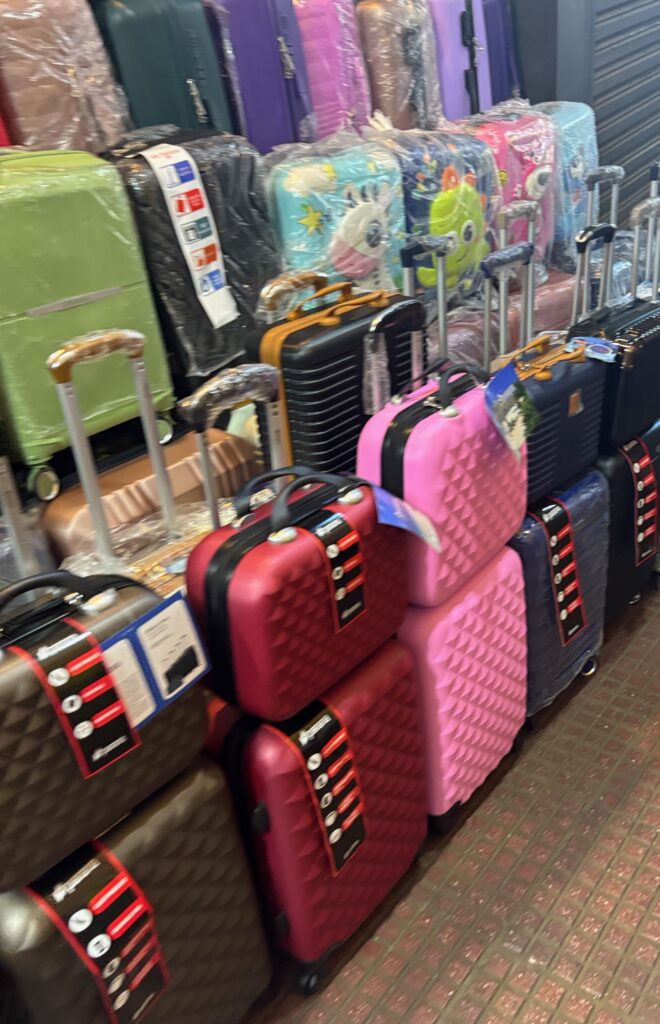
Bluntly: If a bag is too heavy for you to lift, it’s too heavy for anyone else to lift on your behalf. Transport staff and passengers face real risks when lifting loads that passengers cannot manage, as evidenced by a rise in injury claims. Pack what you can realistically carry. Leave some stuff at home. You can buy most things everywhere. (I travel with only a carry-on).
5. Poor hygiene
Every day, hygiene‑related habits that annoy people in public or shared transport spaces include quite a few repeat offenders. Here are some of the behaviours most often mentioned in traveller surveys and etiquette studies:
- Media outlets regularly highlight the “barefoot trend” as one of the most despised traveller habits.
- Clipping nails or grooming (hair, makeup, shaving) in public areas.
- Leaving rubbish behind, such as tissues, food wrappers, or cups.
- Strong personal odours, whether from poor hygiene or overpowering perfume.
- Coughing or sneezing openly without covering one’s mouth, using a tissue or wearing a mask .
- Changing nappies or clothing in seats instead of in lavatories
- Spilling food or drinks and not cleaning up afterwards.
6. Excessive Public Noise
Noise is one of the main drivers of discomfort in public spaces, especially on shared transport. Loud phone calls, music on speakers, and shouted conversations are among travellers’ top irritations. In addition, cultural research shows that people differ not only in how much noise they make but in how much they tolerate, with studies finding wide variation in what sounds people notice and how strongly they react. In places such as Australia and Brazil, lively, louder speech is part of normal friendliness; in others, like Japan, quieter voices are seen as respectful, so the same tone that feels warm in one culture can sound aggressive in another.
When these expectations collide, frustration is almost inevitable. There are two issues at play. How we impact others through our own behaviour, and secondly, how we react to those who behave differently from us.
7. Ignoring instructions
Why don’t people follow instructions? Some never hear them. Some hear but don’t understand. Some understand and don’t care. And some are sure the instruction is meant for someone else.
8. Overdrinking
I’m no wowser, but drunk adults on a train, bus or plane are hard work. A drink on a journey is one thing; travelling drunk is another. It’s a pattern: people preload or keep drinking on board, misjudge their limits, and then become louder, unsteady and more aggressive, putting staff and fellow passengers in a difficult position. It gets worse when the drinking tips into unpleasant, threatening or out‑of‑control behaviour. Surveys show most travellers rank drunk, disruptive passengers among the behaviours that make them feel least safe on transport, and operators report rising numbers of alcohol‑related incidents—from falls and injuries to outright aggression.
9 Social Media Theatrics
Some people now treat trips as a stage set, chasing views and likes by doing things they would never attempt without a camera. They hog views, stand in front of others, block doors, or climb where it is forbidden. Others bait staff, embarrass or humiliate strangers in their videos. This performance mindset turns other passengers, residents, and even heritage sites into props, and once one stunt goes viral, it encourages copycats who push the boundaries further. The result is more noise, more risk, more resentment and more money for social media operators.
10. Treating travel as a free pass
I watched as a foreign football team on its end-of-season trip checked into a Phuket four-star hotel. They were shirtless, already drunk, and loud. They were loud enough for me to hear. Two of them persistently offer the female front‑desk clerk money to come up to their room.
Tourism marketing often sells travel as freedom. Advertisements promise a consequence‑free indulgence. Some people seem to take that literally, believing that being away from home somehow grants permission to “cut loose”. Urinating in temples, graffitiing heritage sites, talking through church services and shouting at servers, they behave as if distance dissolves responsibility and usual standards no longer apply. But locals live with the fallout long after the flight home. Responsible travel means bringing the same respect and awareness you would expect from visitors in your own neighbourhood and treating your destination not as a playground, but as someone else’s home.
Toward 2026
What can you add? What can we do to address these issues?
I’m hoping we can all evolve a little in 2026. And yes, I hold myself to a high standard, too.


Not asking how the flight attendants how they were doing at the time of boarding is “disrespect for staff”? Give me a break. People are stressed – tiny personal space, cramped seating, lack of overhead bin space, the need to board fast and settle down so that the plane can leave on time. Excuse me if I am too busy to exchange pleasantries.