
Trains, for me, are one of the most interesting, practical and romantic ways to get around the planet, and I love them more than I love planes (and I love planes a lot). I have ridden railways now on every inhabited continent, and in 202,5 I added these eight beauties:
- Flåm Railway (Norway)
- Serra Verde Express (Brazil)
- The Eastern Trunk line (Taiwan)
- The Jungle Railway (Malaysia)
- Southern Railway (Thailand)
- Wuppertal Monorail
- The Prospector (Australia).
- Stoosbahn ( Switzerland).
#1. Flåm Railway, Norway
“the best train ride in the world” (Lonely Planet)
I captured 161 photos on one of the most beautiful train journeys I have ever taken. The line climbs 864 metres from the Fjord to the mountain, twisting through 20 tunnels, including the 1.3 km (4,401 ft) Nåli Tunnel. There are multiple waterfalls along the route, including the powerful Brekkefossen (150 metres). We stopped for one of the journey’s best photo opportunities at the thundering Kjosfossen (75 metres) waterfall. While there a Norwegian Ballet School student retelold a Norse myth thgrough dance. I initially feared it might be overly touristy, but it was entertaining.
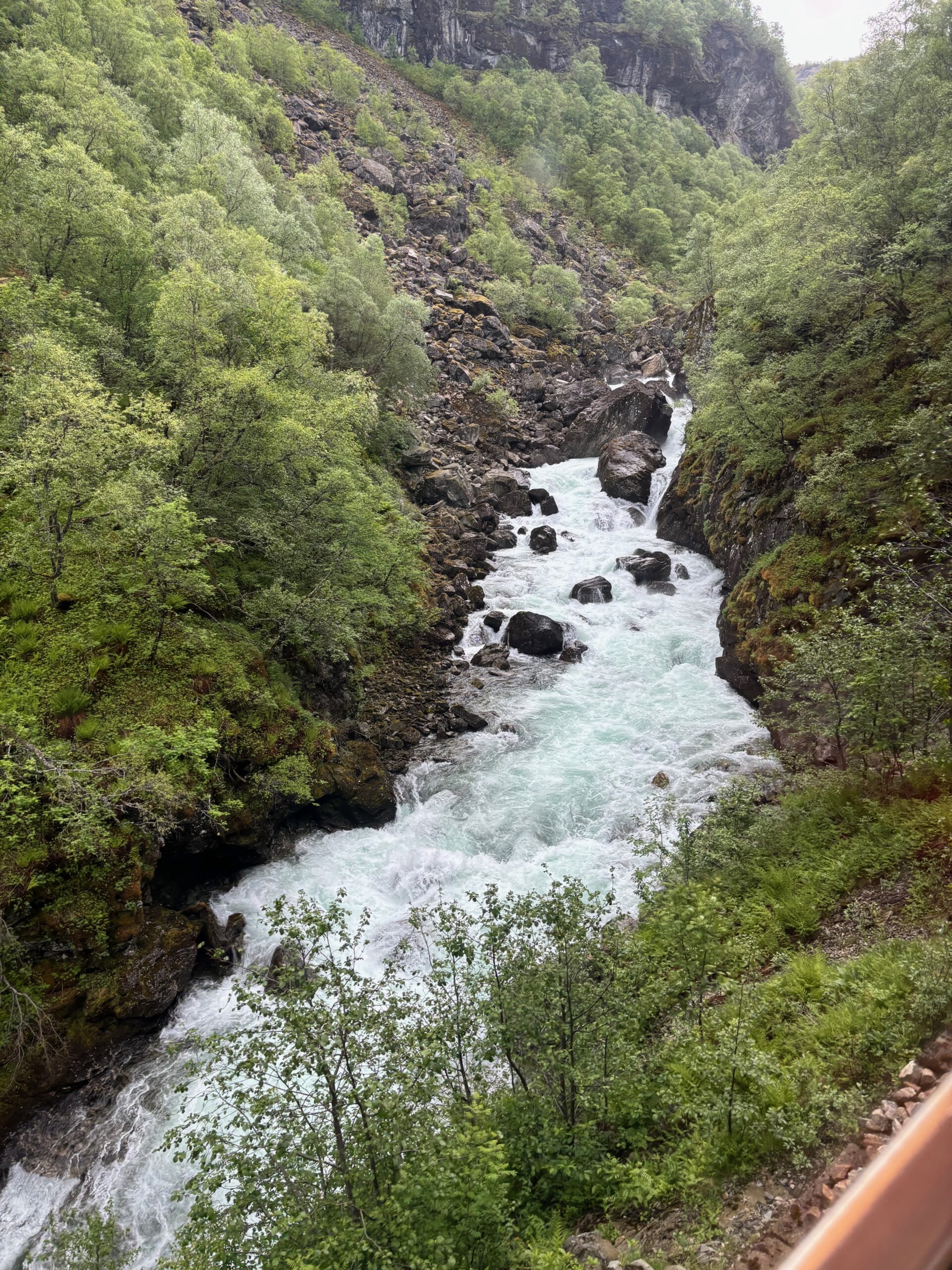
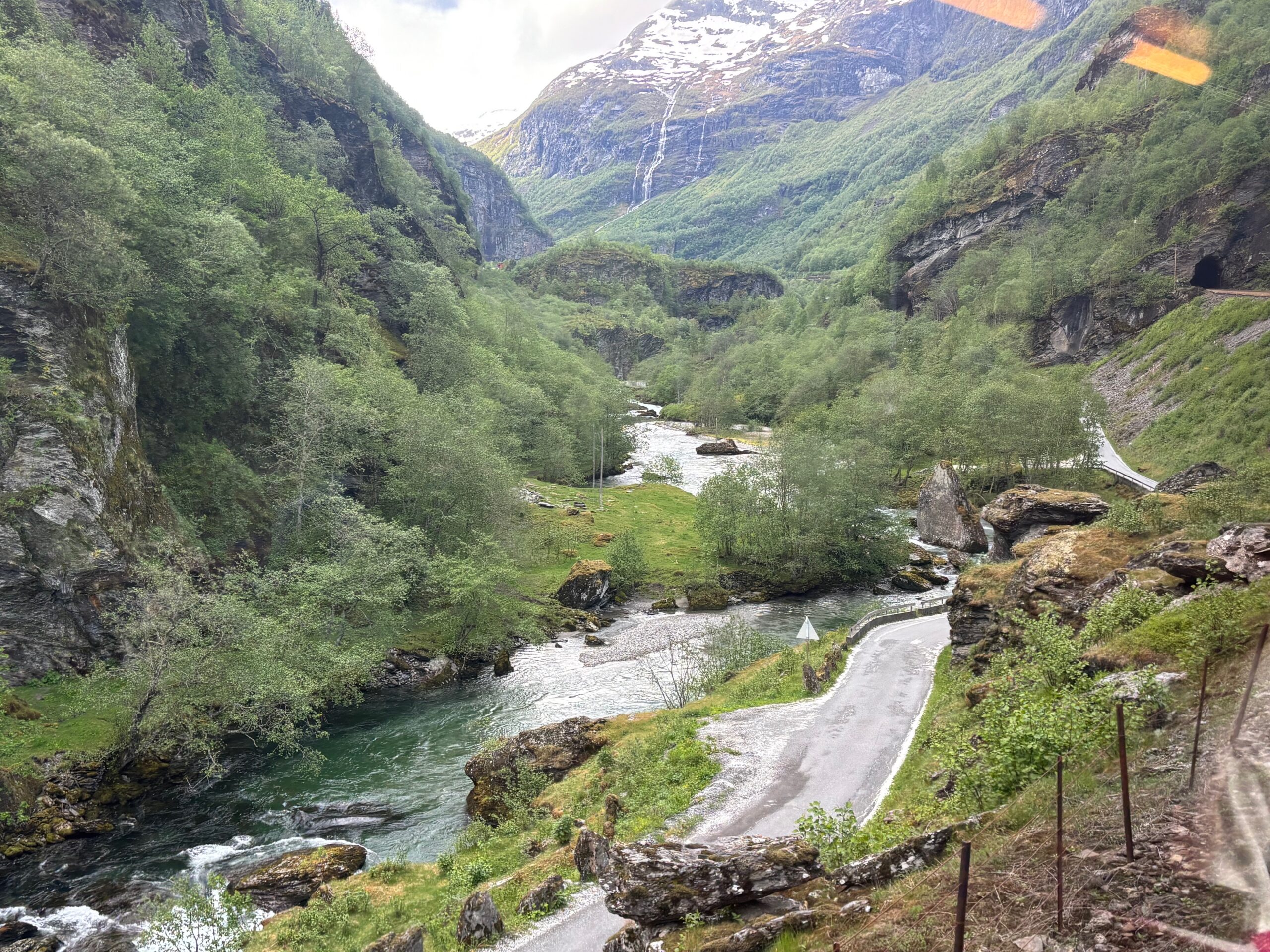
Each train has six comfortable, heated carriages with big windows designed for sightseeing (the Flåm Line is Norway’s third‑most‑visited tourist attraction). There is no food on board.
En route, there are eight stations (most request‑only) with their own slice of valley or mountain scenery. Some got off for hikes or local accommodation.
We arrived at a bleak, cold, snowy Myrdal Station (867 metres), a genuinely isolated place, connected only by bike and foot, plus trains to Oslo, Bergen and Flåm.
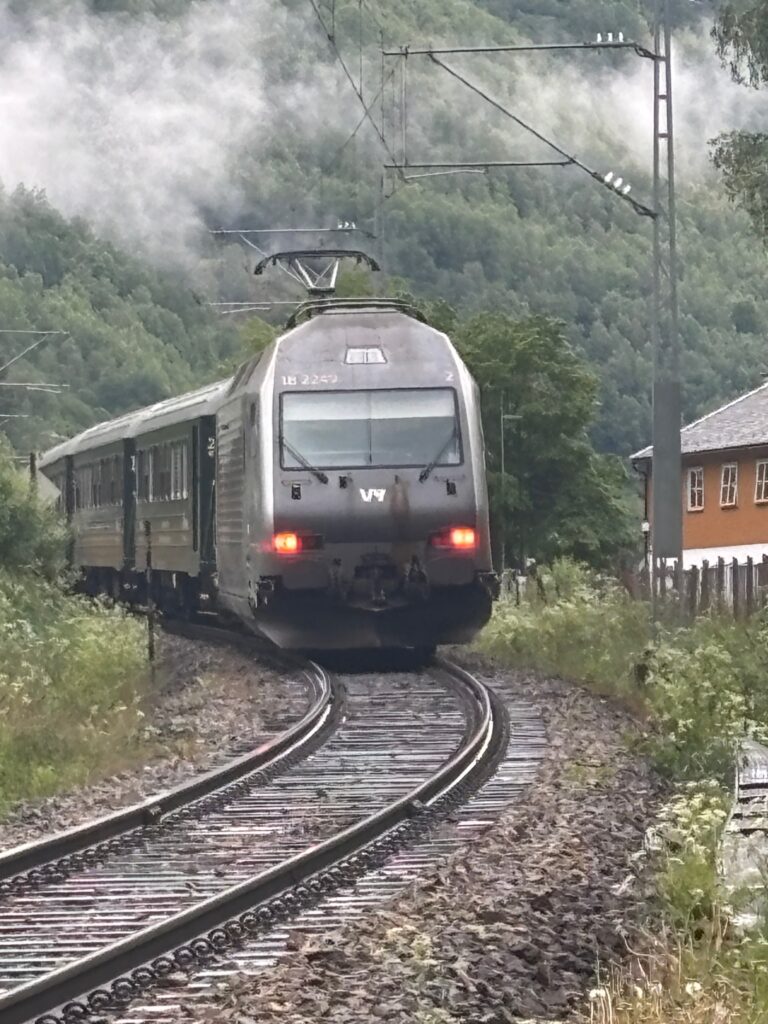
- Route: Flåm – Myrdal, 20 km
- Time: 1 hour each way, multiple trips daily
- Operator: Vy/ Bane NOR.
- Tickets: vy.or staffed stations; specific departures, no reserved seats.
- Cost: per adult: Peak‑season 45–60 USD
#2. Serra Verde Express, Brazil
“Brazil’s Most Famous Railway” Peter Lauffer
Conceived in the 1870s to link the inland city of Curitiba to the Atlantic port of Paranaguá, the line took about a decade to build, spanning roughly 110 km through very steep, unstable terrain, with more than a dozen tunnels and over 30 bridges and viaducts. It quickly became one of southern Brazil’s most important export routes, especially for coffee and timber. Brazil’s passenger rail system has shrunk, and today the remaining network is largely freight‑only or urban/commuter, with two regular long‑distance intercity routes plus a handful of tourist services.
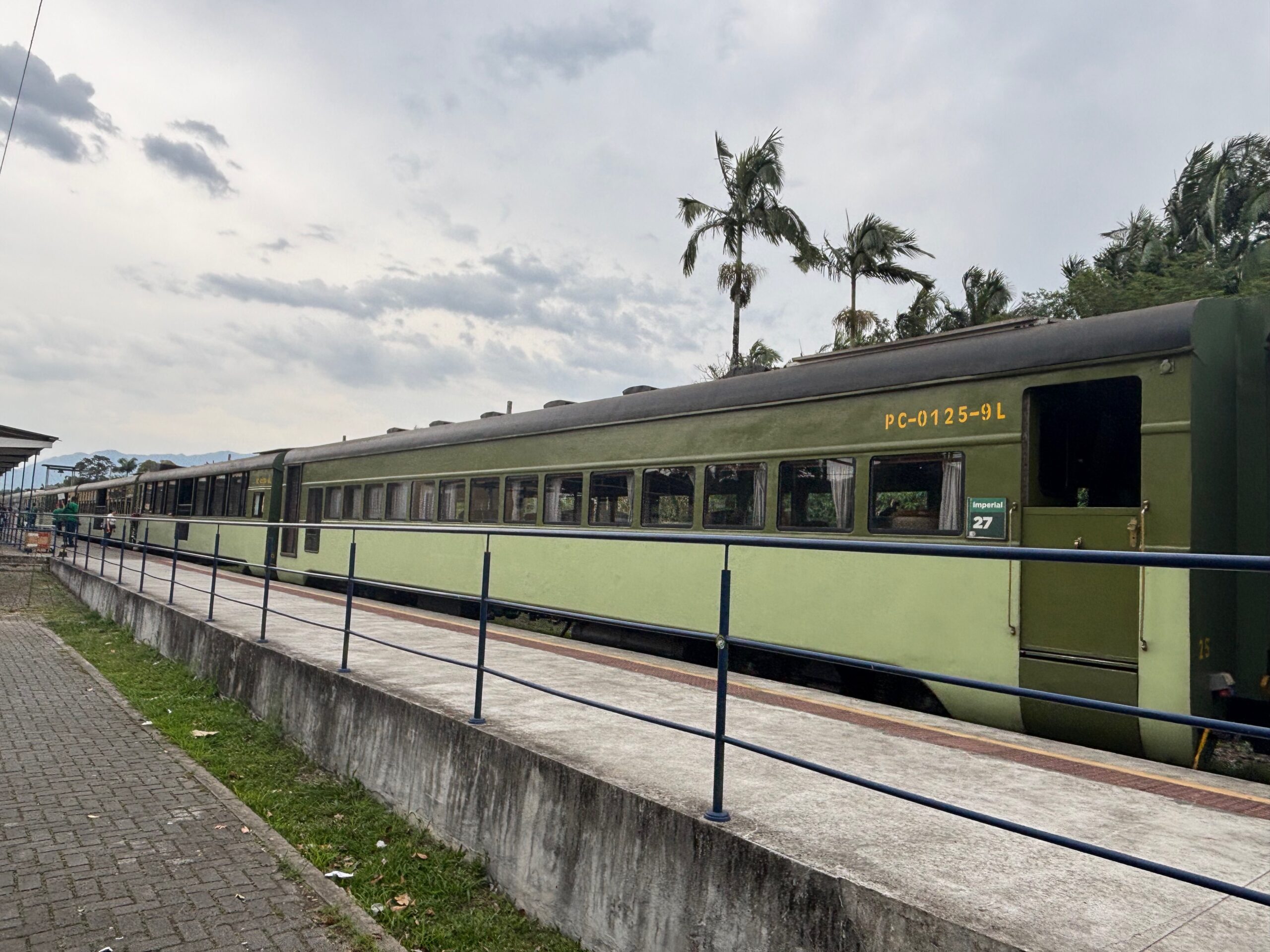
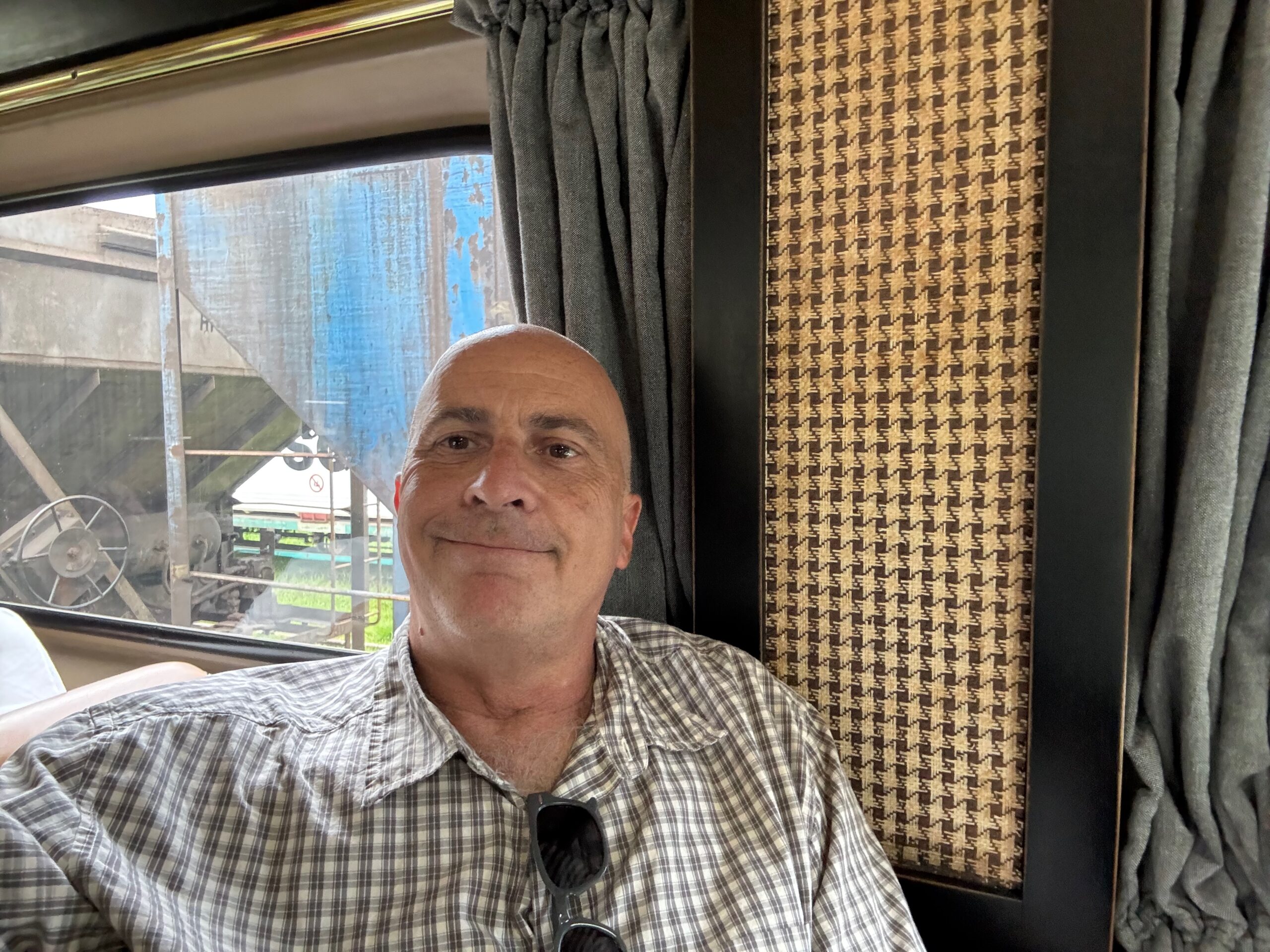
At the coast, the line followed the Nhundiaquara River before we began to climb. We looked out over steep green mountainsides, deep valleys, canyons, waterfalls, and preserved forest. The most dramatic section is the 80 metre curved Viaduto do Carvalho viaduct perched on masonry pillars against a near‑vertical rock face, which creates a strong sensation of “flying” along the mountainside. People crowded to the windows for that part! Near the top of the Serra we passed the Iguaçu River headwaters, which flow on to the famous Falls.
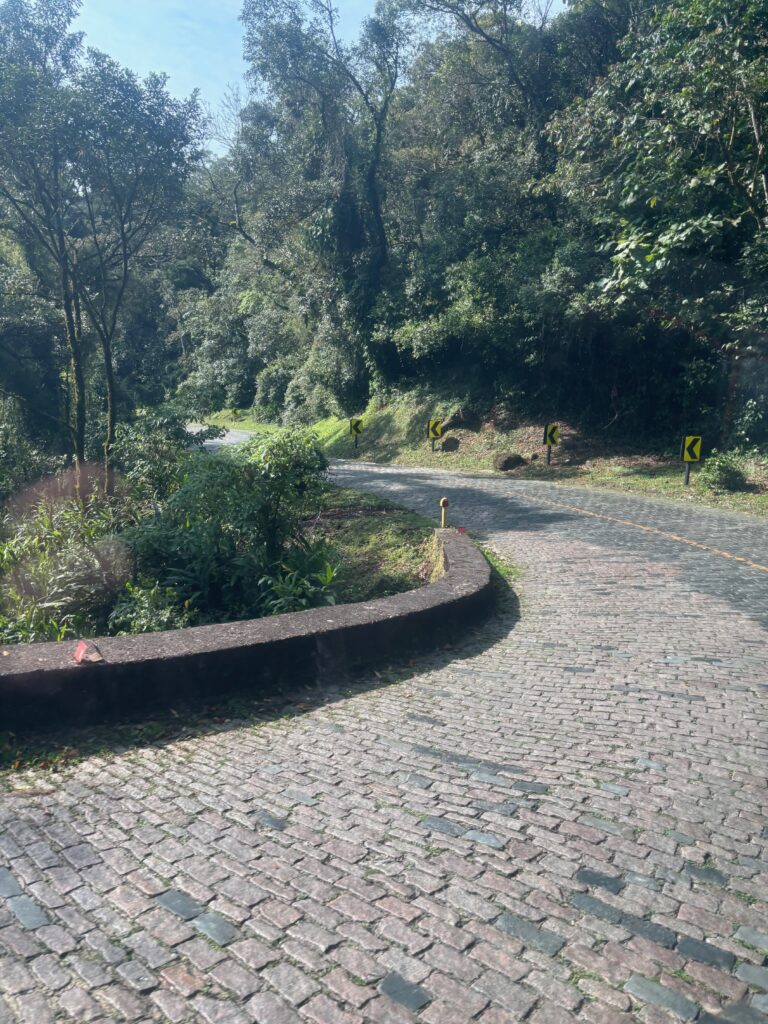
I bought a full‑day package which included a train in one direction and a bus in the other.
My bus ride was via the narrow, cobbled, twisty historic road over the Serra do Mar known as the Estrada da Gracios, which is very popular with motorcyclists.
At lunchtime, we had a delicious local meal, then had free time in the coastal town of Morretes, the train’s coastal terminus. However, I had the worst coffee in Brazil in this town!
This train was around 27 carriages across three classes. I treated myself to premium class and had a great day with food, drinks, and humorous commentary by the staff
- Route: Curitiba – Morretes, 70 km, 4½ hours.
- Operator: Serra Verde Express
- Tickets: Sold via Serra Verde Express and tour agencies
- Cost: From around 170 BRL for foreigners for standard seats, with higher prices for premium packages including food and the return bus.
#3. The Eastern Trunk Line, Taiwan
following the rugged Pacific coastline” (TripZilla)
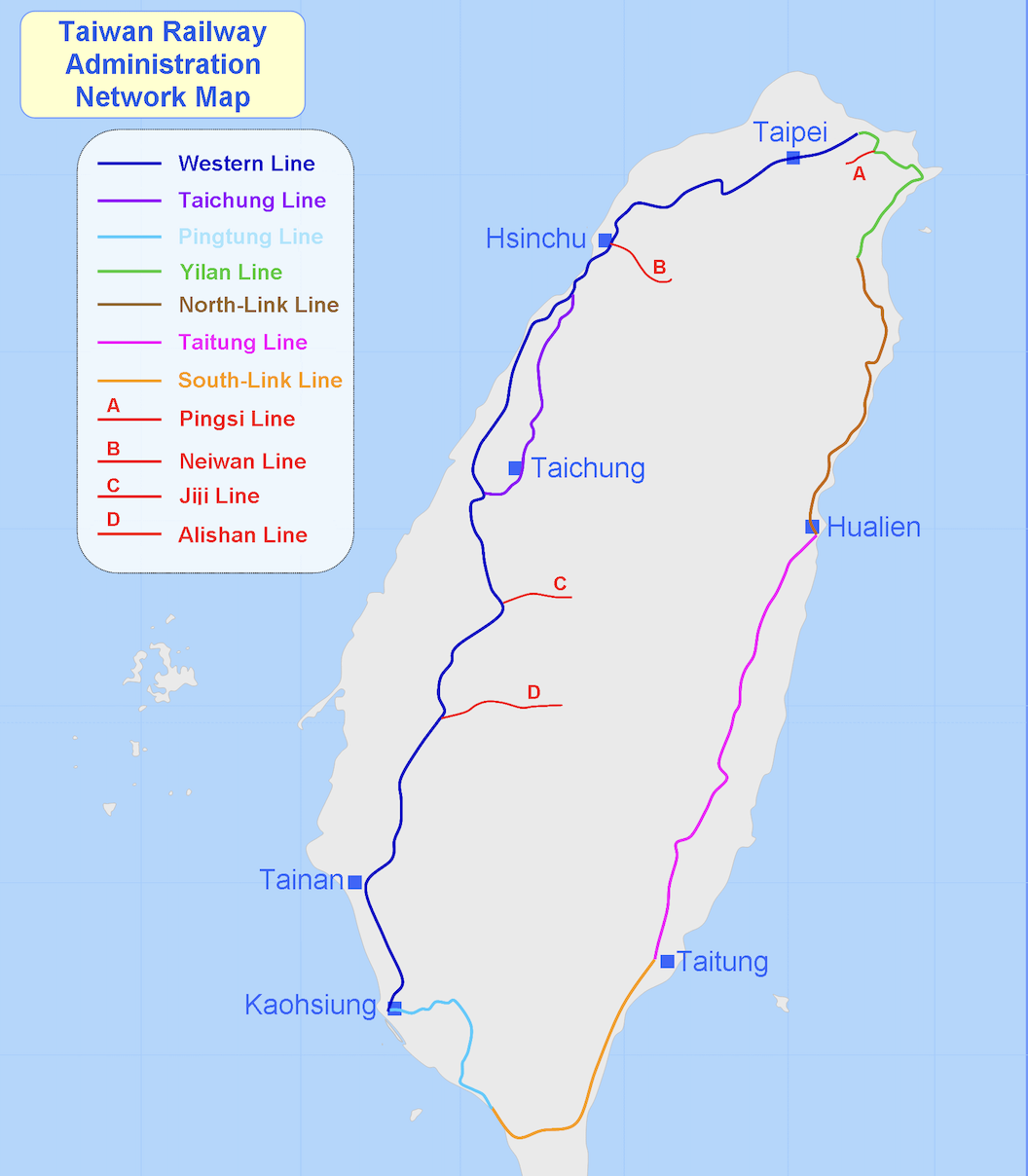
This fulfilled an ambition of riding right around the island of Taiwan by train. Hopped on the High Speed Rail from the HSR station near Taipei airport for a smooth, fast trip down the west coast to Kaohsiung in the south. From there, I switched to a slower Taiwan Railways train service up the east coast to Hualien and back to Taiwan’s massive central station.
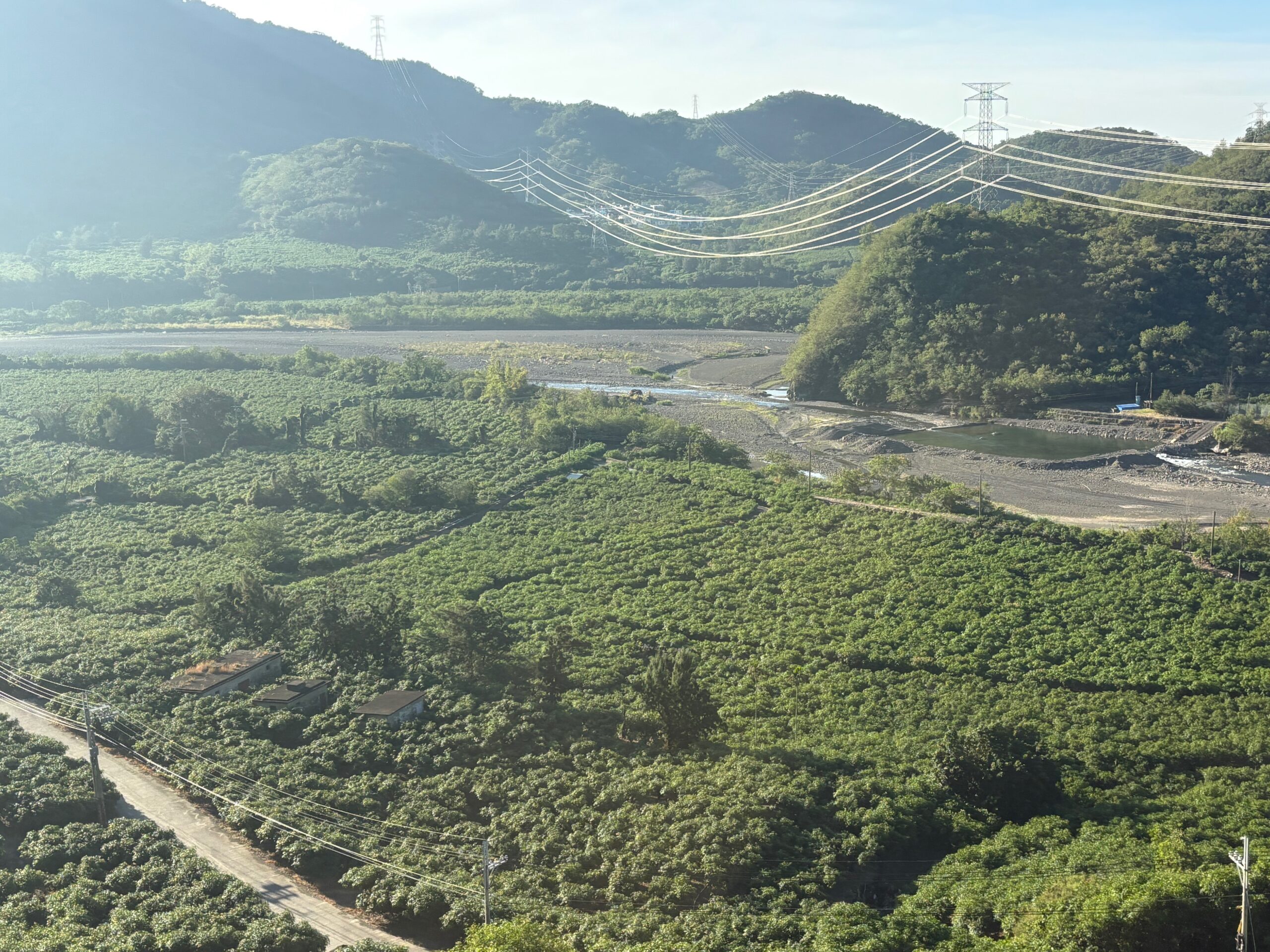
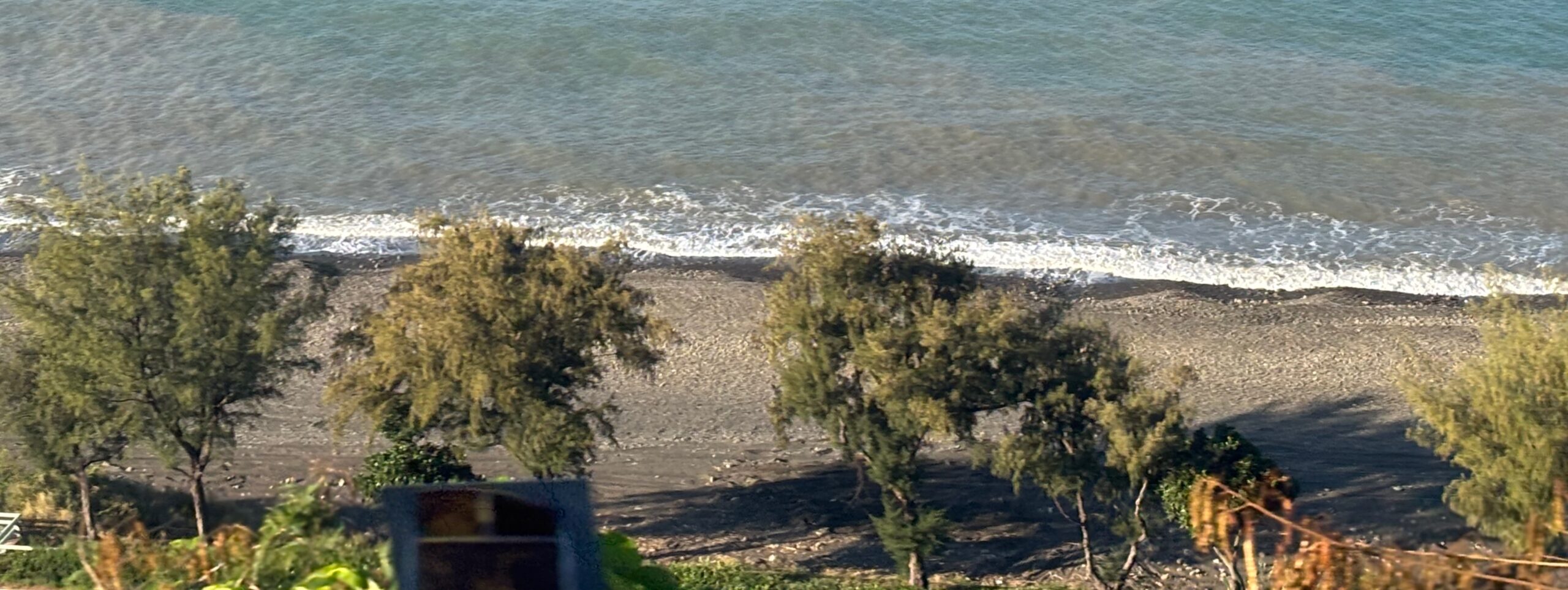
Built by the Japanese, this line runs along Taiwan’s sparsely populated eastern coast. Expect views of rice fields, palm trees, small towns, patches of forest and long stretches where the Pacific Ocean was visible. We dived through multiple tunnels in the headlands along the way. Passengers were entirely locals, mostly going short distances.
Interestingly, the station names on this line are broadcast in five languages: Mandarin, Taiwanese Hokkien, Hakka, English, and the language of the indigenous people who live on Taiwan’s eastern Coast: the Amis language.
- Route: Taipei – Kaohsiung by HSR. Then Kaohsiung to Taitung to Hualien, and back to Taipei .
- Operator: Taiwan High Speed Rail and Taiwan Railways Administration
- Tickets: HSR booked online or at stations with reserved seats; TRA tickets from the app, website, counters, or machines for local, Juguang, and express services.
- Cost: HSR 40 to 70 USD. The East Coast TRA segments 30 to 50 USD
#4. The Jungle Railway, Malaysia
“a nostalgic jaunt across the heart of the Malay Peninsula,” (BBC Travel).
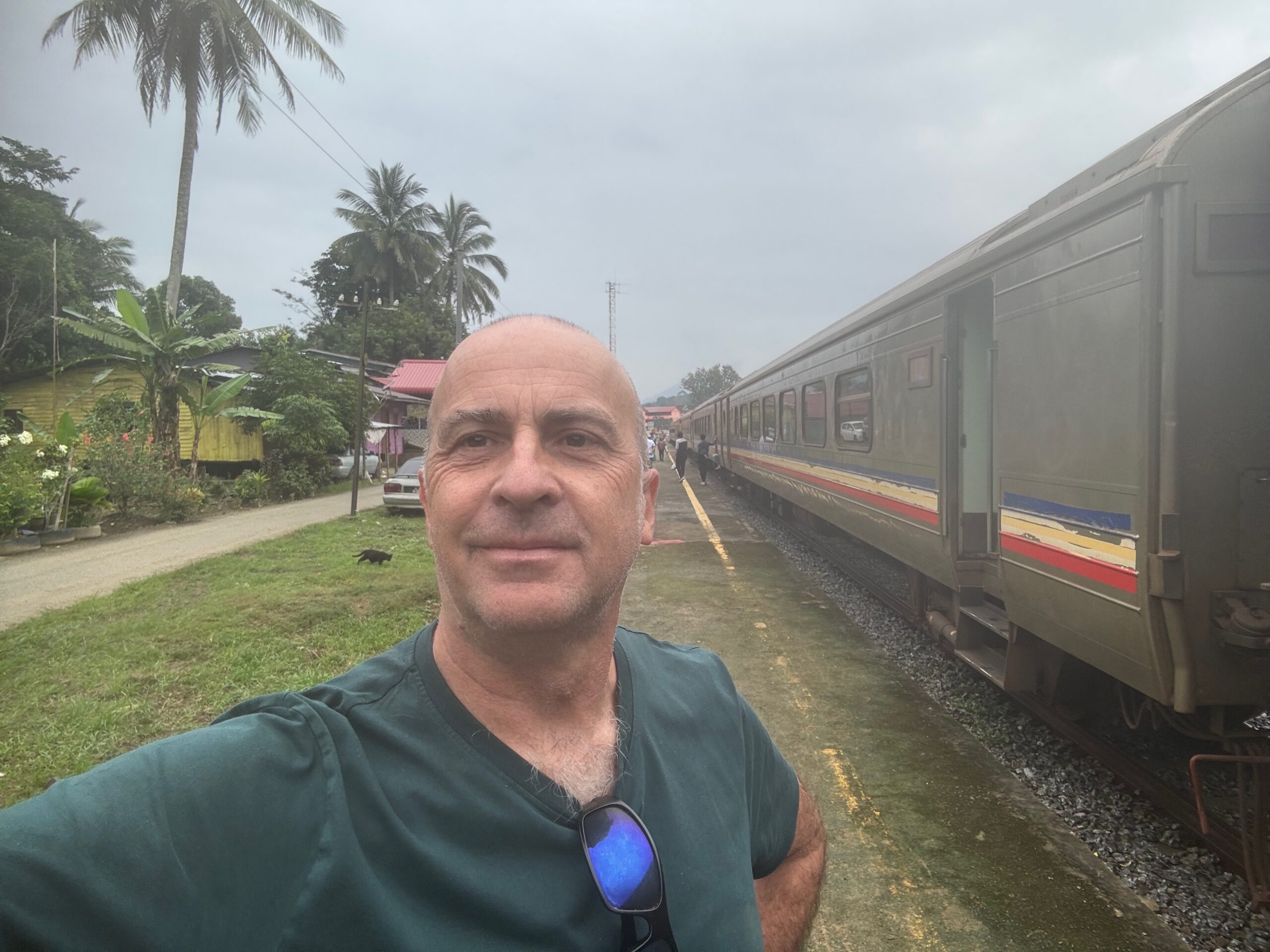
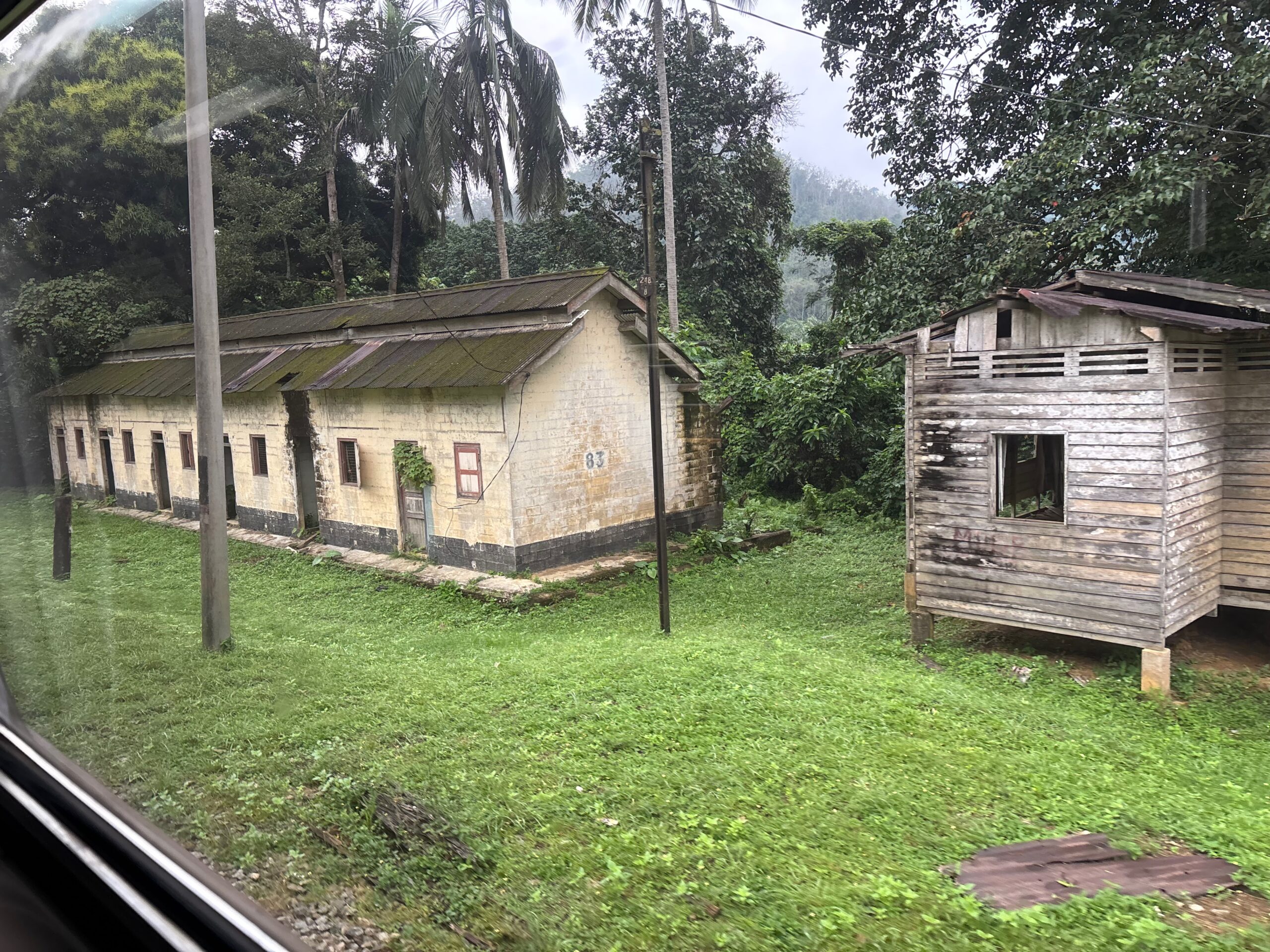
“Excuse me sir. You are going the wrong way“. I heard this at least five times at Gemas station as I made my way to “The Jungle railway”. A foreigner is not expected to be riding to Kuala Lumpur to the rainforest and communities of Malaysia’s more untouched parts. Reassuring the staff that I was indeed heading to the South China Sea at Tumpat, I happily settled my slow ride.
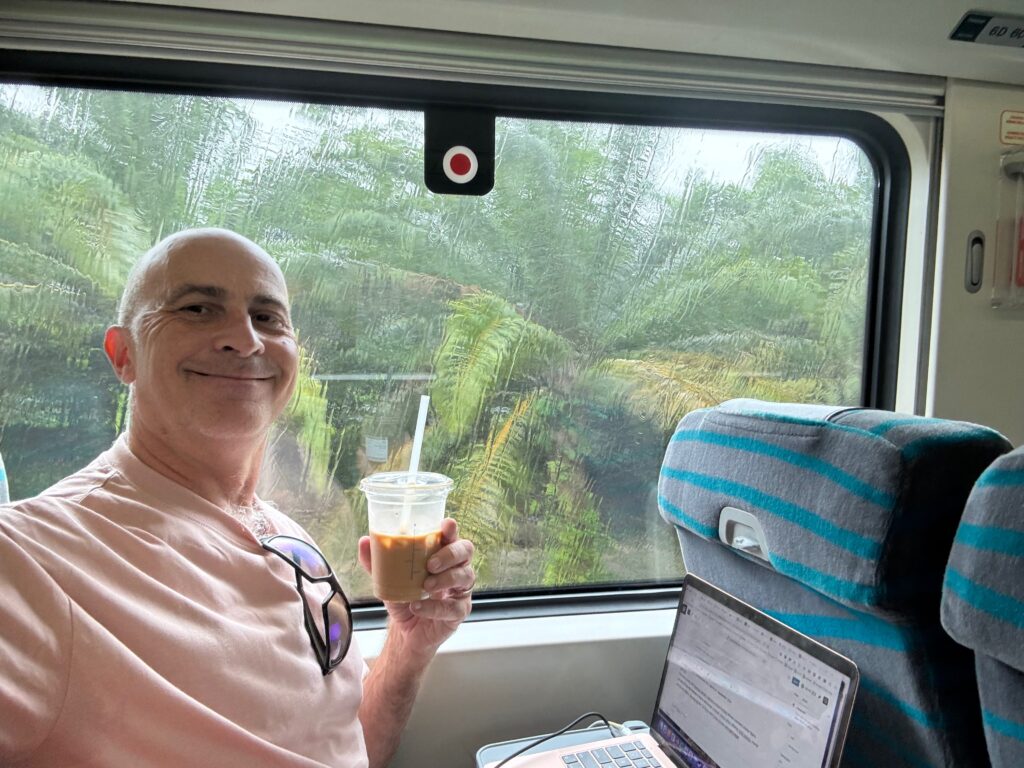
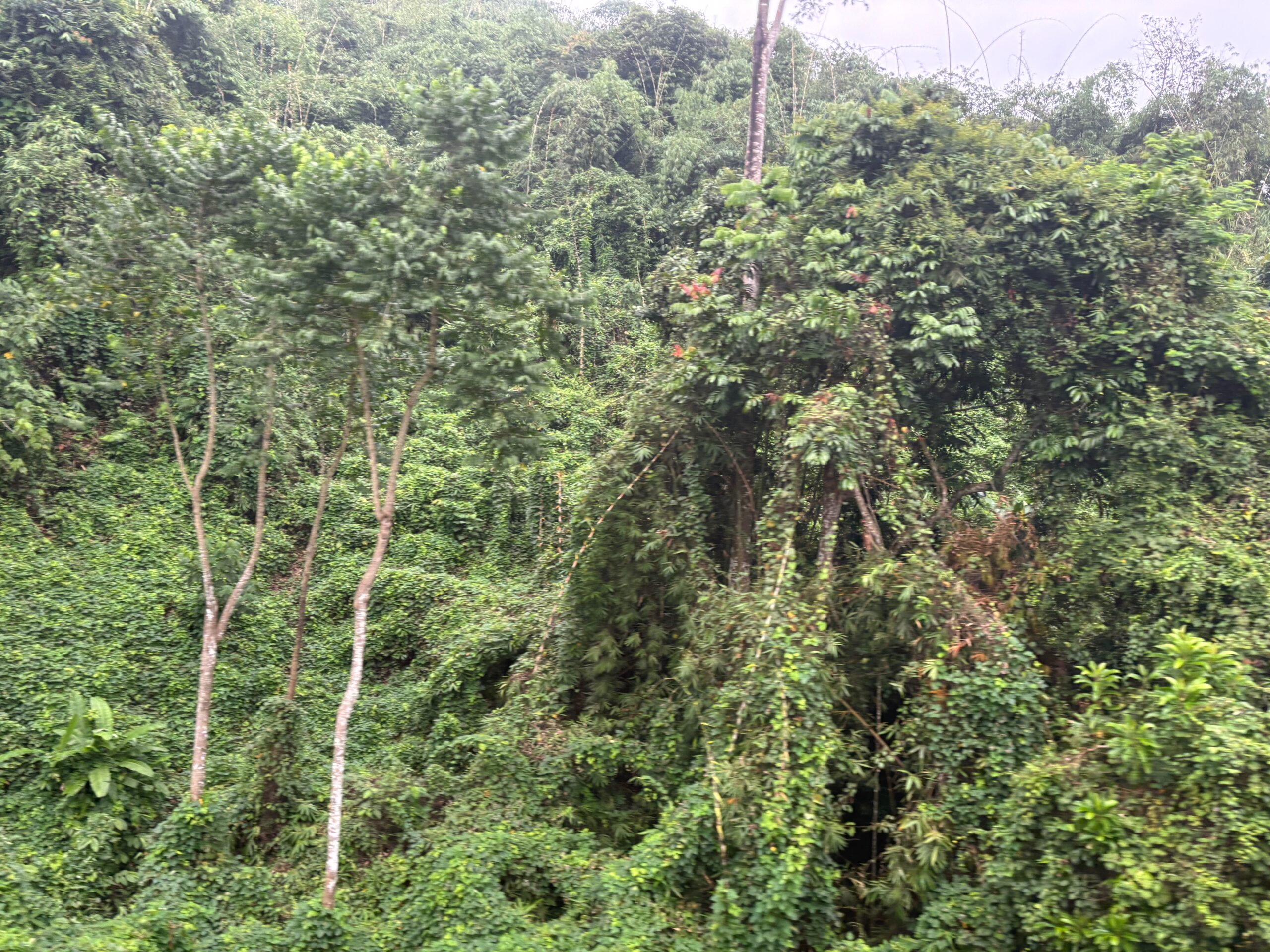
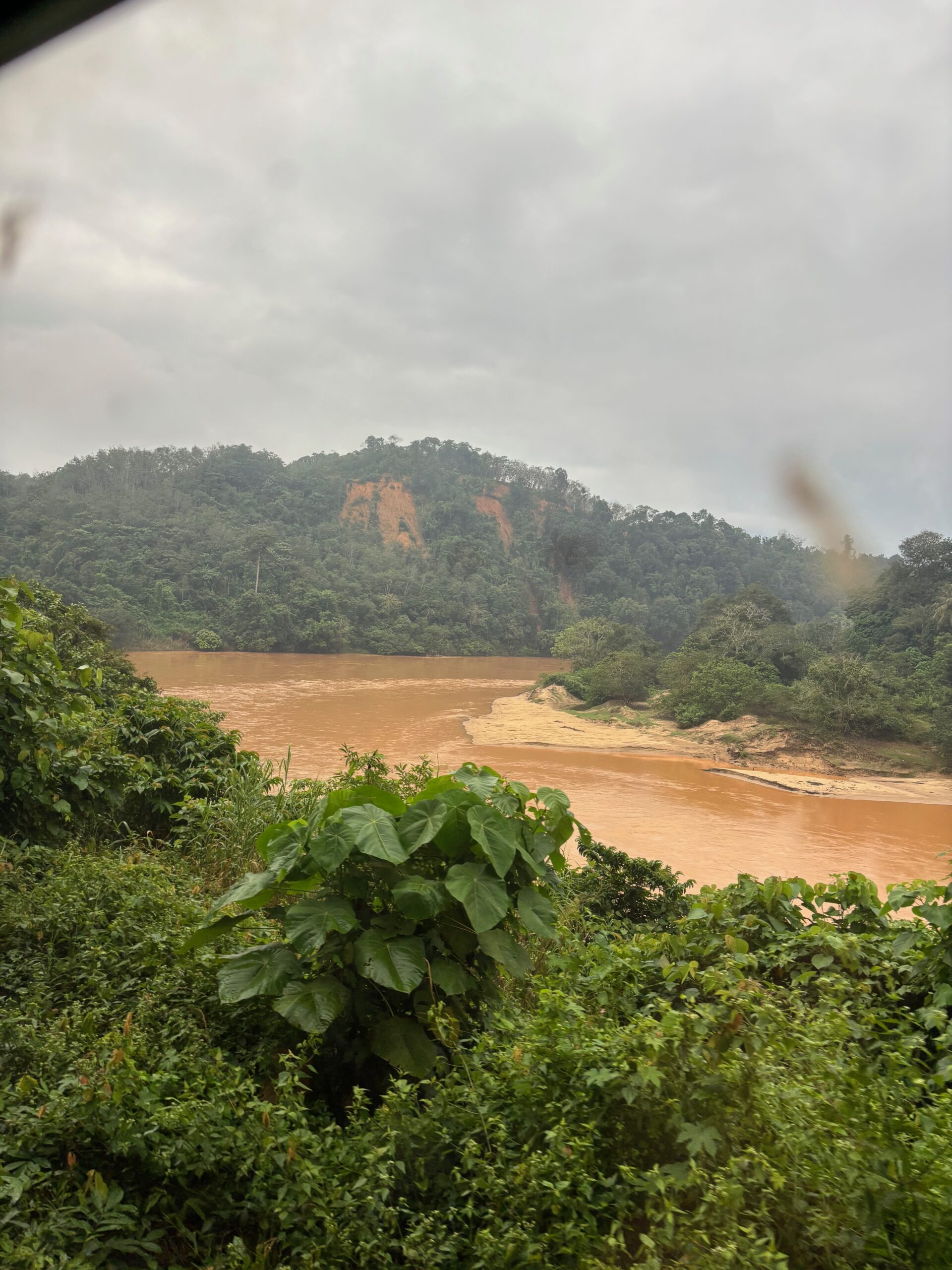
For most of the trip, it’s a single-track line with passing loops, leading to major punctuality issues. My trains were remarkably on time. We rocked and rolled on some sections and took others very slowly, giving me a chance to immerse myself in the views of plantations, thick jungle and East Coast kampungs. There is a mix of diesel‑powered trains, modern diesel multiple units and a night train each way.
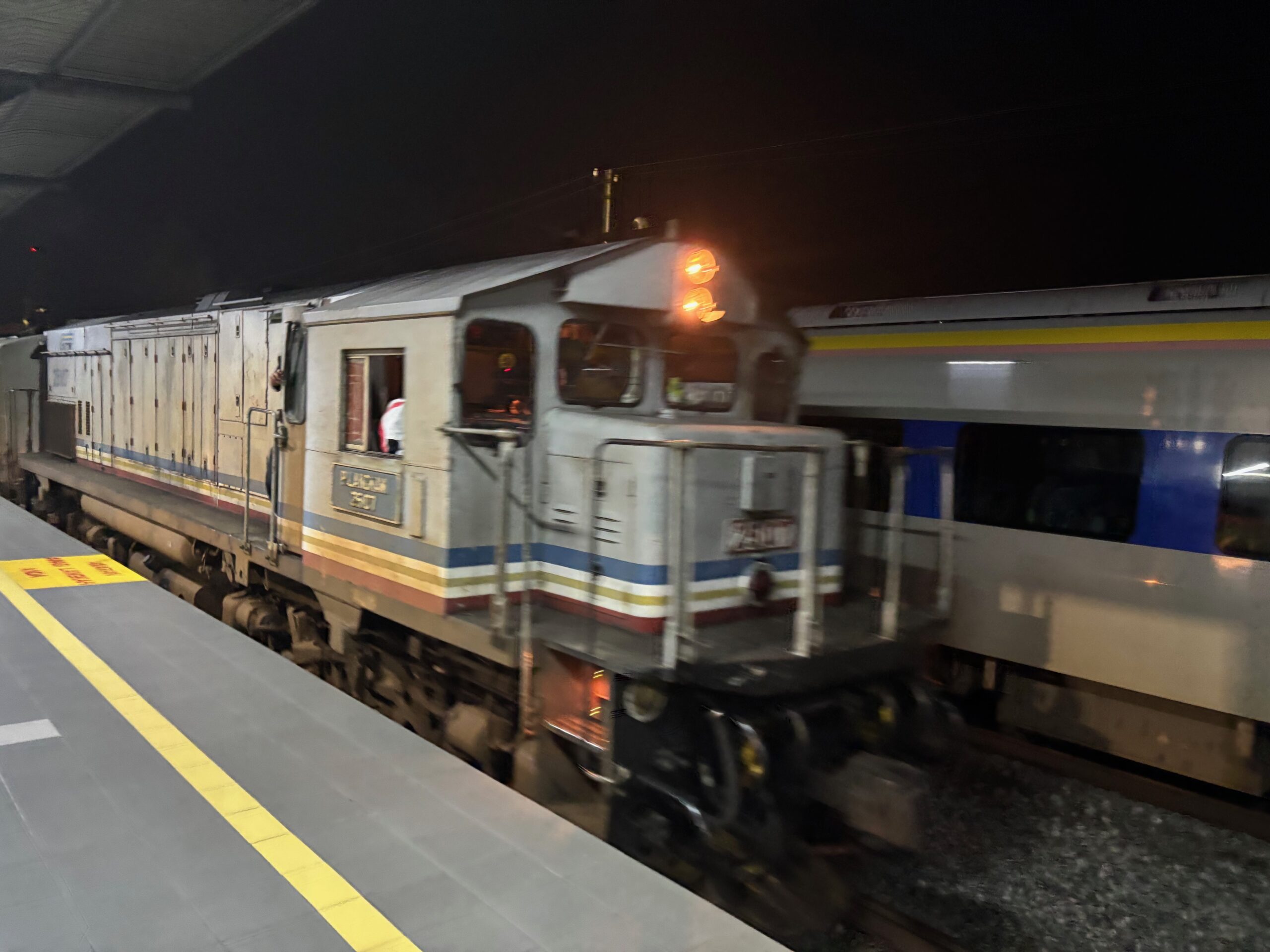
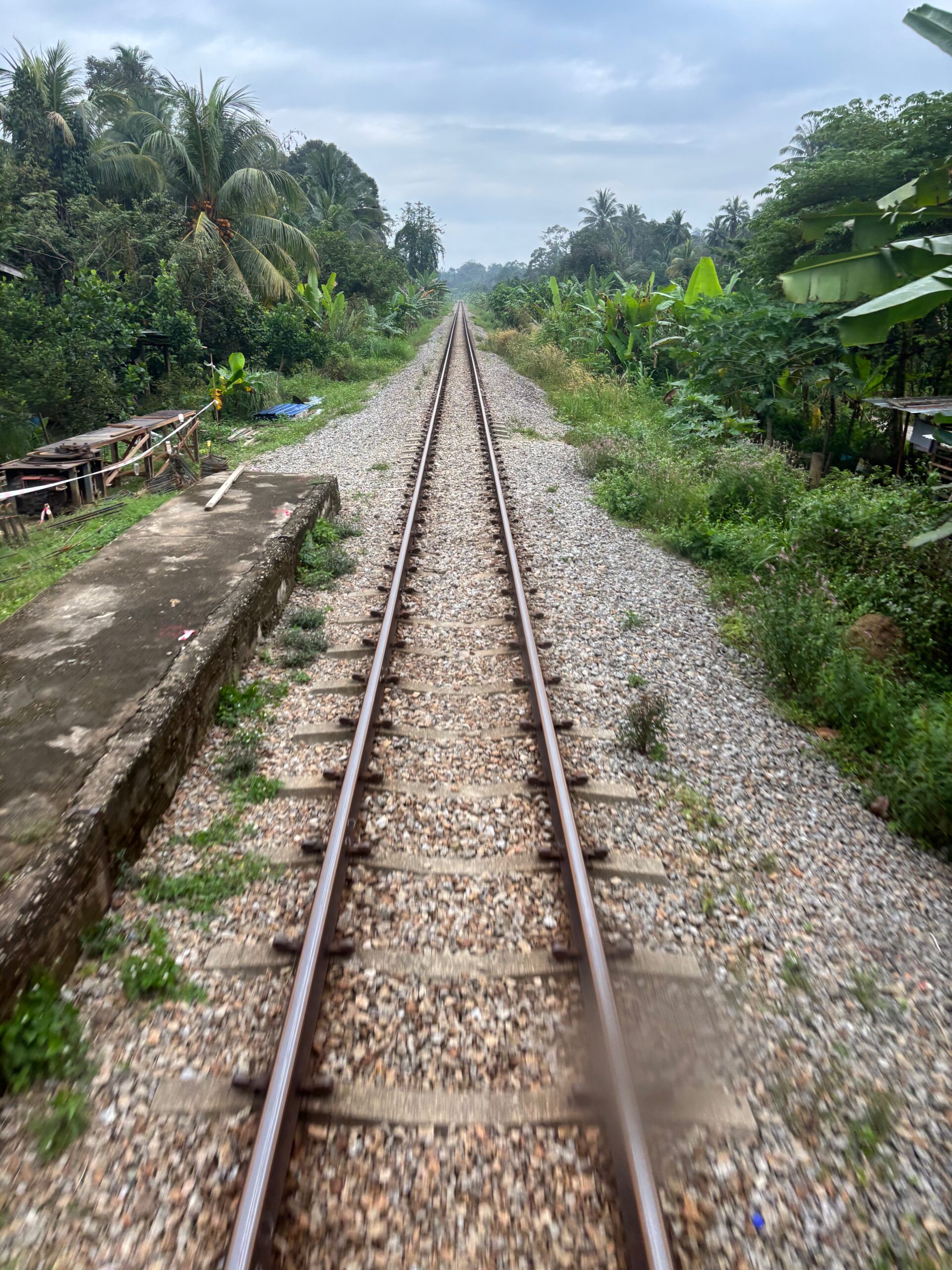
Soon, a new East Coast Rail Link will open from Port Klang (west coast) to Kuantan (east coast), then north to Kota Bharu. How this will impact the Jungle Railway, time will tell.
- Route: Gemas – Tumpat on KTM’s East Coast Line, 525 km, 13 hours end to end.
- Operator: KTM (Keretapi Tanah Melayu Berhad)
- Tickets: KTM website or app or major stations
- Cost: 2nd-class seat: roughly 8 to 15 USD one way, depending on the exact train.
- Sleeper berth is in the 15 to 25 USD range
5. Southern Railway, Thailand
“For passengers on the 12:33 train from Songkhla’s Hat Yai to Sungai Kolok, god and good luck are touchstones for survival.”
Every time I had considered riding the train from Thailand’s most southern station through three of the most dangerous provinces in the country, something serious had happened: Covid (2020), South Thailand closed (2021), a train derailment due to a track bomb (2022), coordinated bomb attacks against the railway (2023), more bombings and flood closures (2024). These incidents are the harsh reality of this railway line. Over 4,000 people have died in insurgency attacks in the area since 2004, and the trains are regularly targeted; media reports suggest incidents against the trains have happened every few months since 2004.
So I was pretty apprehensive as I walked across the border into Thailand, bought a ticket at the station and boarded the train. At several stops, machine‑gun‑armed soldiers lined the sandbagged and barbed‑wire‑barricaded platforms. The ticket inspector was accompanied by four armed soldiers, one at each end of the carriage; as he checked tickets, they walked the aisle and questioned passengers at random.
On a light‑hearted note, my seat collapsed early in the journey, pitching me onto the floor. I’m not that heavy! This proved a useful icebreaker. An older man chuckled, telling me this was common in these old carriages, and demonstrated how he shakes the seat before sitting down to avoid the same fate. So much for worrying about a bomb attack—falling off my seat was a more significant concern.
The railway line wound its way through stretches of lush countryside with simply stunning scenery. The towns along the route felt less developed and less prosperous than those I know in the north. Most passengers were Thai Malay, reflecting the region’s cultural mix; there were more mosques than temples, a reversal of the north.
The glimpses into an entirely different Thailand from the other parts I have visited, were utterly compelling.
- Route: Su‑ngai Kolok – Yala – Hat Yai Junction .
- Operator: State Railway of Thailand (SRT)
- Tickets: Bought at stations
- Cost: $USD5 to $6 for the full run.
6. Wuppertal Schwebebahn Monorail, Germany
“German Engineering Marvel“
After twenty years of anticipation, this ride delivered precisely what I had always imagined. The perspective is disorientingly unique: you’re underneath the track, 12 metres above the Wupper River, swaying gently through curves, framing Gothic spires and Gründerzeit apartments in carriage windows, then suddenly diving into the forest canopy where only the river and trees fill the view. Inaugurated in 1901, the line moves 85,000 people daily through a narrow valley
If you come to visit, explore the many museums, galleries, and parks along the route. I made a full day of it and enjoyed the Monorail museum, 12km of hiking and two art galleries. Plus a few coffees along the way.
- Route: 13.3 km connecting the towns of Barmen, Elberfeld, and Vohwinkel (all part of Wuppertal). There are 20 stations.
- Operator: WSW mobil GmbH
- Tickets: A variety of options which you can buy at stations or via their app.
- Cost: 24-hour ticket (€8.80)
7. The Prospector (Australia)
“a monumental undertaking“
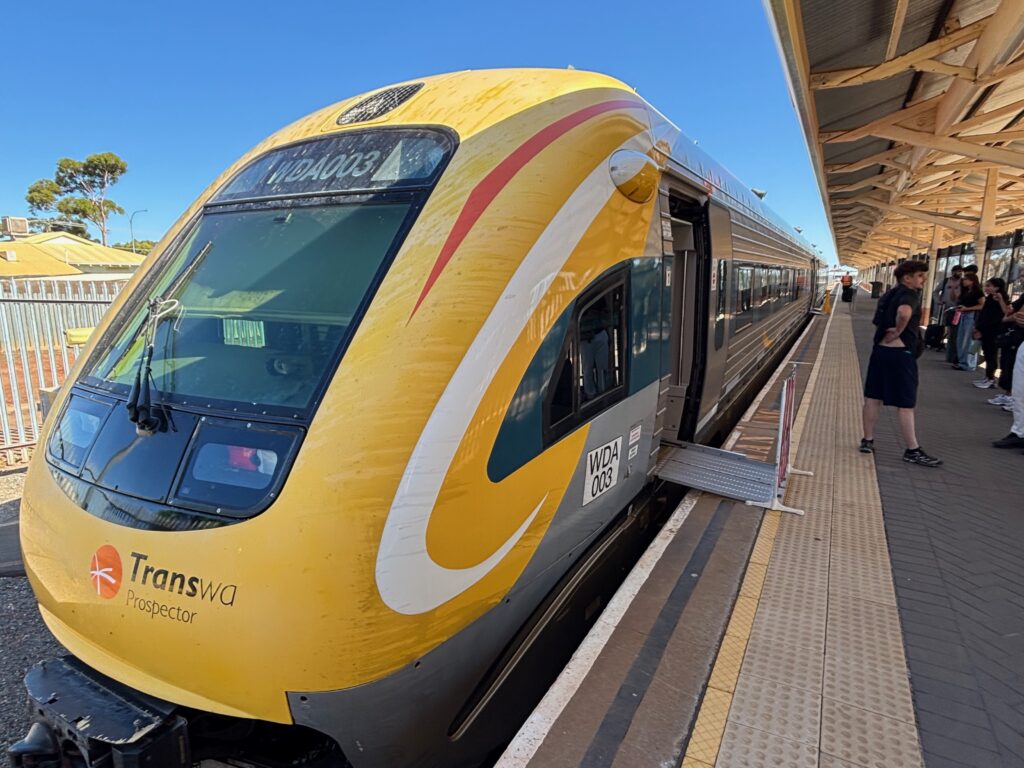
The Prospector links Perth, the world’s most isolated city, with the historical mining town of Kalgoorlie in just under seven hours, crossing Western Australia’s wheatbelt and goldfields.
It is a historic line, and for a long time, Kalgoorie was a changeover point for passengers riding the standard gauge trains from eastern Australia to a narrow gauge line into Perth. Now its standard gauge the whole way.
The Prospector is a small three-carriage train tootling back and forth, a couple of times a day.I enjoyed the large windows, which offered views of bushland, mines, and lakes. Also appreciated the intermittent Wi‑Fi and seat‑back entertainment. There is a small buffet on board.
- Route: Perth (East Perth Terminal) – Kalgoorlie, about 650 km in roughly 6¾ hours.
- Operator: Transwa, Western Australia’s regional rail operator.
- Tickets: Booked via the Transwa website, phone or agents; all seats reserved and numbered.
- Cost: Adult fare is $AUD50.40
#8. Stoosbahn, Switzerland,
“the steepest funicular railway in the world” (My Switzerland)
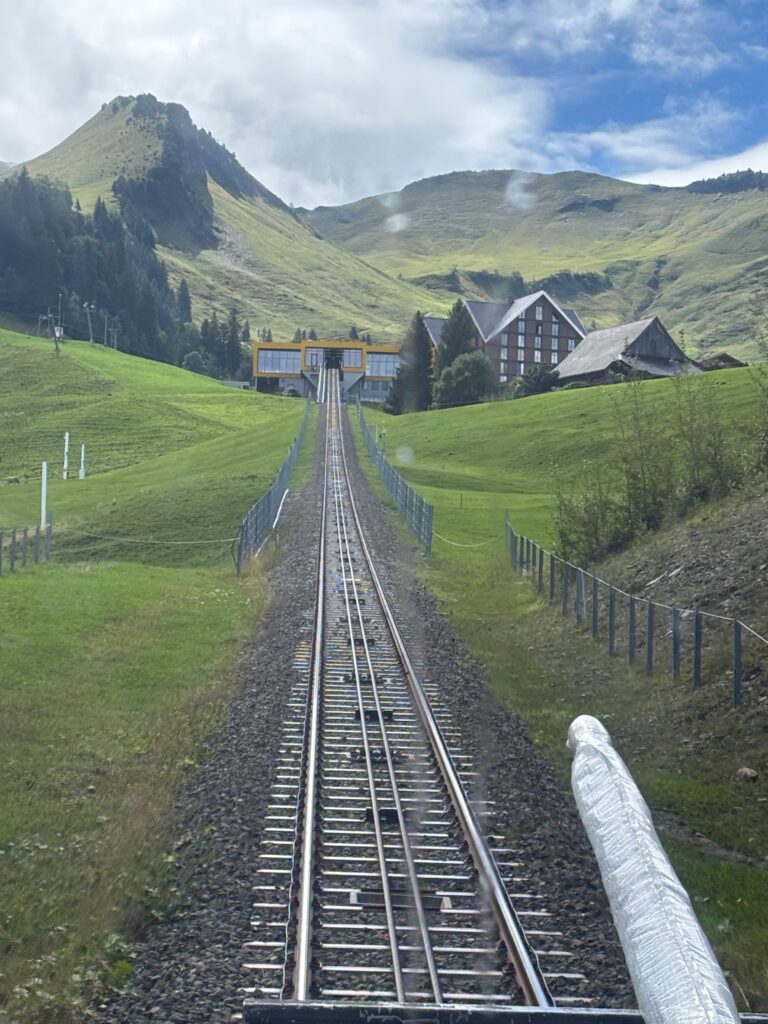
Completely rebuilt and reopened in 2017, this ride climbs around 744 metres (2440 feet) in a few minutes in barrel‑shaped carriages that rotate so the floor stays level and you always feel upright. The line runs to the ski resort village of Stoos.
It was hard to know where to look as the train started its climb. To the front, back and sides were clear stunning Swiss postcard views.
The 1.7km trip uphill was over in just under 5 minutes.After a brief wander around the village, it was onto the hiking! There are around 35km of skiing and hiking trails there.
- Route: Schlattli (about 60km from Zurich ) to Stoos
- Operator: Stoosbahn / Stoos railways
- Tickets: Online. Can be combined with Stoos ski tickets in winter
- Cost: 29 USD. Included in the Swiss Pass, so I paid nothing!
On to next year
One of my heroes, Michael Palin, says, “Despite having seen a fair amount of the world, I still love travelling – I just have an insatiable curiosity and like looking out of a window.”
I am already planning to ride to the Arctic Circle in Finland to visit Father Christmas. I am also hoping to experience the Jōban Line, running from the Tokyo area up the Pacific coast toward Miyagi, which was severely damaged and partly closed by the 11 March 2011 earthquake, tsunami, and Fukushima nuclear disaster. Finally, am going to explore some heritage lines in the UK and Ireland, and the Derry line in Northern Ireland.
How about you? Have you ridden any of these train lines? Do you have any suggestions for new train trips in 2026?

Leave a Reply