

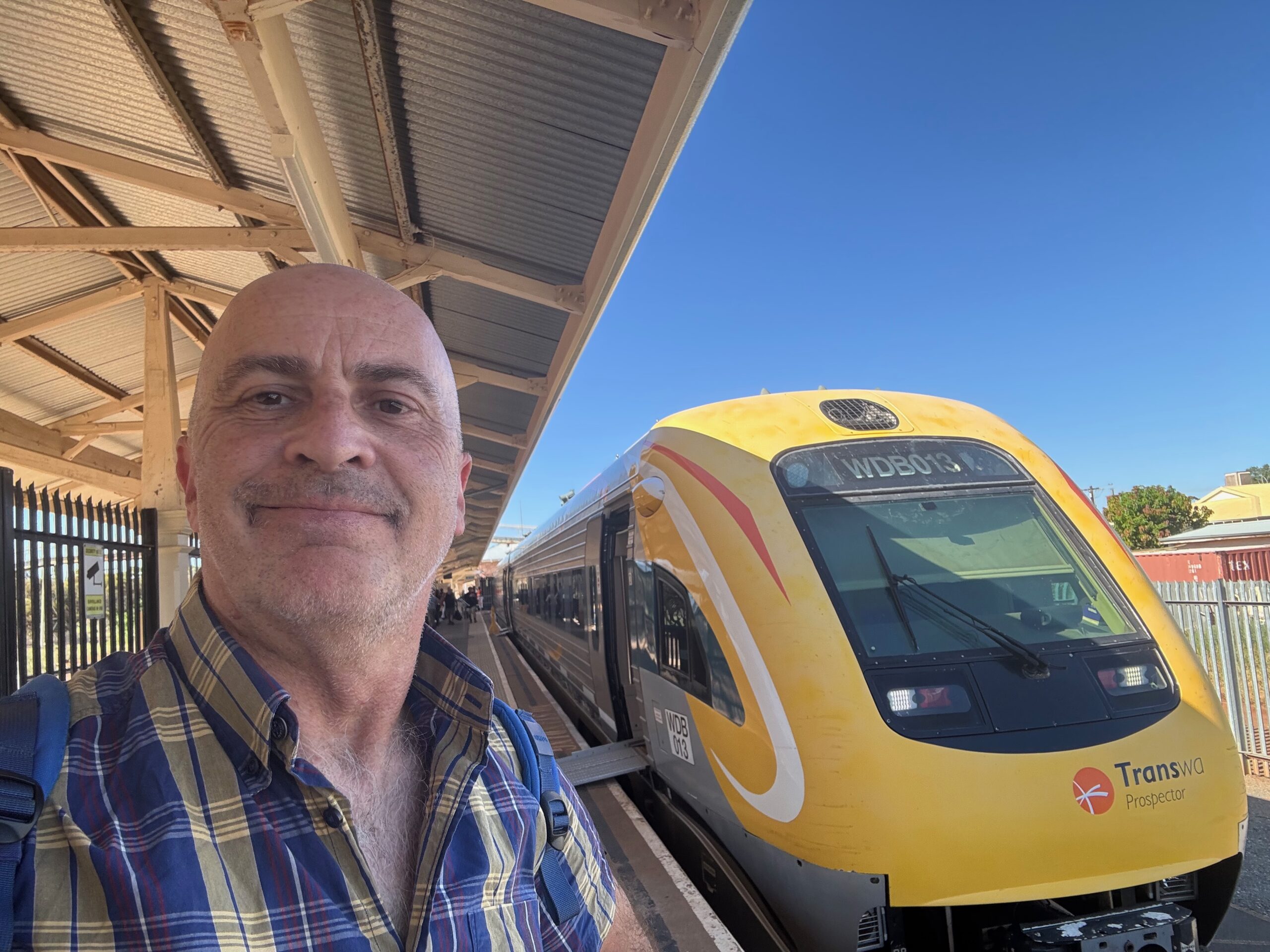
Western Australia is huge: it is about ten times the size of the UK and almost four times the size of Texas. Only around 3 million people live in the state, and roughly 2.2 million of them are in the capital, Perth, while the UK has about 67 million people and Texas has around 31 million. Only two intercity train lines remain in this massive state, and my goal has been to ride both of them; Perth itself has an eight‑line suburban rail system, which I have travelled in full. Today I finally got to ride one of the world’s more remote intercity trains: The Prospector between Kalgoorlie and Perth.
- Name of Train/Line: The Prospector
- Route: Perth to Kalgoorlie, 653 kilometres (450 miles)
- Time: 6 hours and 45 minutes average speed of just under 100km/h (60mph)
- Fare: $50.45 full fare. Discounts for children and seniors
- Booking: Reservations are essential. Book online, phone, or at Transwa booking centres
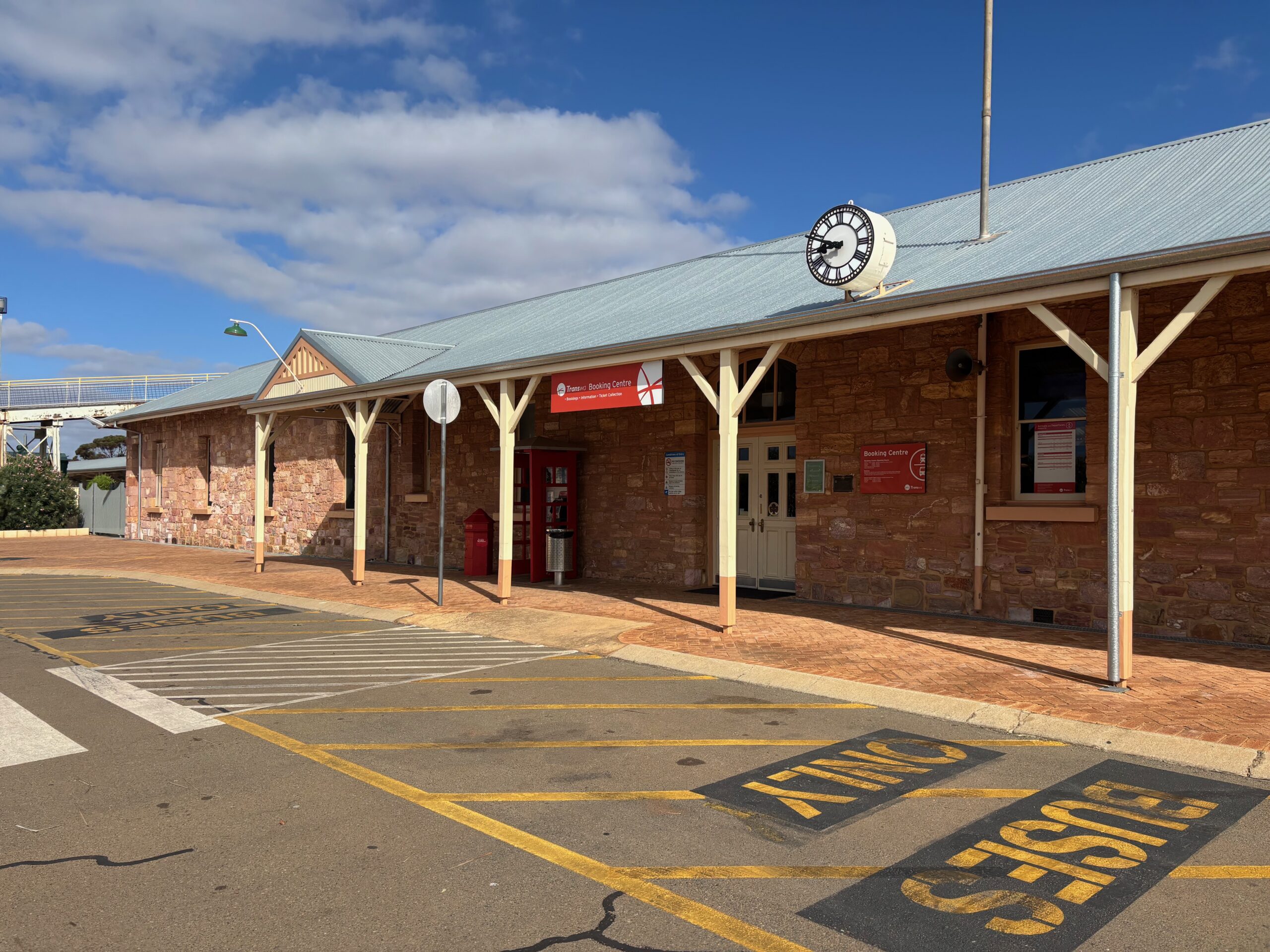
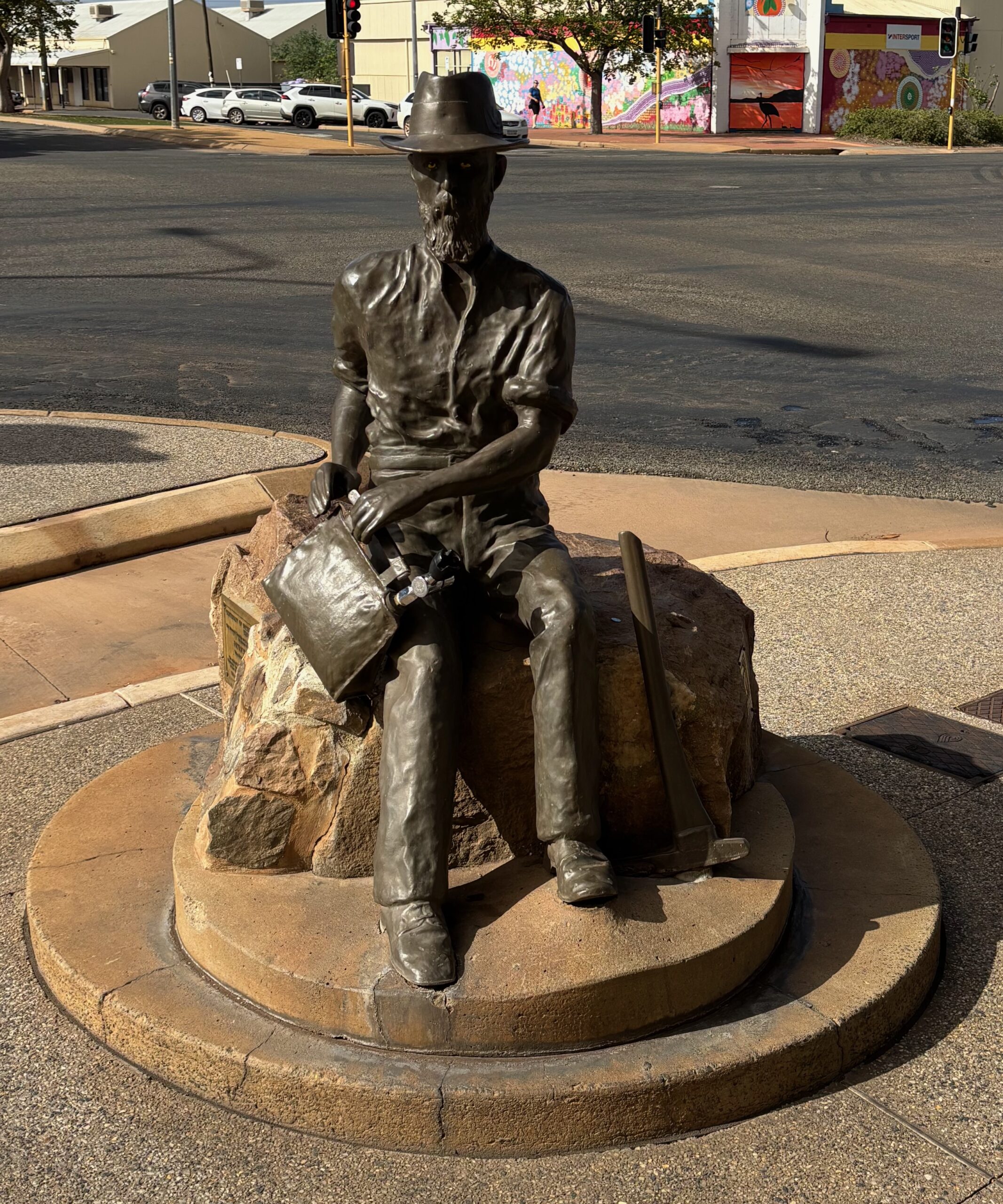
After exploring the linked remote outback towns of Kalgoorlie and Boulder (population about 30,000, I walked up to the beautiful historic brick 1896 Kalgoorlie railway station to begin my long ride to the city. Kalgoorlie is one of the most important mining centres in Australia, producing a considerable portion of the nation’s gold. This economic significance means the train line has survived, unlike most of Australia’s networks, which closed.
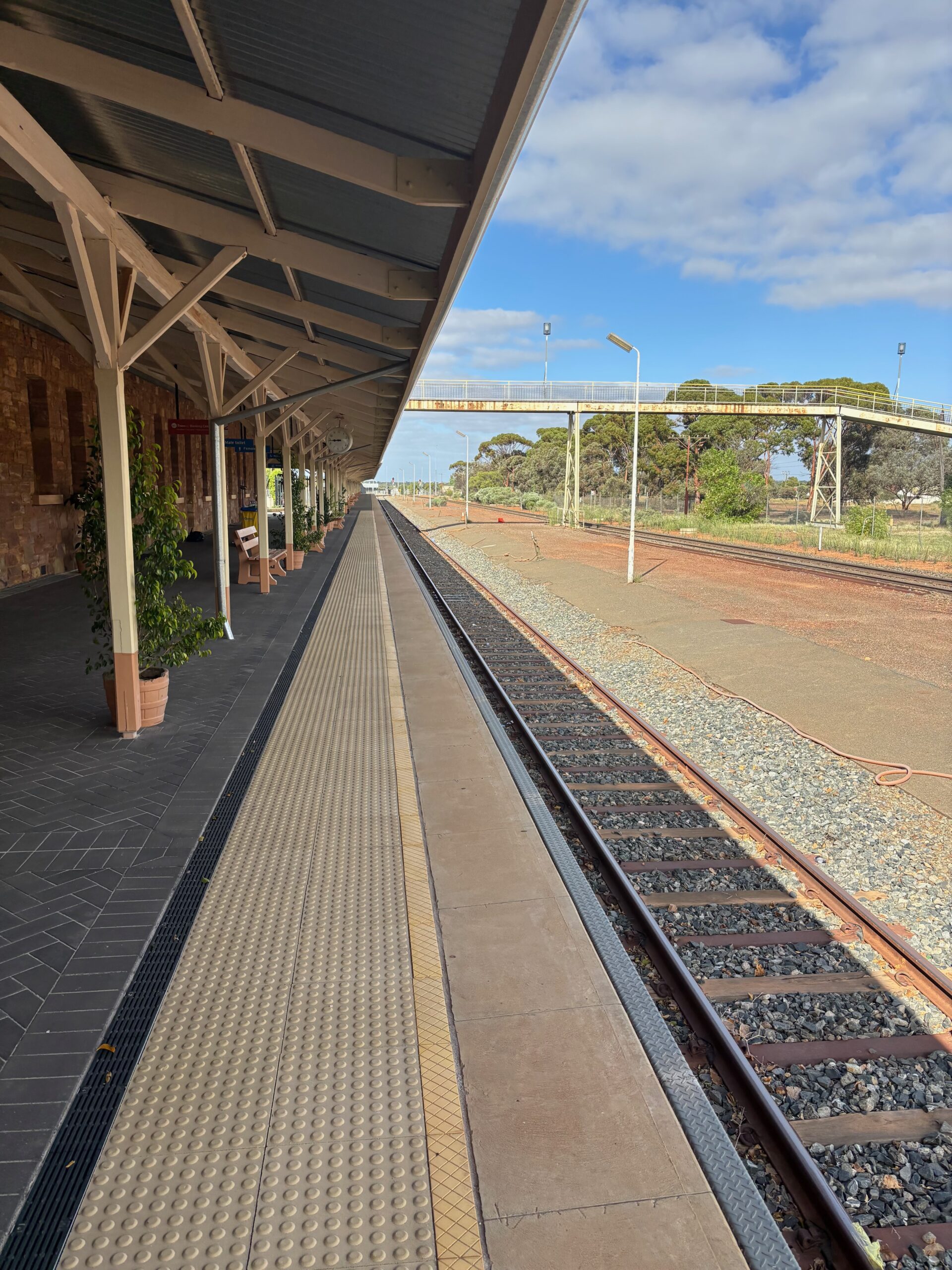
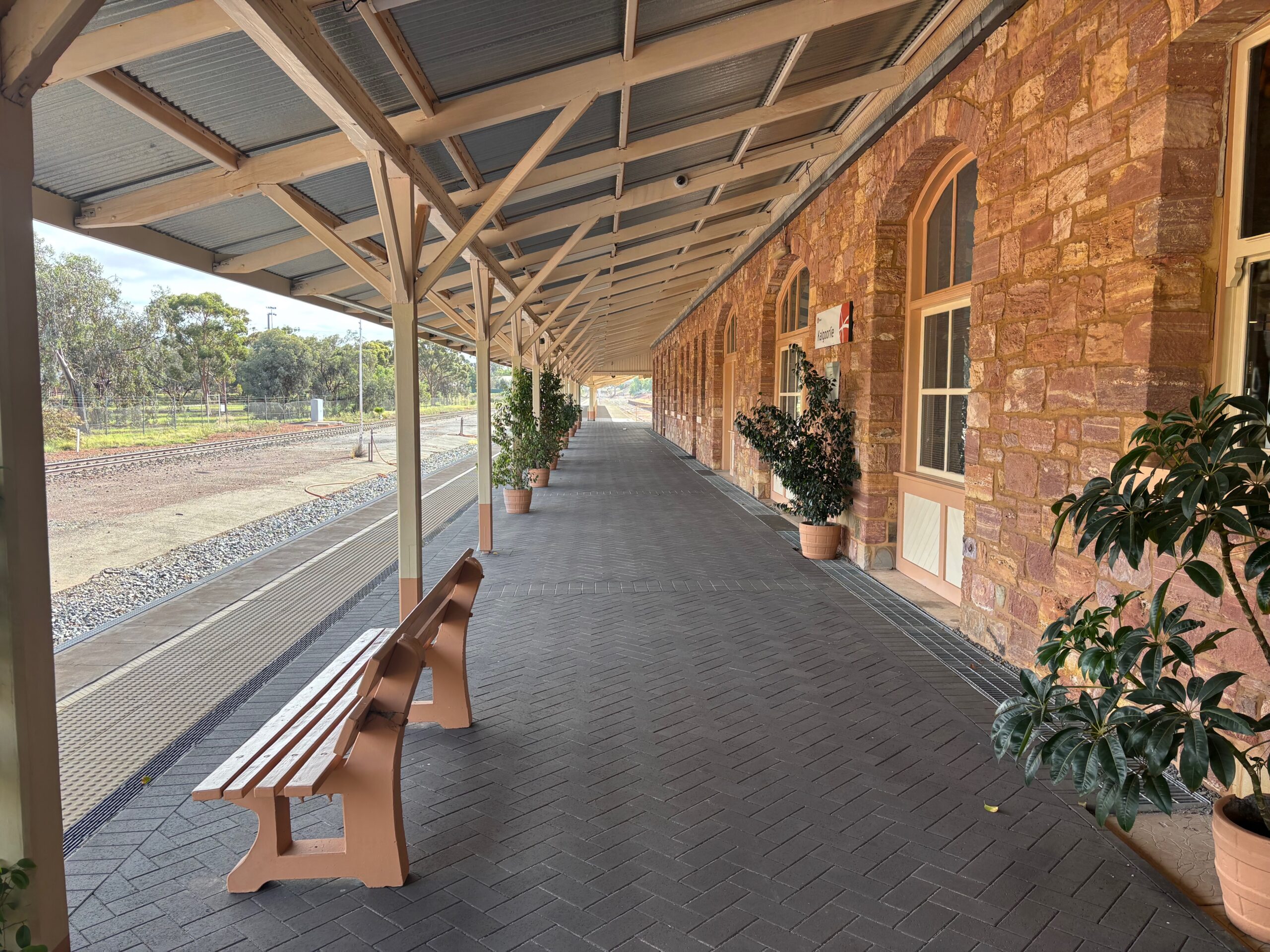
Kalgoorlie Station has one of Australia’s longest platforms at 500 metres, but the diesel multiple unit Prospector train I was catching consists of just three cars. The luxury Tourist Indian Pacific train, which runs between Sydney and Perth, stops here a couple of times a week. In regular operation, the Indian Pacific typically runs at around 30 carriages, including locomotives, crew vans, passenger sleepers, lounge and dining cars, and power vans. This makes it one of the longest passenger trains in the world!
Car A (pictured) is a driving motor car with a cab, engines and passenger seating at one end of the set. B is an intermediate motor car with its own engines and passenger seating, coupled between the two end cars. C is another driving motor car with the cab at the opposite end, also powered and fitted with passenger seating and a small buffet. A small buffet section offered croissants, pies, muffins, soft drinks, and alcohol. Passengers can bring their own snacks but not alcohol. It is all one class.
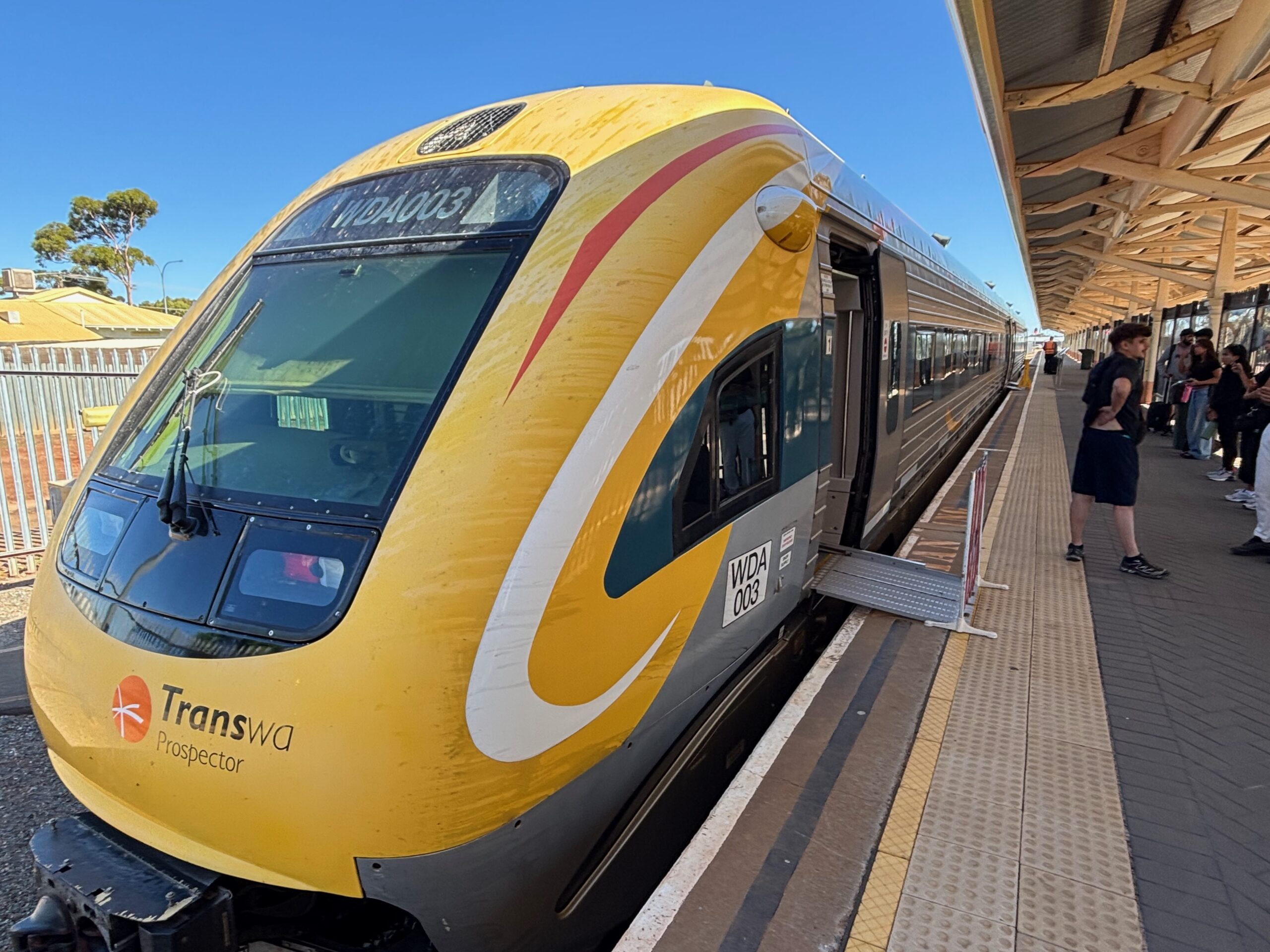
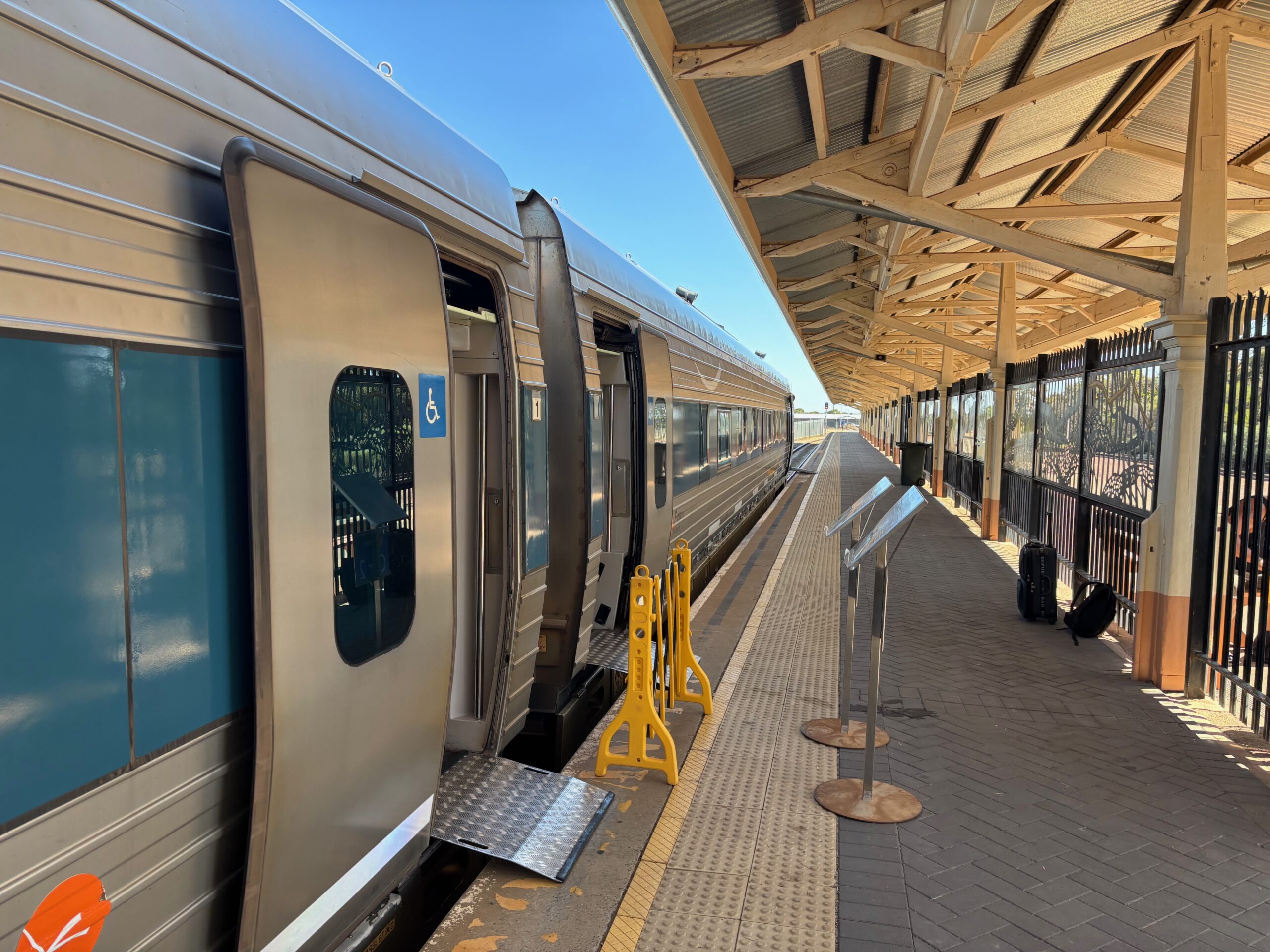
These standard‑gauge railcars entered service in 2004, so they are just over 20 years old, replacing the original Prospector sets from 1971, which took around two hours longer for the same Perth–Kalgoorlie run.
Before 1971, the route was worked by an overnight narrow‑gauge passenger train that took about 14 hours. The line itself was converted from narrow gauge to standard gauge in 1969 as part of the works to complete the continuous standard‑gauge Trans‑Australian Railway coast to coast between Sydney and Perth.
The original Eastern Goldfields Railway was constructed in stages during the 1890s. Northam to Southern Cross opened in 1894, then finally made it to Kalgoorlie in 1897. By this time, Kalgoorlie was one of the wealthiest and most technologically advanced towns in Australia, with electric street lighting, grand hotels and elaborate public buildings. A tram system opened in 1902. A guide at the local museum claimed that for a while, Kalgoorlie was “more fashionable than Melbourne or Perth”.
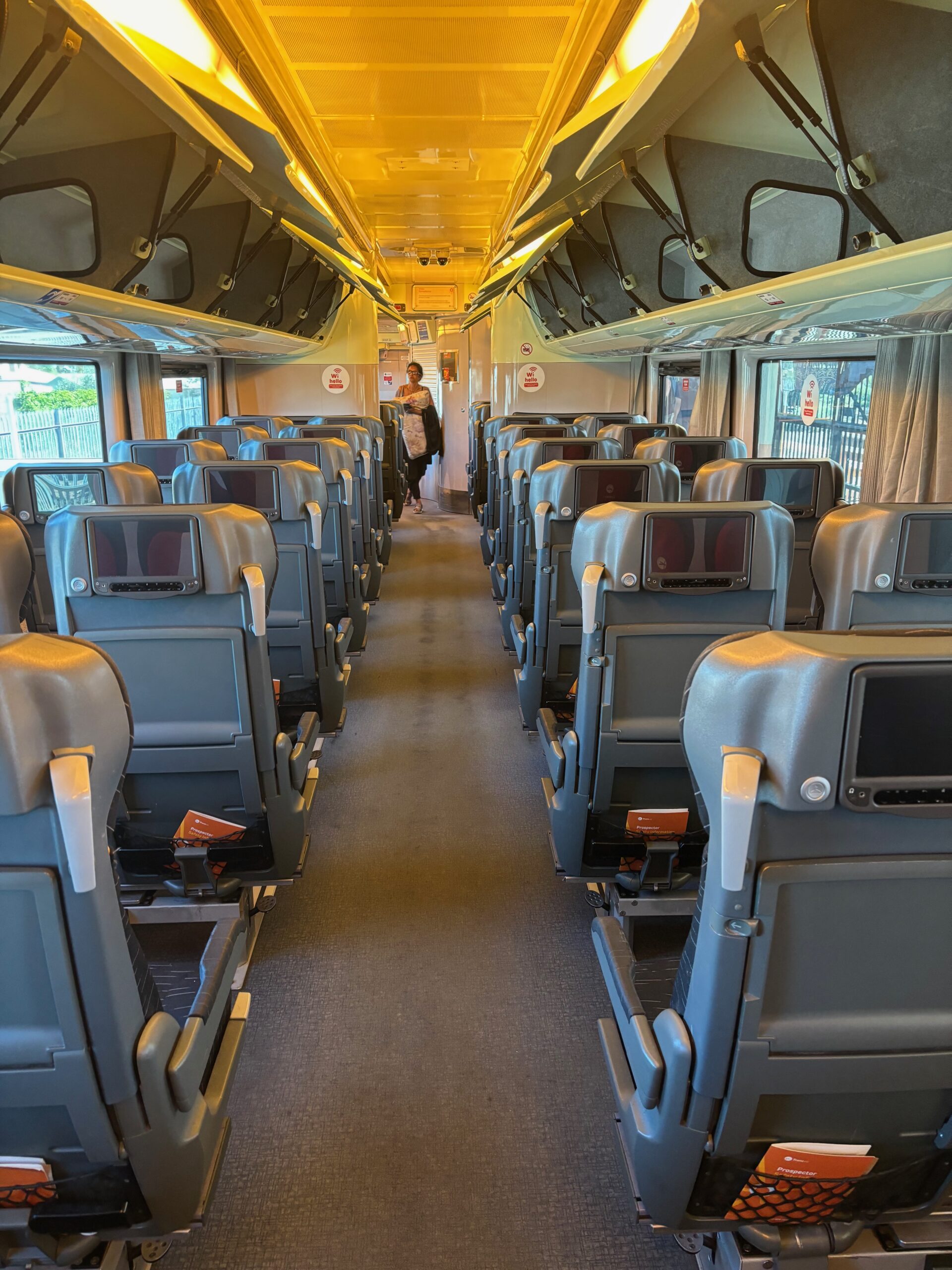
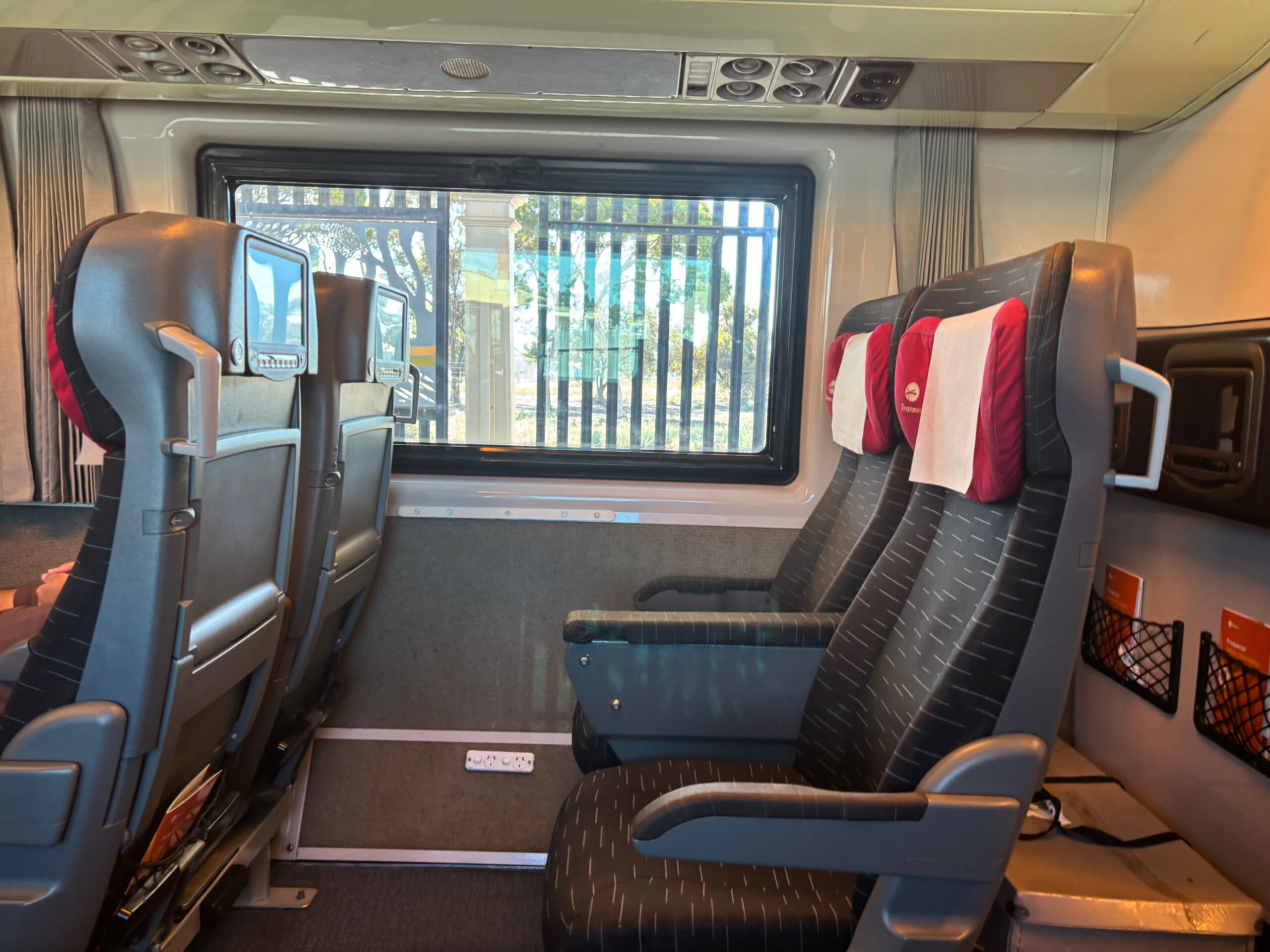
The whole train seats 156 passengers in 2‑2 reclining seats plus has space for two wheelchairs. Legroom was spacious at 38″ pitch, more akin to Premium Economy on a plane. The seat padding was excellent. Qantas and Virgin, which fly the same route, offer about 30–32 inches of seat pitch in economy on their one‑hour flights, so the Prospector feels noticeably roomier.
The boarding process was efficient, with clear signage and helpful staff, making it straightforward for us passengers. We were less than a third full, and my carriage was the emptiest. This meant a tranquil ride with few people. Engine noise and track sound were noticeable but weren’t intrusive. Every day conversation was easy without raising my voice. There was more rumble and vibration over rougher track sections and near the bogies, but most of the ride was quiet and smooth.
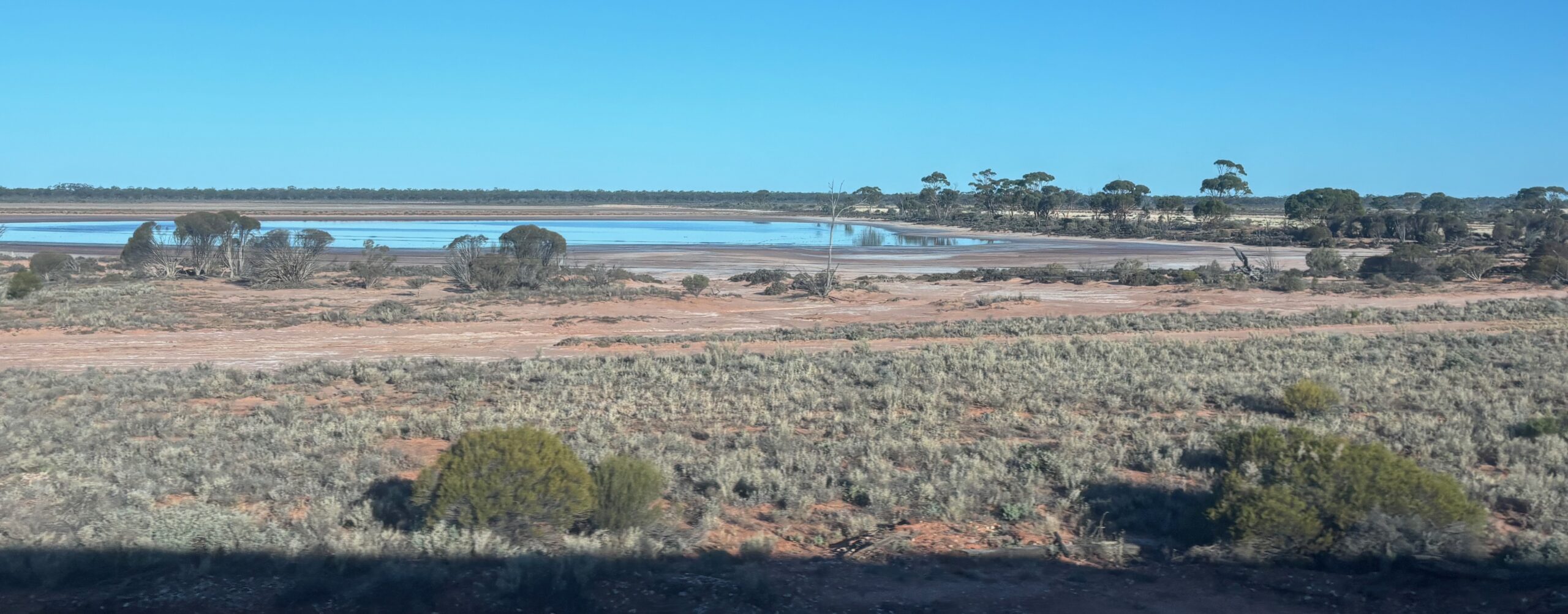
Once we left the Kalgoorlie–Boulder urban area, the line passed through shires where populations are counted in the low thousands spread over tens of thousands of square kilometres. Towns the train serves directly like Southern Cross, and Northam have only a few thousand residents each, and the smaller stops (Moorine Rock, Boorabbin, Coolgardie. etc.) are little more than hamlets or localities. Fourteen of the 18 stations along the route are request stops, where passengers must book a drop-off or pick-up. On my journey, we stopped only once at Moorine Rock to pick up three people.
We also paused at Merredin, which is one of the scheduled stops. As it’s the operational hub on the Eastern Goldfields line and halfway point, there was a driver and onboard staff changeover. My crew switched to work back home on the Kalgoorlie-bound train. The buffet closed before Merredin and reopened after it to allow for stock and money counting
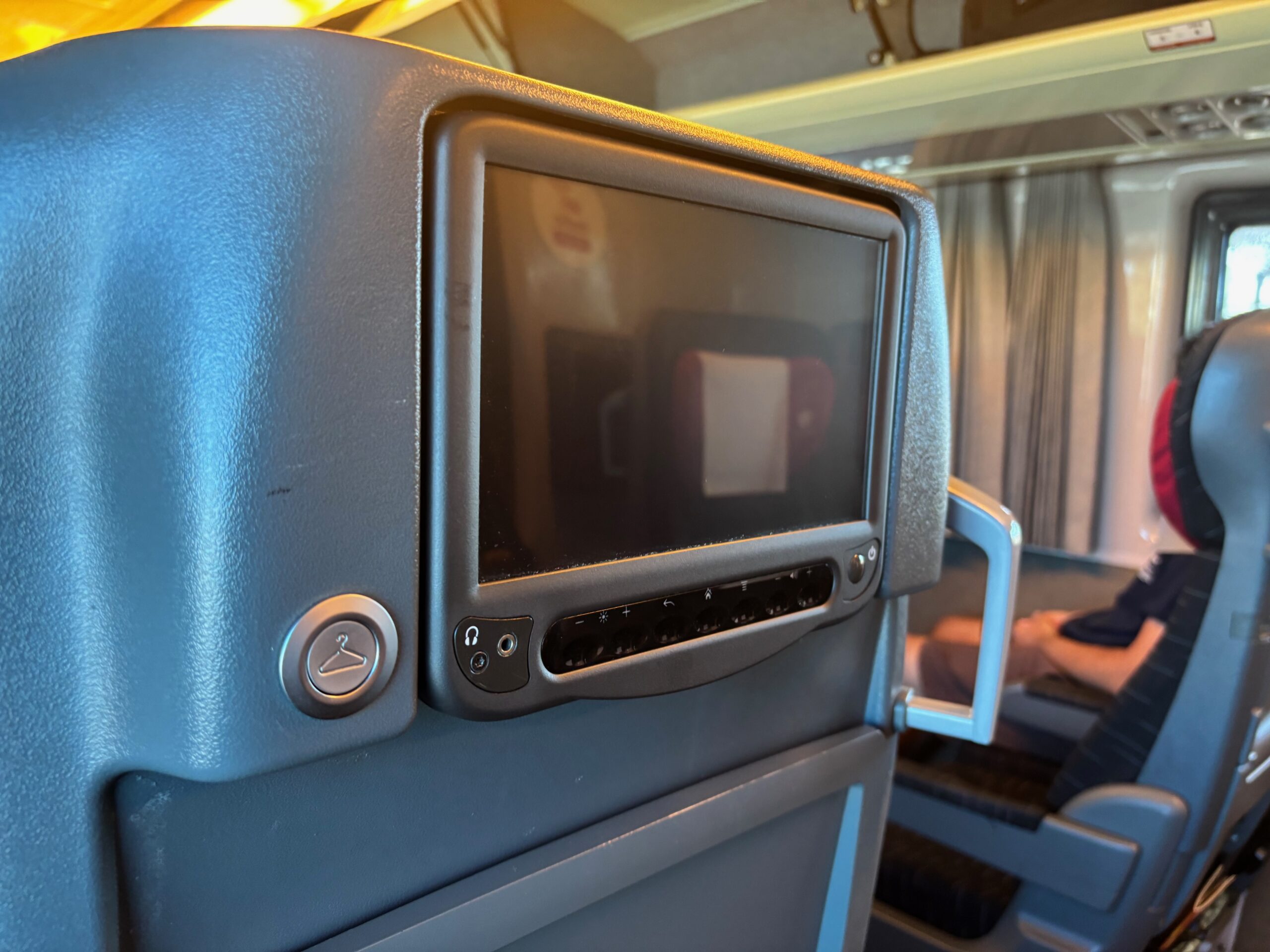
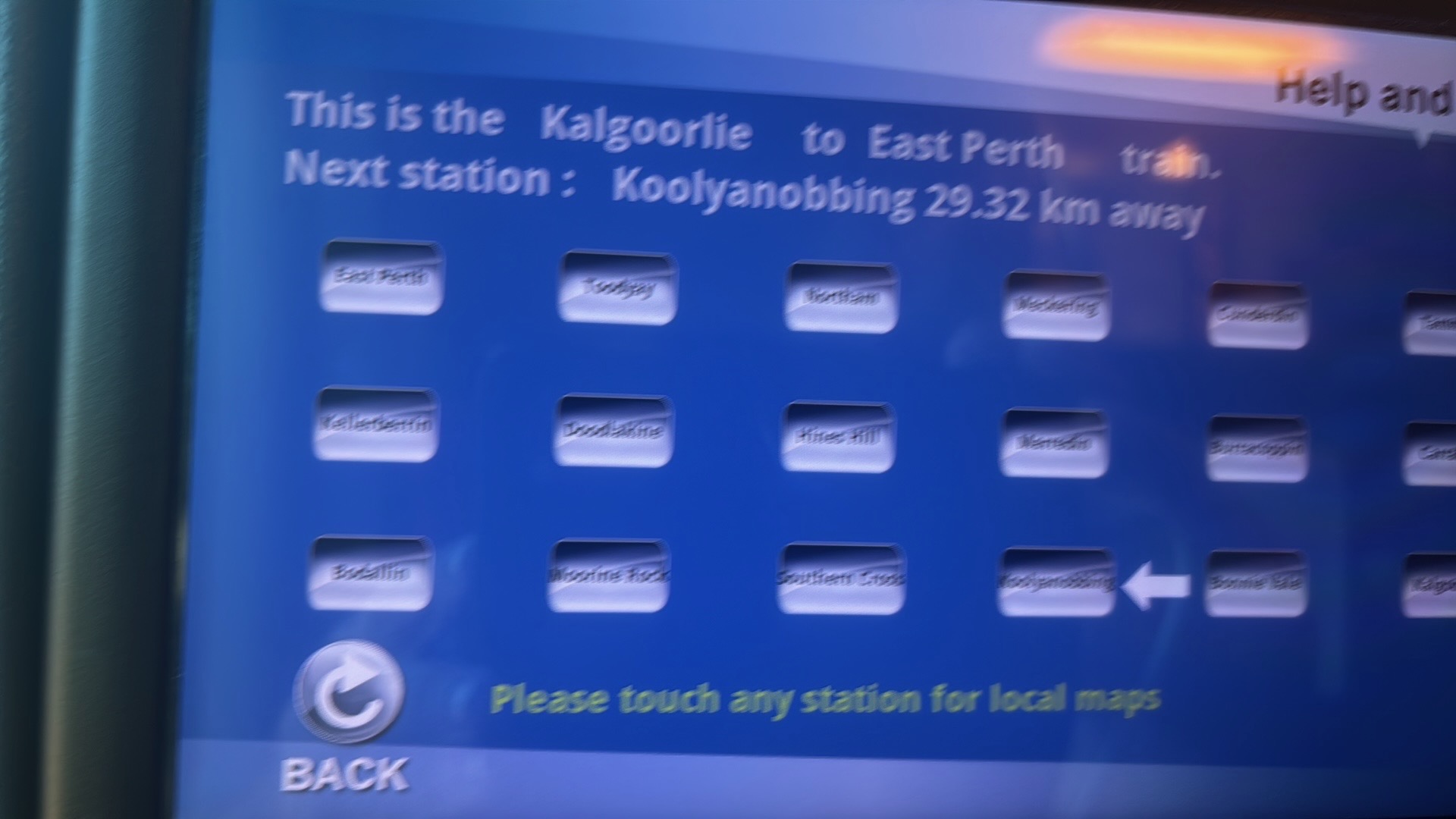
I was surprised that each seat had its own touchscreen entertainment system offering movies, TV shows and music. Other passengers have reported that the sound quality could be better, but it was fine for the cartoons I watched. Complimentary Wi‑Fi was available, which I used for work, though it was pretty intermittent, with very up‑and‑down speeds. For the train nerds, the system also included basuic journey data such as current speed, next station and route information.
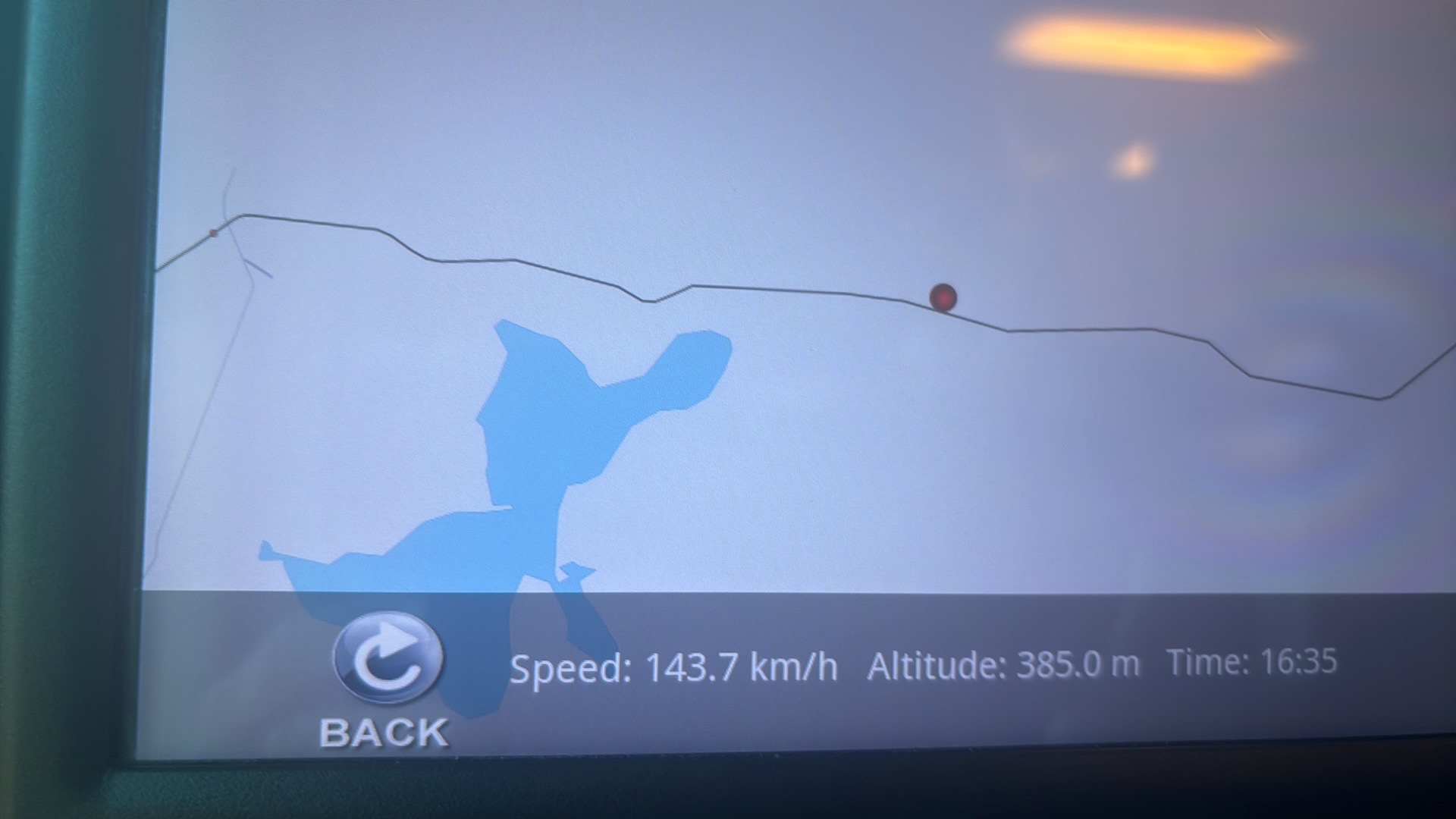
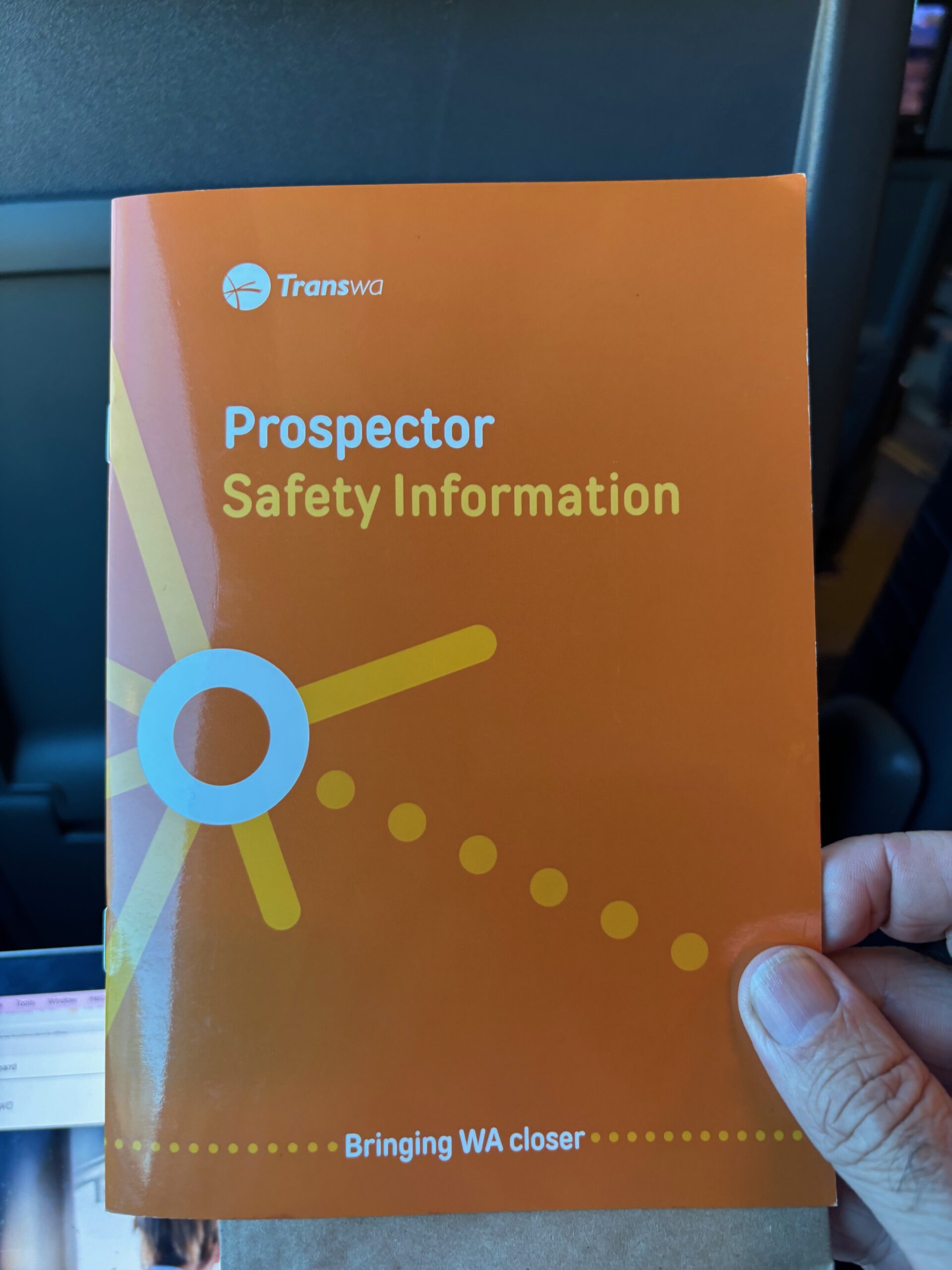
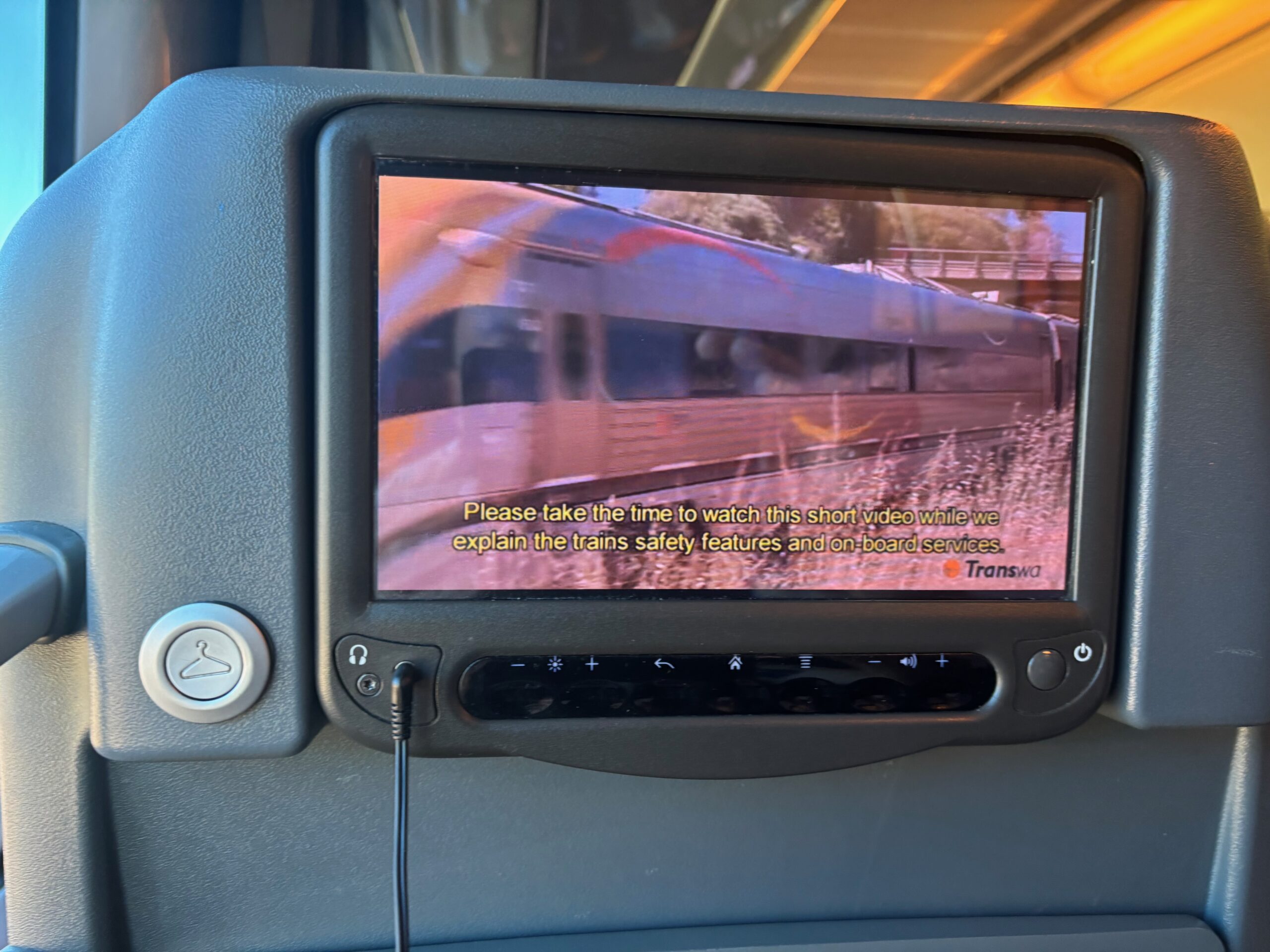
A safety video was played on the TV screens and safety cards were available to browse.
The big windows made the scenery absorbing. Out of Kalgoorlie the line passed through low‑rise suburbs and lots of mine infrastructure, with slag heaps, haul roads and industrial yards.
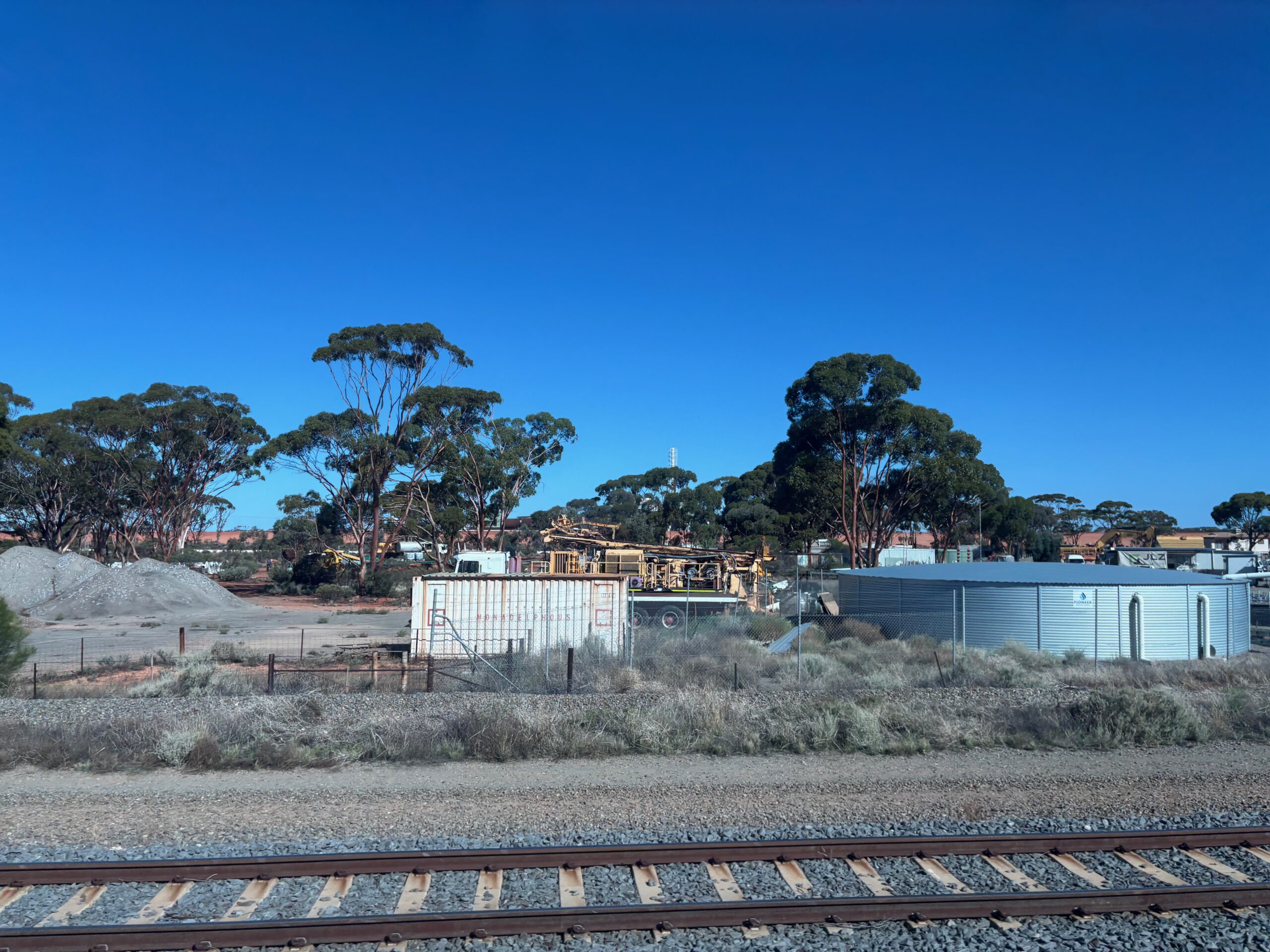
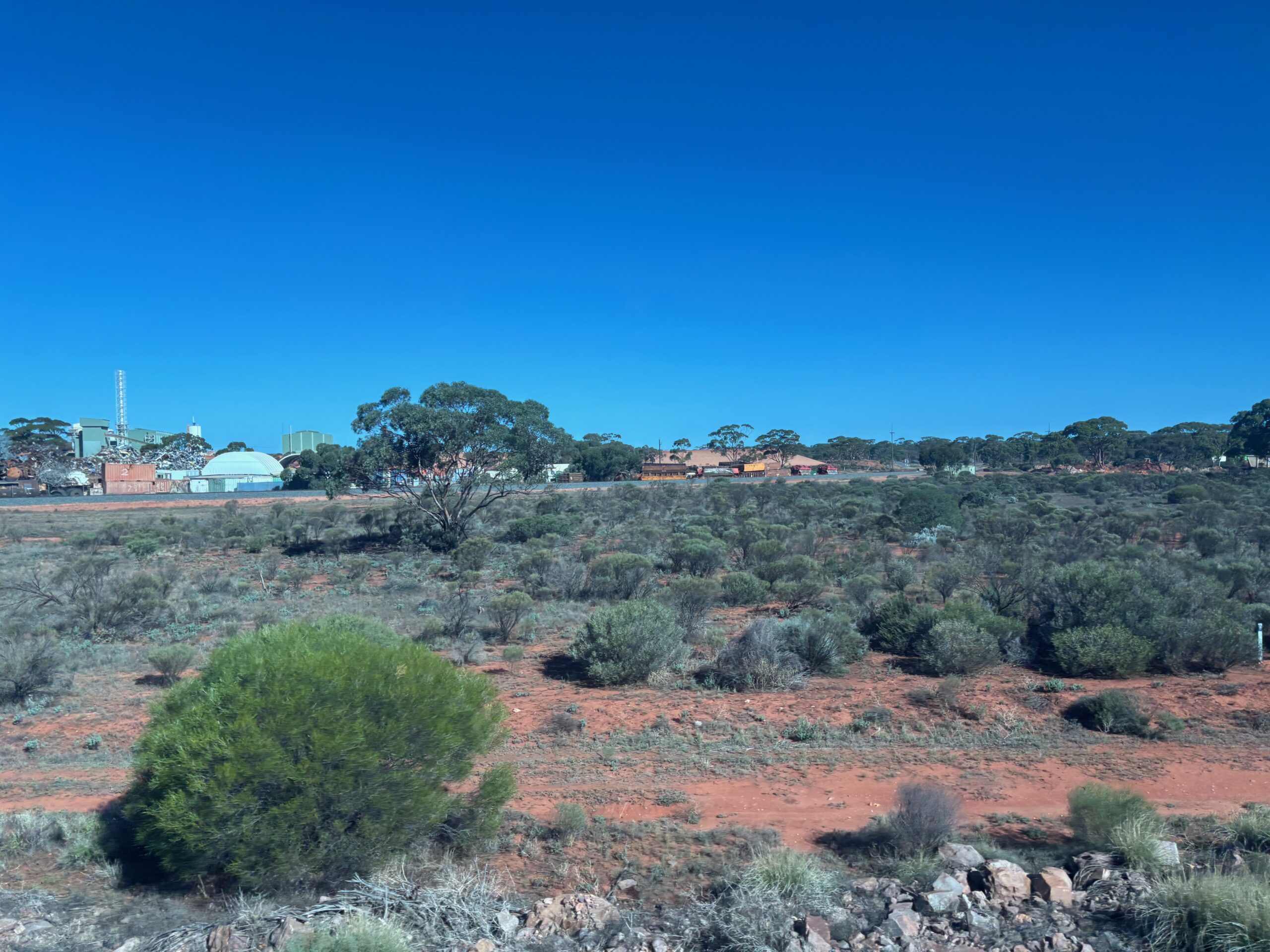
Soon we were in flat, scrubby country with low eucalypti and acacia, red dirt and saltbush, with long, ruler‑straight sections of track and not much else!
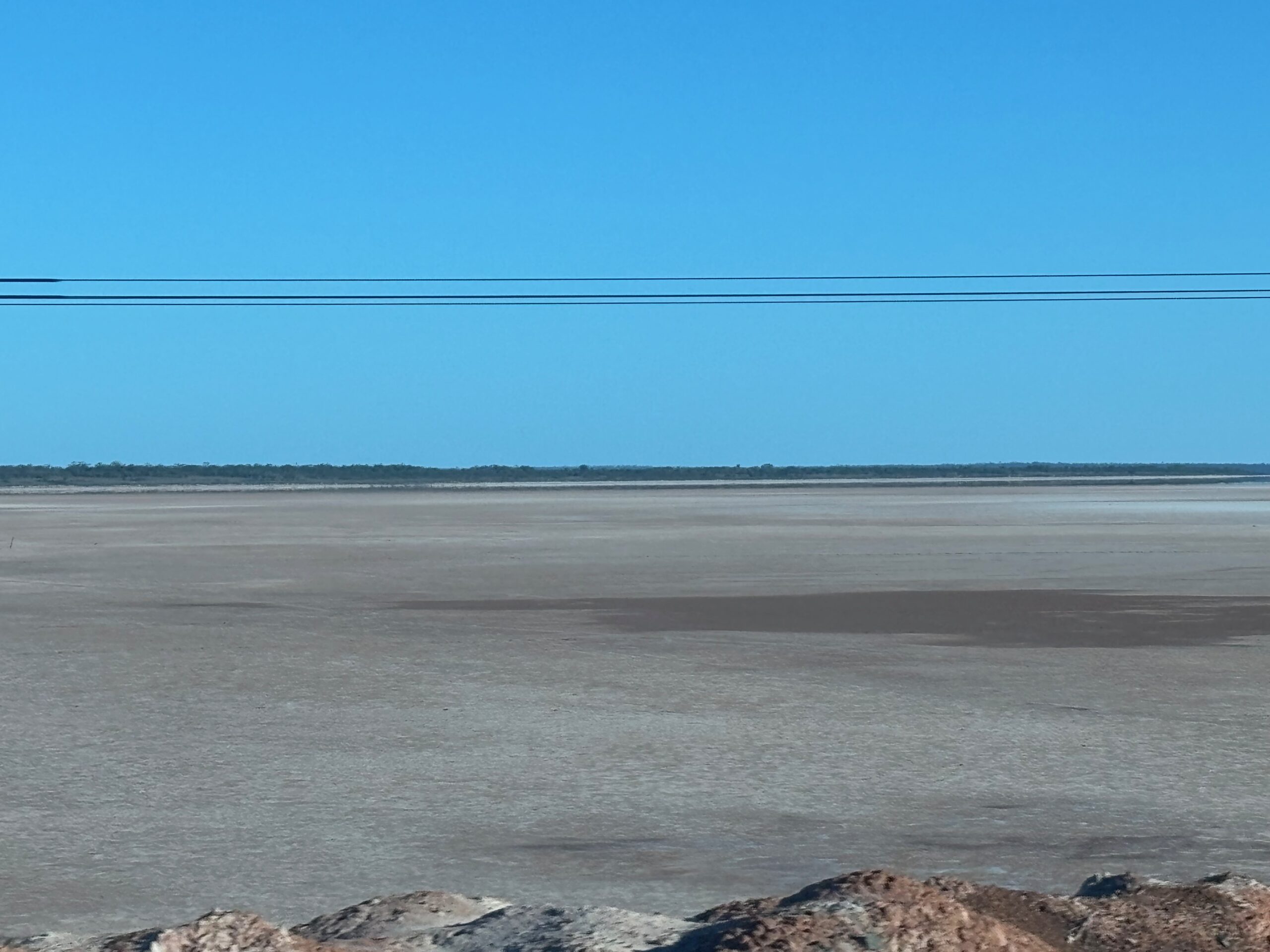
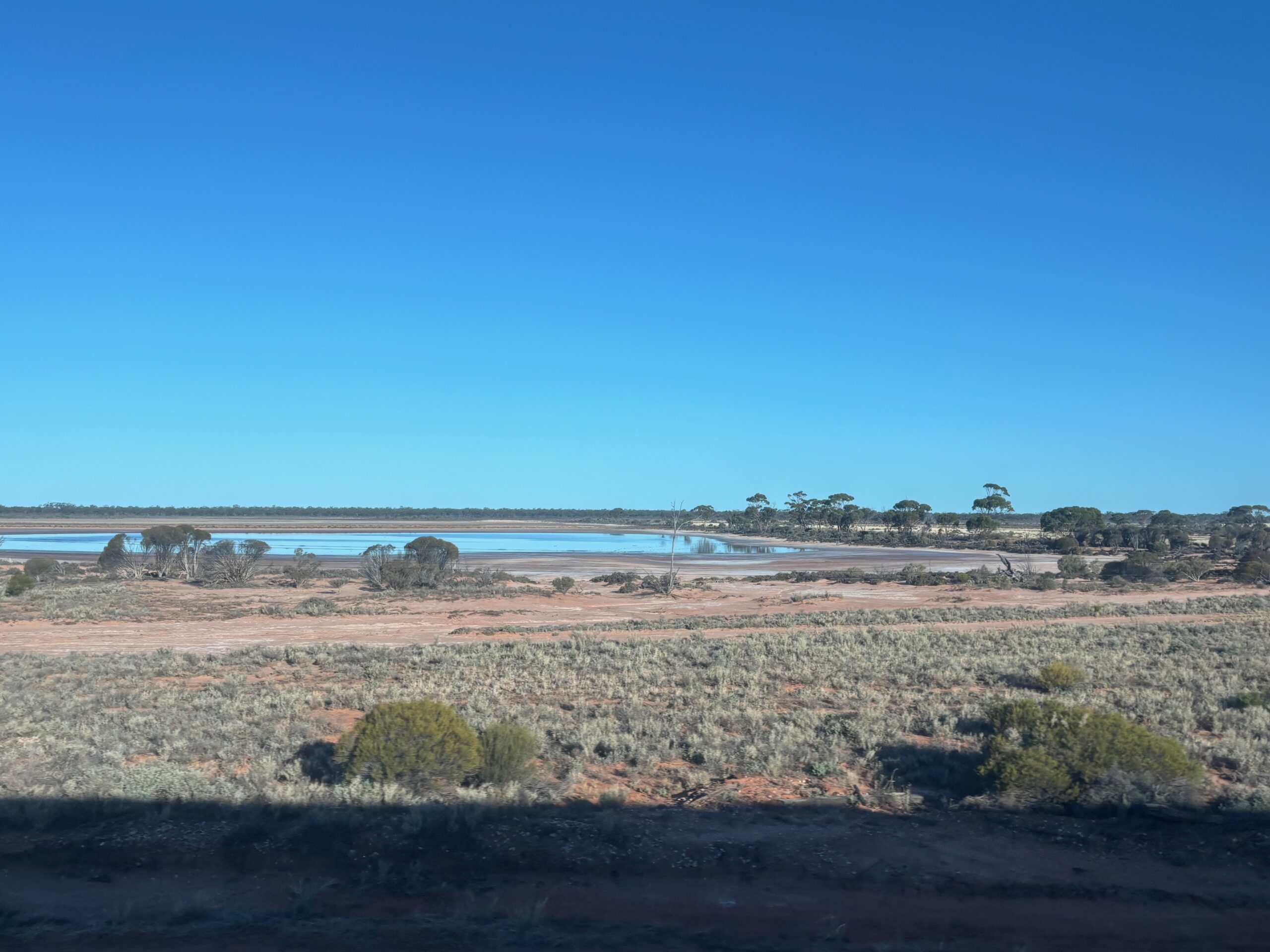
Further west, the scenery softened into classic WA wheatbelt with broad, cleared paddocks, grain silos, and mallee scrub.
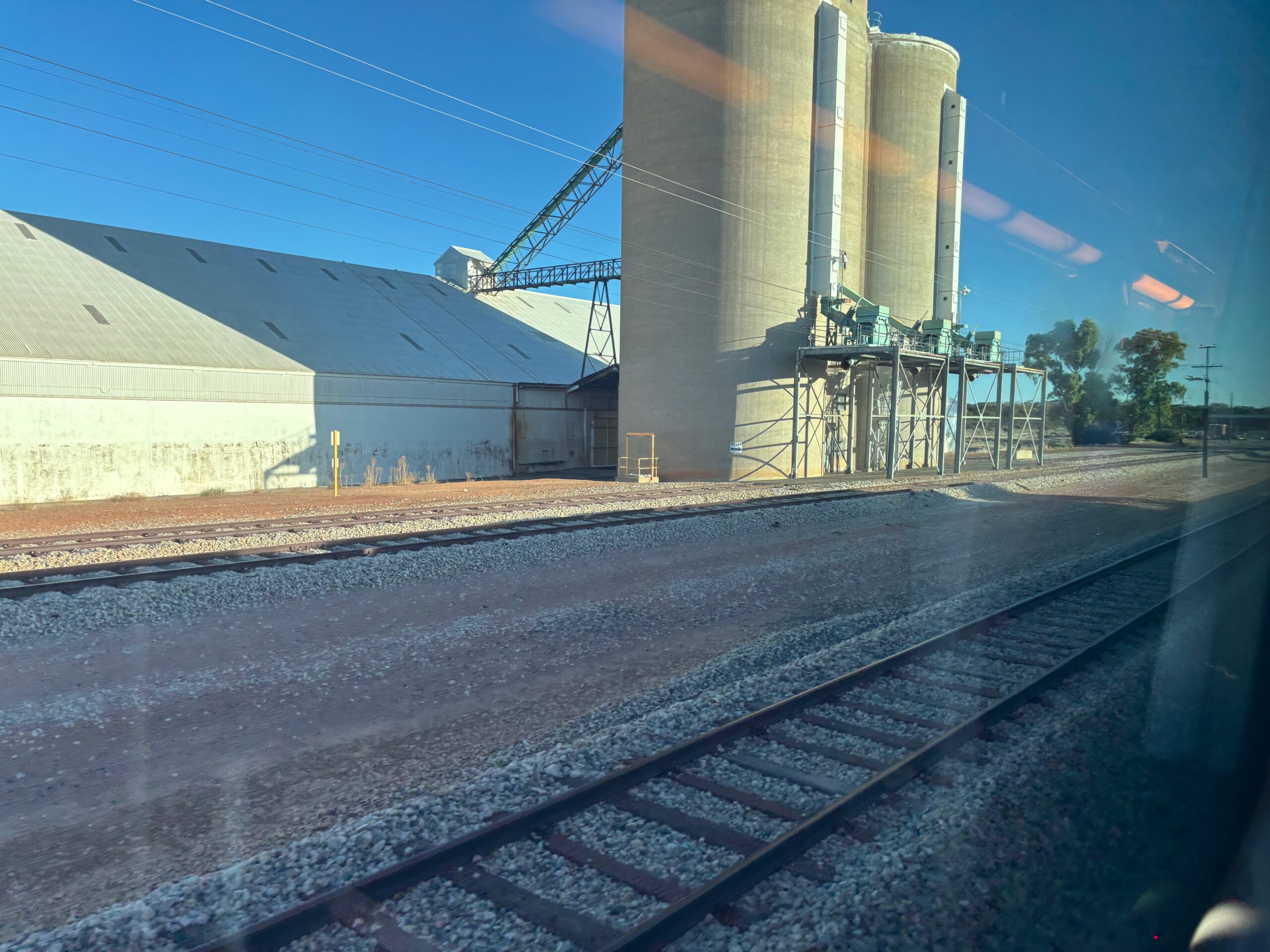
Near Northam and Toodyay, where the sun began setting, the line dropped into more varied, greener country with river valleys, larger trees and low hills. By Midland and into the Perth basin, the view shifted again to suburbs. For some reason, we crawled from Toodyay to Midland, where I exited. We ended up being 23 minutes late at my stop. From there, the Prospector continued 14 km (8 miles) to its East Perth terminus.
Conclusion and Journey Rating
For a state that does almost everything by car or plane, The Prospector is a surprisingly comfortable and efficient way to cross a vast, sparsely populated chunk of Western Australia. It is not a luxury train, but the generous legroom, quiet ride, oversized windows and sense of remoteness make the journey feel far more interesting than an hour in a 737, especially if you care about railways! For travellers with time, a tolerance for long day trips and an interest in seeing how Western Australia actually looks, this journey is well worth it. Journey Rating: 83%

Leave a Reply