I wasn’t sure what to expect from Riga. I’d heard it described as “small,” which completely undersells it. This city punches above its weight. Great architecture everywhere, working markets, good food, more affordable than much of Europe, and centeuetsi if history you can still see and feel on every street. Not a blockbuster destination, but genuinely enjoyable. I visited in winter, which surprised everybody; I was glad I did.
Riga’s Complicated History
Founded in 1201 by German crusaders on the Daugava River, it became a wealthy medieval trading port linking Russia and Western Europe. The Old Town, with its guilds, warehouses, and churches, still exists and is listed on UNESCO’s World Heritage List. Over the centuries, Riga passed through Polish‑Lithuanian, Swedish and Russian rule. It experienced a 19th‑century boom that gave it a collection of beautiful, wide, tree‑lined boulevards, parks, markets and tram lines.
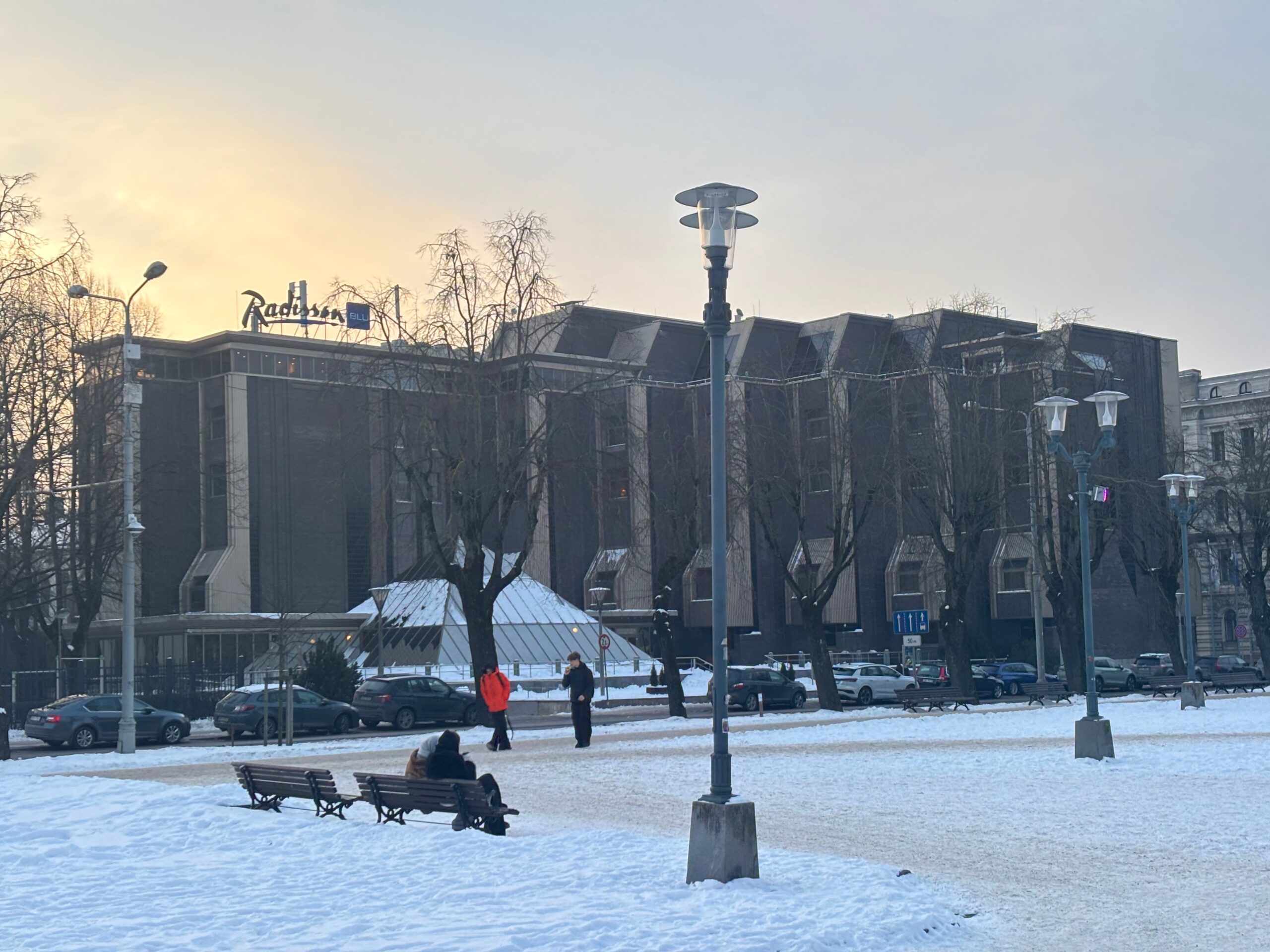
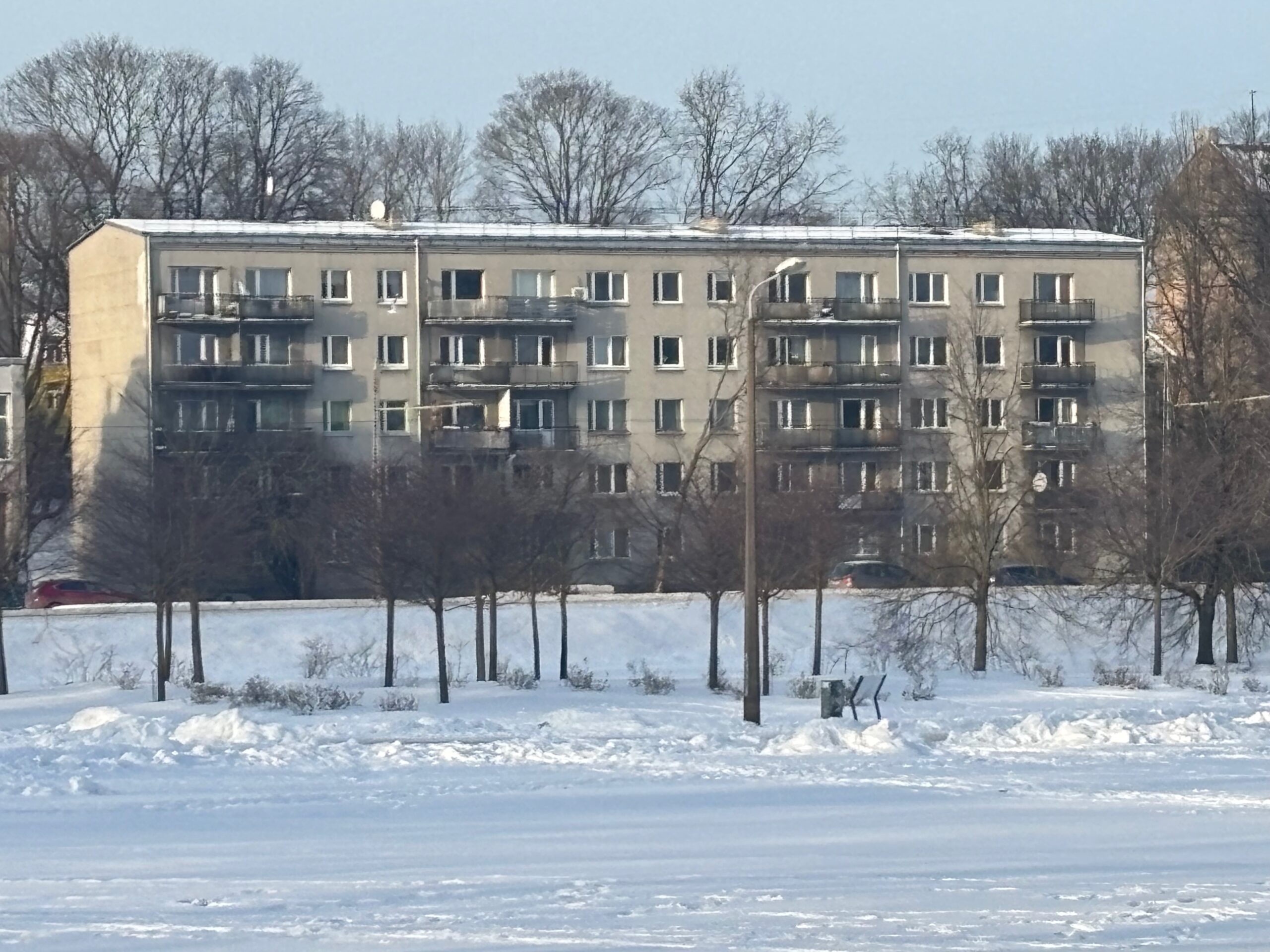
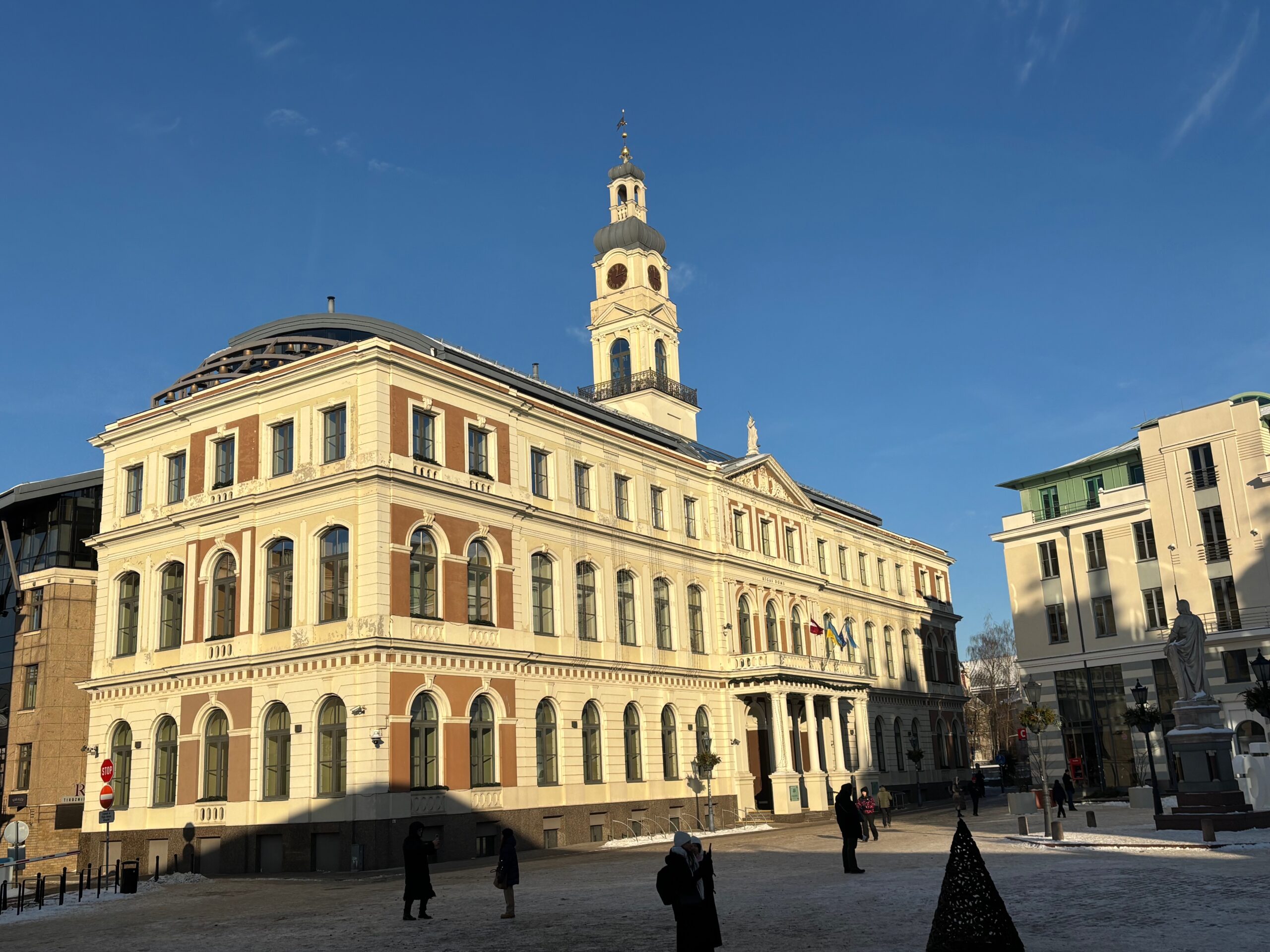
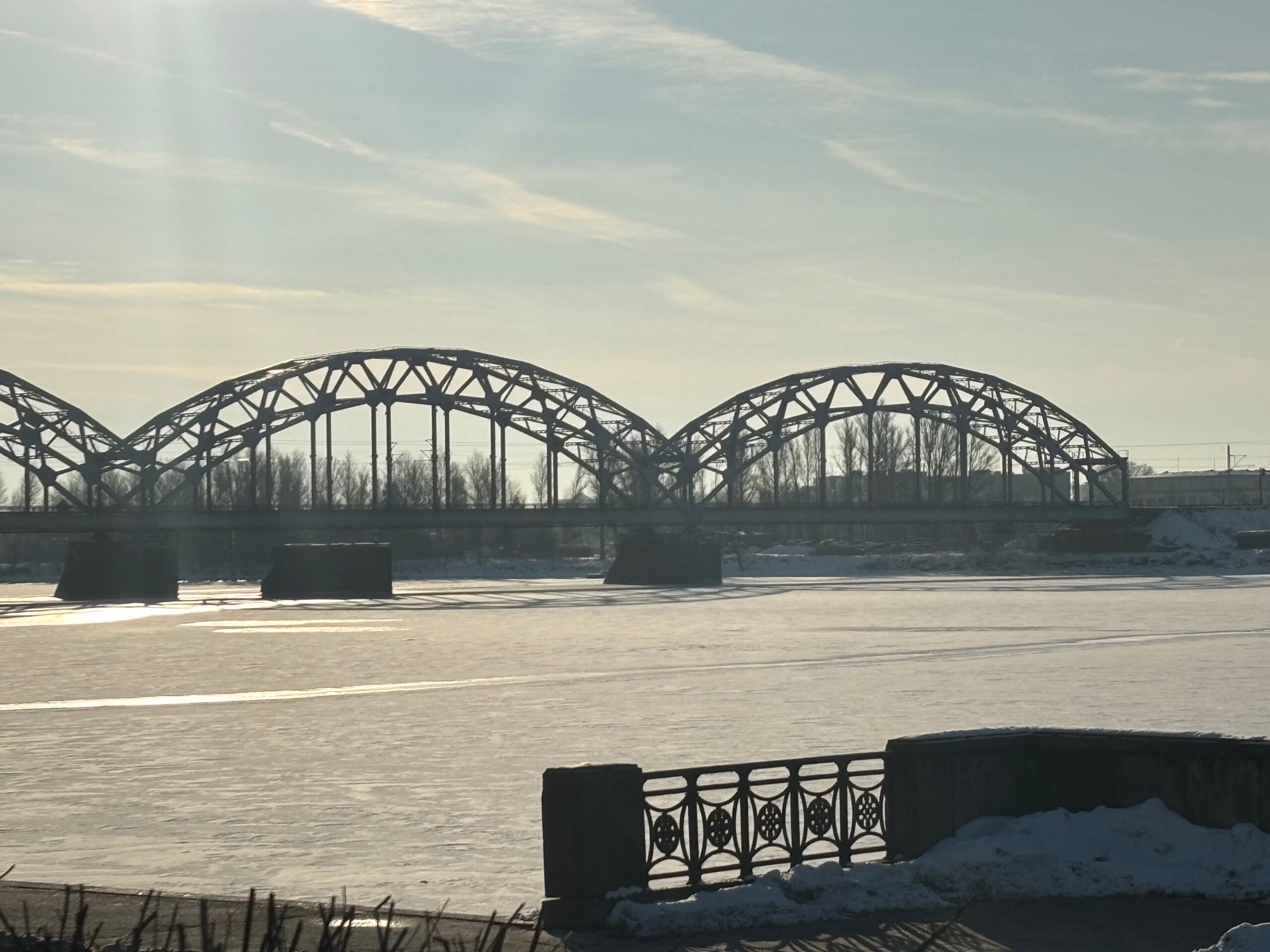
It became capital of a short‑lived independent Latvia from 1918 to 1940. Heavily bombed during the Second World War, it was rebuilt in the Socialist Republic style, with large factories and Soviet-style housing estates. Independence came in 1991 during the “Singing Revolution,” with Riga at the centre of barricades built by residents to defend key sites and stop a Soviet crackdown.
Geography
Riga sits on the southwest coast of Latvia, where the Daugava River flows into the Gulf of Riga, a part of the Baltic Sea. The city spreads across both banks of the river, connected by several bridges. It covers about 300 square kilometres and has a population of 600,000 (roughly one-third of Latvia’s total).
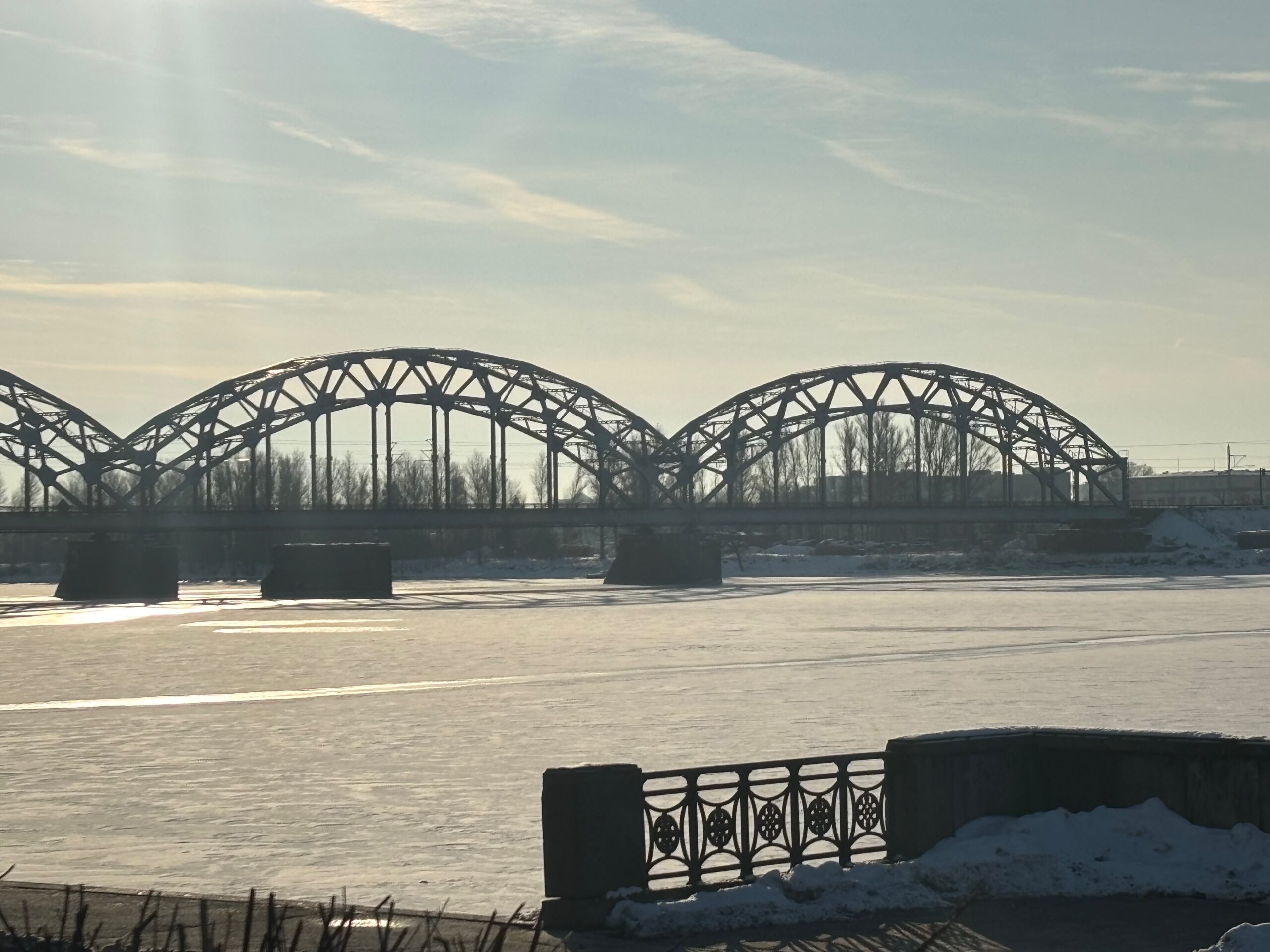
Vecrīga (Old Town) is the compact medieval core, sitting on the right bank in a triangle between the river and the canal ring. It covers about 1 square kilometre and is entirely walkable – you can cross it in 15-20 minutes.
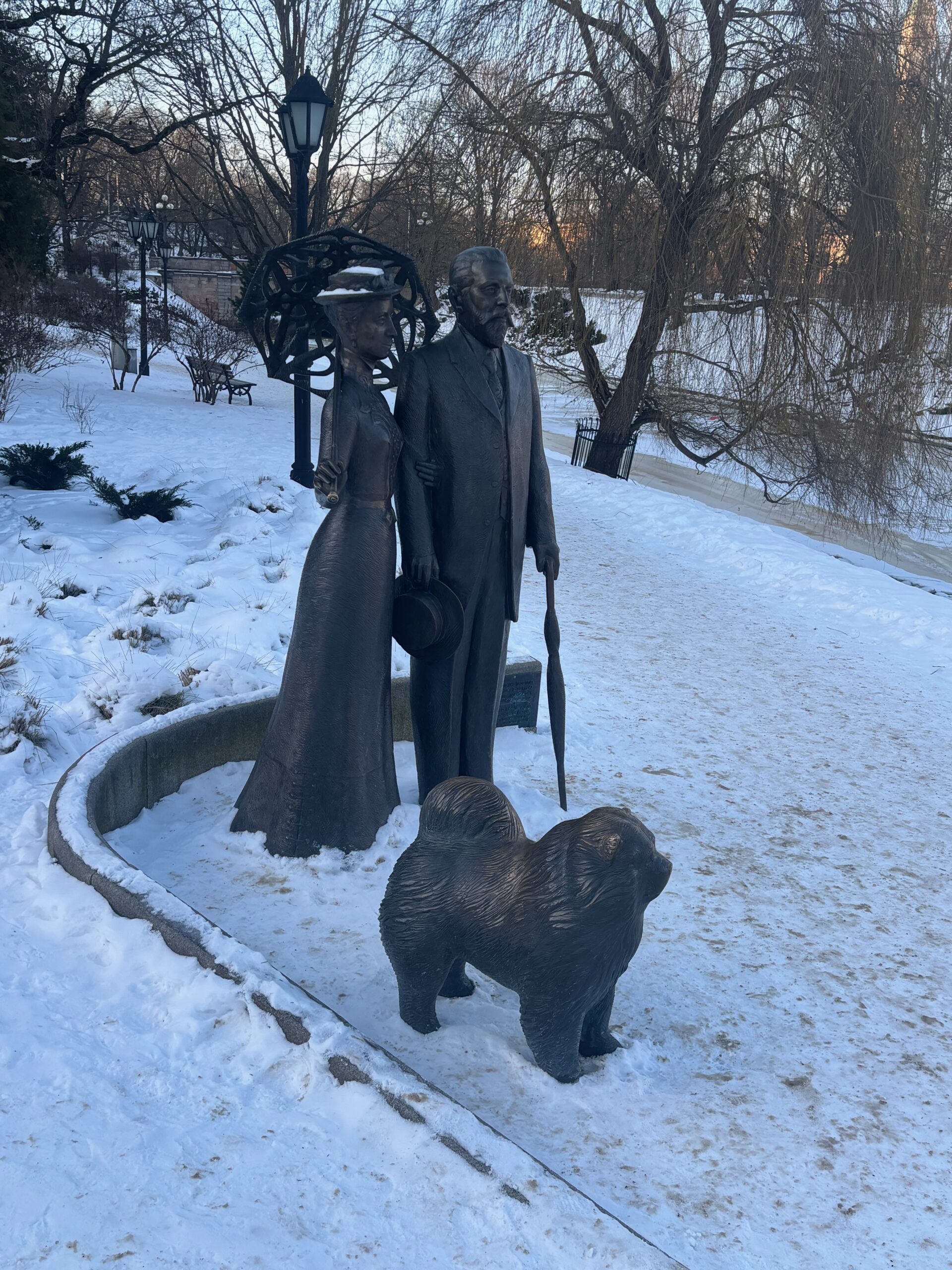
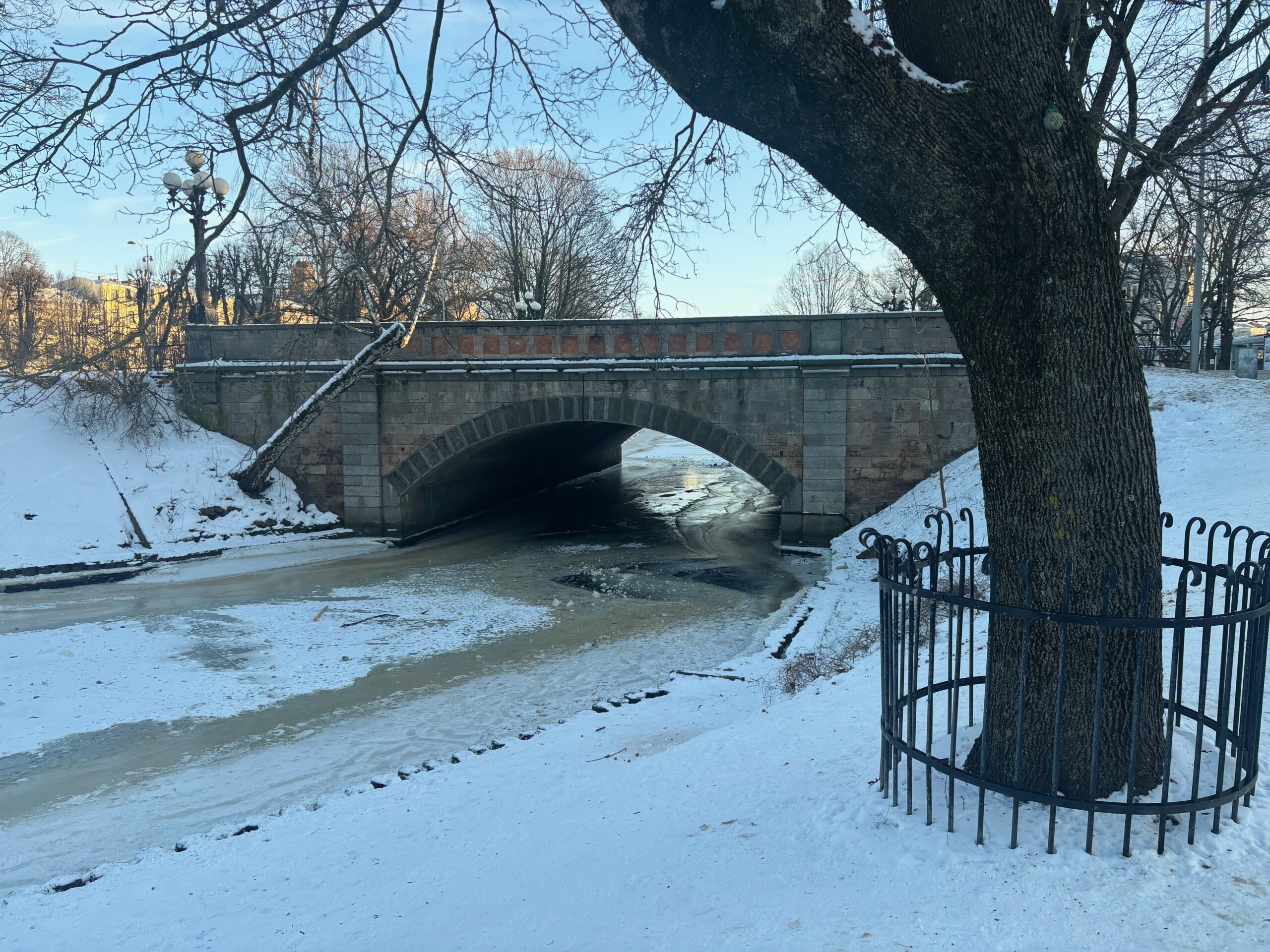
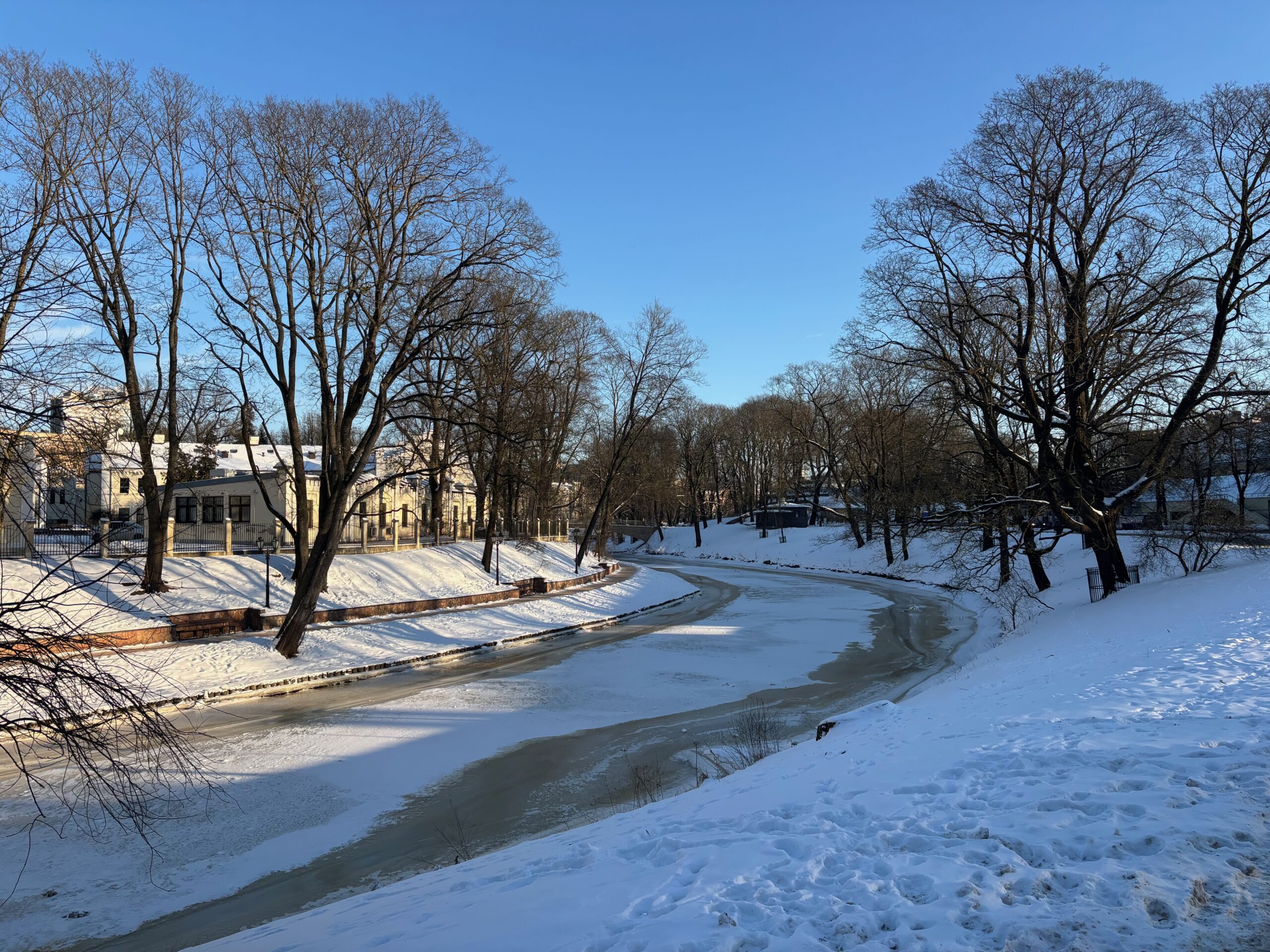
The Canal Ring wraps around Old Town, where the city walls once stood, now a green belt with parks (including Bastejkalns), tree-lined paths, ducks, and cafes. The Freedom Monument sits here, Latvia’s most important national symbol.
Art Nouveau District lies just north of Old Town, centred on Alberta iela and Elizabetes iela. Over 800 Art Nouveau buildings from the early 1900s make this Riga’s most visually striking area.
Central Riga goes beyond the canal with wide boulevards, the Central Market (2 km from Old Town), and mixed residential/commercial areas. Post-Soviet apartment blocks dominate much of this zone.
Pārdaugava (“over the Daugava”) refers to the left bank, including neighbourhoods such as Āgenskalns. Once neglected, now hip with renovated markets, indie cafes, and street art. Connected to Old Town by several bridges. Daugava Riverfront has a 10-15 km promenade for walking and cycling from Old Town to Ķengarags suburb. The river is about three times the width of London’s Thames. On the left bank sits a 65-metre observation wheel (opened 2025). Lucavsala Island sits in the river, 25 minutes’ walk from Old Town, with a swimming beach, volleyball courts, a wakeboarding park, and summer events.

My Top 12 Sights & Experiences
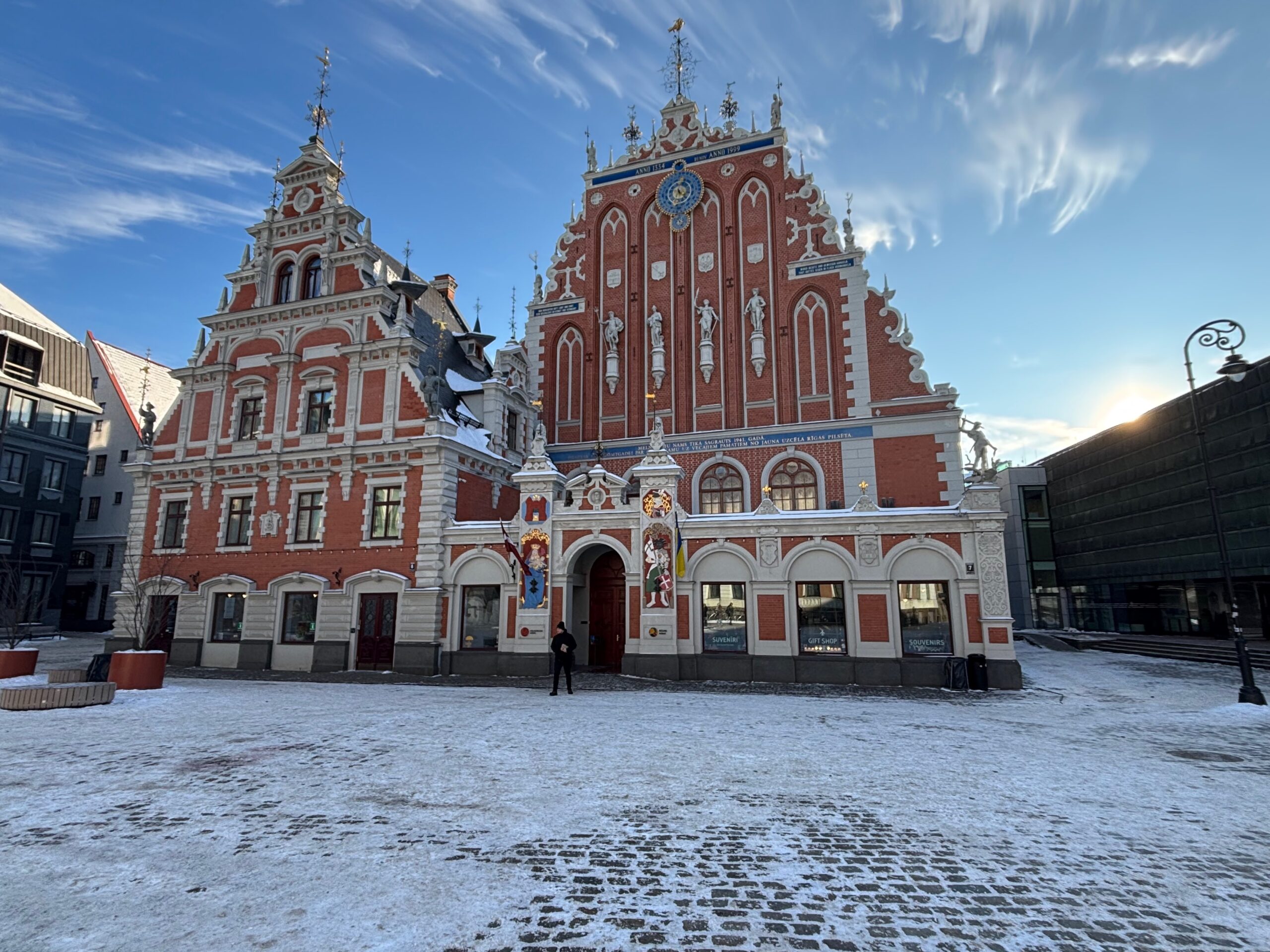
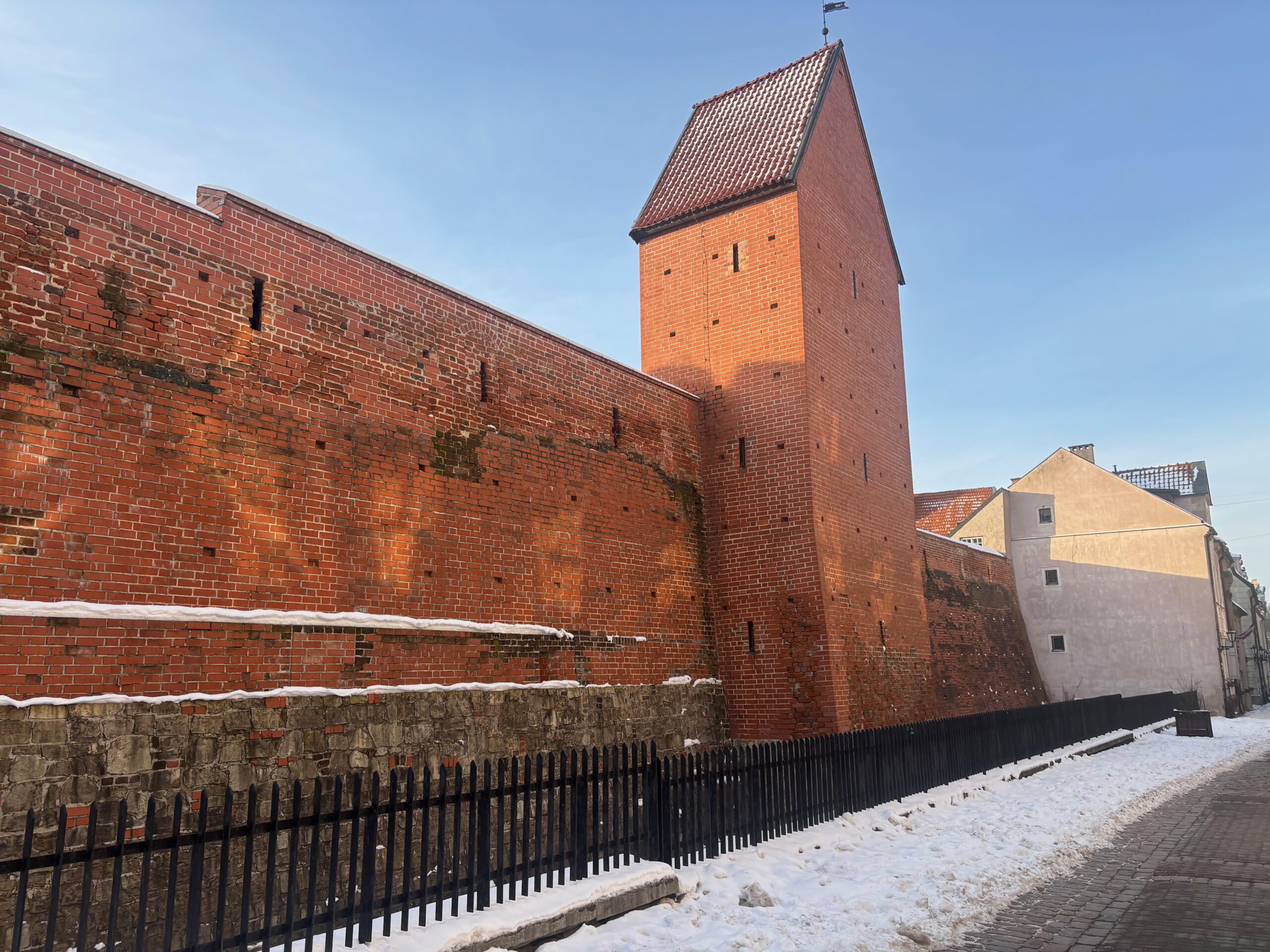
1. Vecrīga (Old Town) Riga’s UNESCO-listed Old Town packs guild houses, churches, and cobbled lanes into a compact triangle between the river and the canal. The medieval heart is touristy but genuinely beautiful. The House of the Blackheads dominates Town Hall Square with its flamboyant, gingerbread-style facade—reconstructed after WWII bombing, it’s one of the city’s most photogenic spots. St. Peter’s Church offers tower views (worth the climb), and Riga Cathedral anchors Dome Square. In summer, go early in the morning or late in the evening to avoid heat and crowds.
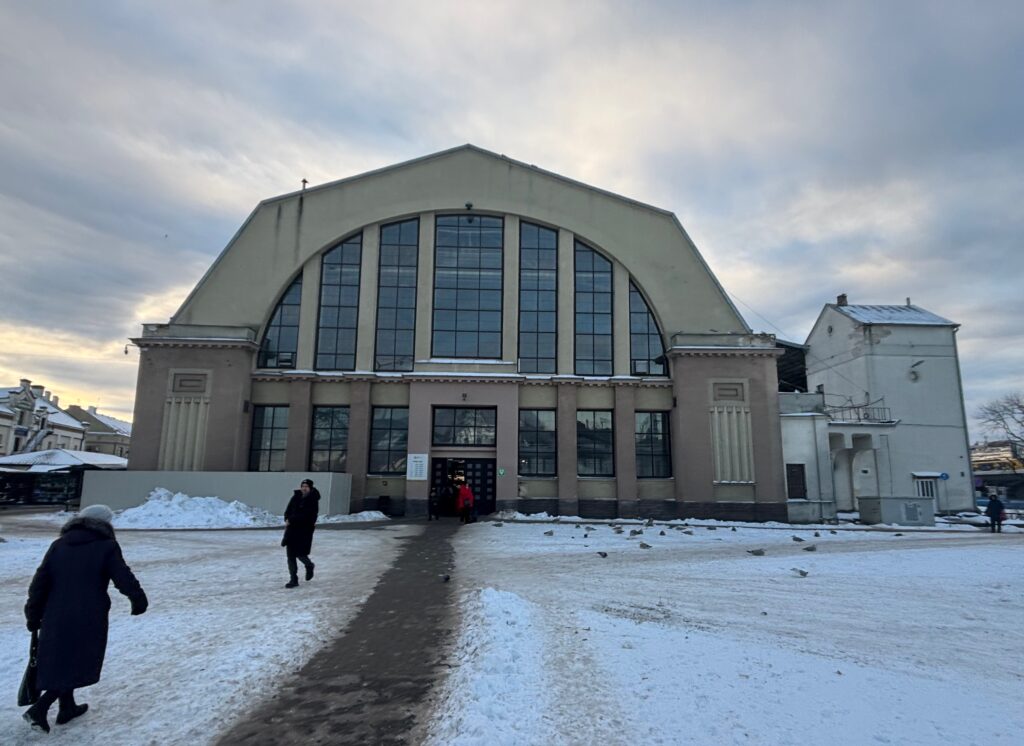
2. Riga Central Market Built in the 1920s by recycling German WWI Zeppelin hangars, this World Heritage-listed market is a striking mix of Neoclassical and Art Deco.
The Soviets nationalised it as the “Central Kolkhoz Market”. In the 1960s, up to 100,000 people queued on weekends to buy food. Now back to its original name, the market has five hangars: meat, fish, dairy, vegetables, and a renovated gastronomy pavilion that’s been transformed into a welcoming 21st-century food hall.
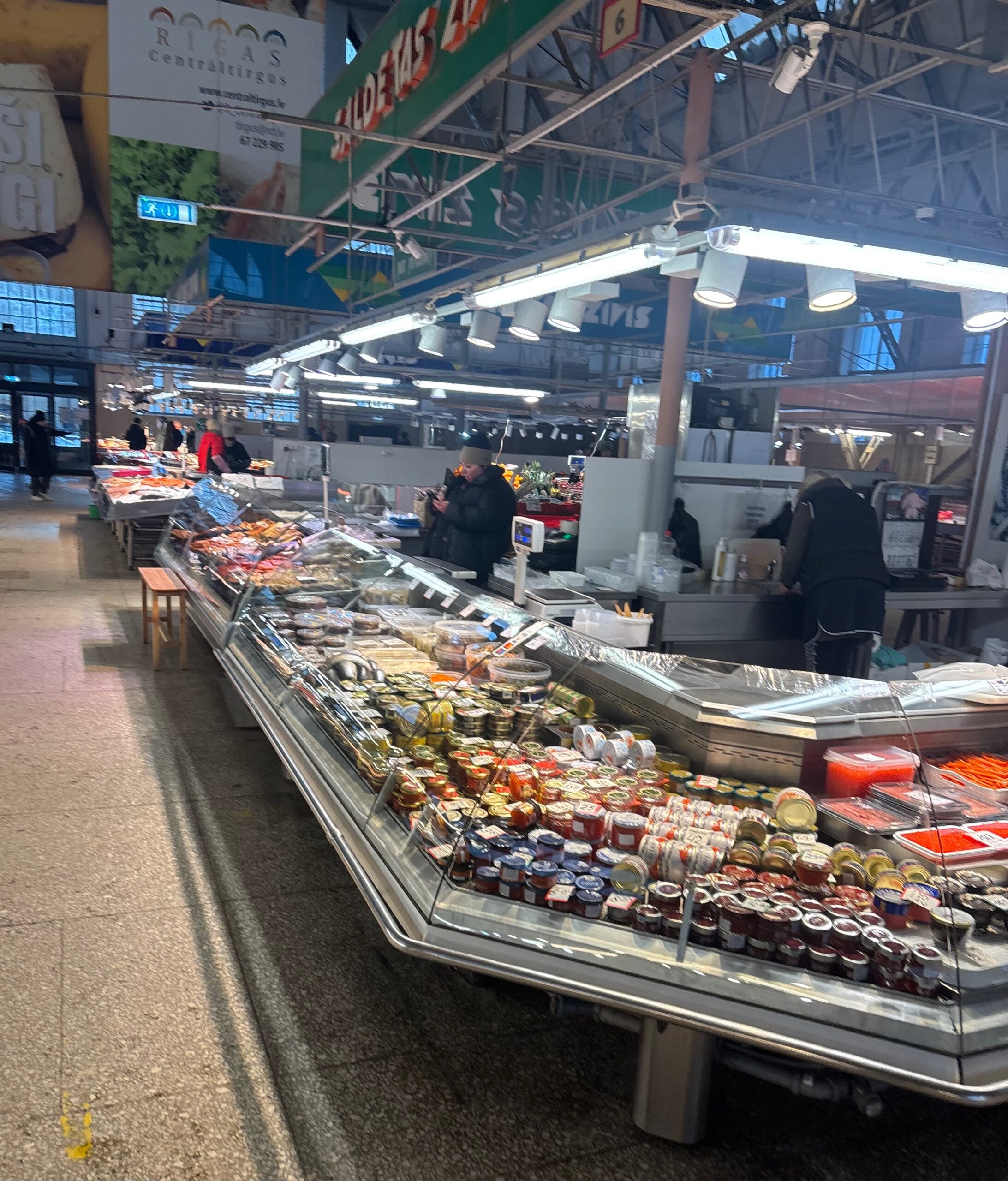
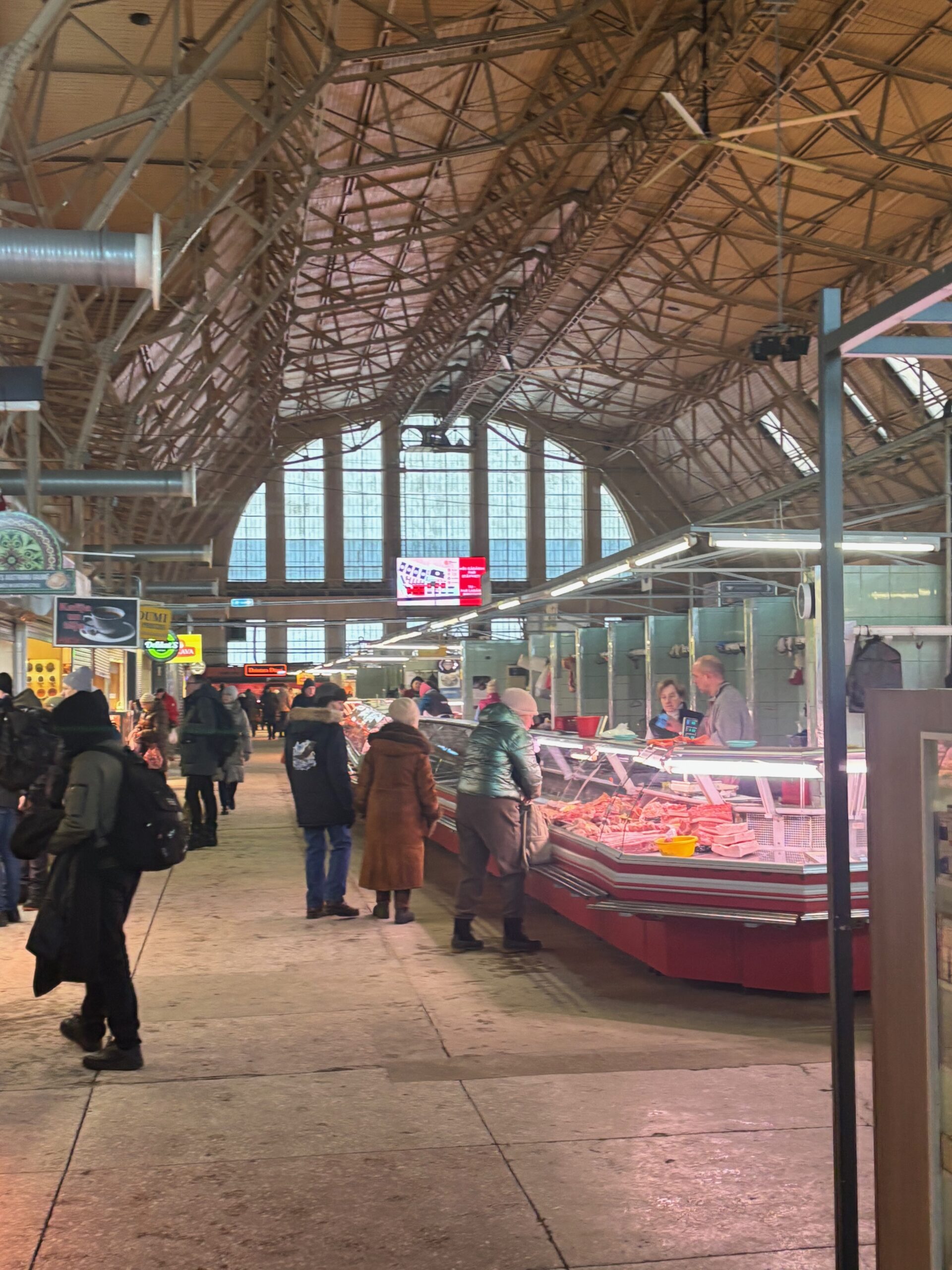
Walking through, there’s a slightly serious, almost glum mood: regulars shopping with purpose, stallholders more no-nonsense than warm. It gave me a lingering sense of the Soviet-era atmosphere. One stall sold only Russian sweets and chocolates at prices around three times higher than in 2019 (inflation, war, or both?). The market is undergoing transformation by 2030 as a new Rail Baltica station opens next door. Essential to visit, but go with realistic expectations. It’s not a polished food hall; it’s a real working market with rough edges. Grab some pīrāgi (bacon-filled pastries) and soak up the atmosphere. Just don’t expect anyone to smile while they’re selling you berries.
3. Art Nouveau District (Alberta iela & Elizabetes iela) Riga has one of the world’s highest concentrations of Art Nouveau architecture—over 800 buildings from the early 1900s. Walk Alberta, Elizabetes, and Strēlnieku streets to see wild, facades with faces, peacocks, masks, and Egyptian motifs. The flowing organic lines and elaborate decoration are genuinely stunning. The Riga Art Nouveau Museum gives you a preserved apartment interior to match the exteriors—great if you know nothing about the style (like me when I arrived).
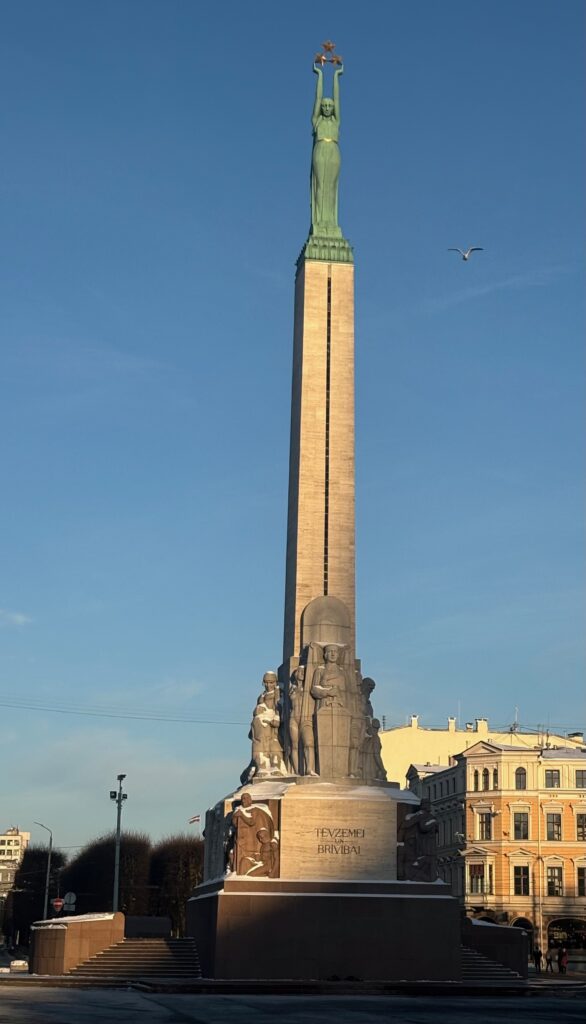
4. Freedom Monument & Canal Ring Parks
Latvia’s most important national symbol: a 42-metre granite and copper monument built in 1935 honouring soldiers killed during the Latvian War of Independence (1918-1920).
Guards stand watch, and locals lay flowers at its base. Essential to see it.
Behind it, the old city walls are now a lovely walking loop around the city centre—the canal ring has ducks, swans, cafes, and tree-lined paths. Bastejkalns (Bastion Hill) is a small park on a former defensive bastion. Very peaceful. In warmer months, small boats run along the canal.
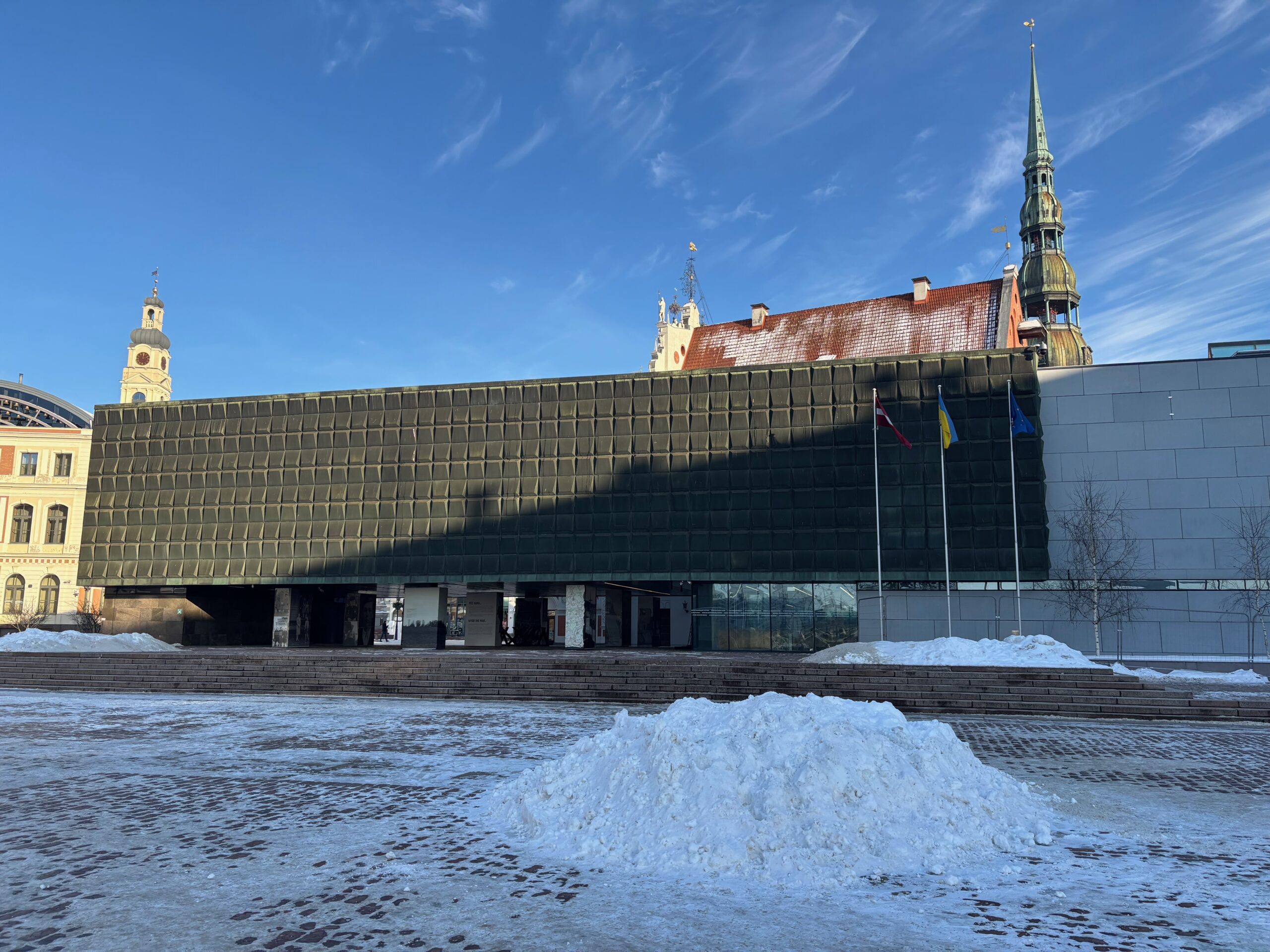
5. Museum of the Occupation of Latvia. Essential for understanding modern Latvia. Covers the Soviet and Nazi occupations (1940-1991), deportations, resistance, and independence. Similar emotional weight to the KGB Building (see below. You need to understand this history to understand the city today.
6. Riga’s Two Great Cathedrals Riga Protestant Cathedral (Lutheran, dating to 1211) is one of the largest medieval churches in the Baltics. Religious services were prohibited during Soviet occupation (1939-1989), and it was used as a concert hall. Its organ has 6,768 pipes and still hosts regular concerts. There’s an entry fee, but the climb to the top offers great city views.
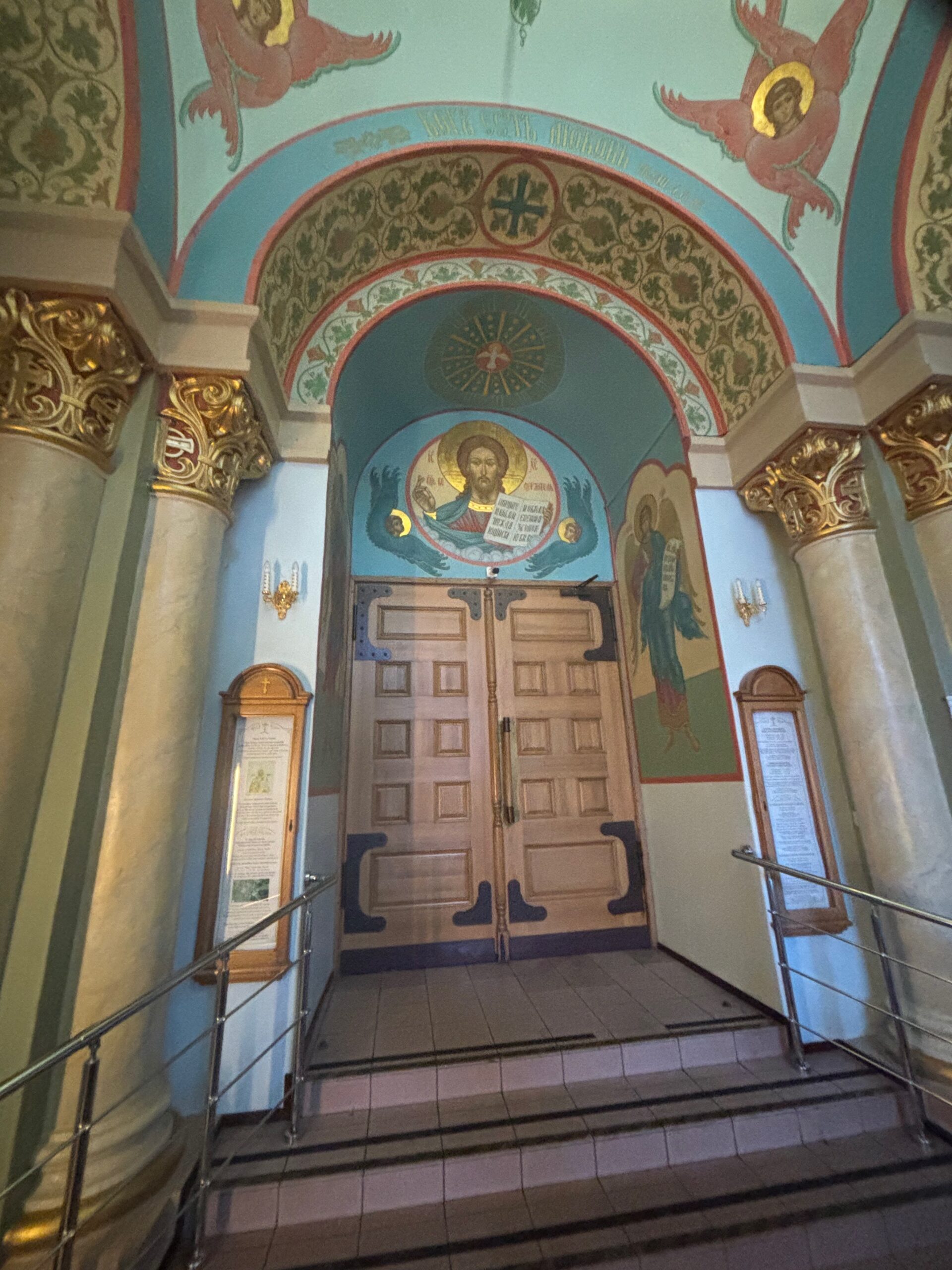
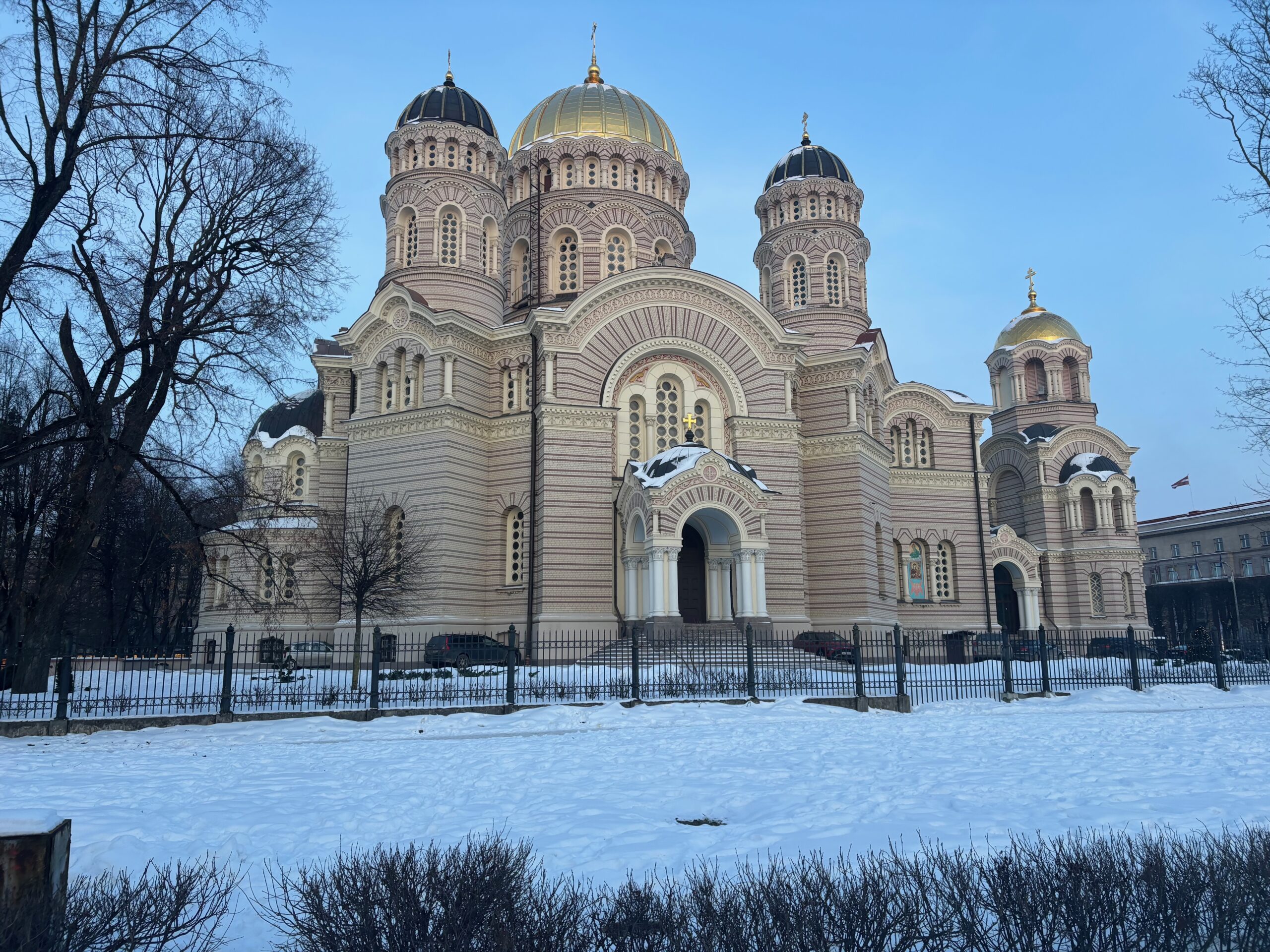
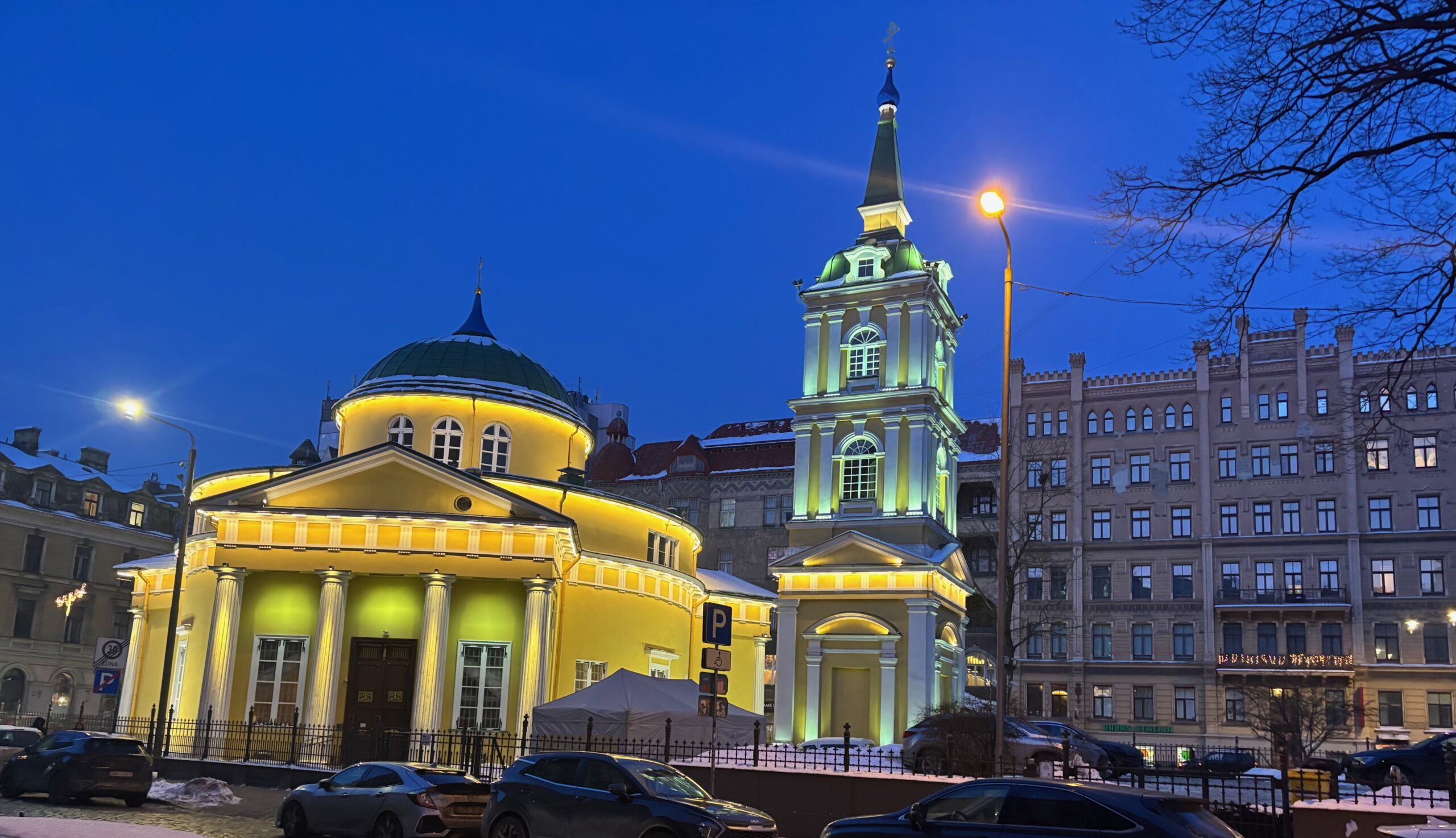
A few streets away, the Nativity of Christ Russian Orthodox Cathedral explodes with colour: golden onion domes, ornate Byzantine interiors, built in 1883 when the Russian Empire controlled Riga. Today, approximately 19% of Latvia’s population identifies as Russian Orthodox. Free to enter, but taking photos is not welcome. Church members and leaders want people to pray, not gawk or distract. There’s a gift shop packed with Orthodox books, icons, and statues. If you like Eastern religious iconography, you’ll love it here.
7. KGB Building (“The Corner House”) A small, intense museum in the actual former KGB headquarters. You can see interrogation cells, learn about surveillance, deportations, and repression. Guided tours only. Chilling. Pairs naturally with the Museum of the Occupation.
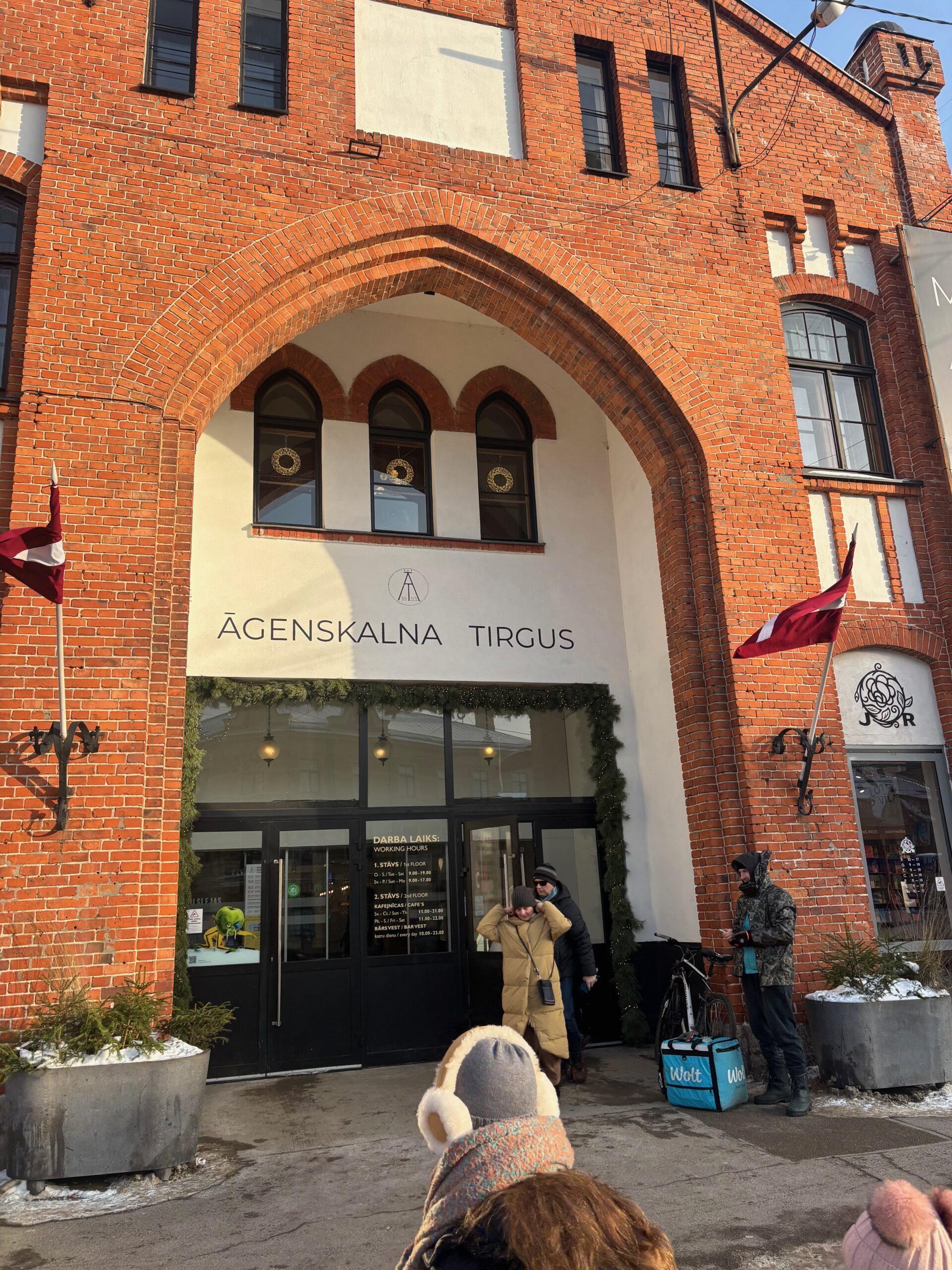
8. Pārdaugava Cross the river to explore Riga’s reputed hippest neighbourhood. The area has been undergoing a revival with indie cafes, street art, and restored shops. The striking Pārdaugava Cathedral (also called Āgenskalns Church), a red-brick Lutheran church built in 1906, is worth a visit.
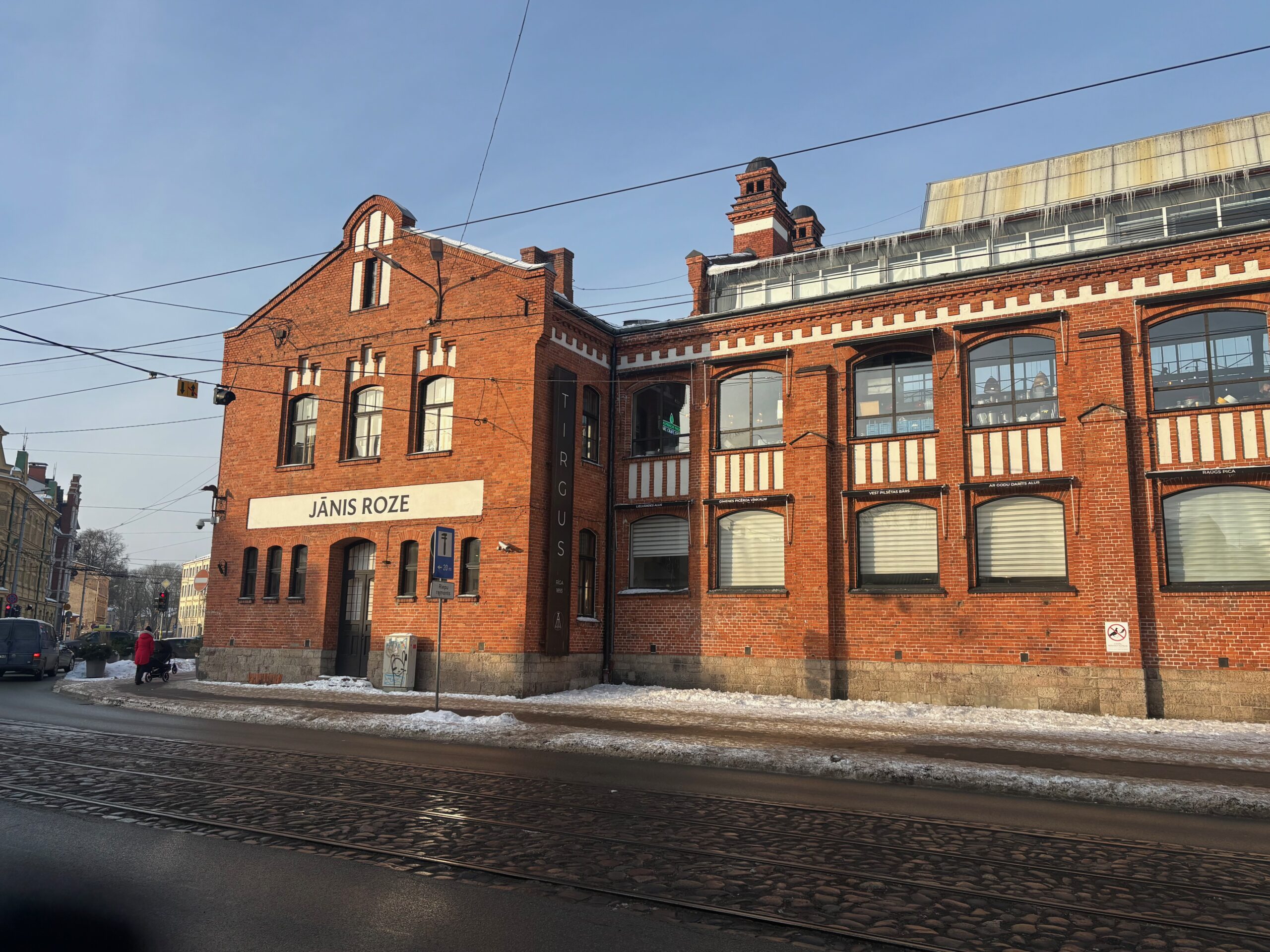
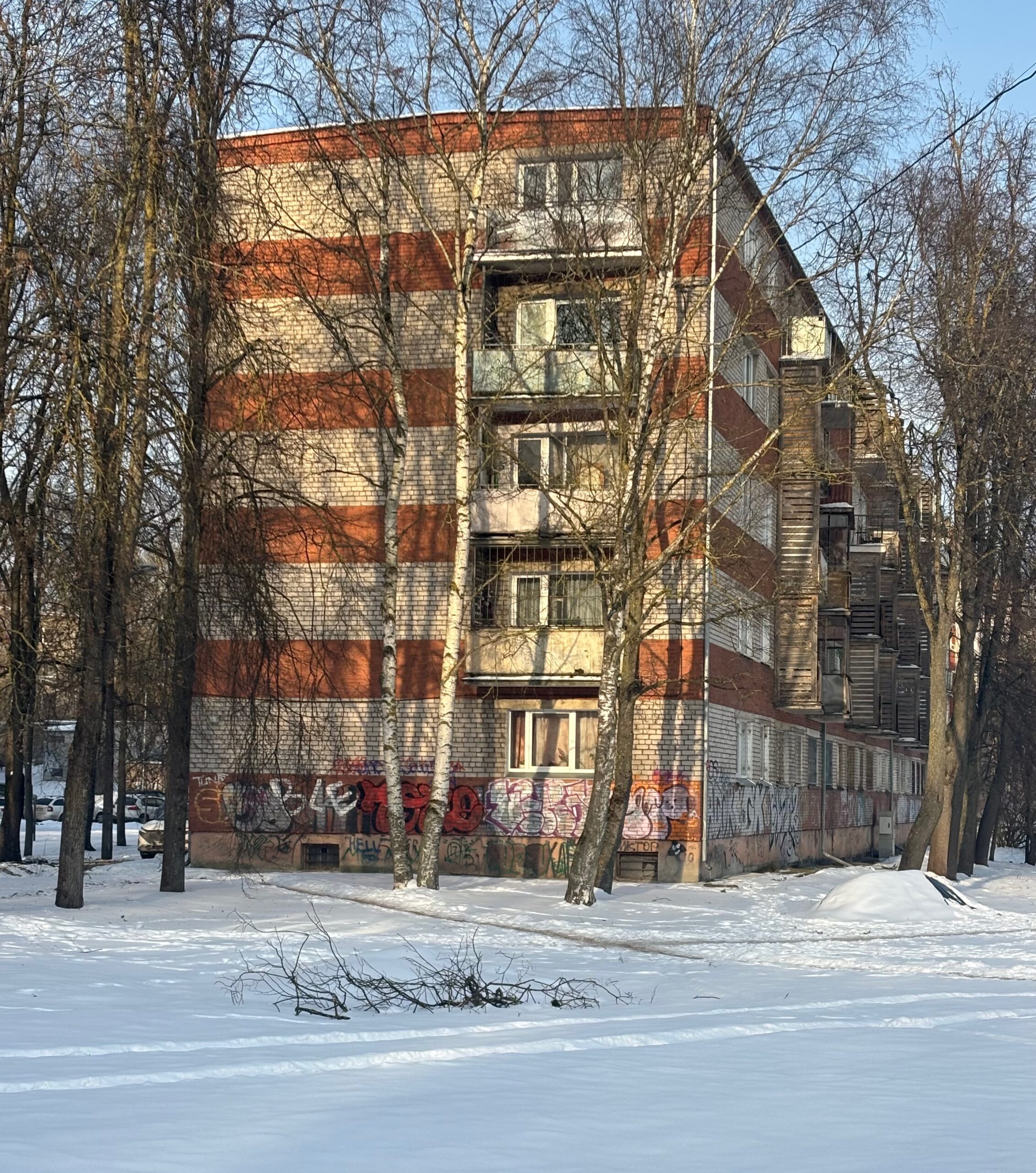
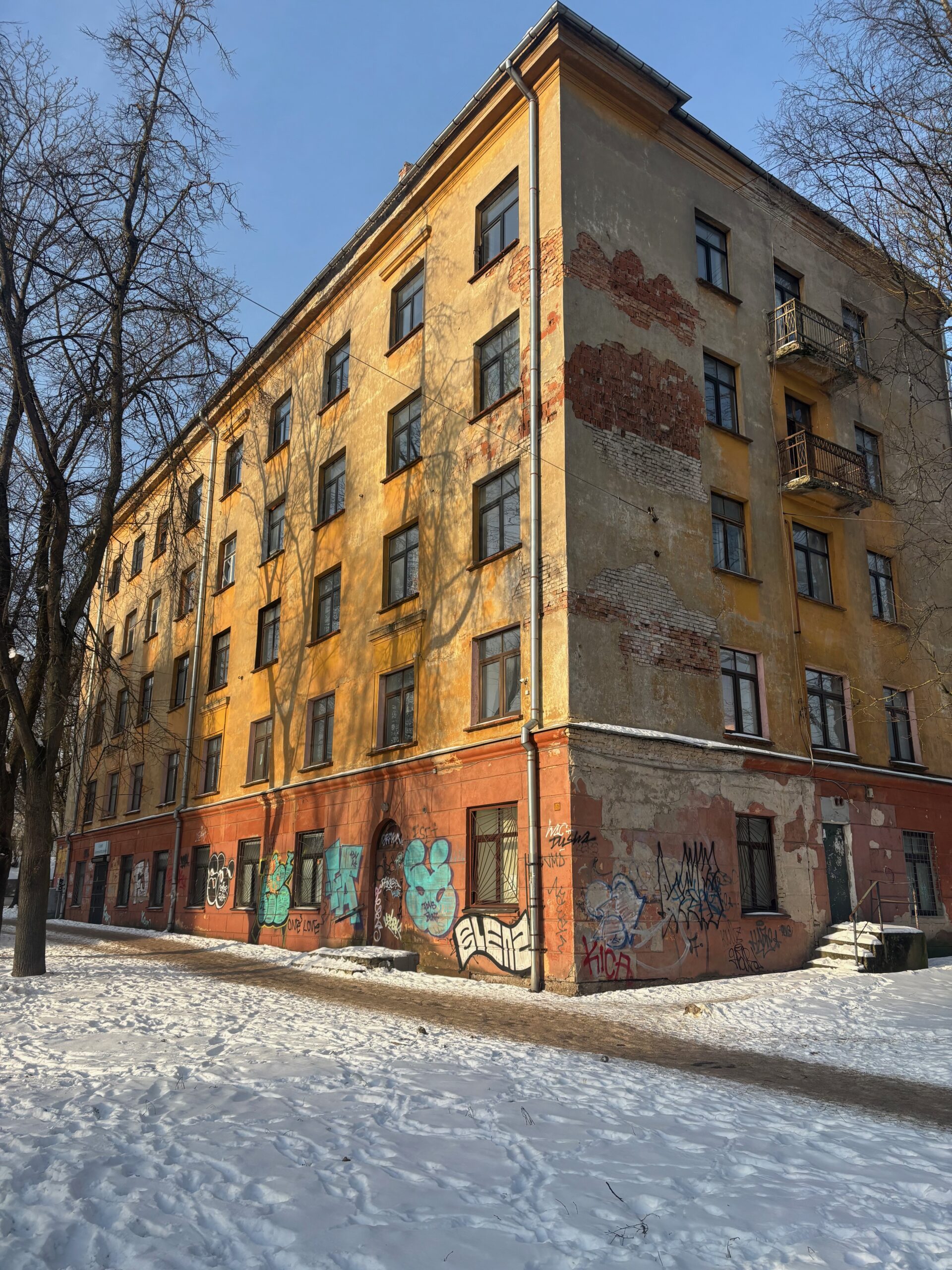
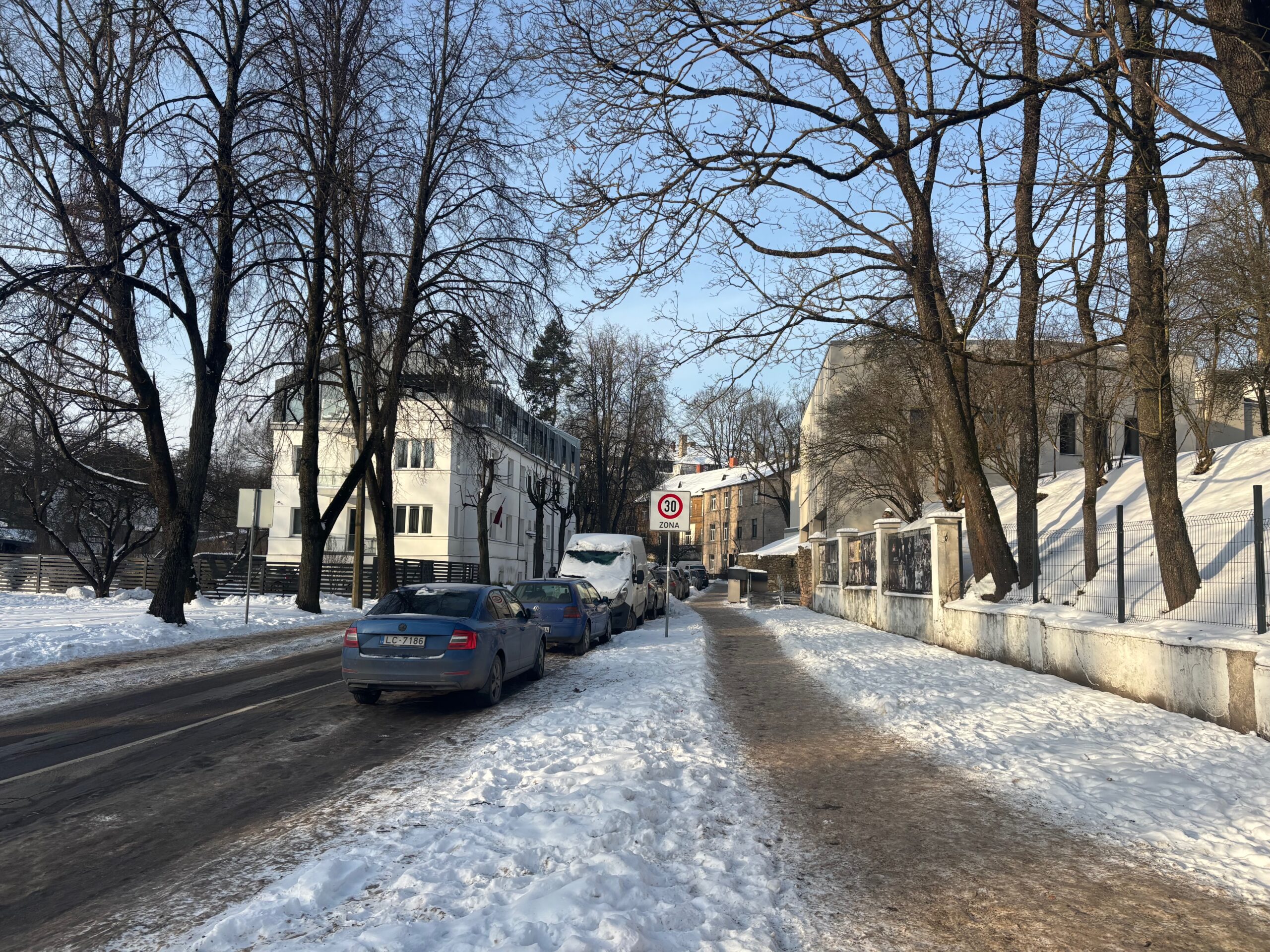
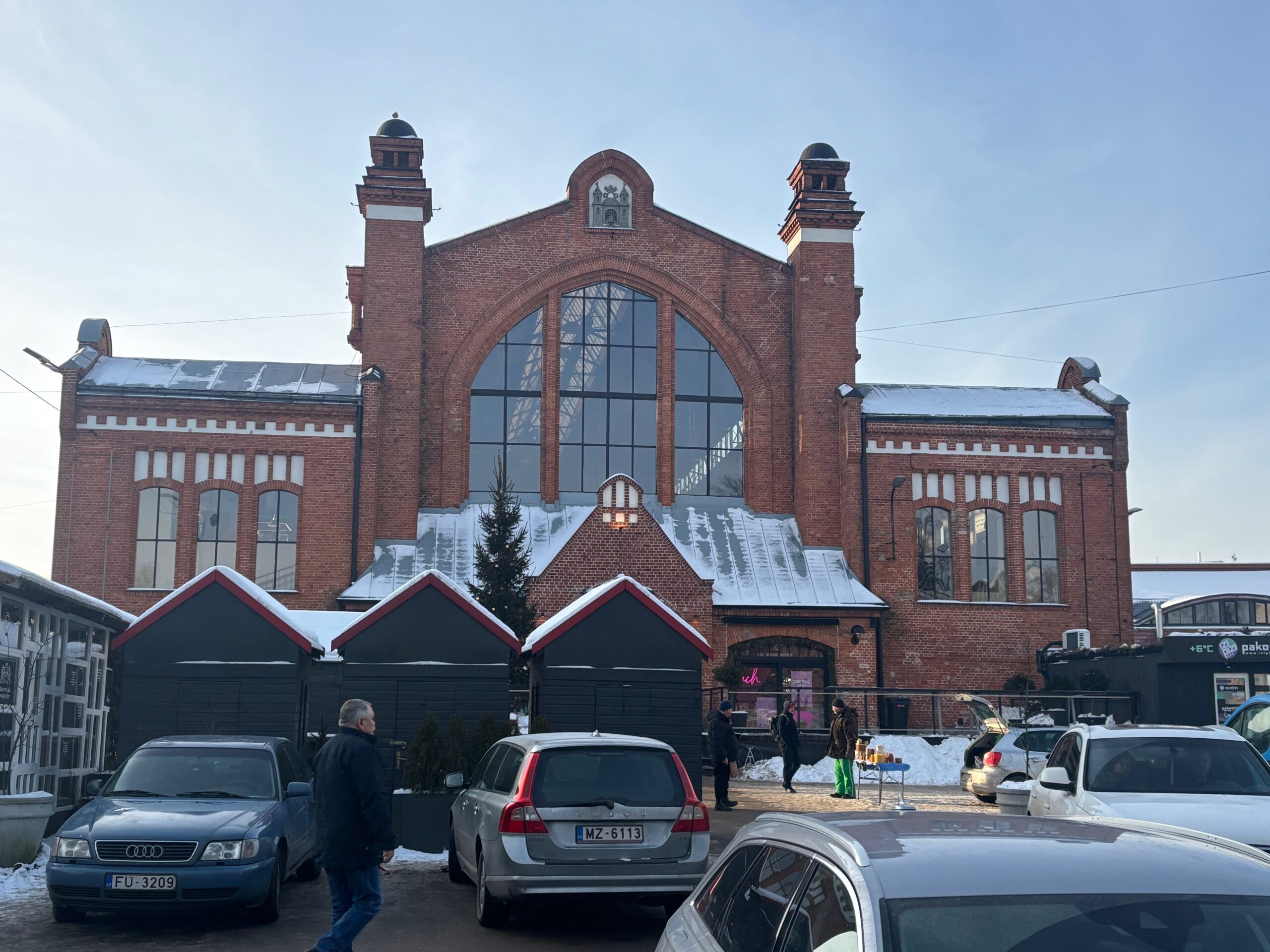
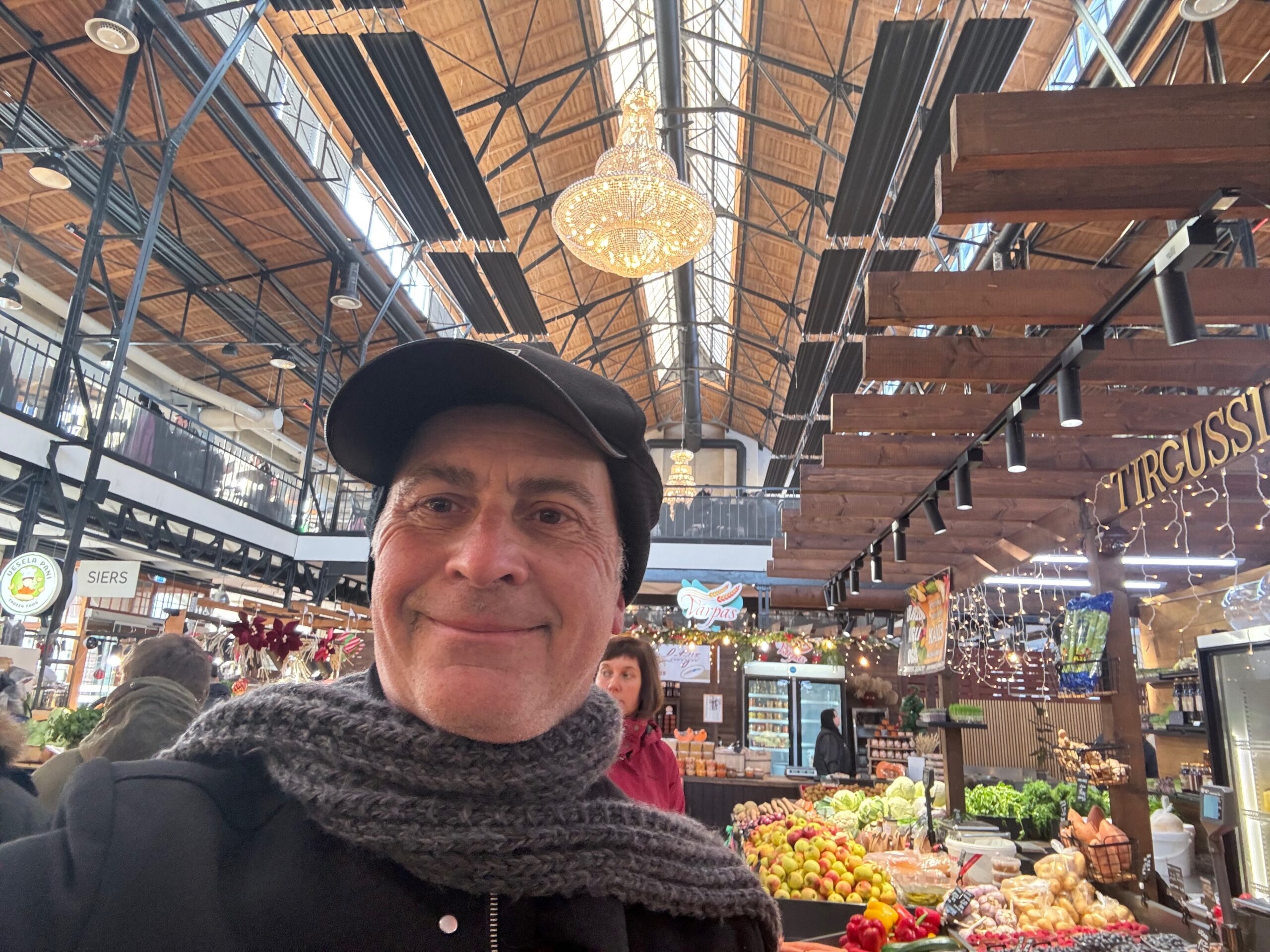
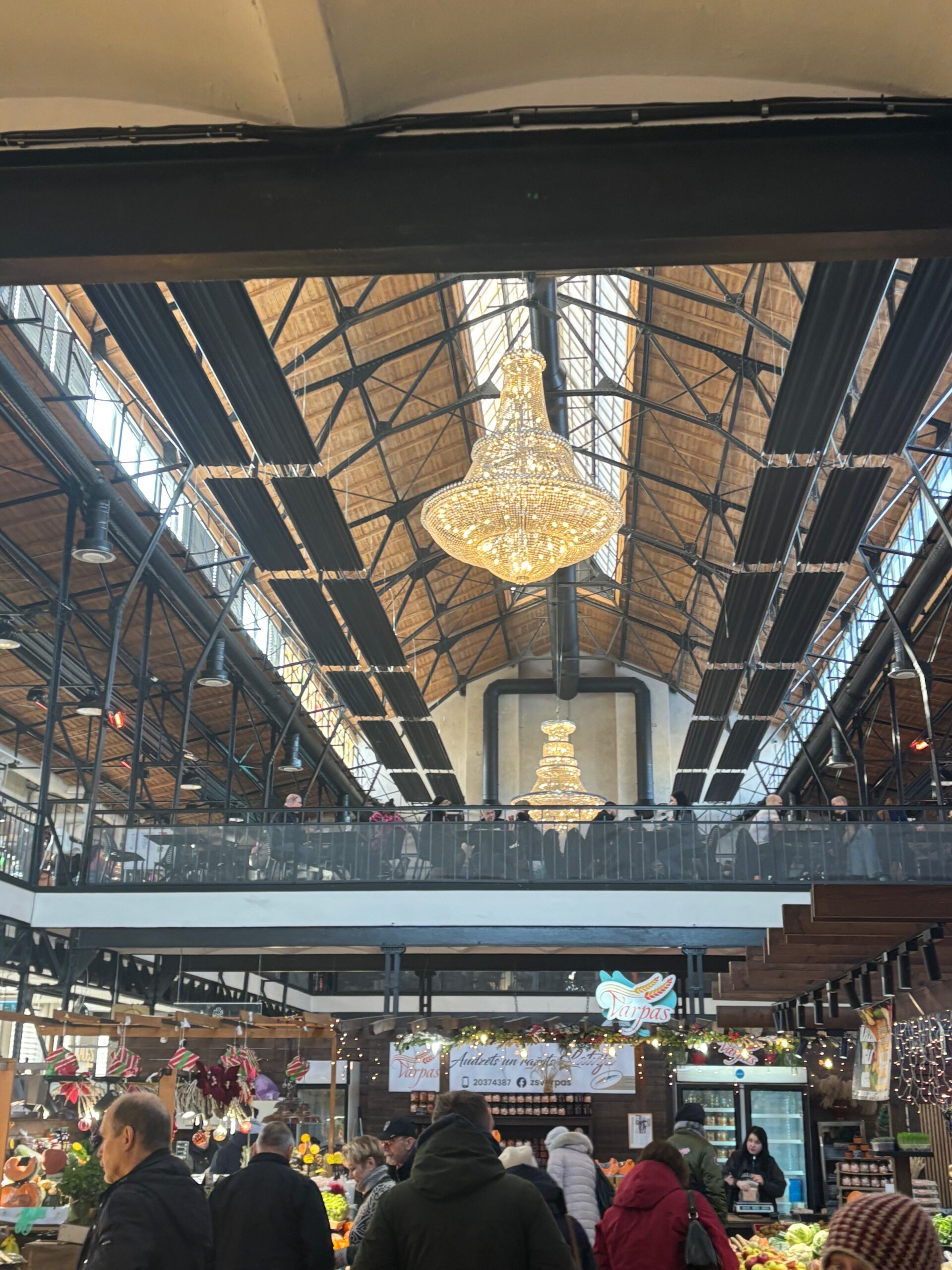
One highlight was the renovated 1898 red-brick Āgenskalns Market—farmers’ stalls downstairs, lovely cafes and wine bars upstairs with a very local, friendly vibe. It nearly fell apart in the post-Soviet years as the area declined into slums, but was beautifully restored around 2022.
9. Four Stunning Theatres The Latvian National Opera (UNESCO World Heritage Site) stands as the city’s grandest theatrical landmark on the canal-side, presenting nearly 200 performances per season at affordable prices. Latvian National Theatre (1902), also on the canal, is where independence was proclaimed in 1918. The eclectic building mixes Baroque, Art Nouveau, and classical elements—stripped of ornamentation during Soviet occupation, now restored. Mikhail Chekhov Riga Russian Theatre (founded 1883), the oldest professional Russian-language theatre outside Russia, where Mikhail Chekhov worked 1932-1934. The Splendid Palace (1923) is one of the grandest movie theatres I’ve seen—neo-Baroque with neo-Rococo interiors, ceiling paintings, sculptures, and chandeliers. Renamed “Kino Riga” during Soviet occupation, it reclaimed its original name and now focuses on arthouse programming. Weekly Sunday tours explore the building
10. The Three Brothers Three medieval houses side-by-side (15th, 17th, and 17th century) showing how Riga’s architecture evolved. Now an architecture museum. Small but charming.
11. Daugava Riverfront A long promenade stretching 10-15 km from Old Town to Ķengarags suburb for walking, cycling, and jogging. The Old Town section has a riverboat dock and benches for watching the water. The river is about three times the width of London’s Thames. That’s huge!
On the left bank of the Daugava, there is a 65‑metre observation wheel that only opened in 2025. Cabins look back across the river to the Old Town and modern city.
12. Lucavsala Island Just a 25-minute walk from Old Town, this river island has a safe swimming beach with lifeguards and changing cabins (people swim almost all year round!), volleyball courts, playgrounds, a wakeboarding park, a small cafe, and picnic areas. In summer, it hosts outdoor movies and concerts.
FURTHER AFIELD
1. Jūrmala Classic Baltic seaside resort 30-40 minutes from Riga by train. 24 km of pale sand beaches backed by pine forests and wooden Art Nouveau villas. In summer, apparently, it’s packed; off-season, it’s moody and beautiful
2. Ķemeri National Park, Latvia’s third-largest park, 45 minutes from Riga. The Great Ķemeri Bog Boardwalk (3.4 km, with a shorter 1.4 km option) takes you through raised bogs, dark pools, carnivorous sundew plants, and excellent birdwatching. Bring mosquito repellent in warmer months.
3. Ogre Blue Hills Protected nature park, 30 minutes by train from Riga, with forested hills, hiking trails, and a 30-metre observation tower offering panoramic views. In winter, there’s a 12 km illuminated cross-country ski track.
PLANNING YOUR TRIP
How to get to Riga
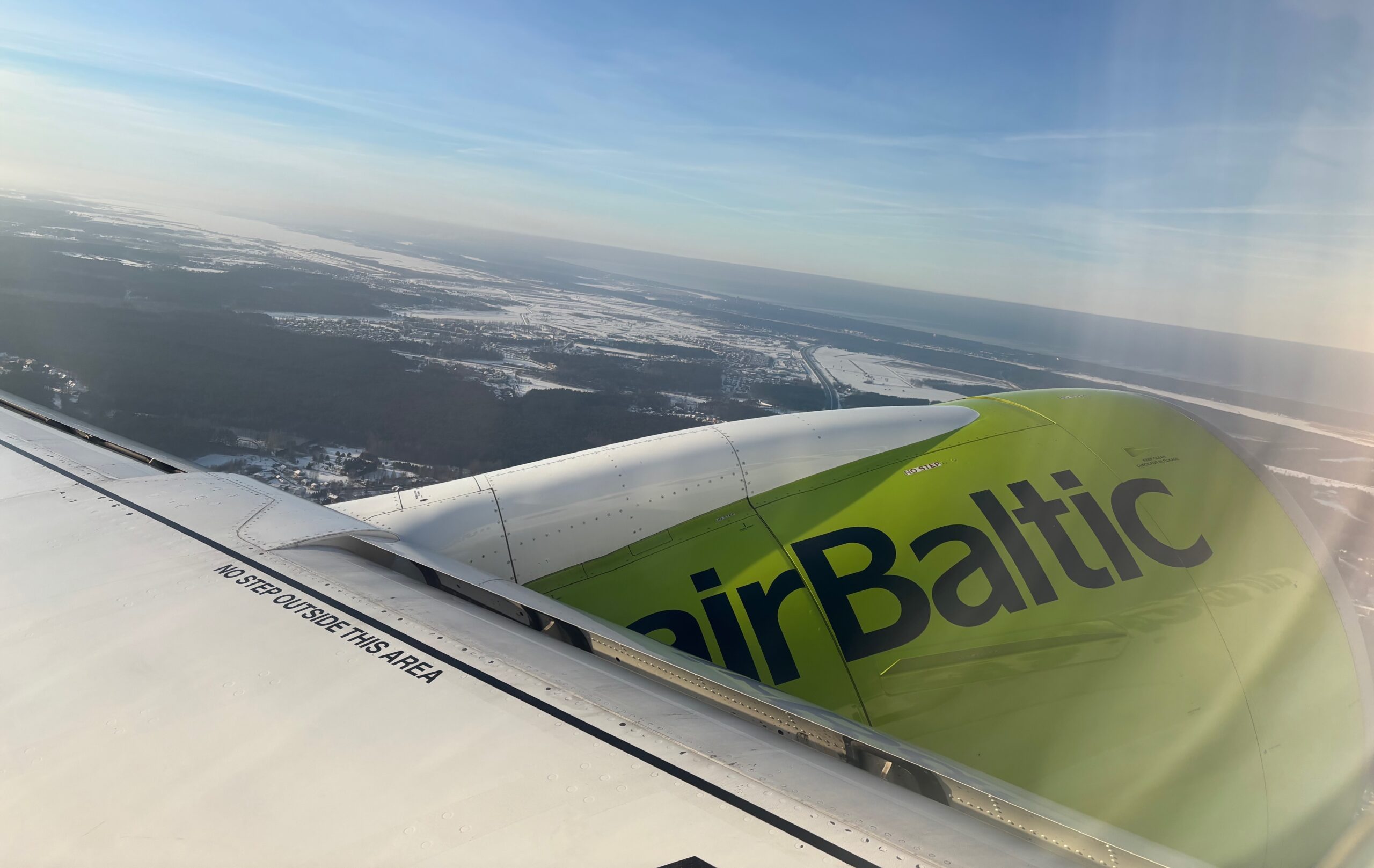
- airBaltic (Latvia’s flag carrier), Ryanair, Wizz, and 25 other airlines offer non-stop flights to 98 destinations in 40 countries across Europe and the Middle East.
- Inter-city buses connect Riga to Tallinn (4 hours), Vilnius (4 hours), and cities across Europe (LuxExpress, Ecolines).
- Overnight ferries run between Riga and Stockholm, adding a scenic Baltic Sea arrival option
- Train: Tallinn to Rīga takes 6 hours each day with one connection at Valga, while Rīga to Vilnius takes 4 hours with one daily service. Rail Baltica (high-speed line connecting Tallinn, Riga, Kaunas, Warsaw, and Berlin) is planned to open in 2030.
Weather (by season)
I was here in winter: cold, dark, often snowy, temperatures regularly below freezing. Icy pavements were normal (watch your step), but cosy cafes and lights give the city a lovely atmosphere.
Shoulder seasons (May, September, early October) are cooler but pleasant, with fewer crowds and lower prices.
Summers (June-August) are mild and bright, with average highs around 20-23°C and long evenings. Its the best time for cafe life, river walks, and park picnics. It’s also the most popular for tourists.
Where to stay (neighbourhoods)
Like most tourists, I opted for the Vecrīga (Old Town). The immediate centre put me within walking distance of most sights, cafés, and nightlife.
The Art Nouveau District is more residential with beautiful streets, close to everything.
Āgenskalns (across the river): Hip, local, much cheaper, and a slightly rougher‑around‑the‑edges local feel.
Money
Latvia is in the eurozone (€). Cards (credit and debit) are widely accepted almost everywhere, including contactless payment. You can tap to pay for everything from coffee to tram tickets. Cash is still useful for some markets, small kiosks, and older bars, but you won’t need large amounts. I used none except for some tips.
Costs
Riga is cheaper than many Western European capitals, but prices can feel punchy compared with other parts of Eastern Europe.
- Accommodation per night: mid‑range hotel €70–120, simple guesthouse or budget hotel €50–70, hostel dorm bed €18–30.
- Eating out: €8–15 for casual lunches and simple dinners; €25–45 for a restaurant meal with wine.
- Coffee: usually €2–3.50 depending on the café and location.
- 5 km taxi/ride‑hail ride: around €8–12, more late at night or from the airport.
- Tipping: Restaurants: 10% is standard if the service was good but was expected Taxis: Round up or add 10%. Hotel porters: €1-2. Tour guides: 10-15% of tour cost.
GETTING AROUND
The excellent Riga International Airport (RIX) is 10km from the centre. I found Bus No. 22 to be an excellent, inexpensive choice. It runs every 20 minutes, takes 30 minutes, and costs around €1.80. Bolt costs around €15. Avoid the unlicensed drivers waiting inside the terminal.
Walking: Old Town and the Art Nouveau district are compact and very walkable. I walked almost everywhere. Pavement quality is good. Cars stop at pedestrian crossings. I saw no jaywalking! None!Buses, trams, and trolleybuses: Some of the vehicles look like museum pieces! For a transport nerd, that was fine. Don’t let them fool you – Rīgas Satiksme runs an excellent, efficient, and cheap transit system. I downloaded and used the Mobilly app to buy my tickets. The system worked like a dream. You can also use contactless cards on board.
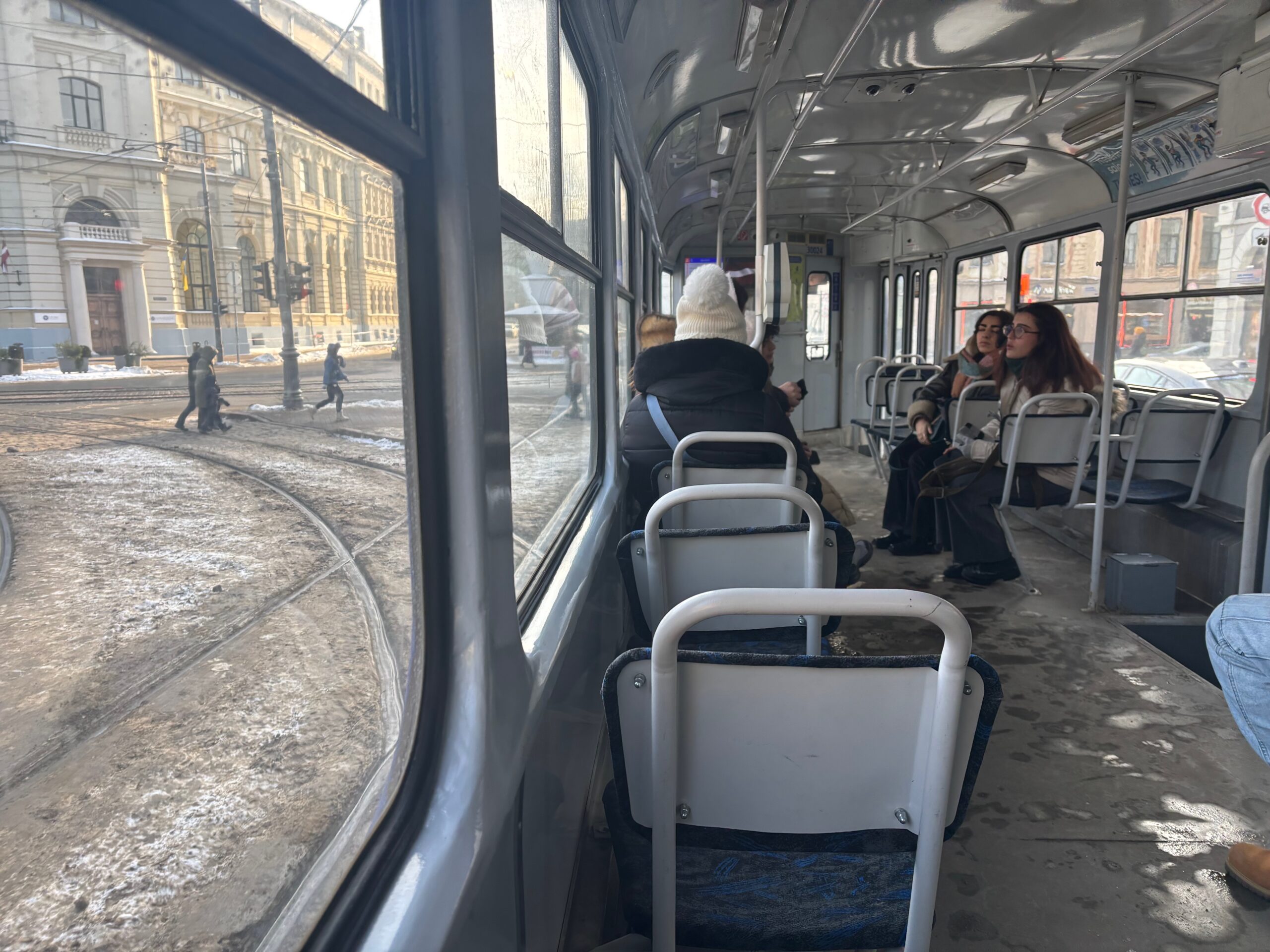

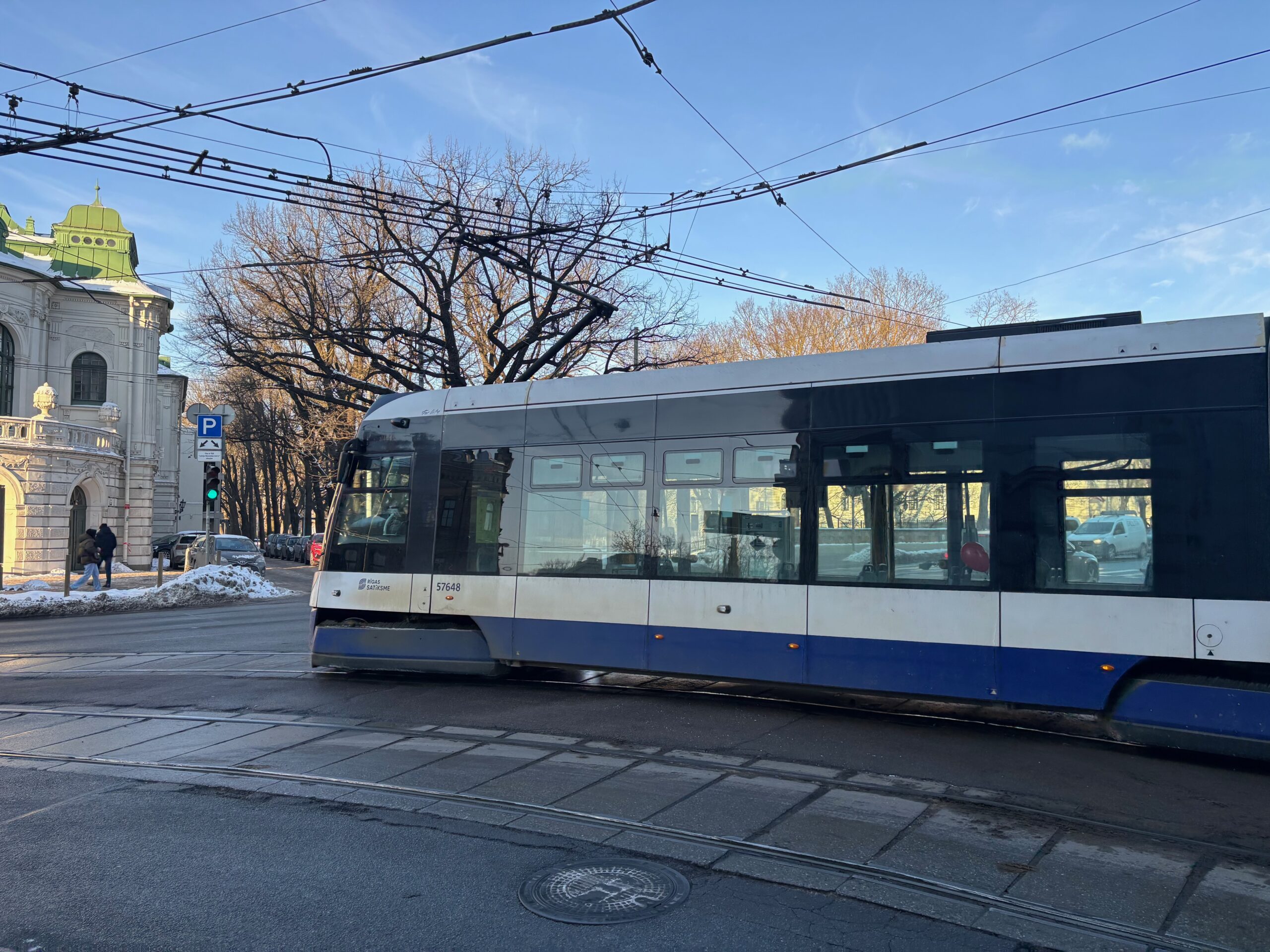
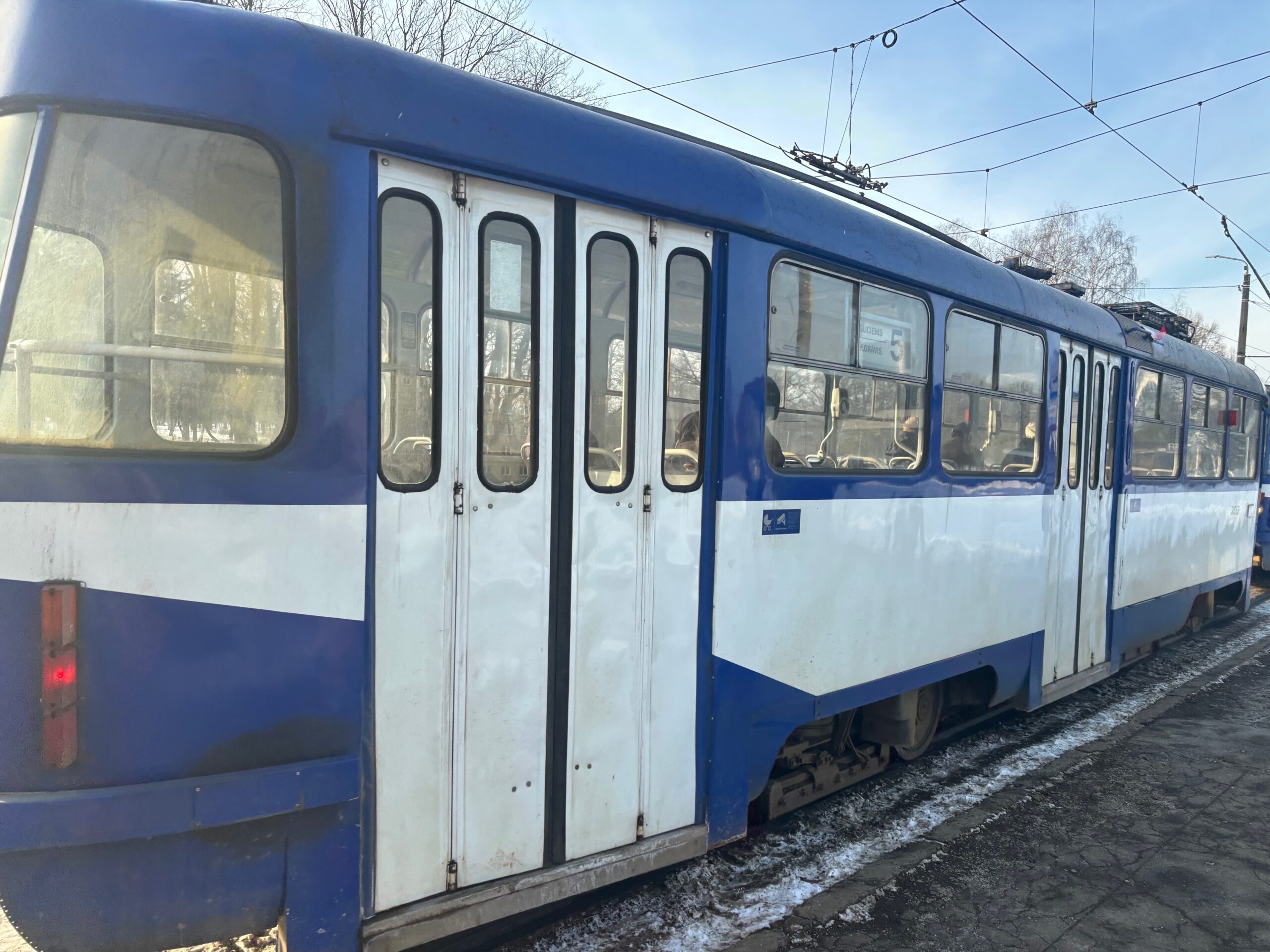
Biking: Riga is flat and bike-friendly with growing bike lane infrastructure. Bike rental shops are available. NextBike is an excellent public bike-sharing system with stations across the city centre. There are several dedicated bike paths. Cyclists are allowed to ride on pedestrian footpaths.
Taxis and Car-Sharing: Red Cab and Baltic Taxi are trusted companies, especially at the airport. Evening/weekend surcharge added. Bolt, MOBI and Taxi in Riga are local ride-hailing apps. There is no Uber. All taxis accept card payments.
Car rental: Could be useful for day trips to Jūrmala, Ķemeri National Park, Ogre Blue Hills, or further into Latvia
IMPORTANT TO KNOW
Riga Today is 600,000 people, about one‑third of Latvia. Ethnic Latvians make up about 44% of the city’s population, Russians 38%, with Belarusians, Ukrainians, Poles, and other minorities reflecting both Soviet‑era relocations and later inflows. This mix shapes the city’s character and creates some tensions. Many young Latvians have left for higher pay and opportunities in Western Europe.
Languages: Latvian is the official language. Post-independence language laws prioritise Latvian, but Russian remains prevalent, especially in working-class neighbourhoods and among older residents. English is common in tourist areas, hotels, and among younger people.
People: Locals often avoid eye contact with strangers, don’t smile automatically on the street or in shops, and can seem “cold” compared with Southern or Western Europeans. Once you break the ice, I found Latvians to be funny, kind, and genuinely helpful if you need assistance.
Crime and Safety: Riga is pretty safe, the 32nd safest city I’ve visited. Latvia does have the EU’s highest homicide rate (around 4 per 100,000), but Riga’s rate is slightly lower. Most violent crime doesn’t happen in areas tourists visit. Watch out for:
- Pickpocketing in Old Town, Central Market, and crowded trams
- Bar/club scams (inflated bills, drink spiking)
- Unlit parks at night
- Leaving valuables visible in parked cars
- Not keeping bags close
Emergency Numbers: (Police, Fire, Ambulance): 112 Police (non-emergency): 110 Ambulance: 113 Fire: 110
Food
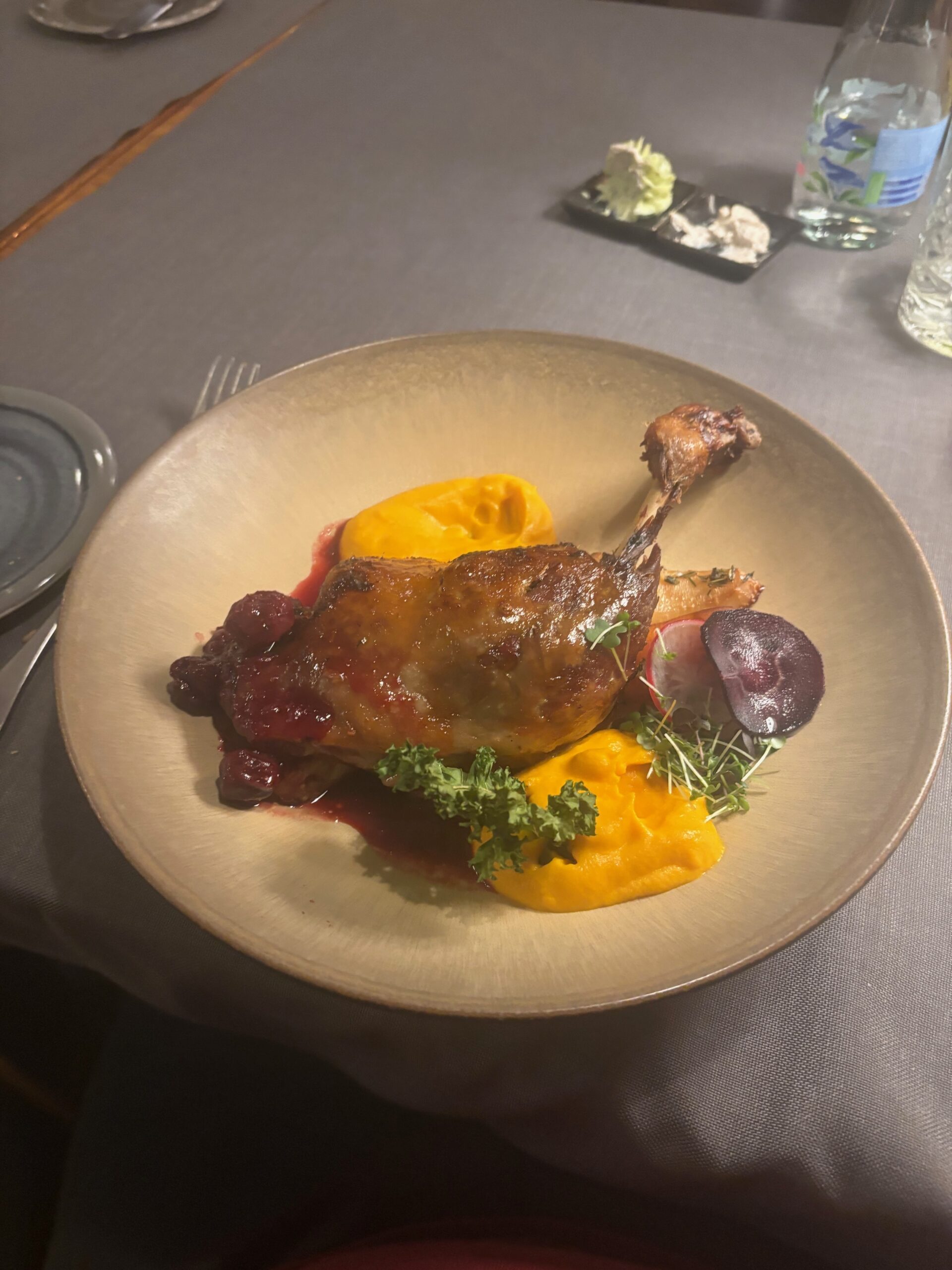
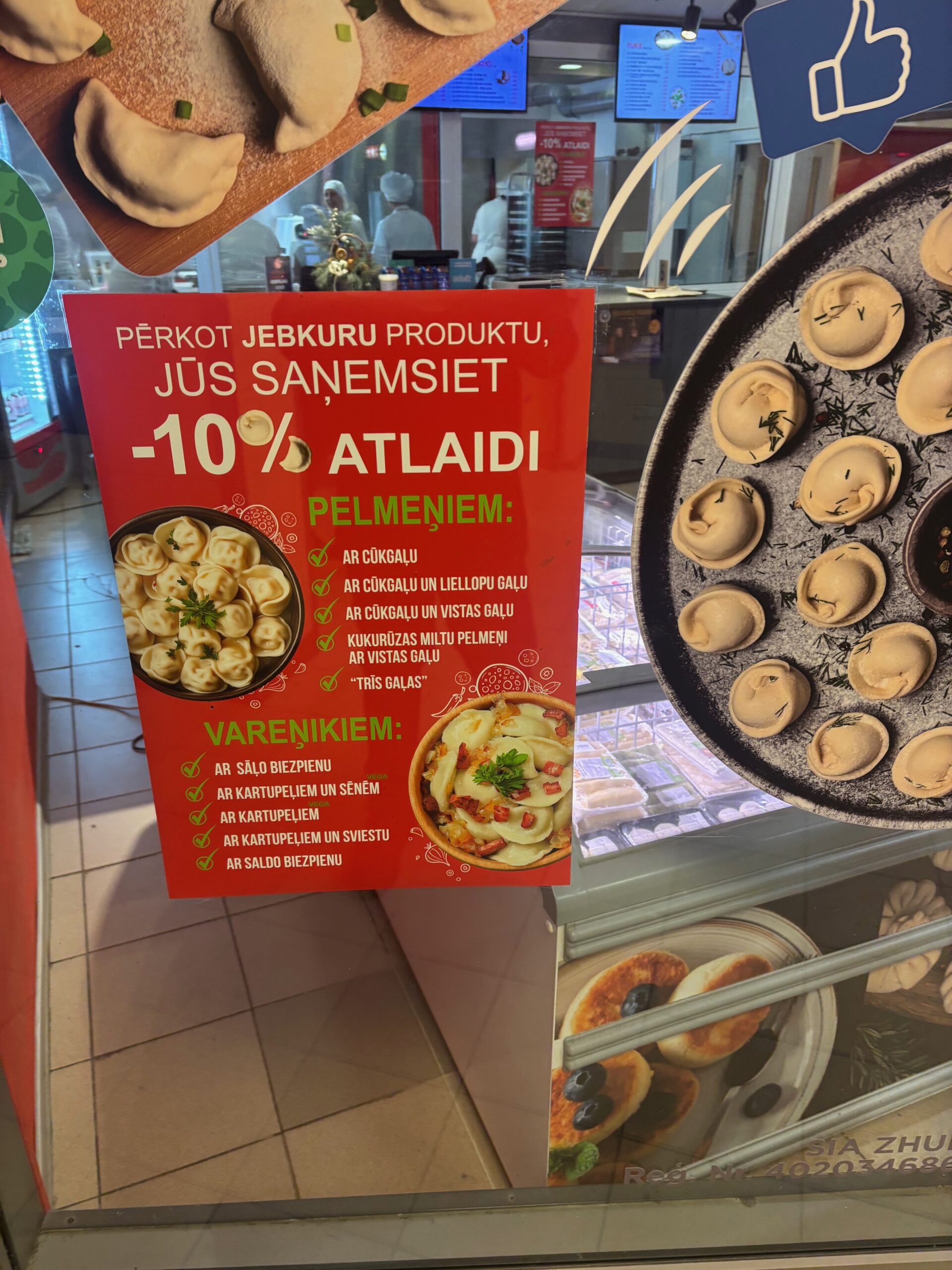
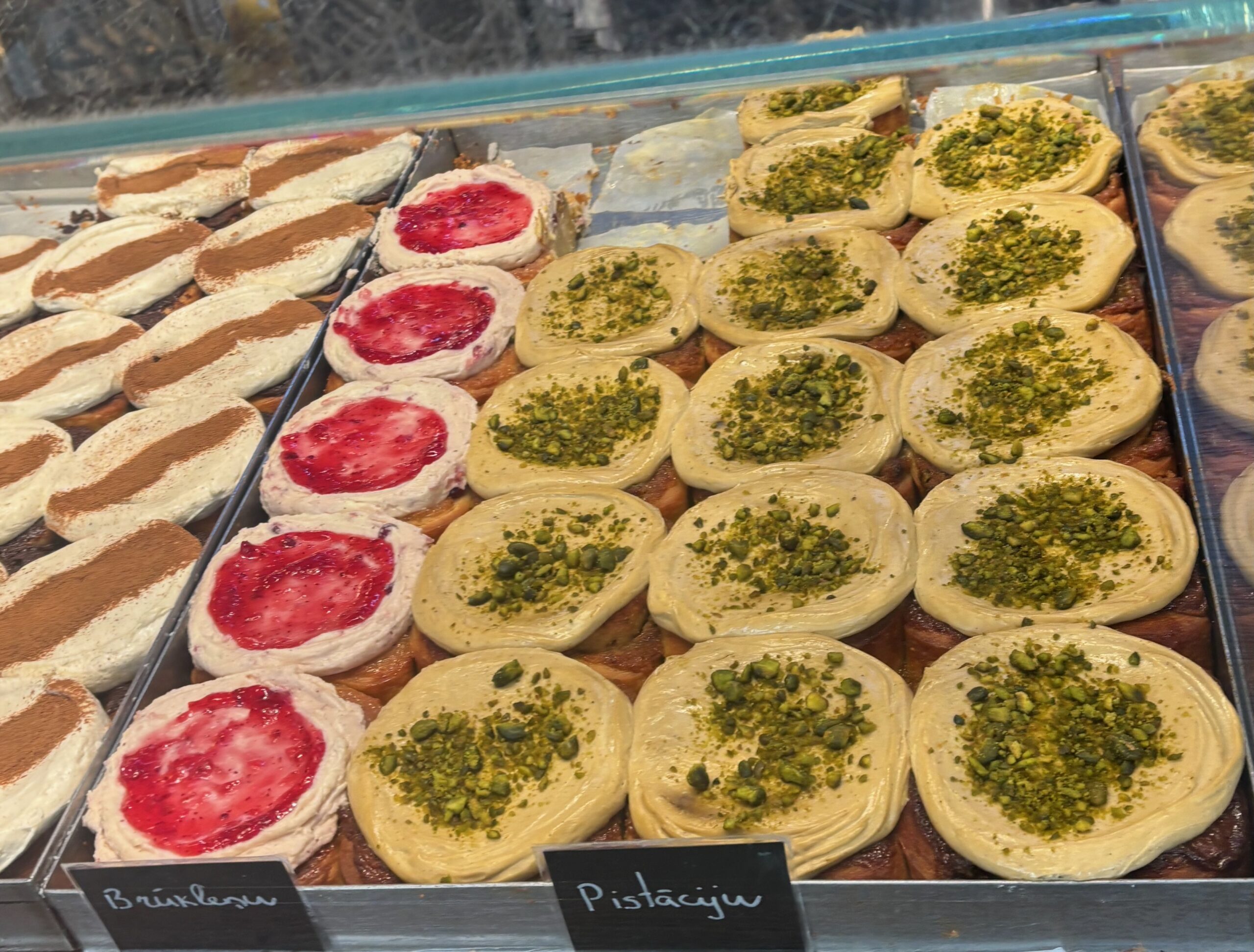
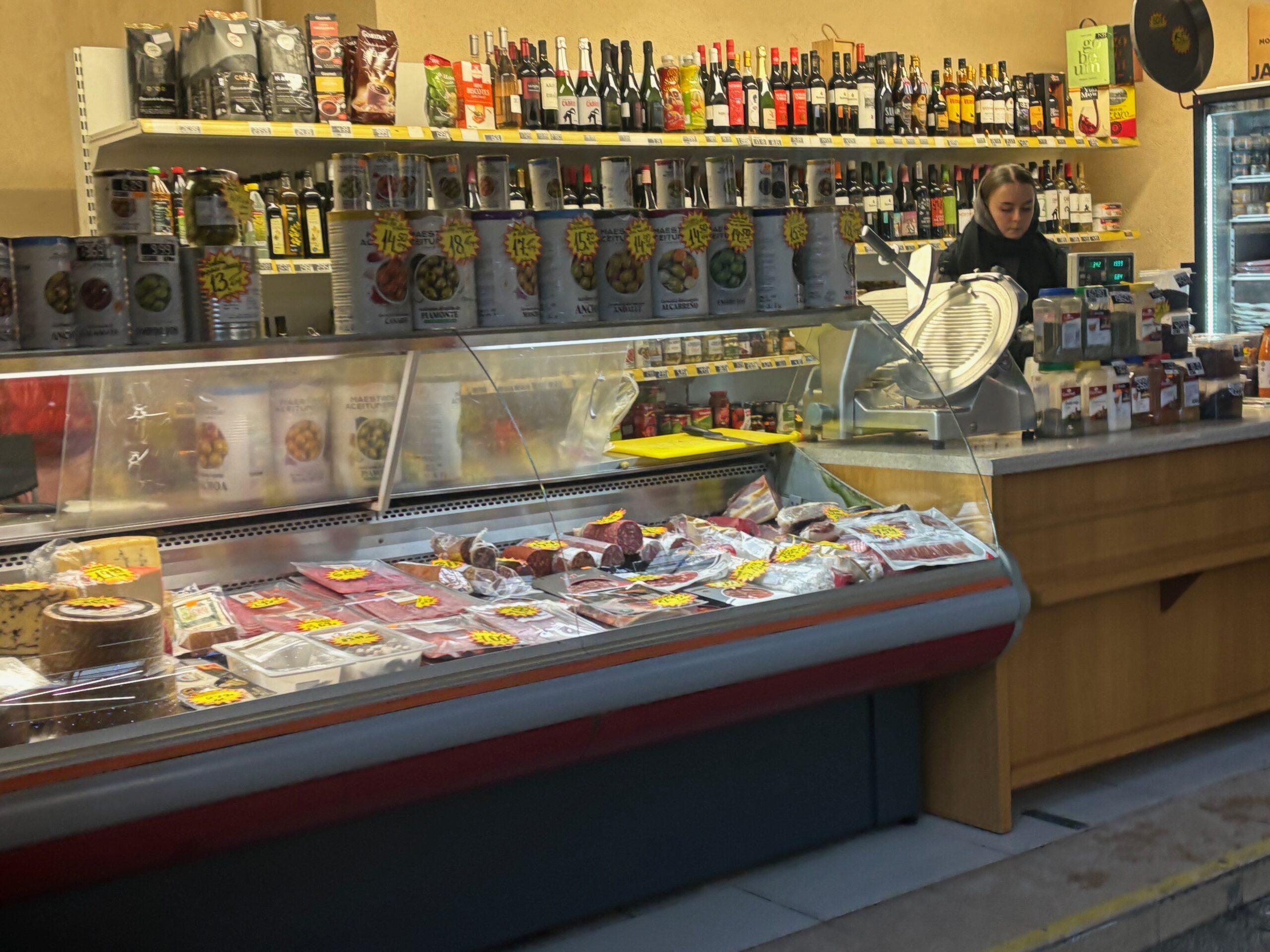
- An insane range of Rye bread (rupjmaize): Latvia takes its rye bread seriously. Dark, dense, slightly sweet, and served everywhere. The variety is genuinely impressive
- Grey peas with bacon (pelēkie zirņi ar speķi): The national dish. Boiled grey peas with fried onions, bacon bits, and sour cream. Hearty winter fuel.
- Pīrāgi: Small bacon-filled buns, a Latvian institution. Perfect as a snack.
- Roasted Duck appears on many menus, with red cabbage, potatoes, and berry sauce.
- Skābeņu zupa (sorrel soup): Tangy, bright green soup made with sorrel, eggs, and sour cream.
- Black Balsam (Rīgas Melnais balzams): A 45% herbal liqueur that’s been made since 1752. Medicinal-tasting, but locals swear by it mixed with coffee, cola, or blackcurrant juice. I loved it.
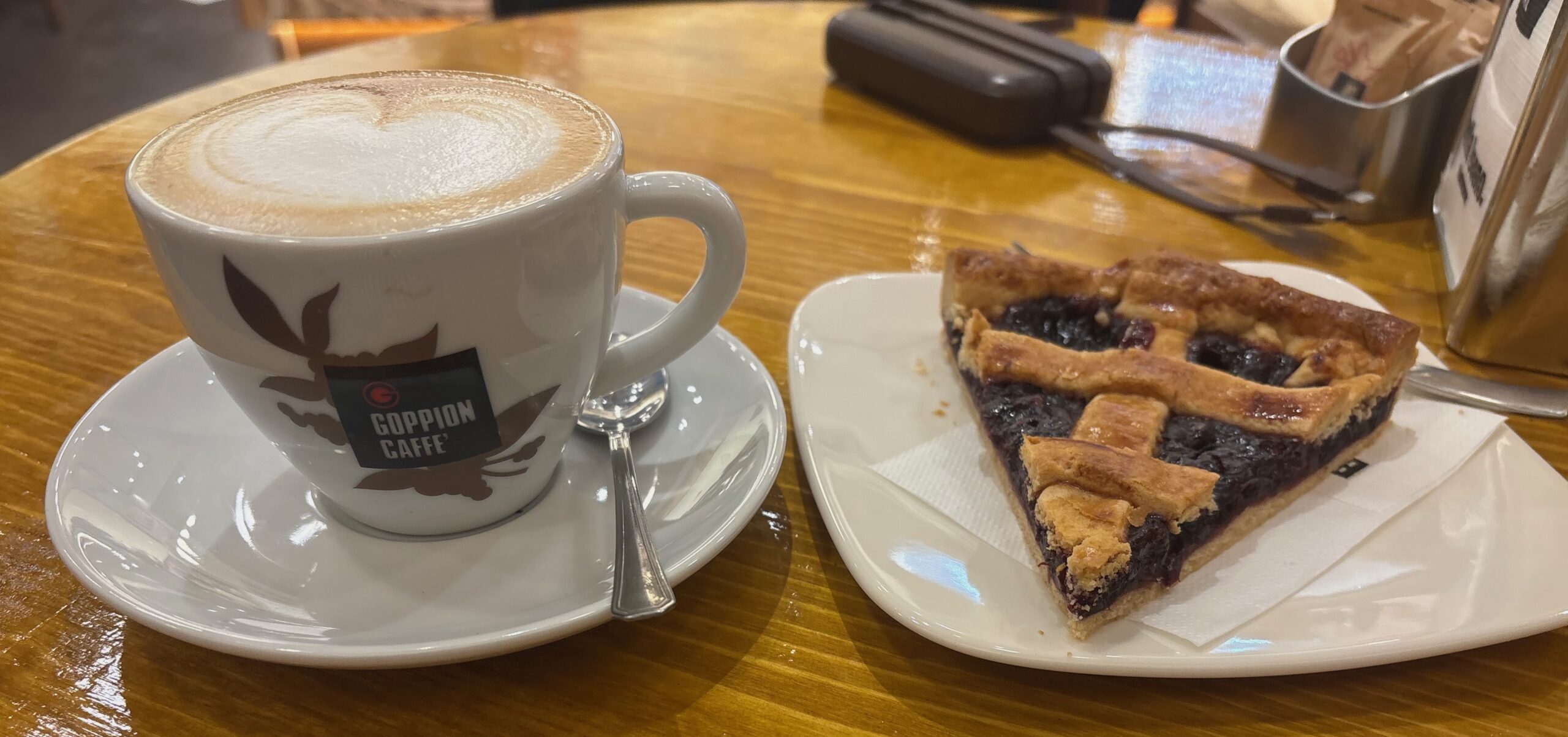
- Coffee: Riga’s cafe culture is mixed. There are bright spots at Coffee Academy (that is, their pie and coffee below), Cadets de Gascogne, Innocent Cafe, Miit Coffee, Art Cafe Sienna (an art museum-meets-café, very aesthetic with excellent cakes), and any of the small specialty roasters popping up in Āgenskalns. Caffeine is the main Baltic chain, with many branches. I found the service excellent and their coffee surprisingly good. Nice cakes and sandwiches, laptop-friendly, Wi-Fi. Double Coffee is reportedly the other reliable local chain.
MY VERDICT (wrapping up)
My Rating: Riga ranks as my 97th-favourite city out of the 306 I have visited or lived in. It definitely rates as a “good city” for me and sits alongside places such as Christchurch, Dresden, Medellín, Austin, Da Nang, and Honolulu. Cities with distinct character, some rough edges, strong local culture, and a mix of beauty and grittiness. The sense of a city still figuring out its post-independence identity was clear.
Would I Come Back? Yes. Riga is a city I’d happily return to.
How Many Days to Spend Here? 2-4 days is ideal for seeing the main sights, wandering the neighbourhoods, and soaking up the city. 5+ days if you want to add day trips. I could do a week here.
How about you? Have you experienced this Baltic delight?
Related Posts

Leave a Reply