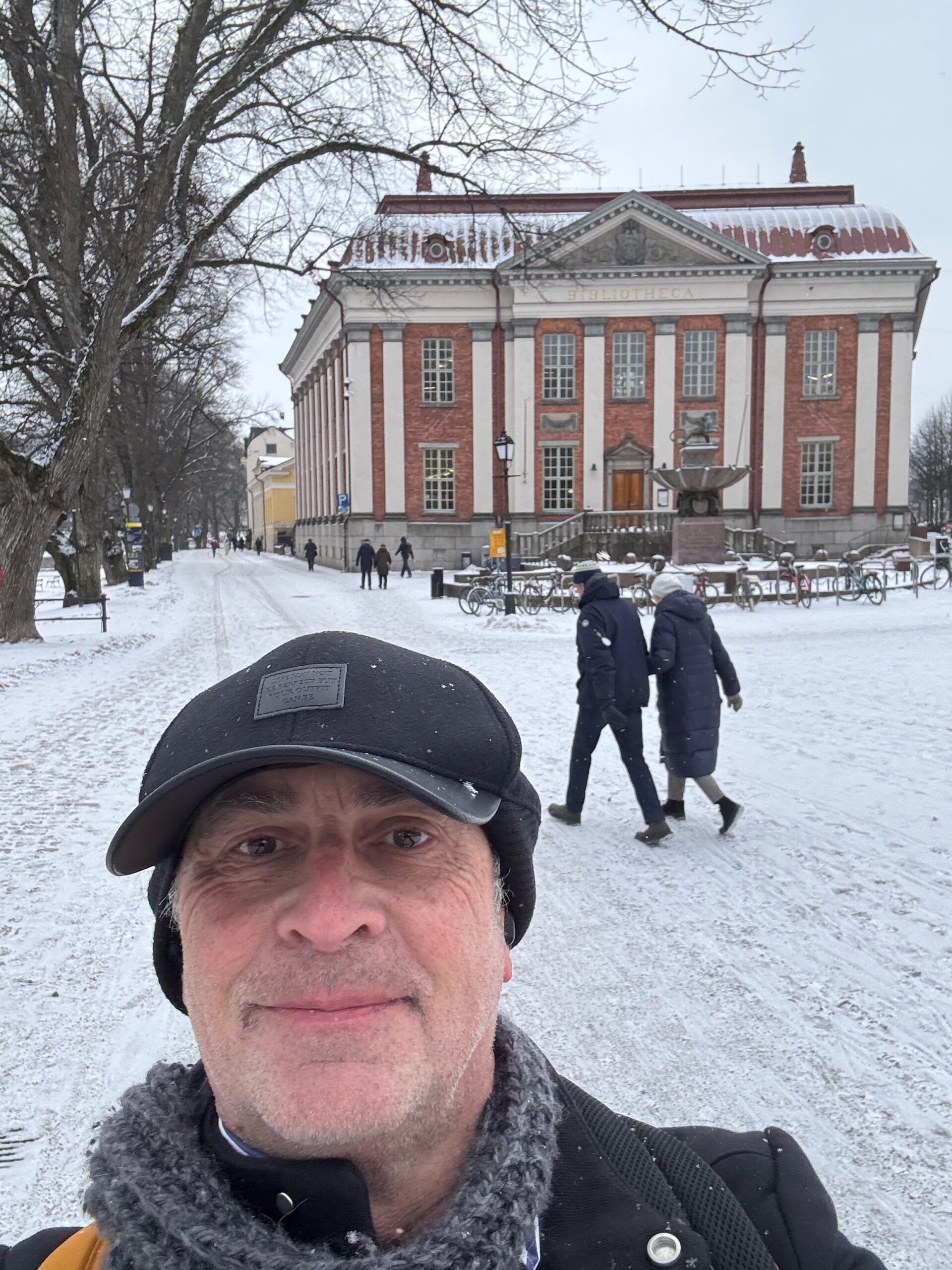
Turku is a low-key river city known for its university life and as a gateway to medieval Finland and the beautiful Turku Archipelago. Turku has tens of thousands of students across multiple universities and this creates a fun, youthful atmosphere. Quality‑of‑life index scores Turku slightly higher than Helsinki overall (Turku 215 vs Helsinki 206), with better scores for healthcare, safety, and housing affordability Nice range of museums. I visited in the depths of January winter, but plan to return in summer!
Eight Hundred Years Old
Turku is Finland’s oldest city, with its origins usually dated to around 1229. It became the main medieval centre of trade, religion and administration in what is now Finland, serving for centuries as the country’s leading city. Turku was effectively Finland’s capital under Swedish rule and remained the official capital briefly after Finland was ceded to Russia in 1809, until the capital moved to Helsinki in 1812. In 1827, the Great Fire of Turku destroyed about three‑quarters of the city and accelerated this shift of power and institutions east to Helsinki.
Where it is
Turku sits on the southwest coast of Finland, at the mouth of the Aura River, where it flows into the Archipelago Sea, part of the Baltic. The city spreads across both banks of the river, with many bridges connecting the historic east side and the newer west side. It is surrounded by one of the world’s largest archipelagos, with thousands of rocky, forested islands stretching out toward Åland and Sweden. on the southwest coast of Finland. It is a regional capital.
Turku covers just over 300 square kilometres as a municipality, of which roughly 245 square kilometres is land and about 60 square kilometres is water. Population 207,000 with 317,000 caross the metro area. Officially Finnish/Swedish bilingual with 79% Finnish speakers, 5% Swedish speakers, 16% other languages.
Turku’s compact city centre is built around Market Square (Kauppatori), where you’ll find Hansa Shopping Centre, the Turun Kauppahalli market hall, and the termini for most local buses. Turku Central Railway Station is about 700 metres north of the square. Rising about 30 metres above the city, Turku Art Museum stands on Puolalanmäki Hill, roughly 400 metres northwest of the square, offering excellent city views.
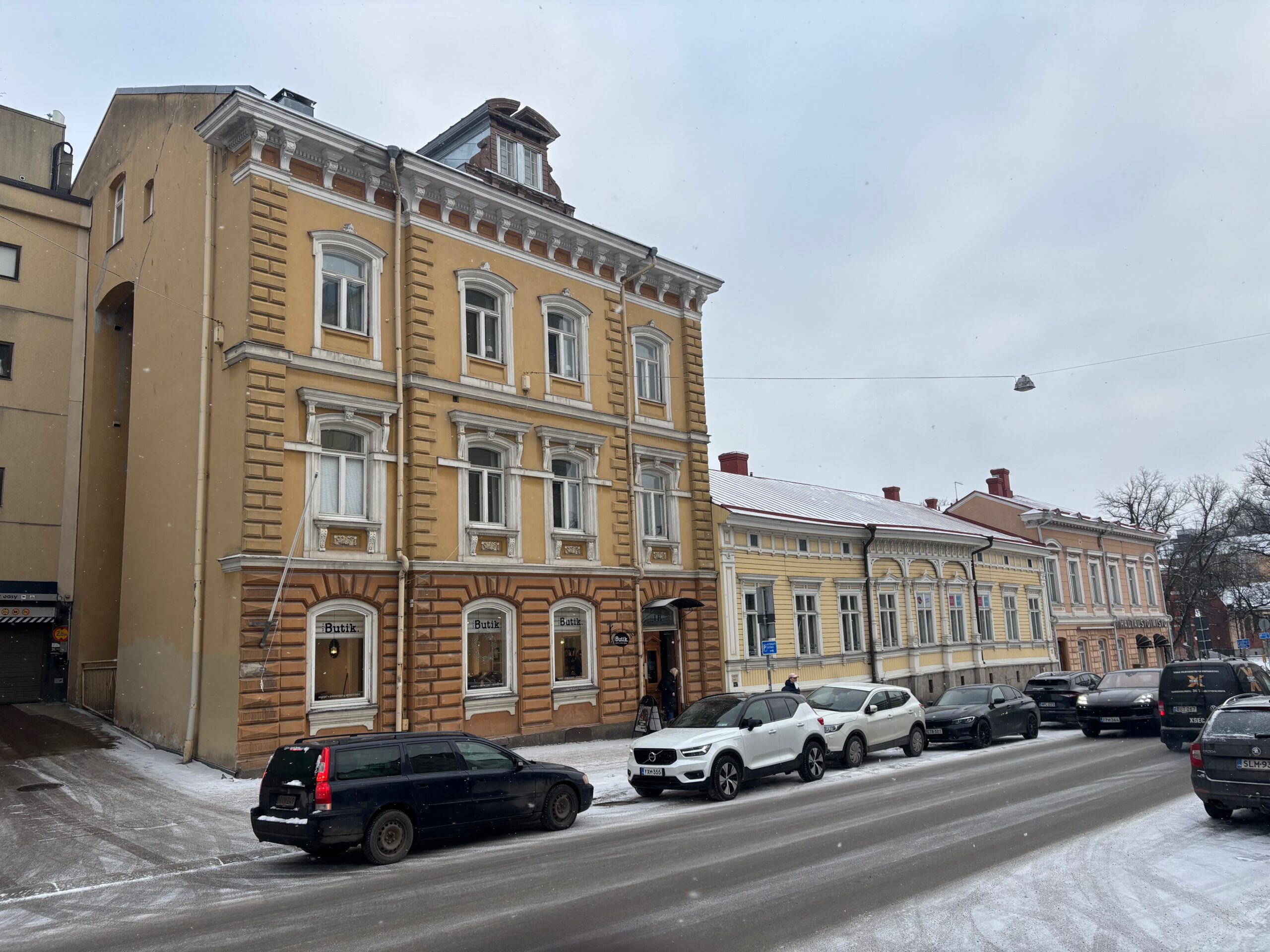
The lived-in neighbourhoods: West and northwest of Market Square, between the riverfront and the railway station area, is the area around Puutori and Humalistonkatu. This is where you’ll find the everyday side of Turku: local cafés, thrift stores, and relaxed neighbourhood bars that residents actually use, beyond the tourist scenes along the waterfront.
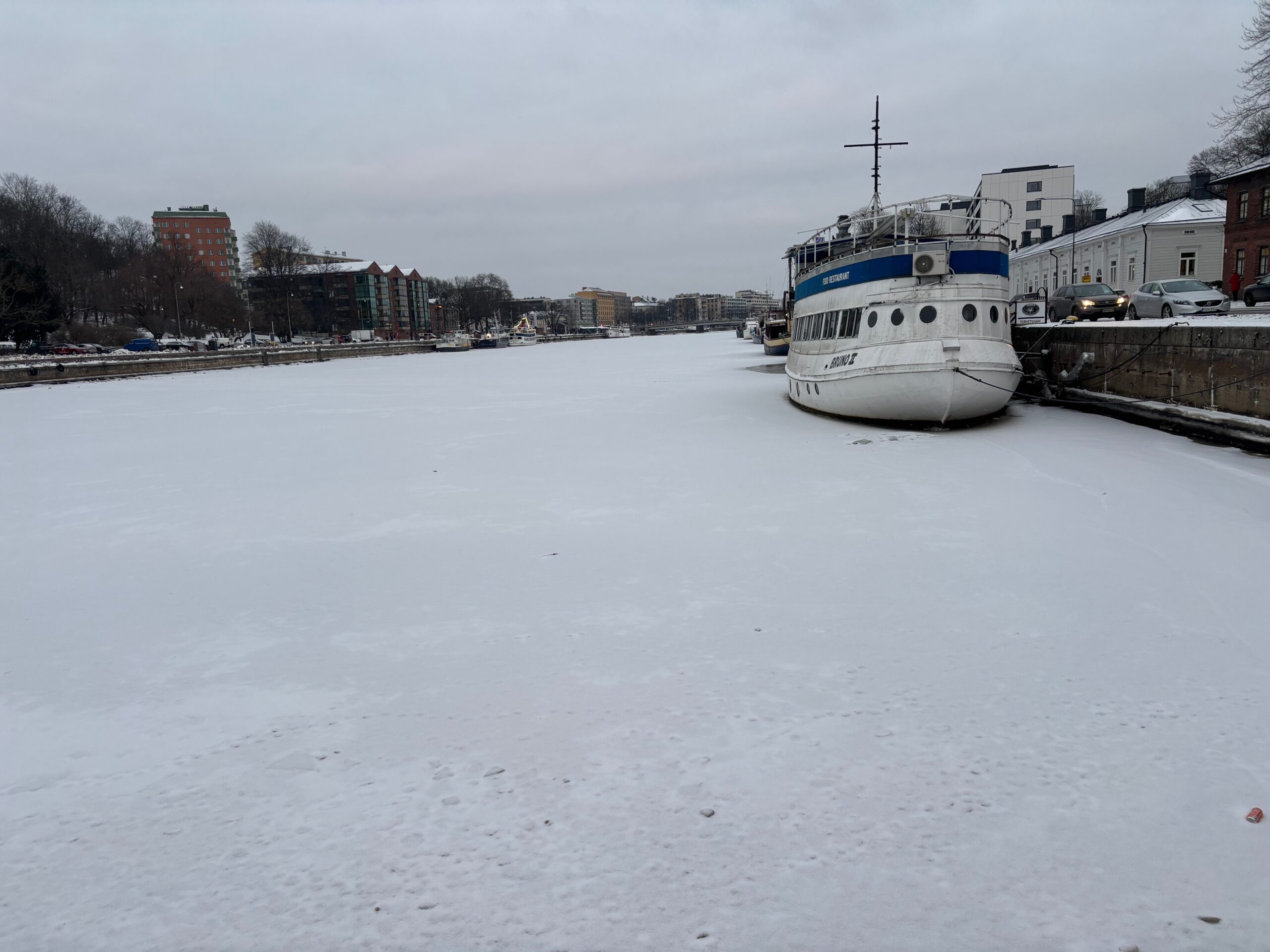
The Aura River flows through the heart of Turku, about 300 metres south from Market Square, continuing southwest towards the sea. Many of the city’s landmarks line this waterfront: Turku Cathedral, riverside cafés, and several museums.
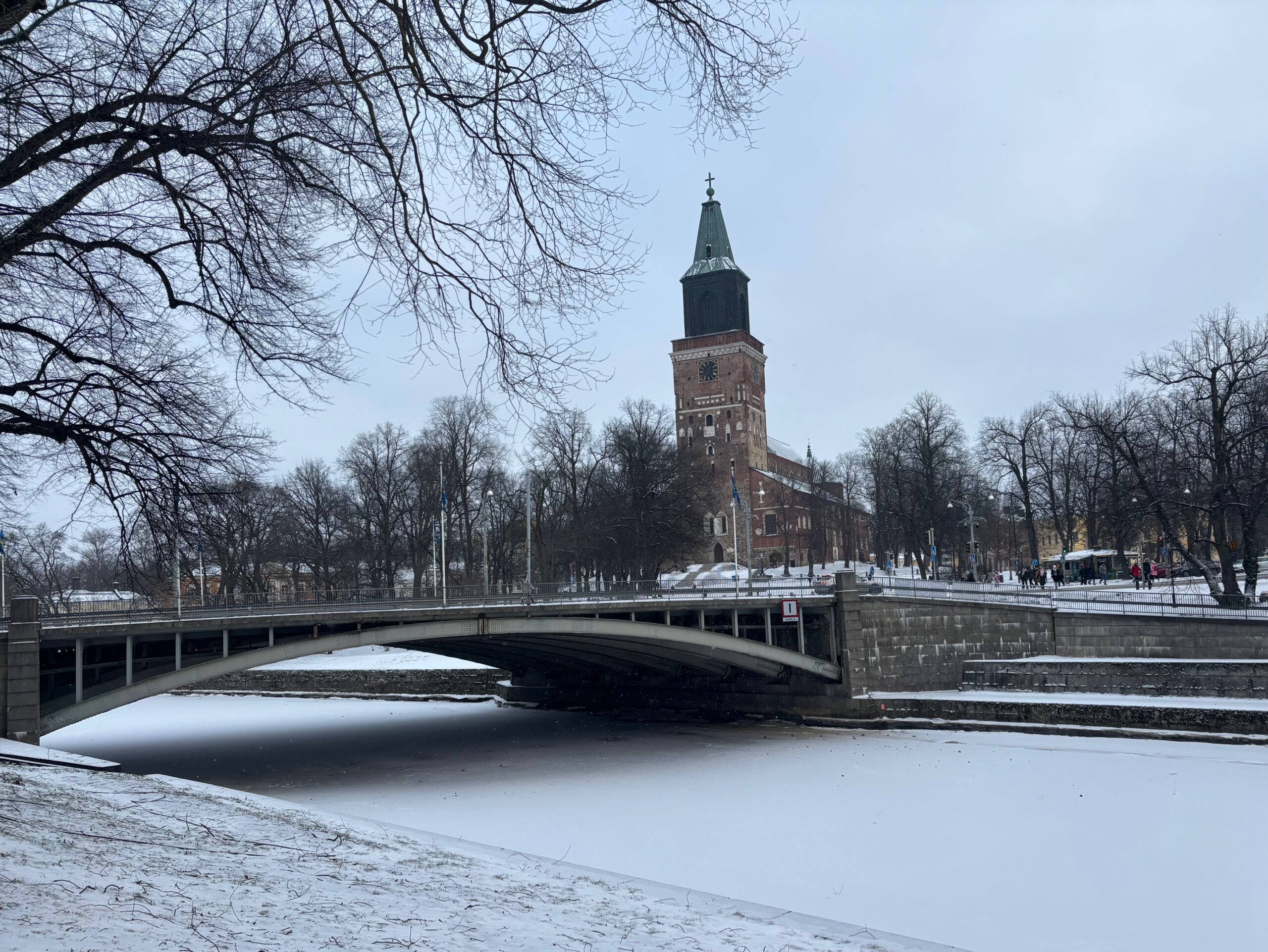
Across the river on the west side is Länsiranta (West Bank), a riverside district with housing, galleries, and cultural venues, connected to the centre by Auransilta bridge near the Cathedral.
Port of Turku (Satama) sits 2.5-3 km west-southwest of the city centre along the river. Here you’ll find Turku Castle, the Forum Marinum museum, Turku harbour railway station, and the ferry terminals for Stockholm and the Åland Islands.
Following the river upstream: A riverside walking and bike path runs from the Port of Turku through the city centre, past the Cathedral, and continues upstream towards:
- Kupittaa (1.5 km east): Dynamic campus and innovation district home to Turku University of Applied Sciences, hospitals, start-ups, and major tech firms. Trains to Helsinki stop at Kupittaa Station. Next to it is Turku Student Village.
- Halinen (4 km northeast): The river becomes greener (spring to fall..not when I walked it) and more countryside-like as you head this direction.
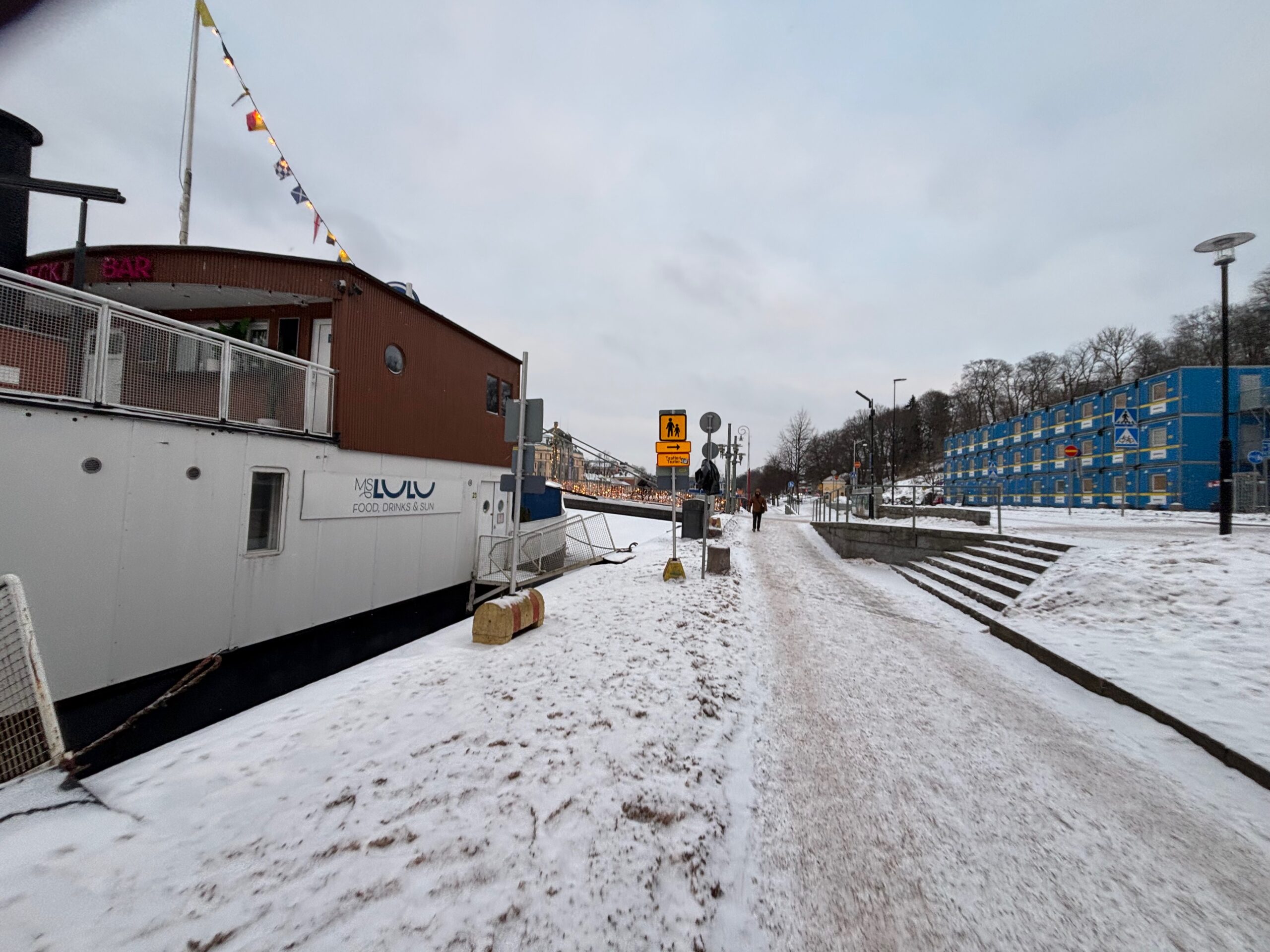
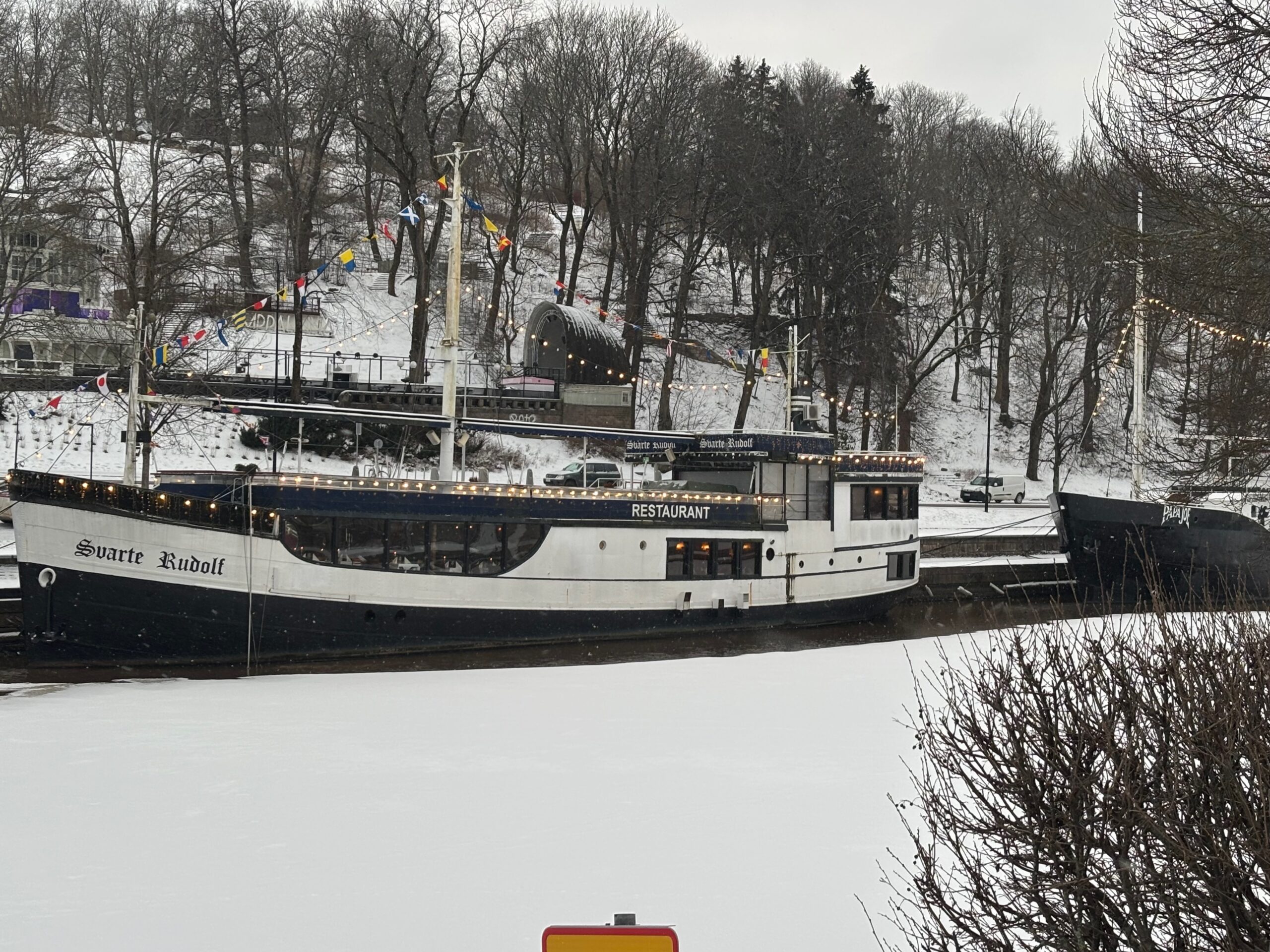
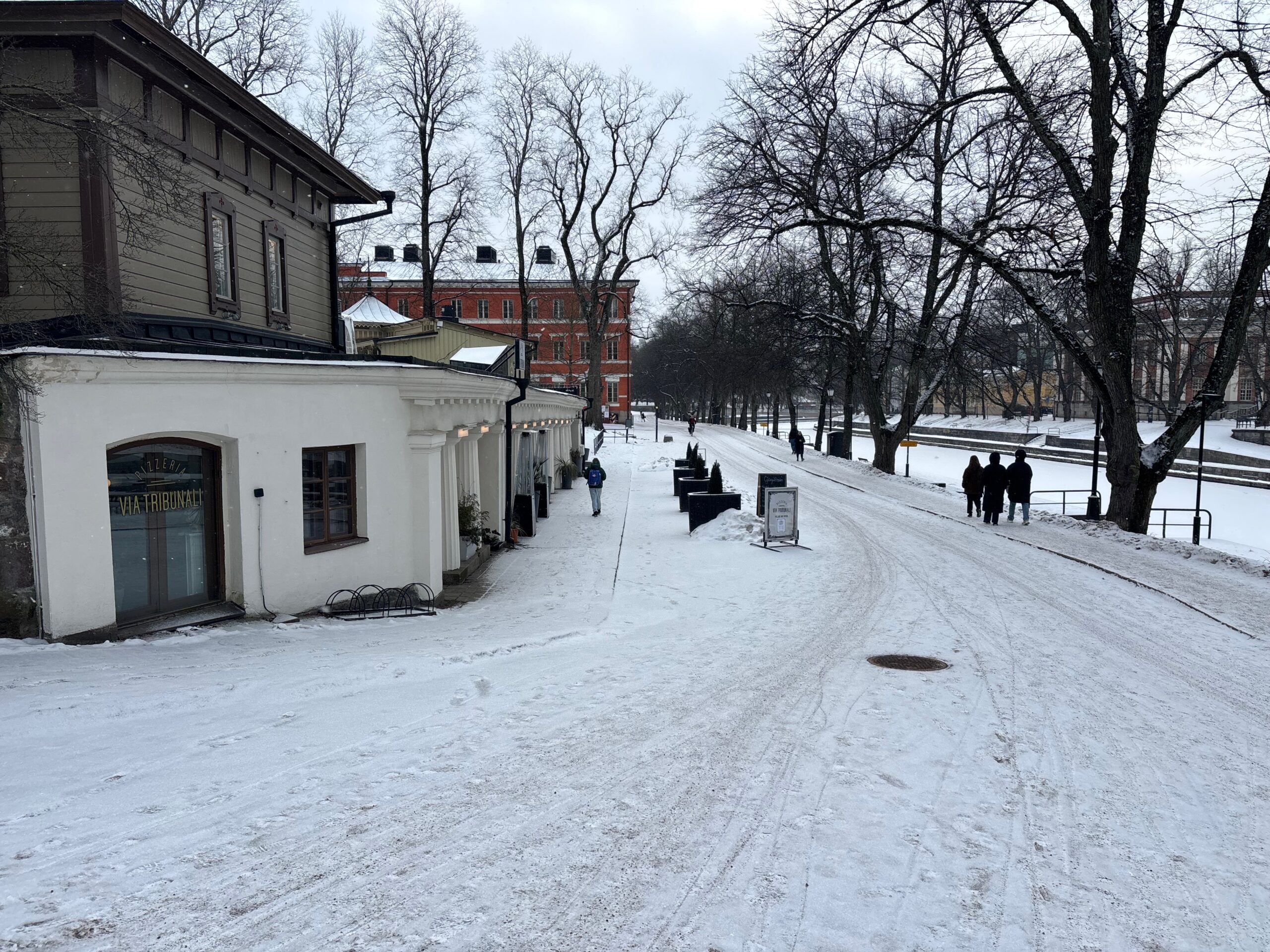
Lentokenttä (Airport District) is located 8 km north of the city centre near Turku Airport, linking quickly to the E18 ring road towards Naantali, Helsinki, and Tampere.
My Top 12 sights/experiences
1. Turku Castle (Turun linna) This medieval fortress guarded the river mouth and harbour, with its thick walls and courtyards from 1280 to the 16th century. It now houses exhibitions tracing Finnish and Swedish history. Allow at least a couple of hours to wander the restored rooms and older stone sections. It feels more workhorse than fairy-tale compared to other castles I have visited in Denamrl, Scotaldmn, and Ewales.

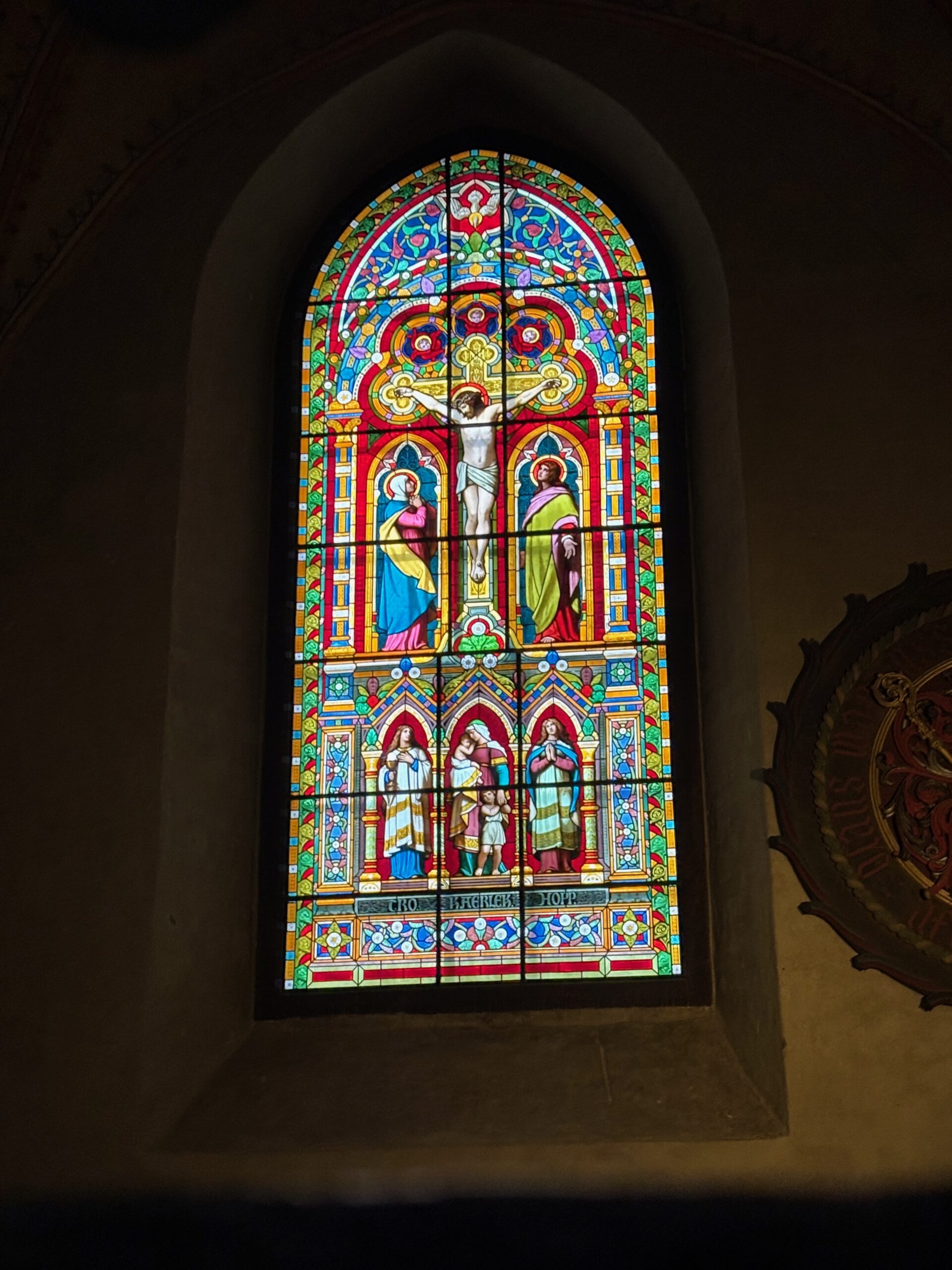
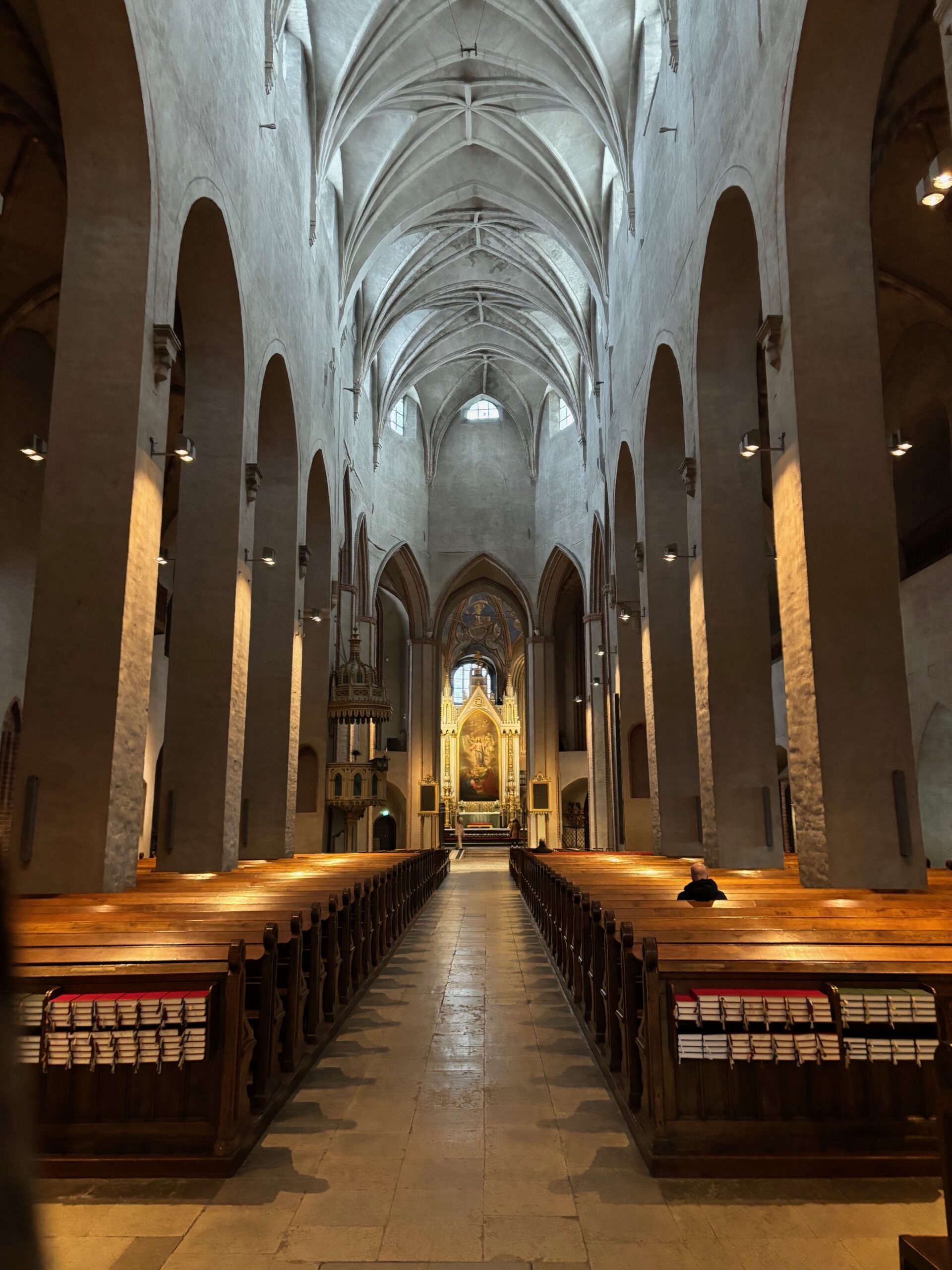
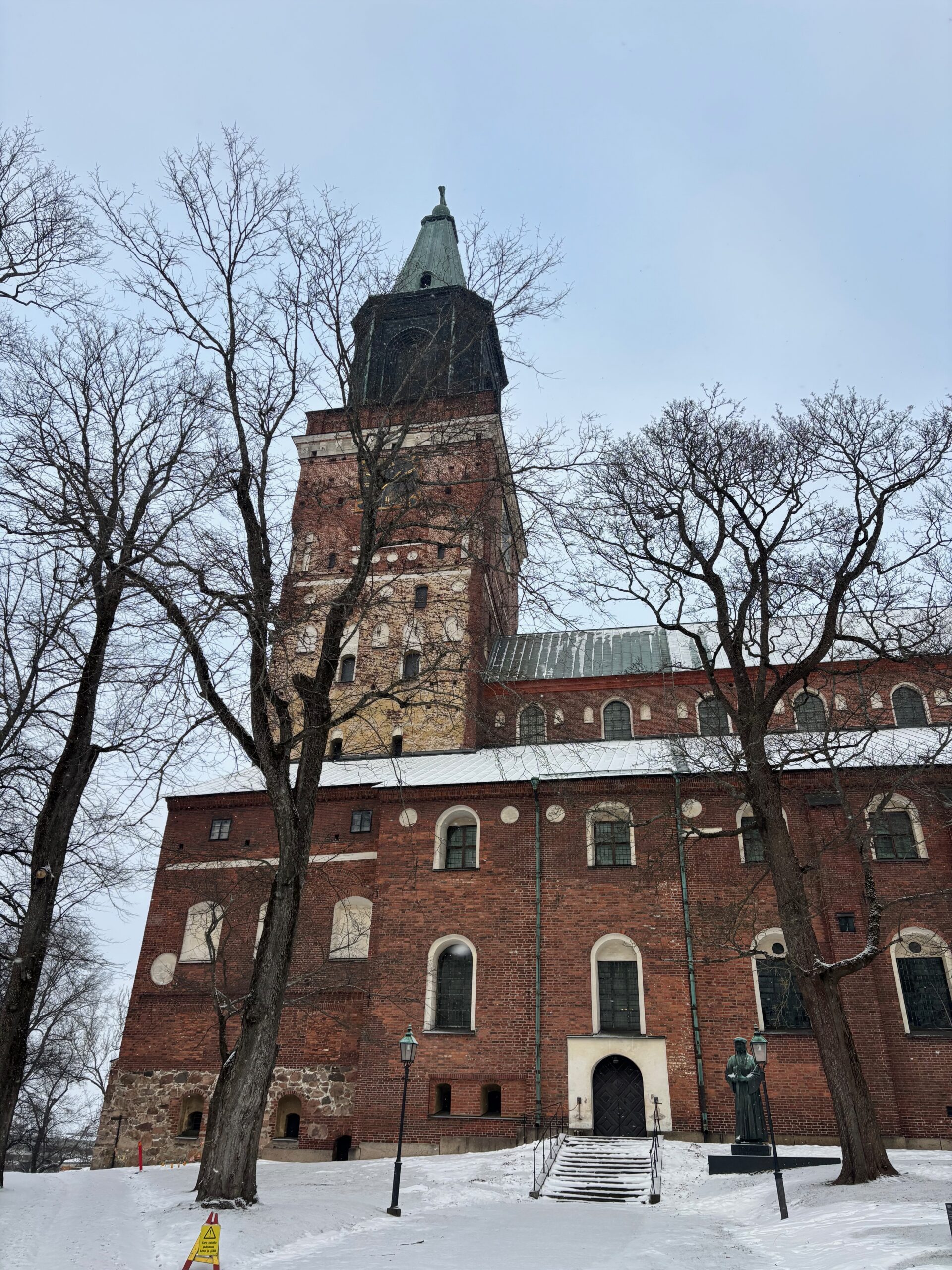
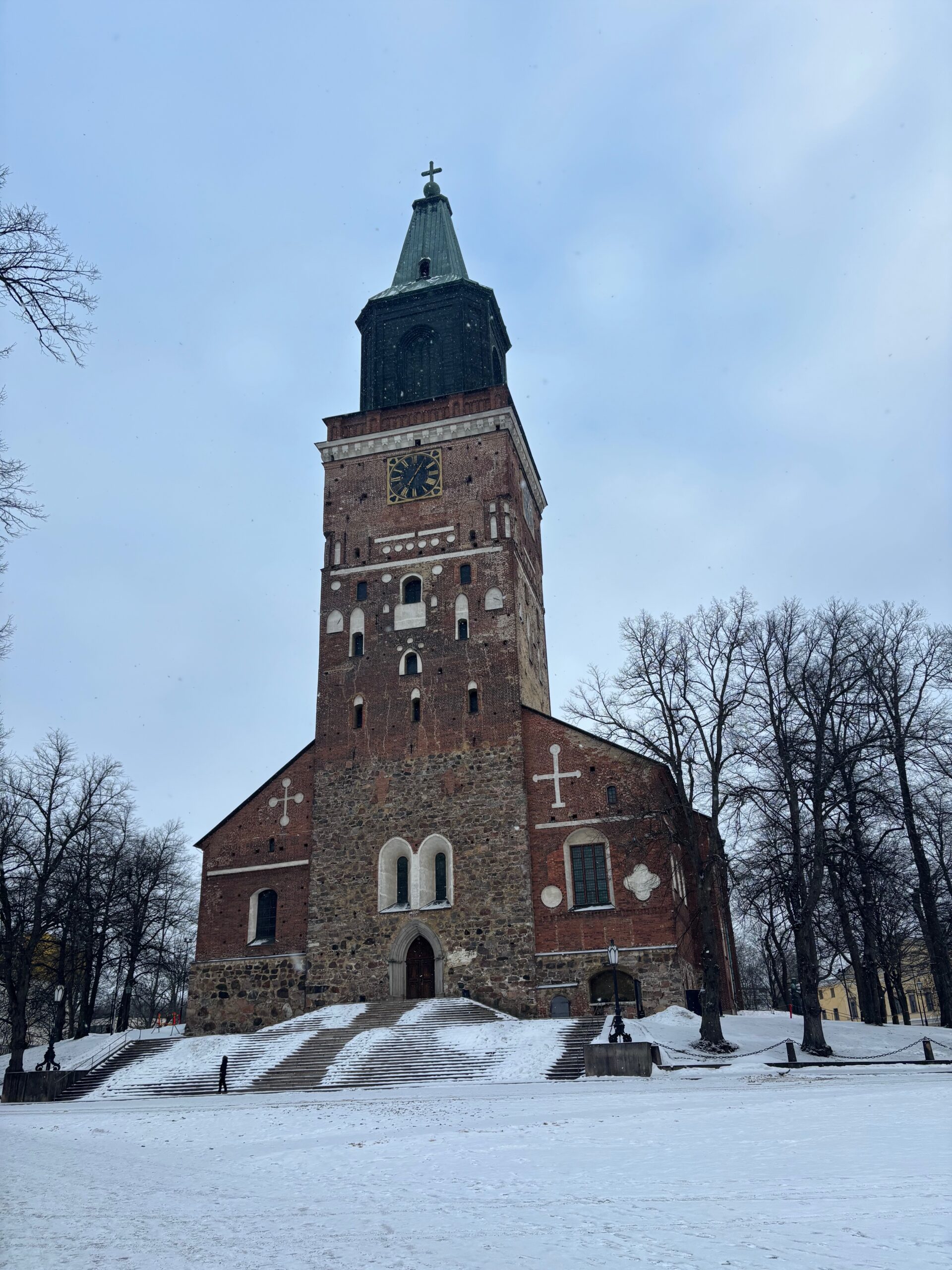
2. Turku Cathedral (Turun tuomiokirkko), Finland’s most important religious building, consecrated in 1300 and rebuilt after the Great Fire of 1827. The towering brick church dominates the riverfront and houses royal tombs and medieval frescoes. It’s the Mother Church of the Evangelical Lutheran Church of Finland and the country’s only medieval basilica. Free to enter; allow 30-45 minutes to wander.
3. Aboa Vetus & Ars Nova are an unusual pairing: underground medieval archaeology (Aboa Vetus) meets contemporary art (Ars Nova) in the same museum. Built over excavated medieval Turku streets and foundations on the riverside, the archaeology section reveals artefacts discovered during construction in the 1990s. The contemporary galleries rotate modern Finnish and international exhibitions. Worth an hour or two if you’re into history or art. One ticket gives you access to the underground ruins and the rotating art exhibitions above, connecting the city’s past and present.
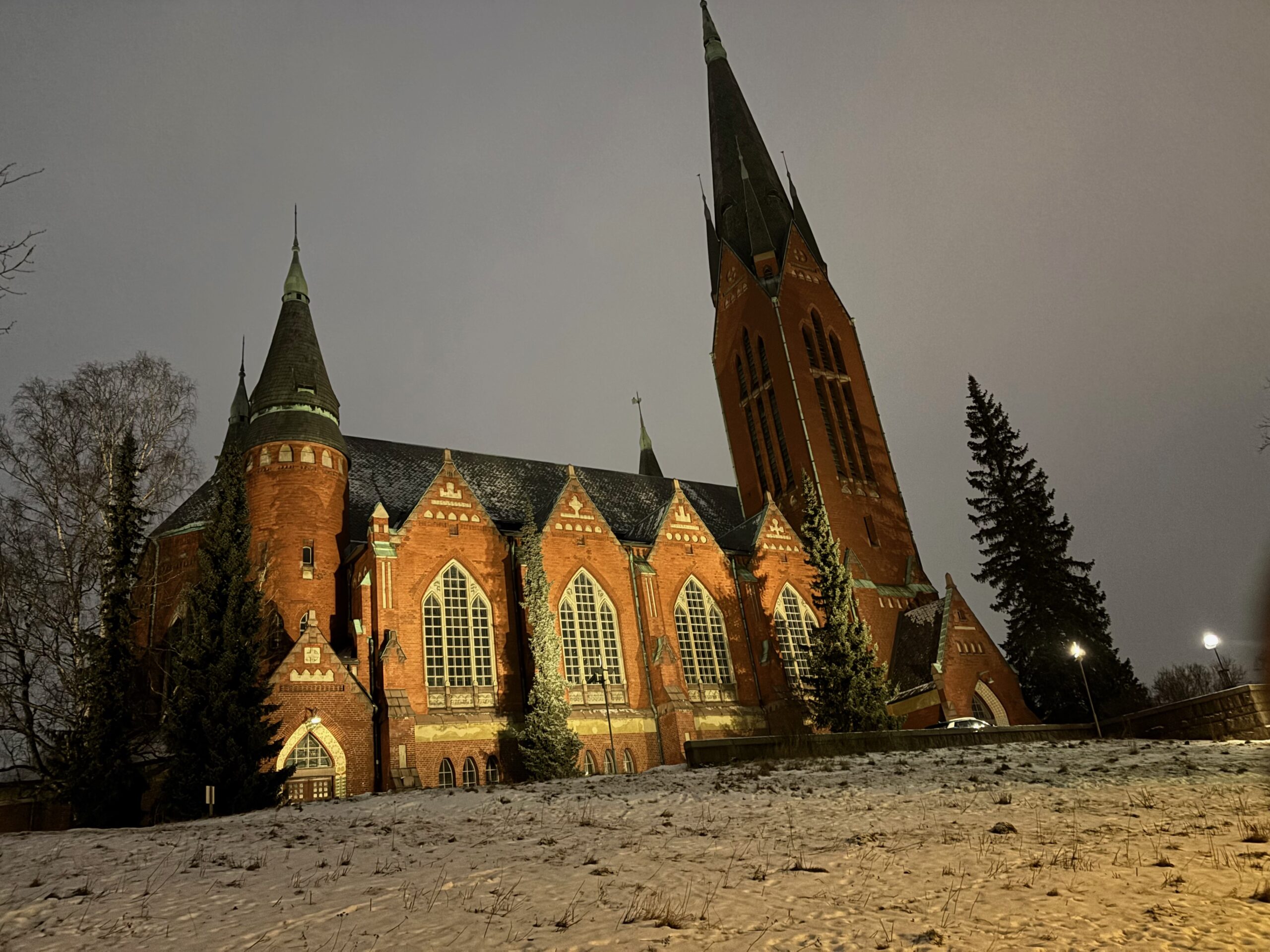
4. Turku Art Museum: A photogenic granite castle built on a hill 35 metres above the city, offering stunning views. Two floors of Finnish and international art from the 19th century to contemporary works. The building itself (designed by Gustaf Nyström, 1904) is impressive, and there’s a good café.
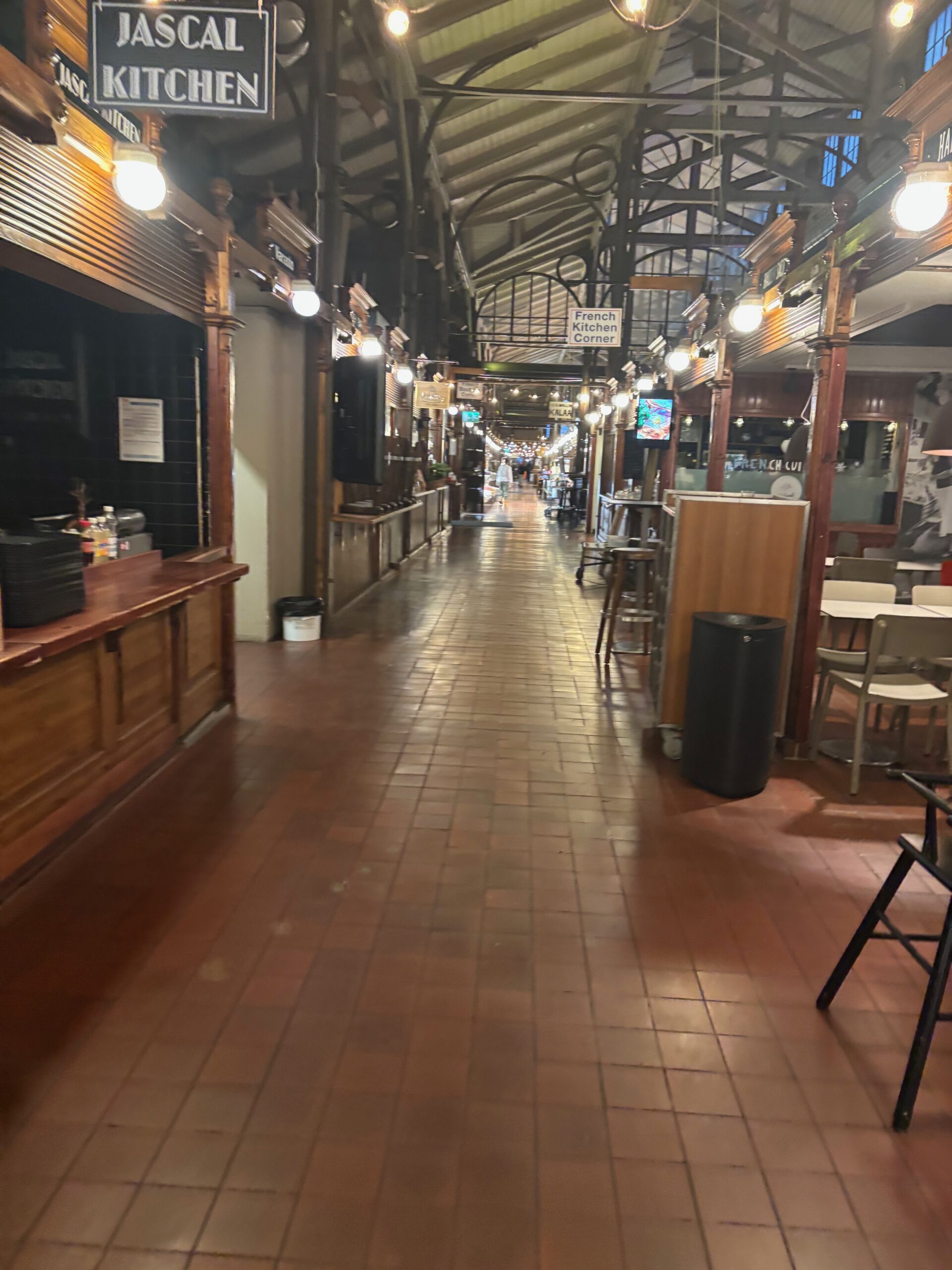
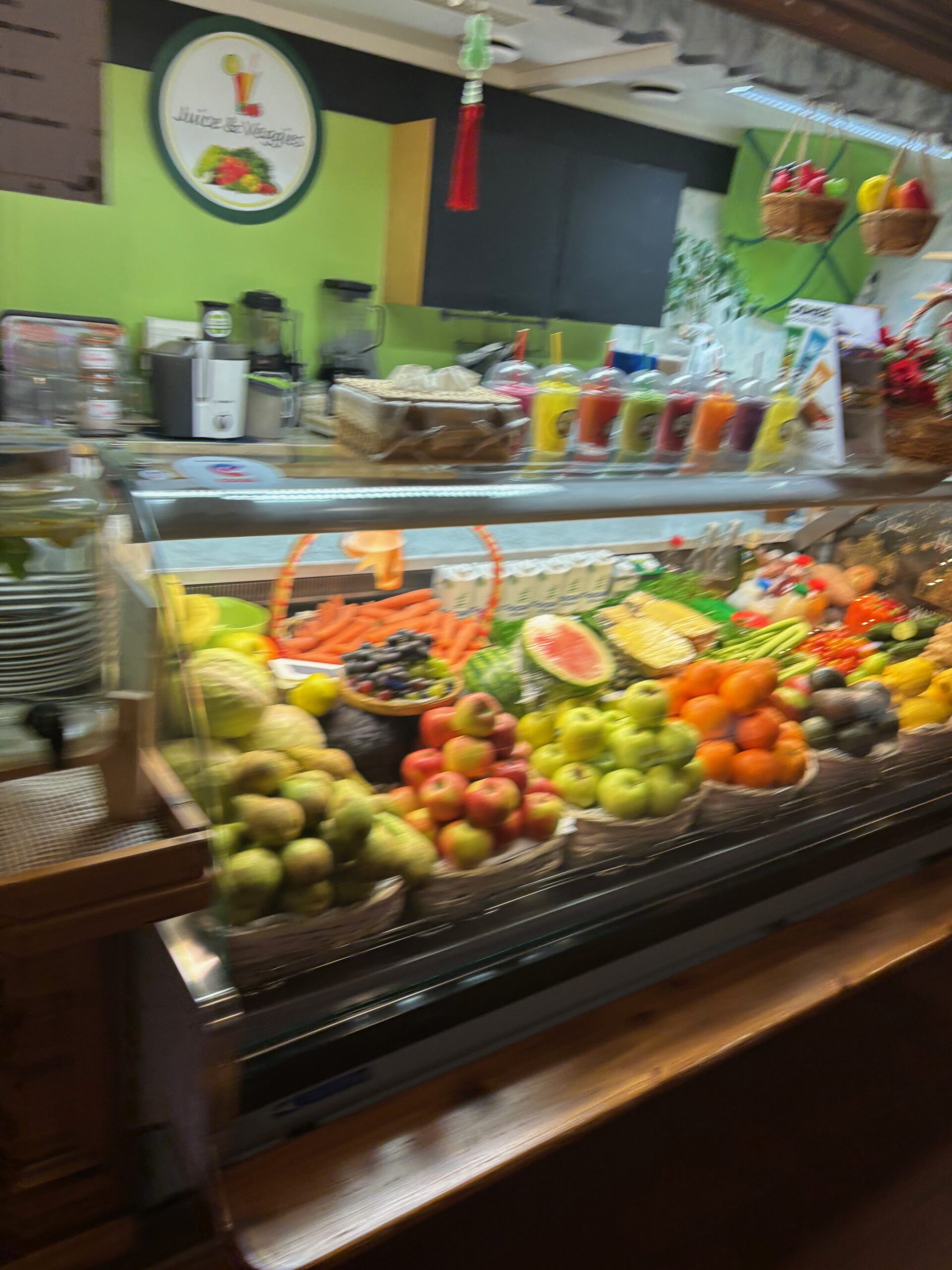
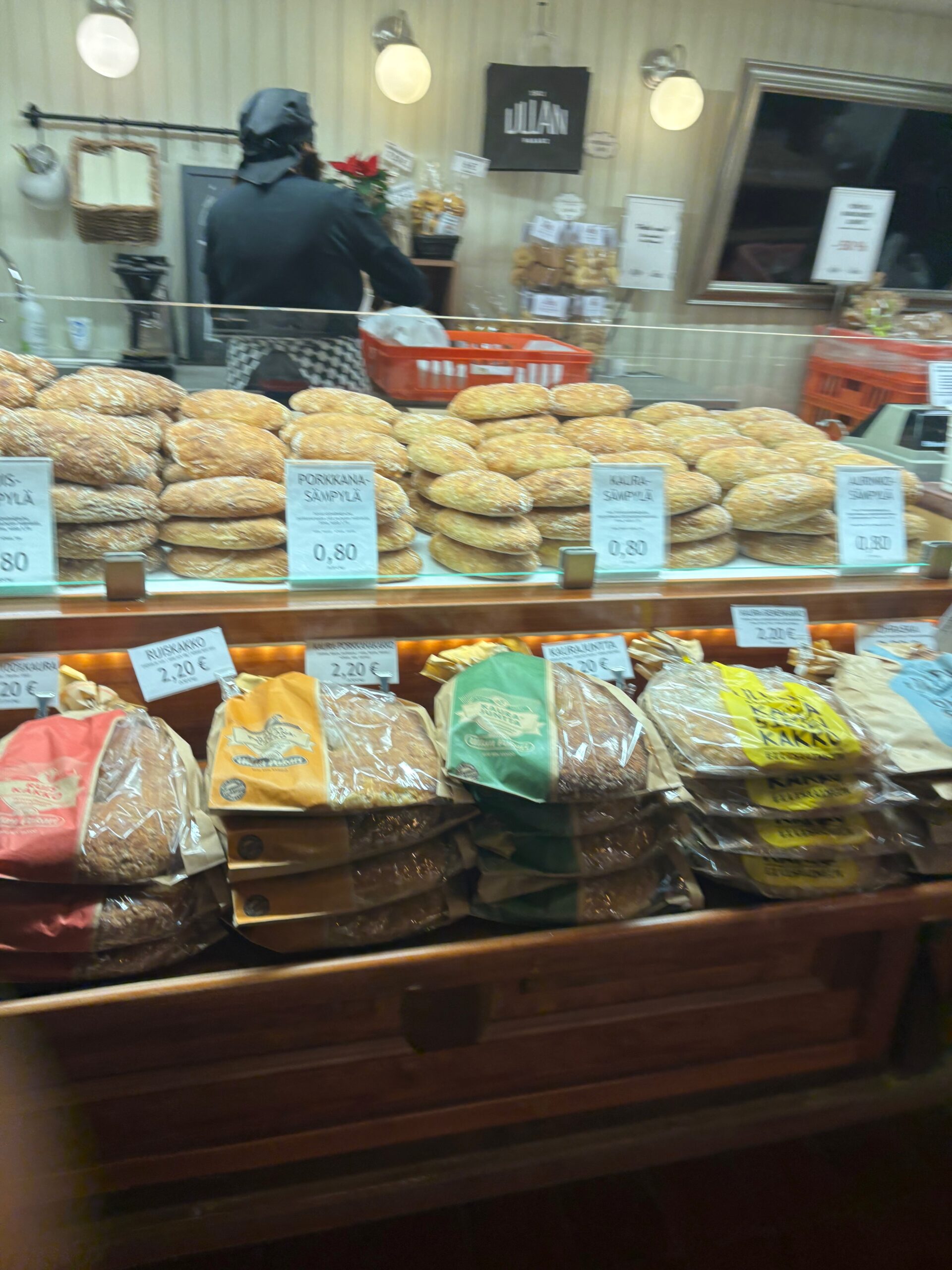
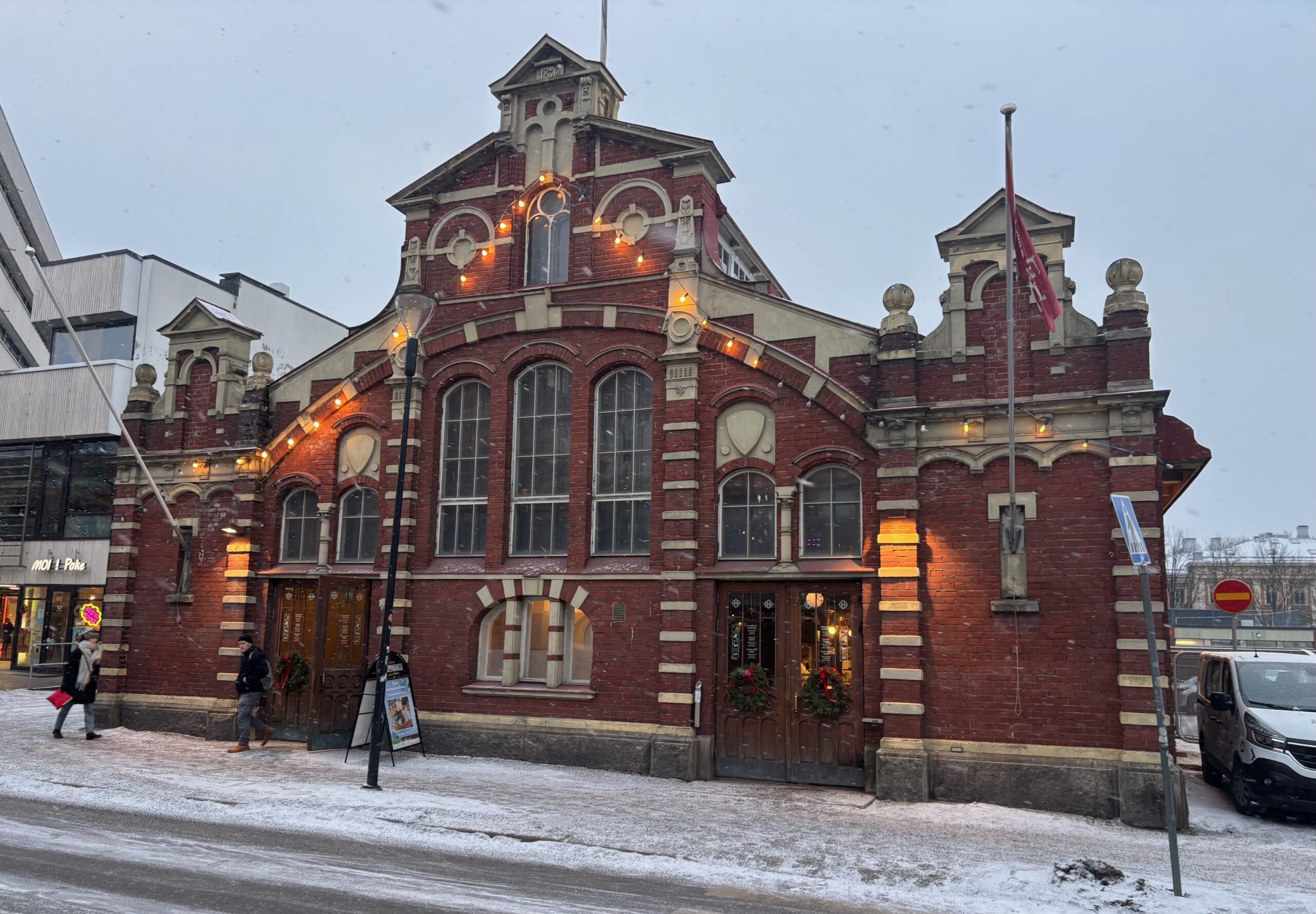
5. Turku Market Hall (Kauppahalli): A beautiful Victorian building from 1896 housing over 30 stalls selling local produce, seafood, pastries, and prepared foods. Try the fresh fish, traditional pea soup, and piispis: western Finland’s iced buns filled with strawberry jam. Great for lunch or picking up picnic supplies. The building itself is worth the visit even if you’re not hungry.
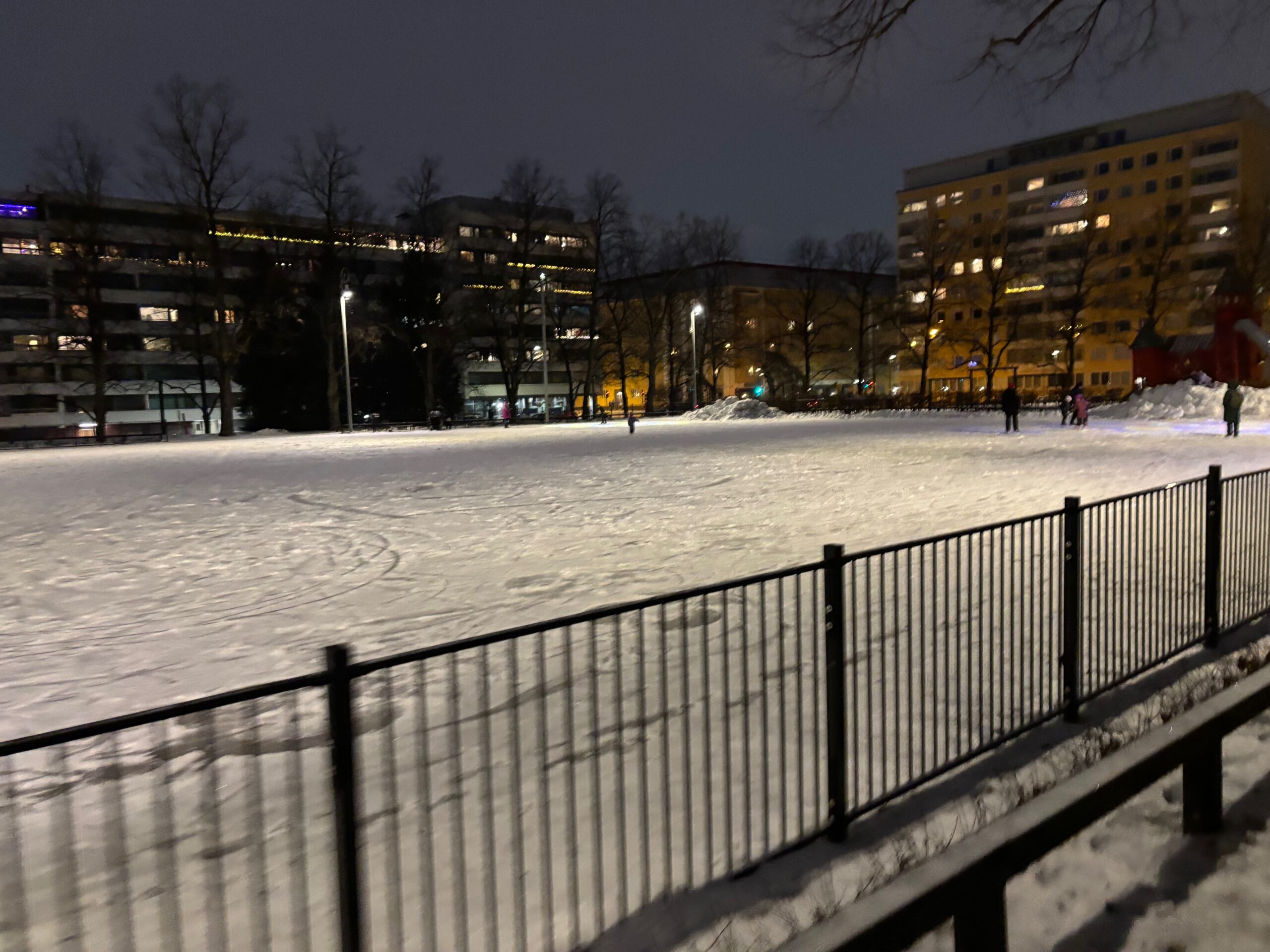
6. Kupittaa Park with ponds, playgrounds, sports fields, and, in summer, outdoor pools and open-air gyms. Even in winter, families were playing in the park.
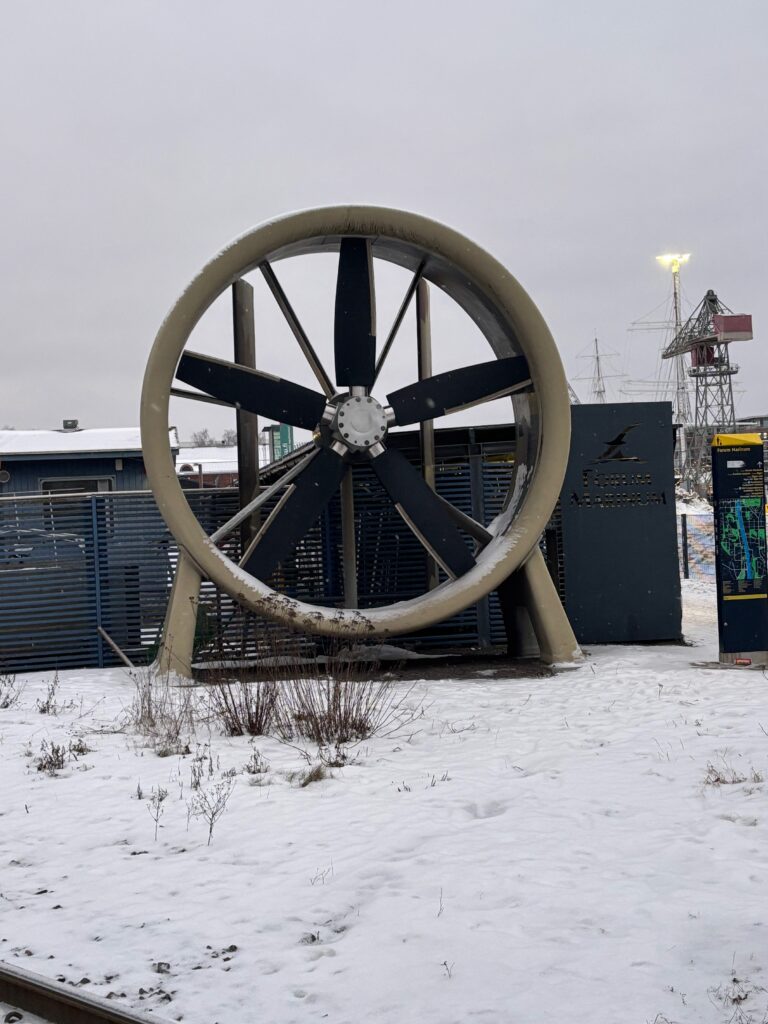
7. Forum Marinum museum, housed in an old granary, covers Finnish naval and merchant shipping history with scale models, WWII torpedoes, a comprehensive collection of ship engines, and displays on Turku’s shipbuilding industry. Outside, in summer, you can climb aboard a small fleet of historic vessels: the full-rigger Suomen Joutsen (1902), the beautiful three-masted wooden barque Sigyn (1887, moored 500 metres upstream, the last ocean-going wooden cargo barque in the world), and two WWII naval ships, the mine layer Keihässalmi and corvette Karjala. NB The layout can feel scattered and a bit confusing.
8. Luostarinmäki Museum Quarter: A hilltop cluster of 19th‑century wooden houses that survived the great fire of 1827, now preserved as an open-air museum of crafts and everyday life. It feels like stepping into a small village inside the city, with cobbles, courtyards, and workshops.
9. Wäinö Aaltonen Museum of Art (WAM)
A riverside museum focused on Finnish modern and contemporary art, including works by sculptor Wäinö Aaltonen. It is manageable in an hour or two and slots nicely into a broader river walk and coffee stop.
10. Local saunas & riverfront terraces
Public saunas and hotel/restaurant saunas along or near the river give a very Finnish way to end the day, sometimes with plunge options in winter. In summer, outdoor terraces and bars along the Aura pick up the slack, especially on light evenings and weekends.
11. Qwensel House The oldest surviving wooden house in the city is Qwensel House, which is well worth a look. It also has an intriguing pharmacy museum.

12. Turku Energia Power Plant (Fibonacci Installation) Not a traditional sight, but the glowing numbers on the power plant stack are hard to miss at night. Italian artist Mario Merz created this neon installation showing the Fibonacci sequence (1, 1, 2, 3, 5, 8, 13
It’s purely environmental public art, not technical data.
Best viewed from the riverfront after dark
FีURTHER AFIELD
Archipelago ferries from the river/harbour. Turku is effectively the gateway to a huge web of Baltic islands, from short local runs to Naantali to longer archipelago routes. Even a short ferry out and back gives a feel for the rocky, wooded coast.
Moominworld is a summer theme park on the small island of Kailo in Naantali, about 15–16 km from Turku. It is built as a walk‑through Moominvalley, with the blue Moominhouse, forest paths, a beach and small wooden buildings instead of big rides. The focus is on meeting costumed characters, watching theatre shows and joining gentle, story‑based activities for young children. The park is open mainly from June to August and is easily reached by local buses 6 and 6A, which run every 15 minutes from near Turku’s Market Square. They also run a cruise boat from Turku to Naantali.
Practical info
PLANNING YOUR TRIP (before you go)
How to Get to Turku:
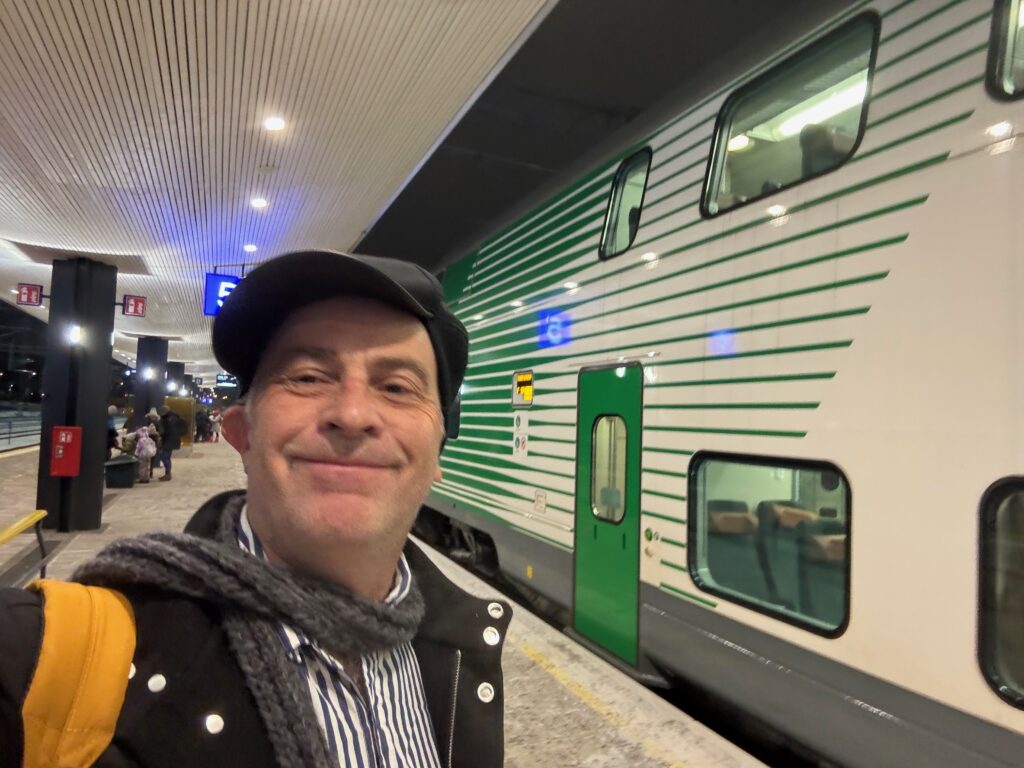
Fly to Turku (TKU) from Helsinki and some European cities. Trains connect Hesliniki, Rovanemii and Tampere. Fast and comfortable. Book ahead. Buses are cheaper but slower (2+ hours). Daily ferries from Stockholm arrive via the stunning archipelago on an overnight journey operated by Viking Line and Tallink Silja. Finnlines also runs ferries from Kapellskär (Sweden) to Naantali.
When to Visit / Weather (by season): I came in the long, dark, and cold winter. It was below freezing with snow and ice., the whole time. I loved it. Summers (June–August) are mild and bright, with average highs around 20–22°C and very long days. Thats the best time for river life and island trips.
Where to Stay (neighbourhoods): The compact city centre and the area along the Aura River are the obvious bases. Slightly further out, near Kupittaa or in quieter residential streets, you’ll find cheaper apartments and guesthouses.
Currency & Payment Methods: The currency is the euro (€). Cards (credit and debit) are widely accepted, including for contactless payments. Cash is rarely needed.
Costs (all prices in euros)
- Accommodation per night: 4-star hotel €90-150, 3-star hotel €70-90, hostel dorm bed €25-35.
- Eating out: €12-18 for casual meals, €30-50 for a meal with wine.
- Coffee: €3-4.
- 5km taxi ride: €10-15
Tipping: Not expected or required. Service is always included in bills. Staff earn fair wages and don’t rely on tips. If you received exceptional service, rounding up the bill or leaving €2-5 is appreciated but never obligatory. Over-tipping can be seen as awkward.
GETTING AROUND (while you’re there)
- From the airport: Turku Airport is 8 km north of the city centre, about a 10-15-minute drive away. Taxi is the fastest (€15-20), but the airport bus (line 1) is more than adequate, taking 15 minutes to the city centre (€3-5). If you’re heading straight to Naantali/Moominvalley, some buses go directly from the airport.
- Walking: The city centre is compact and very walkable. Most sights along the Aura River are within 20 minutes of each other on foot. There are some steep hills.
- Buses: Excellent public transport network called Föli covering Turku and surrounding municipalities (Kaarina, Raisio, Naantali, Lieto, Paimio, Rusko). Flat fare throughout the entire zone regardless of distance. Single ticket €3-3.50 (valid 2 hours with transfers), day ticket around €8. Buy tickets on board with cash or a contactless card, or use the Föli app (recommended). Contactless payment automatically calculates the lowest fare based on your trips (capped at €57 for 30 days).
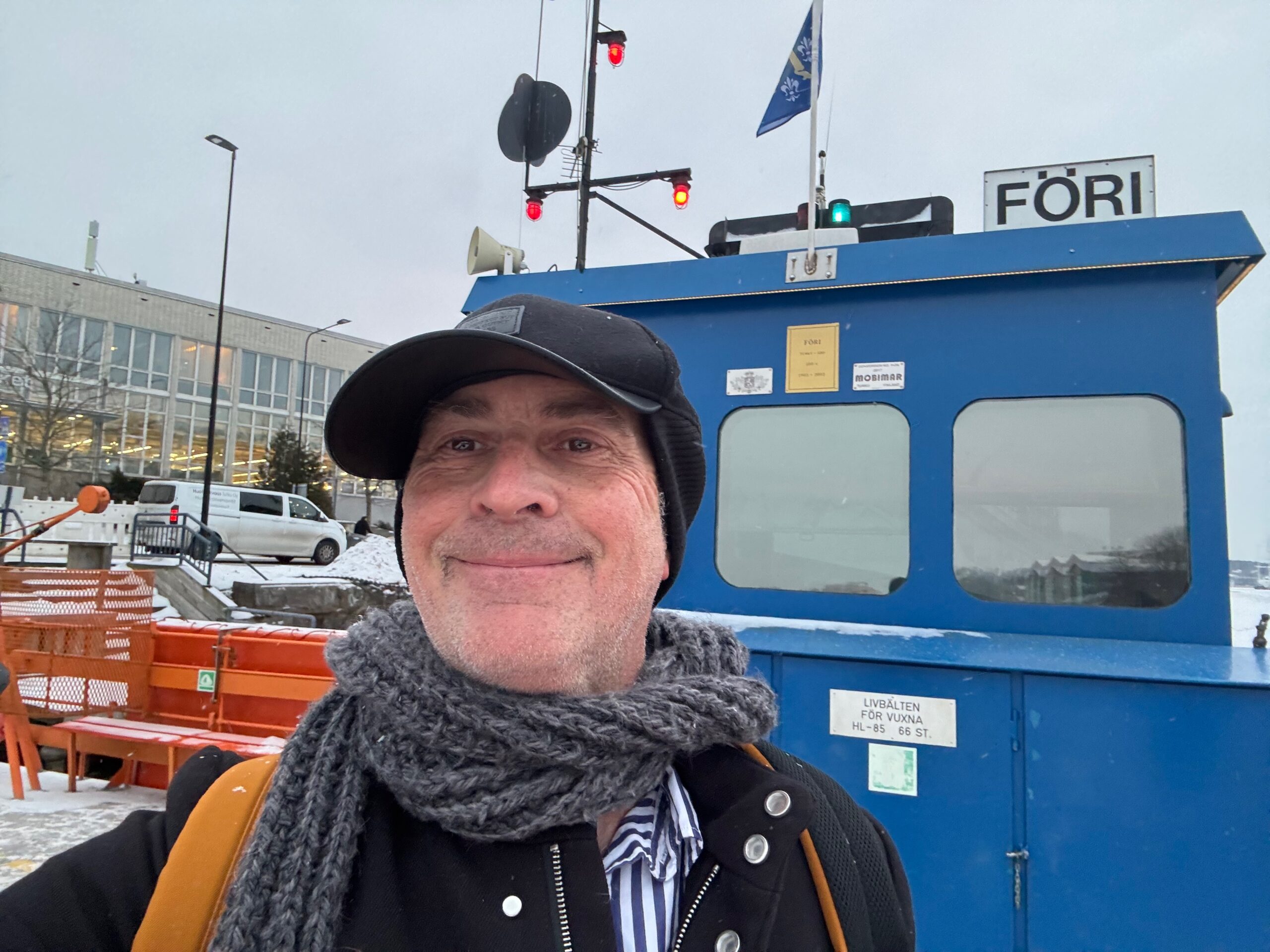
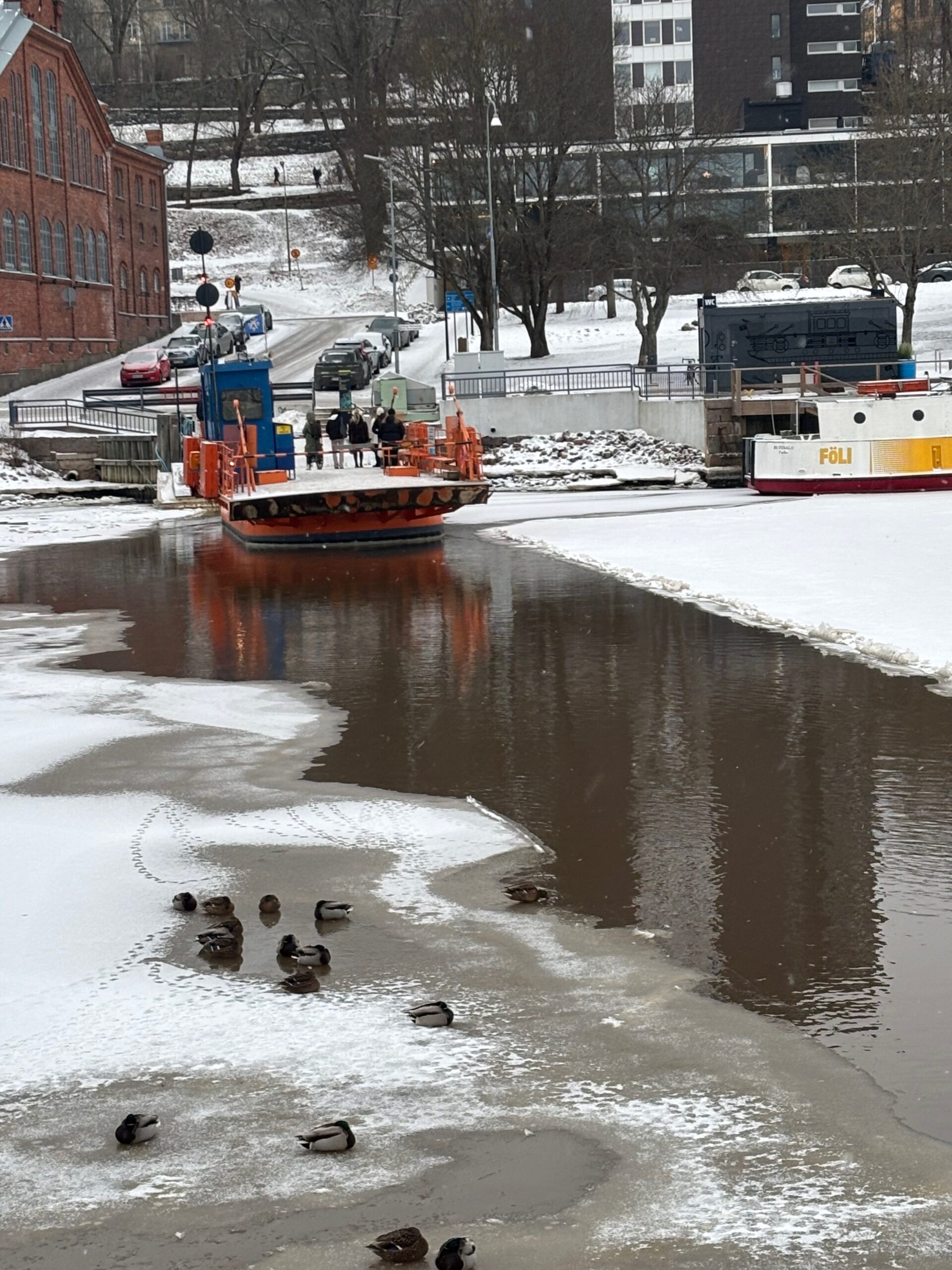
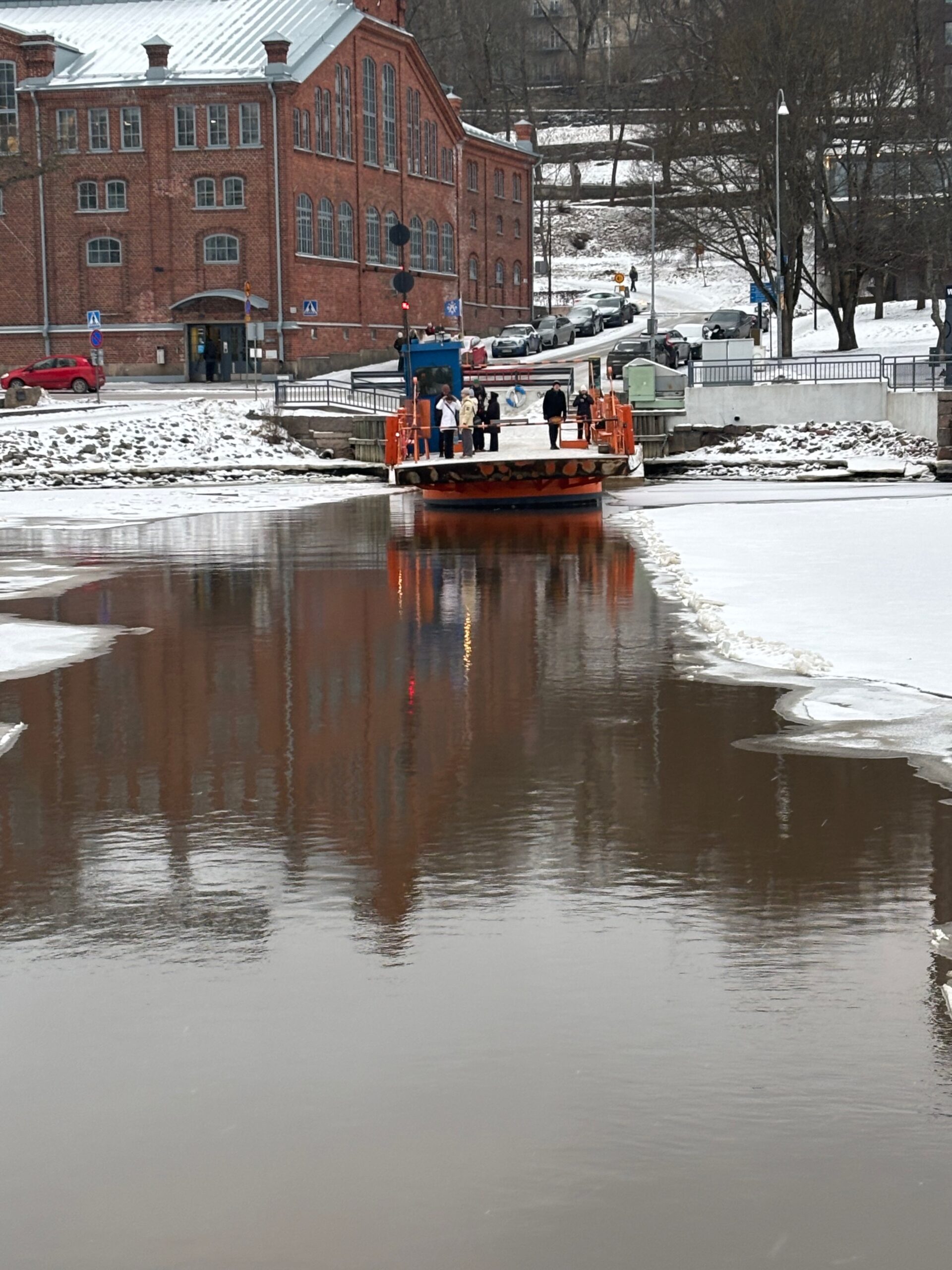
- Föri (a small free ferry) crossing the river was fun, iconic, and genuinely useful. Water buses run in summer from the Aura River to Ruissalo Island.
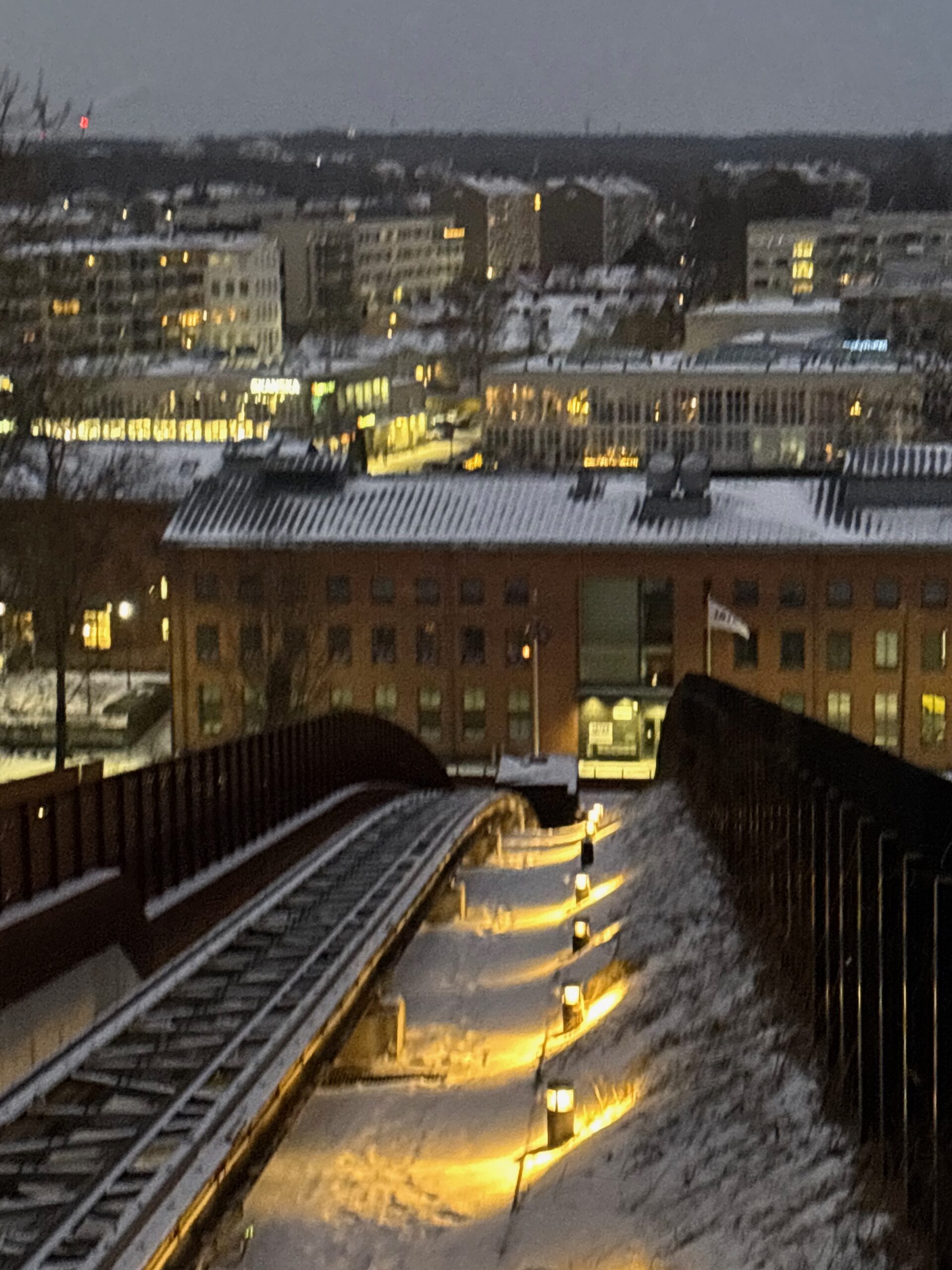
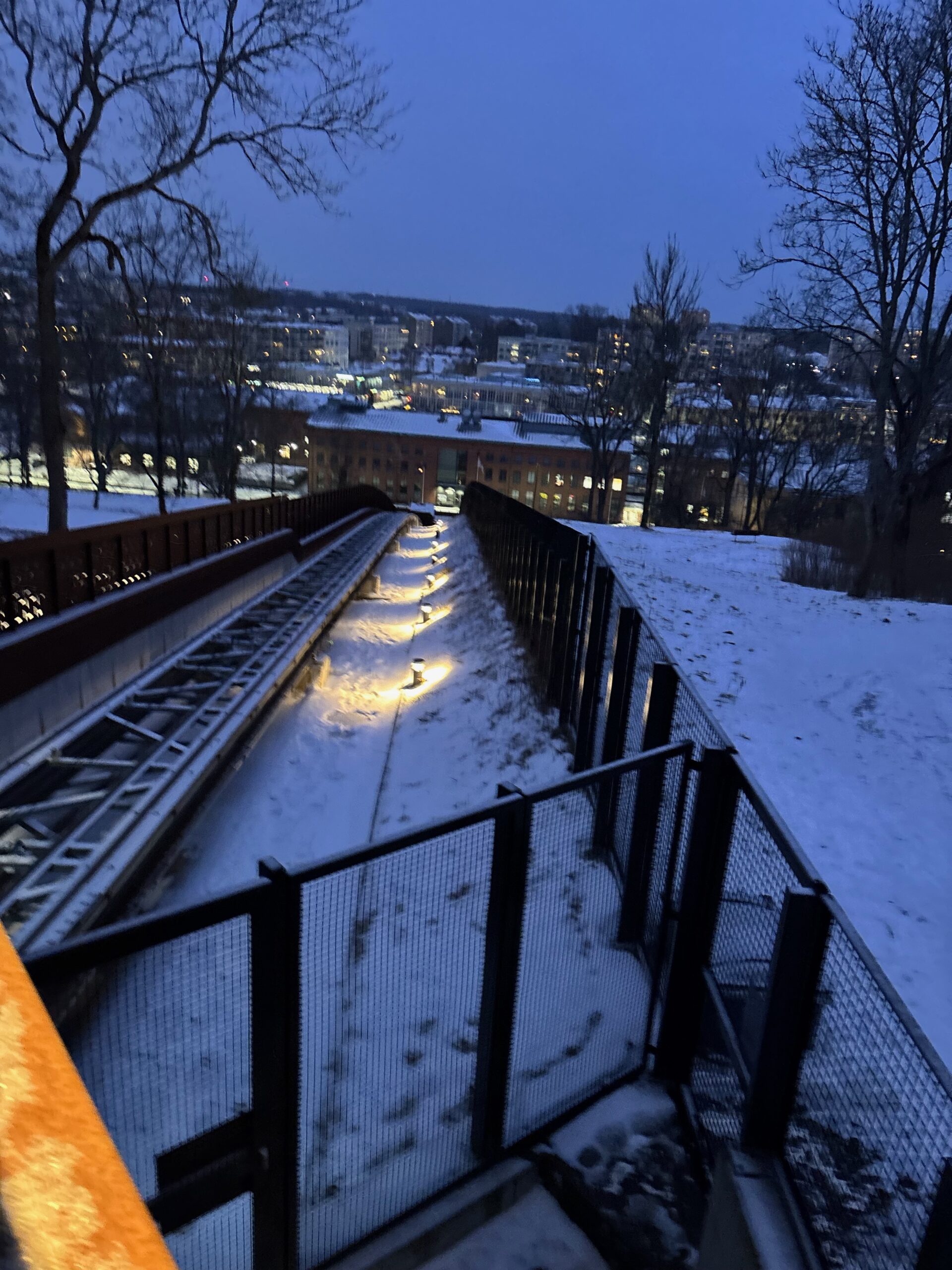
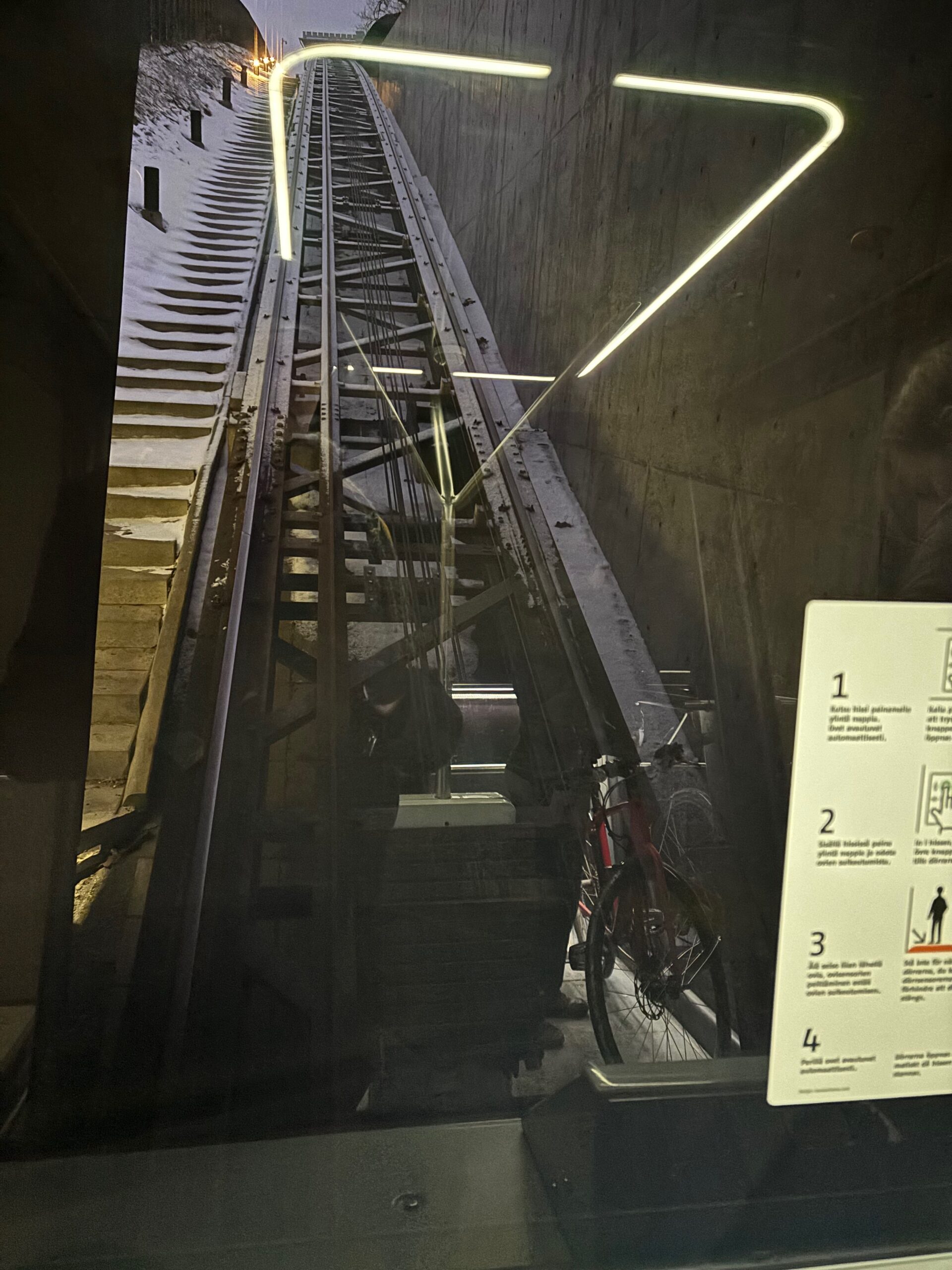
- Kakola Hill & Inclined Elevator, Finland’s first outdoor inclined elevator, runs 130 metres up Kakolanmäki in about a minute and is free. At the top, the former prison built in 1853 has been converted into restaurants, bars, and housing. Excellent views over the city and river. The prison held inmates until 2007; now it’s one of Turku’s trendier neighbourhoods.
- Biking: Flat, bike-friendly city with dedicated lanes. Rental bikes available. Perfect for exploring the riverfront and Ruissalo Island.
- Taxis: Reliable, clean, and professional. All accept card payments. Rounding up the fare is appreciated but never expected.
- Car rental: Unnecessary for Turku itself but useful for day trips to Naantali (Moominvalley), the archipelago islands, or the national parks.
MAXIMISING YOUR EXPERIENCE
- Crime and Safety: Turku is very safe by global standards, but ranks as one of Finland’s least safe cities domestically (alongside Vantaa). Crime is low compared to most European cities. Violent crime and street crime are rare. Substance users in the city centre can cause discomfort but rarely pose a direct threat. Use common sense: watching bags in busy spots, moderating late‑night drinking, and using licensed taxis or apps are usually enough.
- Emergency: 112 (Police, Fire, Ambulance, all services). Works across all EU countries. No area code needed.
FOOD MUST TRIES:
- Salmon soup (lohikeitto) — Finnish comfort food.
- Karelian pies (karjalanpiirakka) — rice or potato-filled pastries.
- Reindeer (poronkäristys) is sautéed and eaten with mashed potatoes and lingonberries.
- Kalakukko: fish baked inside bread, a Turku specialty.
- Kiss My Turku cake — blueberry chocolate cheesecake
- Tap Water: Safe and delicious to drink. Finland’s tap water is among the cleanest in the world — save your money, skip bottled water.
Coffee: Turku has a thriving café culture, especially along the Aura River. I enjoyed Cafe Art by the river, Cafe Qwensel in the musem I mentioned above
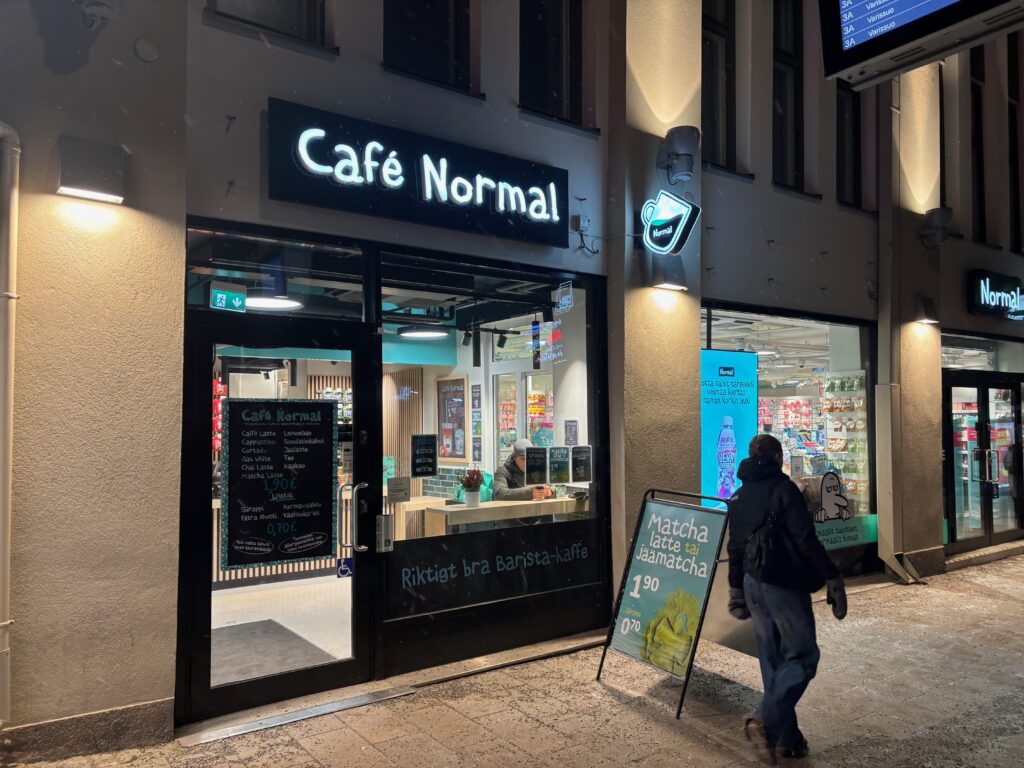
Finns reportedly consume the most coffee in the world! I like the Fazer, Picnic and Espresso House chains but was stunned to find Normal Cafe has good, very cheap takeaway coffee and hot chocolate.
MY VERDICT (wrapping up)
My Rating: Turku comes in as my 53rd-favourite city in the world, out of 306 I have visited or lived in. I place it around Chengdu, Athens, and Glasgow. I place all these cities in a “Super Great” tier. It’s a relaxed, liveable river city that works best when you don’t expect constant spectacle.
Would I Come Back? Yes, especially in summer. It’s the gateway to Naantali and Moominvalley, which gives me a perfect excuse to return.
How Many Days to Spend Here? Two to three days comfortably cover the core sights. If you’re using Turku as a gateway to Naantali (Moominvalley) and the archipelago islands, stretch it to five or six days. A week here would be genuinely pleasant in summer for a home-away-from-home experience.

Great insights shared in this blog! In today’s fast-paced digital market, high-quality visuals truly make a difference in how brands and listings perform online. Many photographers and other professionals are choosing reliable post-production partners to maintain consistency and save time. Services like SnappEditt help streamline photo editing workflows with professional quality and fast turnaround, allowing creatives to focus more on shooting and growing their business. Looking forward to more informative content like this!