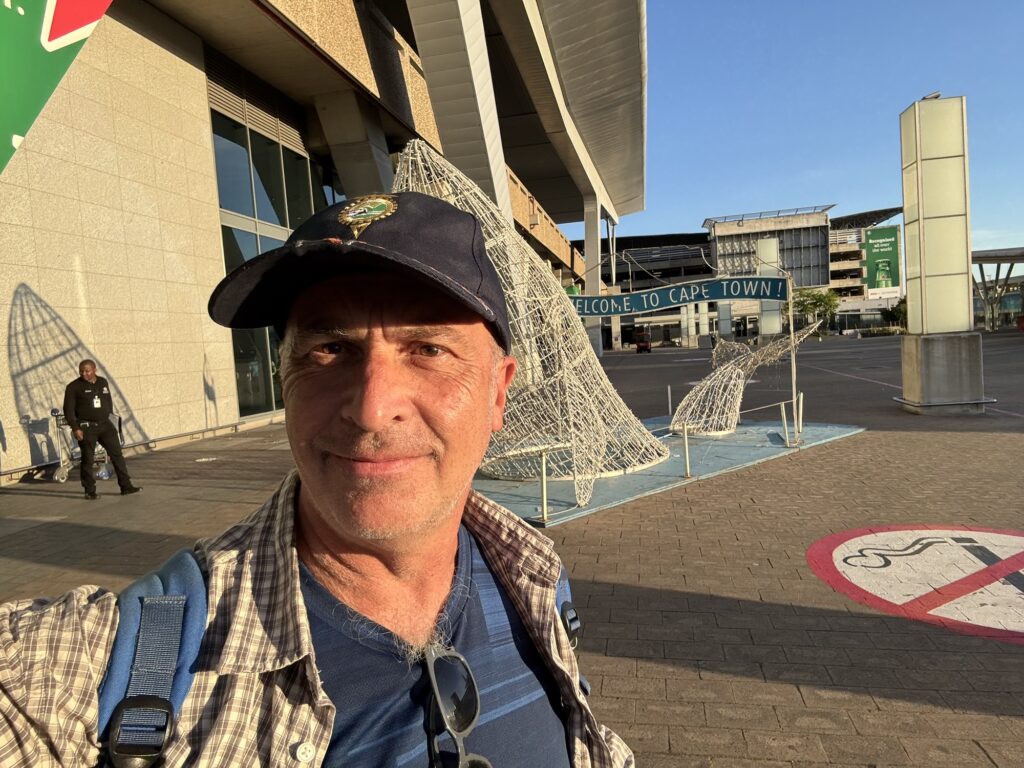
I came to Cape Town hoping to like it and ended up loving it. I want to encourage other visitors to look beyond the surface here. It’s a complex and fascinating place.
Introducing the City
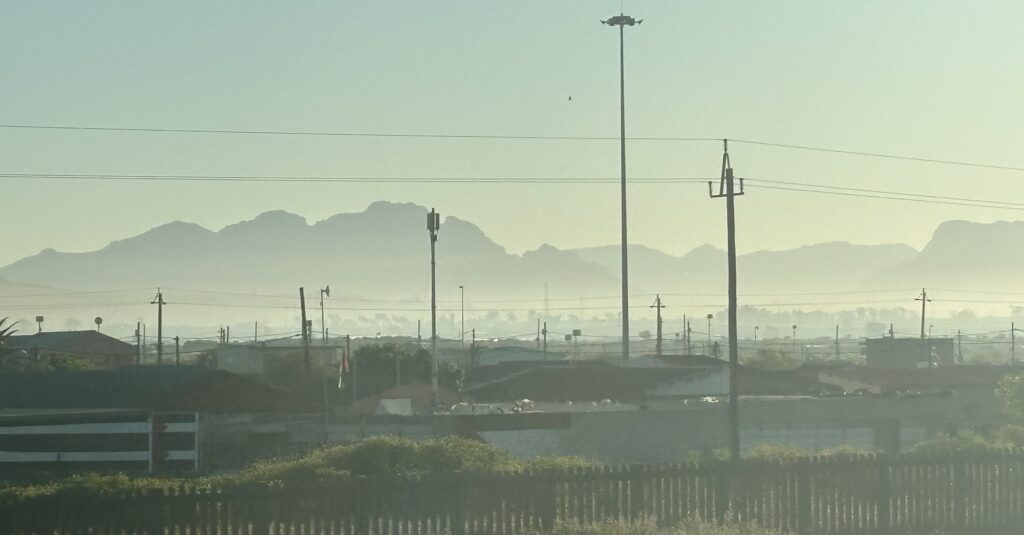
The road from the modern Cape Town airport passes through the sprawling townships of Langa, Nyanga, and Gugulethu, dense settlements of shacks with varying degrees of access to electricity and water, and unemployment rates over 50%. Literally around the corner are the well-lit, well-patrolled suburbs of Sea Point and Camps Bay, where mind-bogglingly priced sea-view homes cling to the slopes beneath Table Mountain. This division is one of the most visible signs of the legacy of colonisation, segregation and apartheid. It affected me personally when I was almost mugged just outside the Castle of Good Hope in the city centre.
You have to understand some History.
Cape Town was founded by the Dutch East India Company in 1652 as a refreshment station for ships en route to Asia. They then brought 60,000 slaves from Africa and South East Asia while 25,000-30,000 Europeans arrived over the same period. The Cape Malay people today are descended from these slaves.
The British invaded and captured the Cape from the Dutch in 1806. Under the 1814 Anglo-Dutch Treaty, Cape Town became British. This meant the abolition of slavery in 1834, the adoption of English as the official language, and new land policies.
In 1836, up to 14,000 Dutch-speaking farmers(known as the Boers) left the Cape Colony on “The Great Trek” to establish independent republics beyond British control.
In 1913, Cape Town and several adjacent towns combined to form the City of Greater Cape Town with a population of 200,000.
Segregation policies intensified through the 19th and early 20th century. Cape Town was unique in South Africa for allowing Black South Africans to vote (though limited by property and education requirements), but this right was progressively taken away between 1892 and 1960.
The 1948 apartheid policy created a racially divided Cape Town. For almost five decades, where you lived, your experience of the city, your employment and your freedom depended solely on the colour of your skin. In 1994, democracy for all and official equality were established. Much has changed since, and some hasn’t.
Cape Town Today
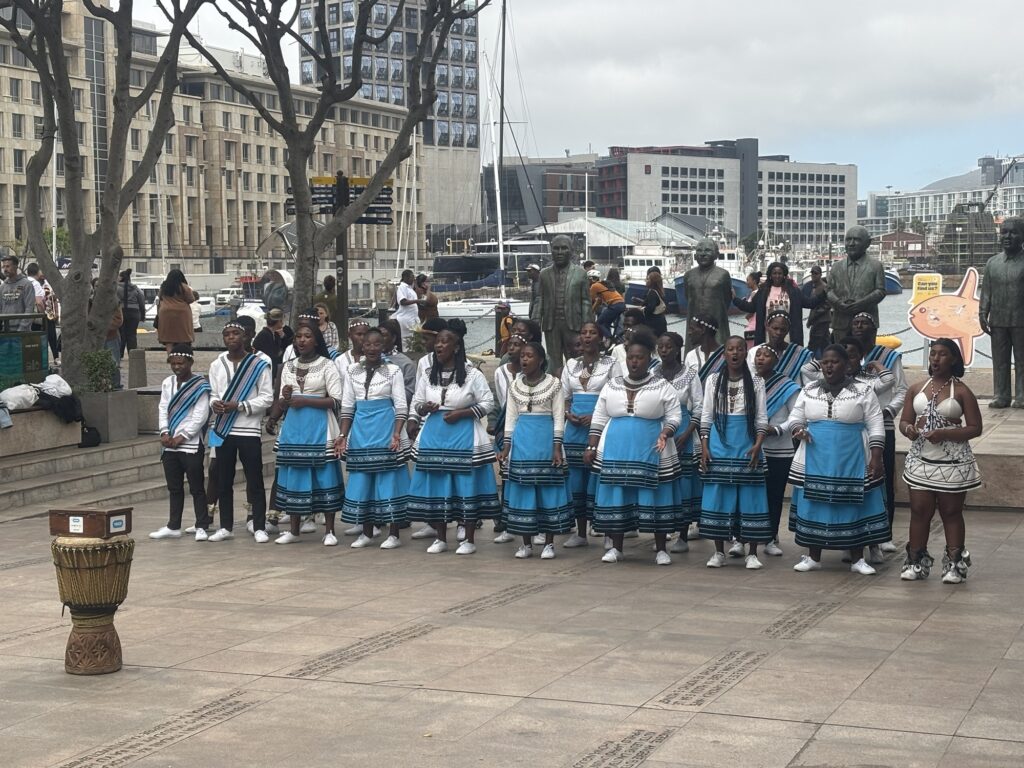
Over four million people call Cape Town home, and most still live in the areas they were forced into under apartheid. Residential patterns still largely reflect apartheid-era geography, though many communities have transformed these areas into vibrant neighbourhoods with their own distinct character. Post‑apartheid, there is great pride and creativity (music, graffiti, spoken‑word, festivals) but also frustration at persistent inequality, gang violence and exclusion, especially on the Cape Flats, which shapes a tough, ironic, often very direct local humour.
Geography
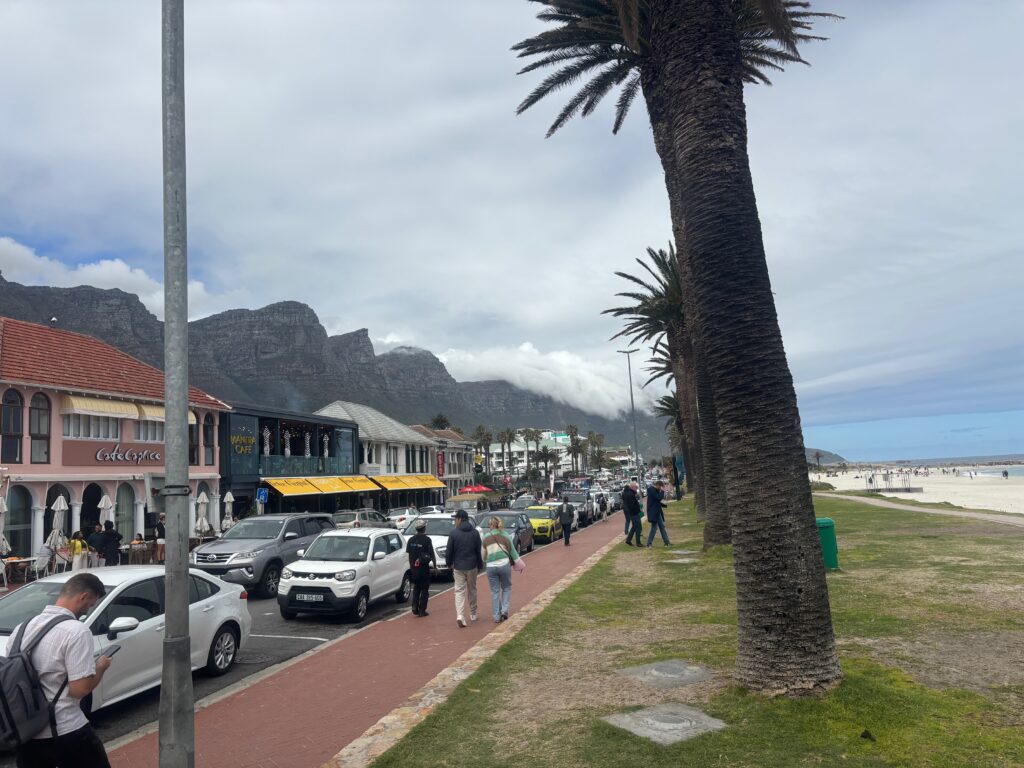
Cape Town sprawls in a crescent around the dramatic Table Mountain, hemmed in by the Atlantic to the west and False Bay to the east. The City Bowl sits in the natural amphitheatre beneath the mountain, where you’ll find the city centre and Parliament. To the northwest, the Atlantic Seaboard runs from the V&A Waterfront through Sea Point to Camps Bay. This is Postcard Cape Town, expensive and scenic. South of the city centre lie Woodstock and Observatory, grittier and more mixed. East and southeast of the Cape Flats stretch the vast townships most visitors never see.
My Top 12 Sights & Experiences
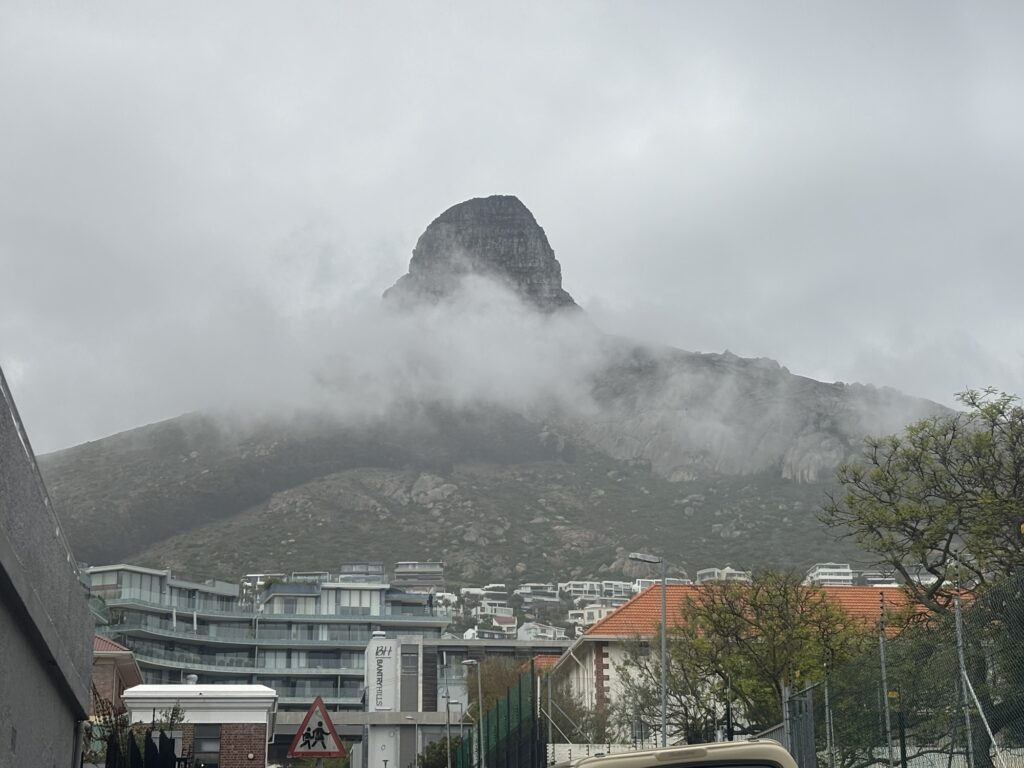
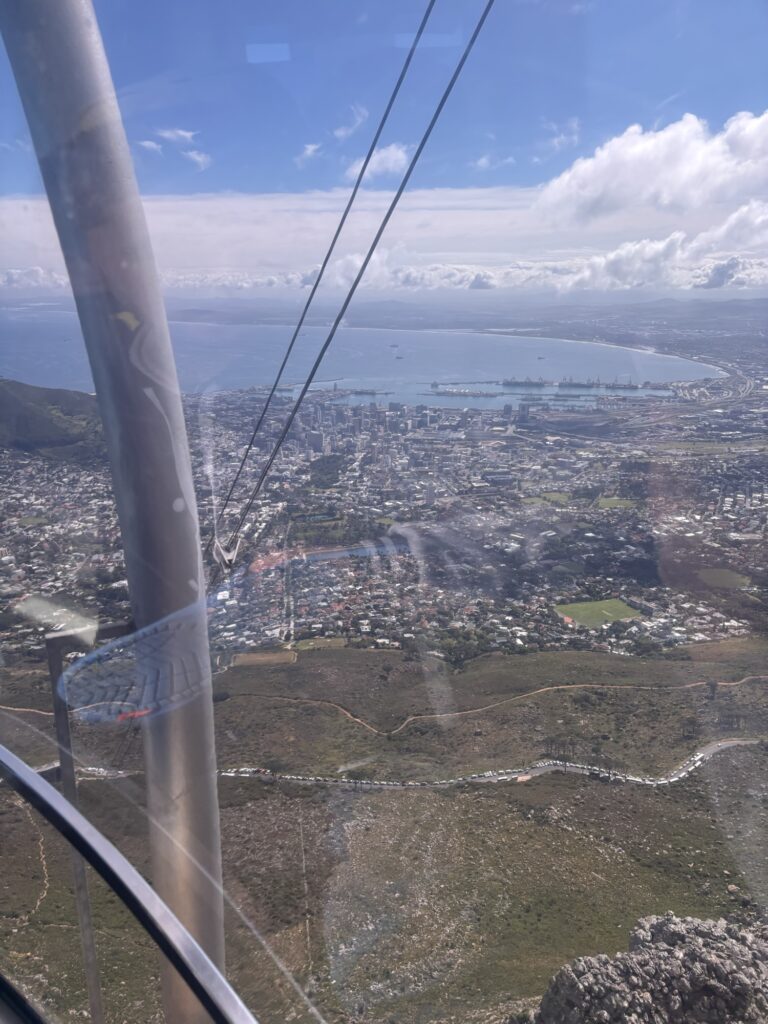
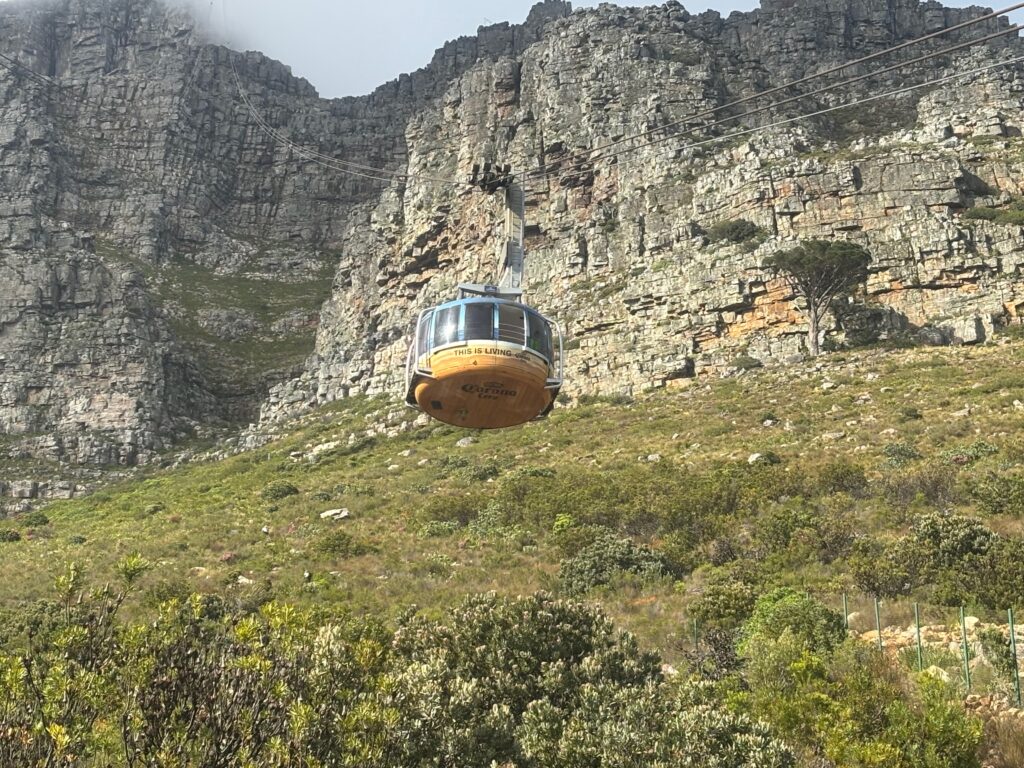
- Table Mountain cable car ride. Yes, every tourist comes here. Book online and arrive early before the tour buses arrive. The skip-the-queue passes cost a fortune; they know how to extract their money! Many walk up and cable car down or vice versa. The cable car rotates as it ascends, giving you 360-degree views, which is very cool. The weather can turn fast, and that famous tablecloth cloud over the mountain can shut down the cable car without warning.
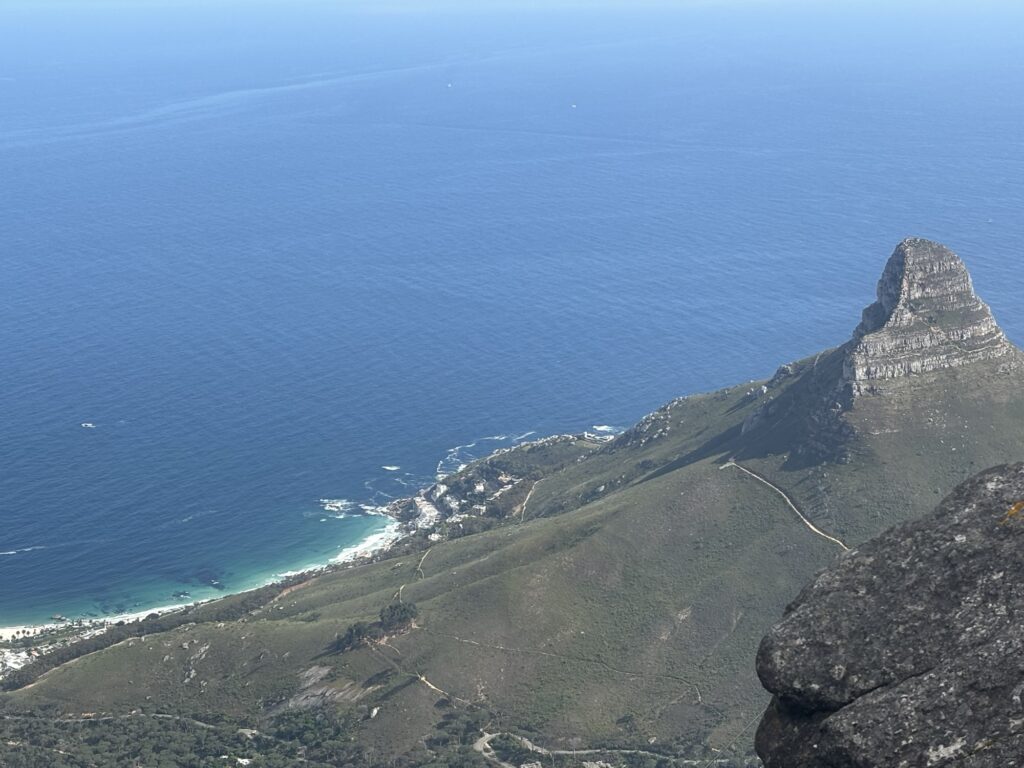
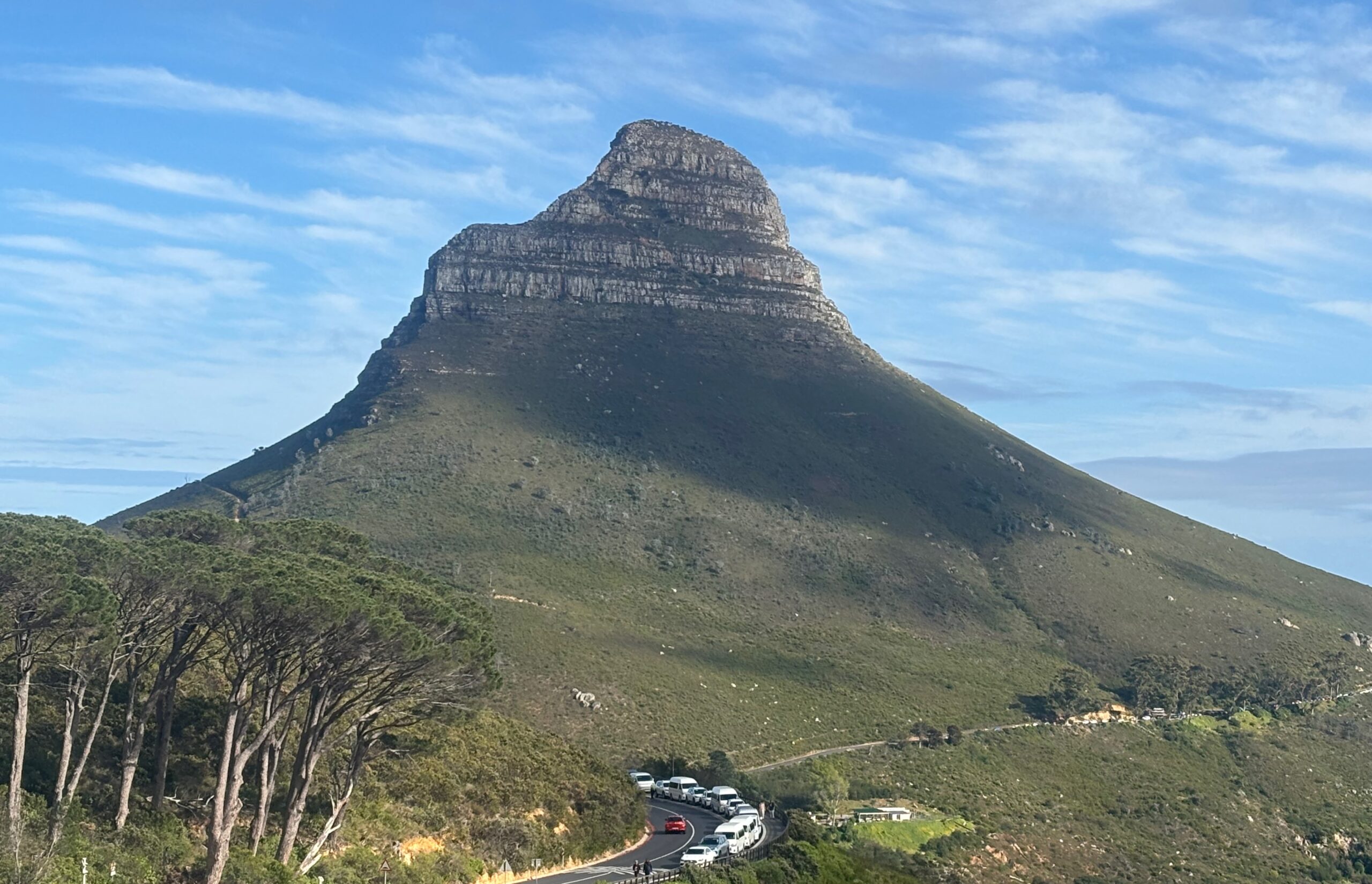
2. Lion’s Head hike. Lion’s Head at sunset is pure magic, though the final scramble uses chains. NB There are regular reports of muggings on this walk. Last year, the British Foreign Office sent out a warning to UK tourists after ‘violent attacks’ here. Go with a group/tour.
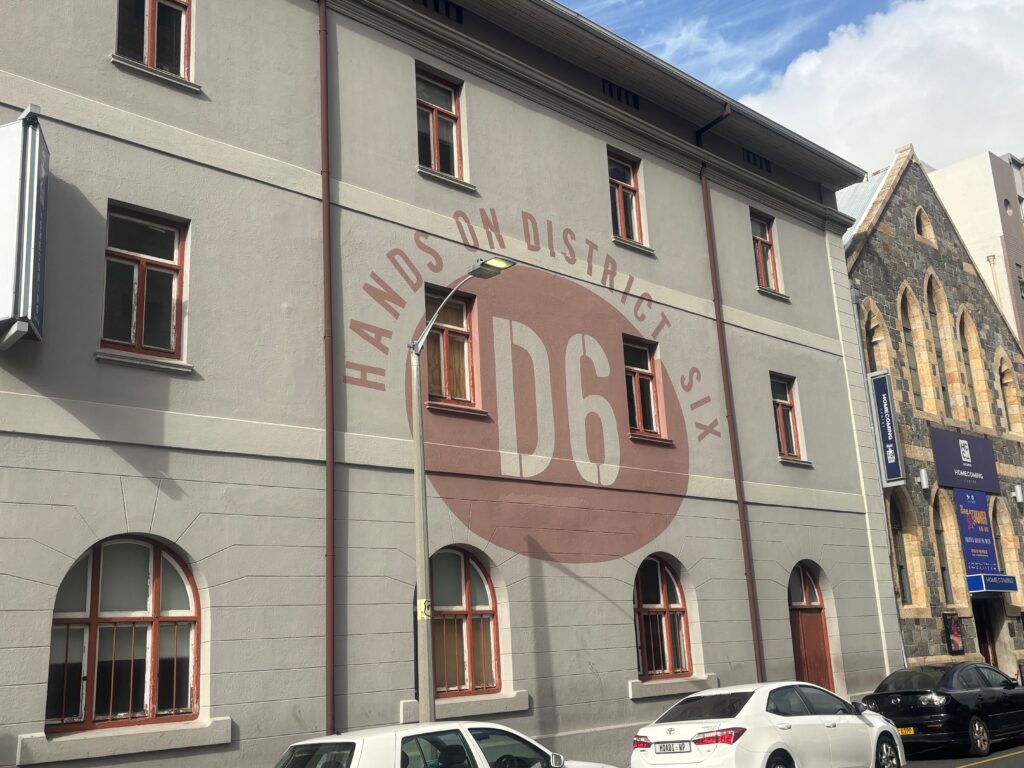
3. District Six Museum. Right in the centre of the city’s story is District Six (the movie “District 9” was loosely inspired by it), a once-vibrant, mixed neighbourhood where over 60,000 people were forcibly removed, their homes bulldozed and the streets rearranged under the 1970s Group Areas Act. Don’t skip this. The emotional weight is immense, but it’s essential to understanding the city.
4. Kirstenbosch National Botanical Garden is 528 hectares in total, with 36 hectares under cultivation. Gardens at the foot of Table Mountain with a café and a restaurant. The elevated walkway through the trees is a highlight.
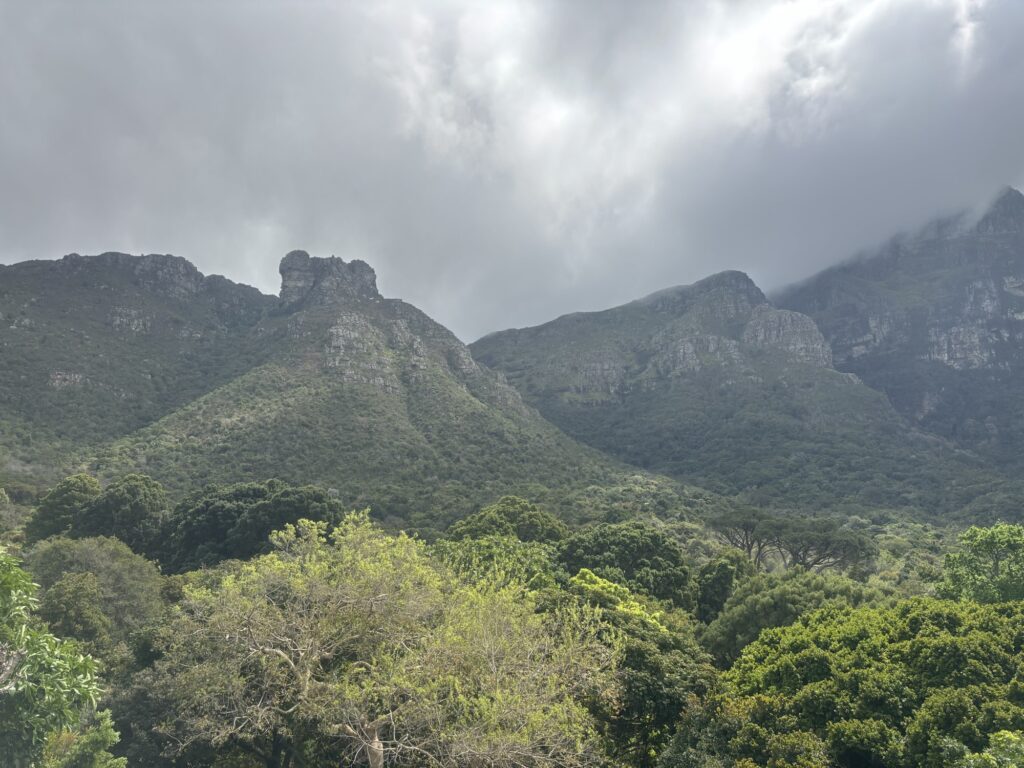
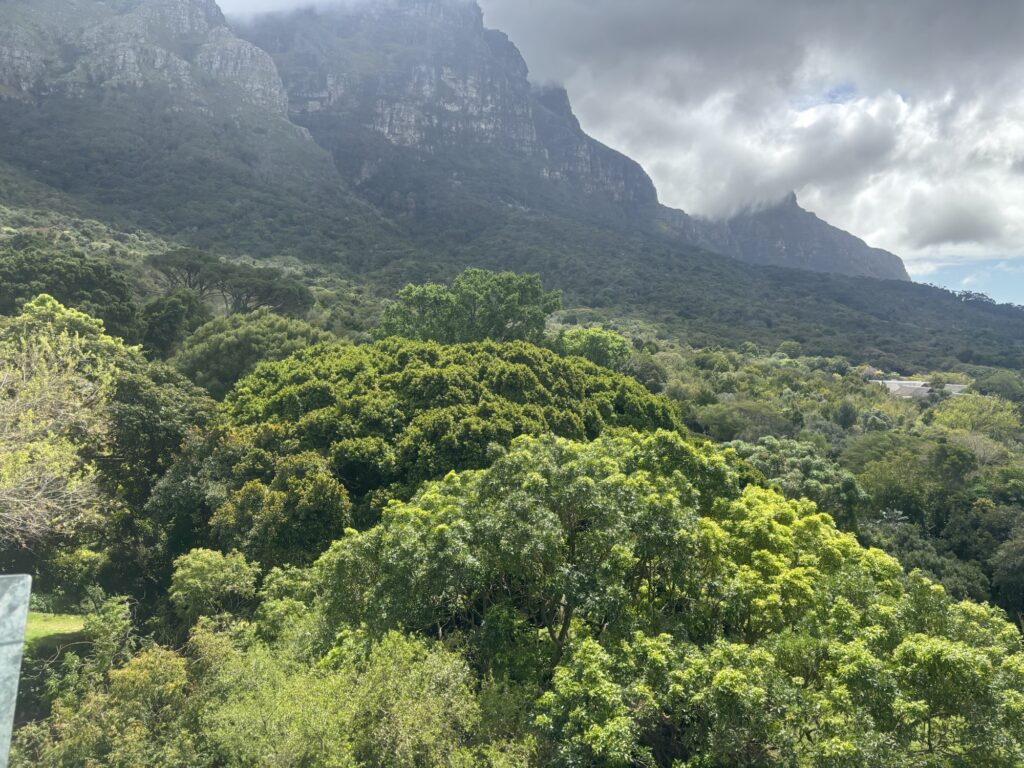
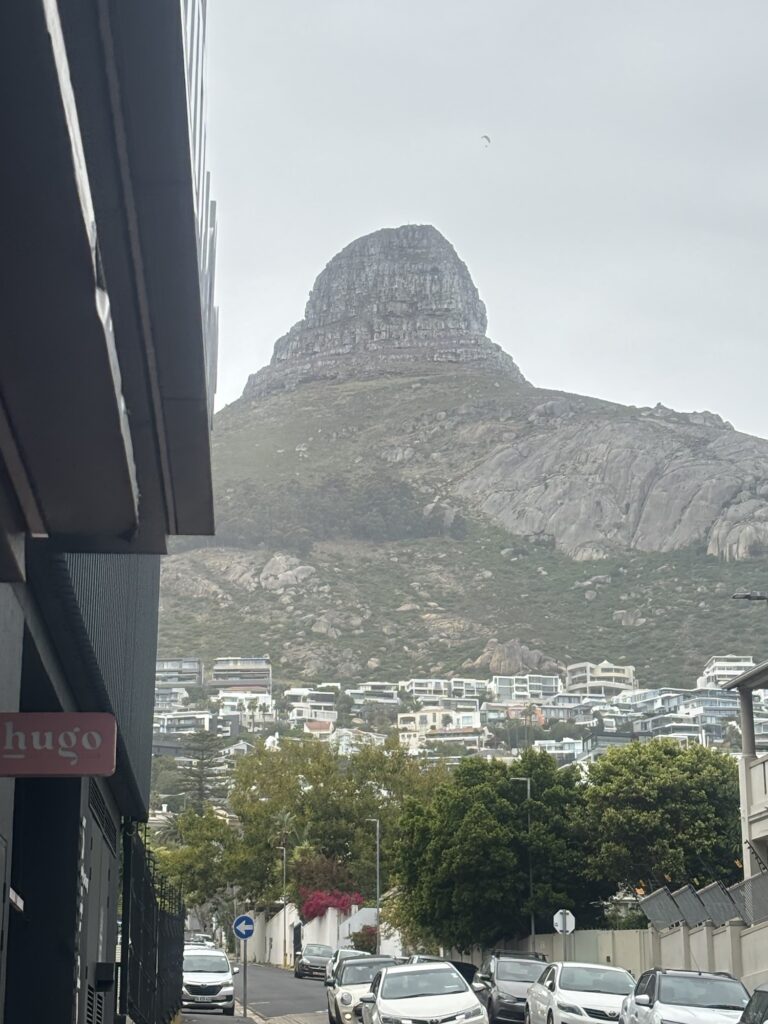
5. Kloof Street, which is on Time Out’s World’s Coolest Streets in the World for 2025, stretches from the upper edge of Cape Town toward Tamboerskloof, where it meets the city bowl. Houses with Victorian façades and broekie-lace balconies, concept stores, cocktail dens, great coffee and restaurants framed by mountain views. Good people-watching.
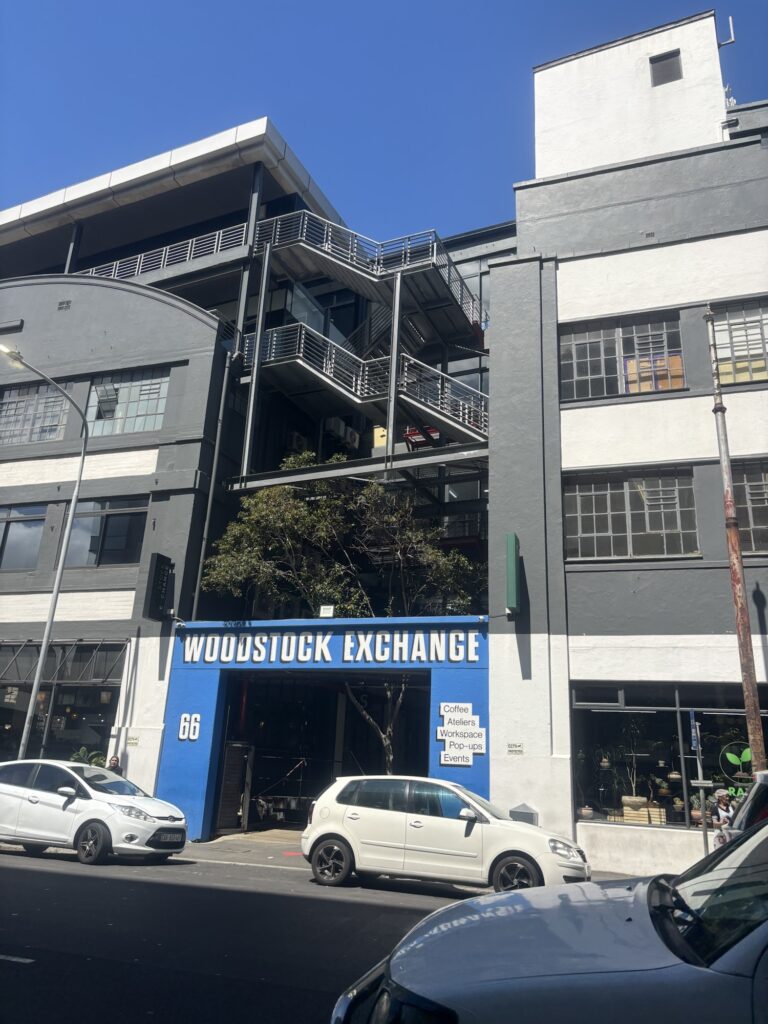
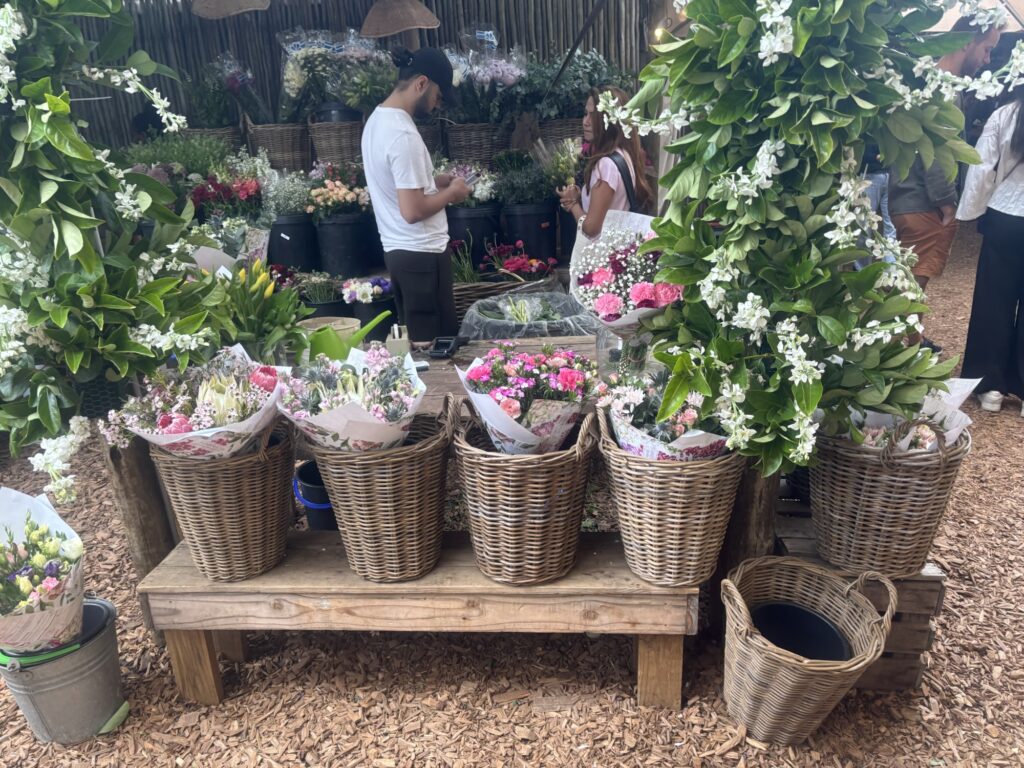
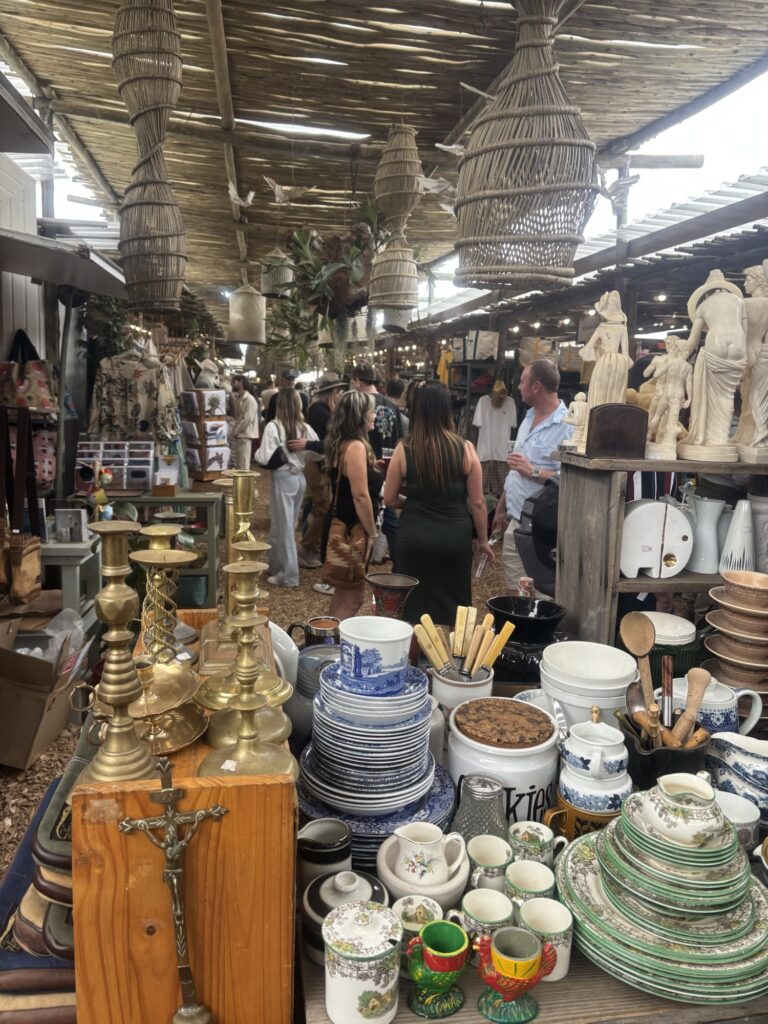
6. Woodstock: Woodstock was one of my favourite neighbourhoods. Edgy, creative, and rapidly gentrifying, with street art, markets, and coffee spots like the Old Biscuit Mill, with its excellent Saturday market for food and design. One caveat. Didn’t feel 100% safe on the streets, so watch your steps.

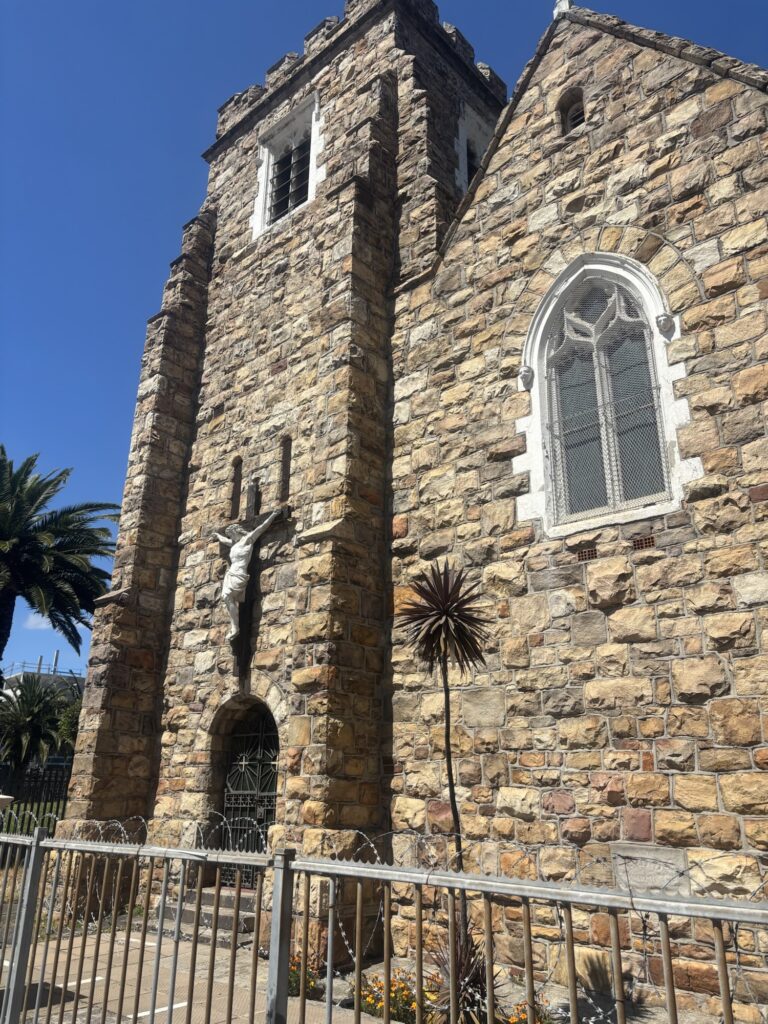
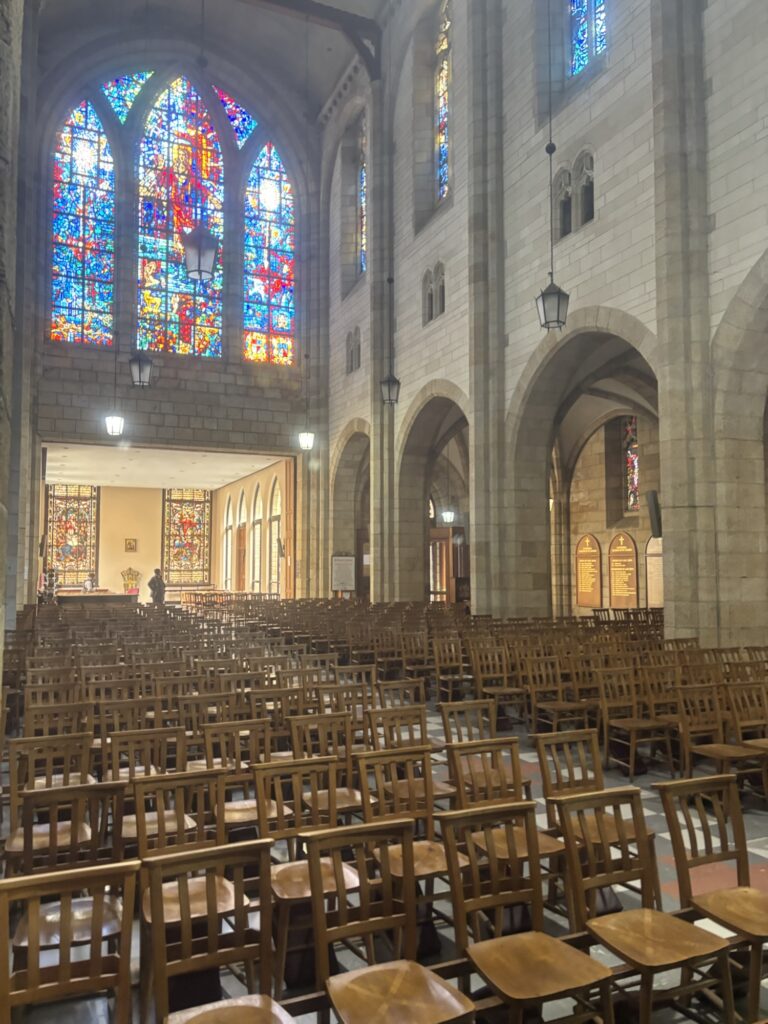
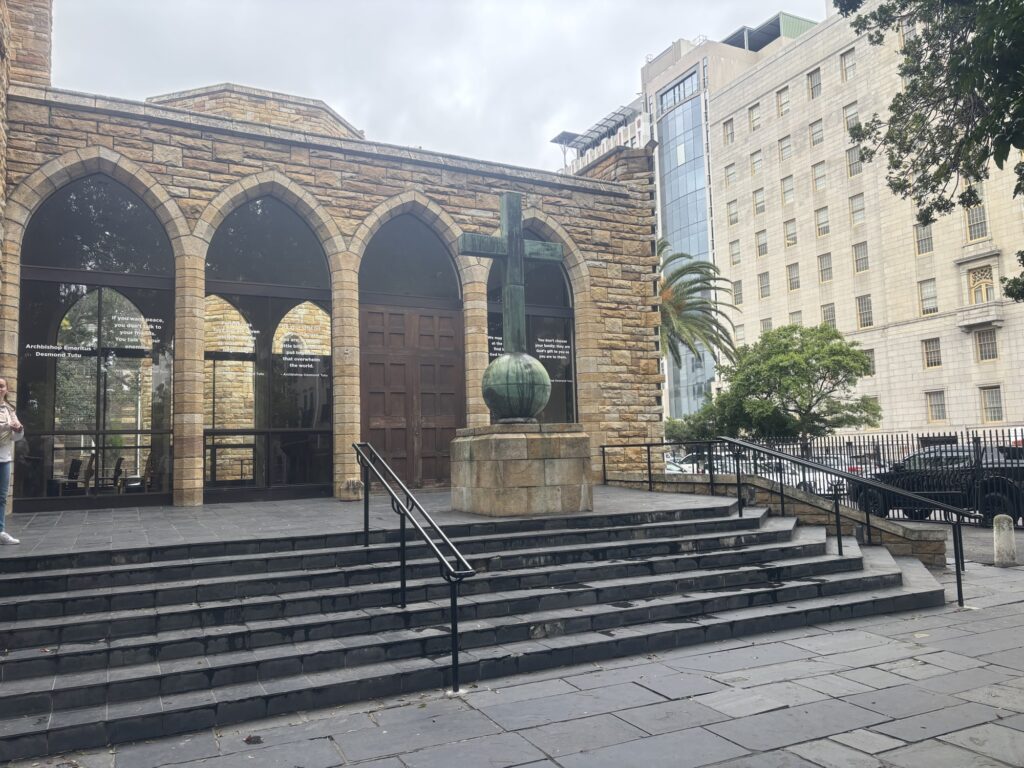
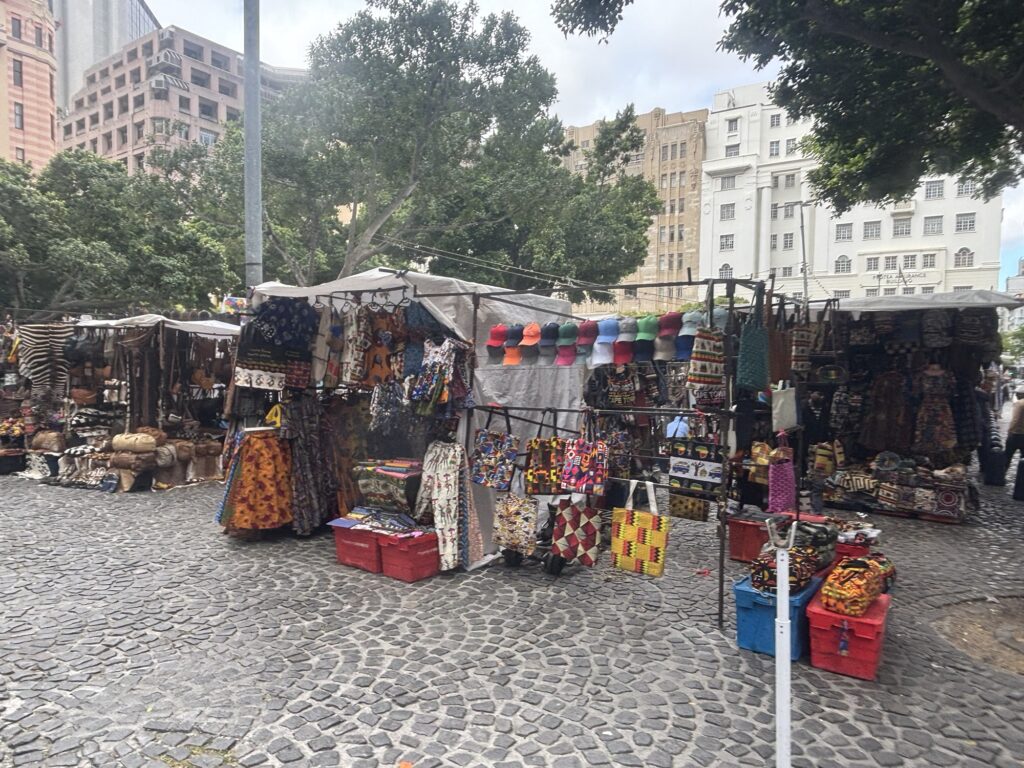
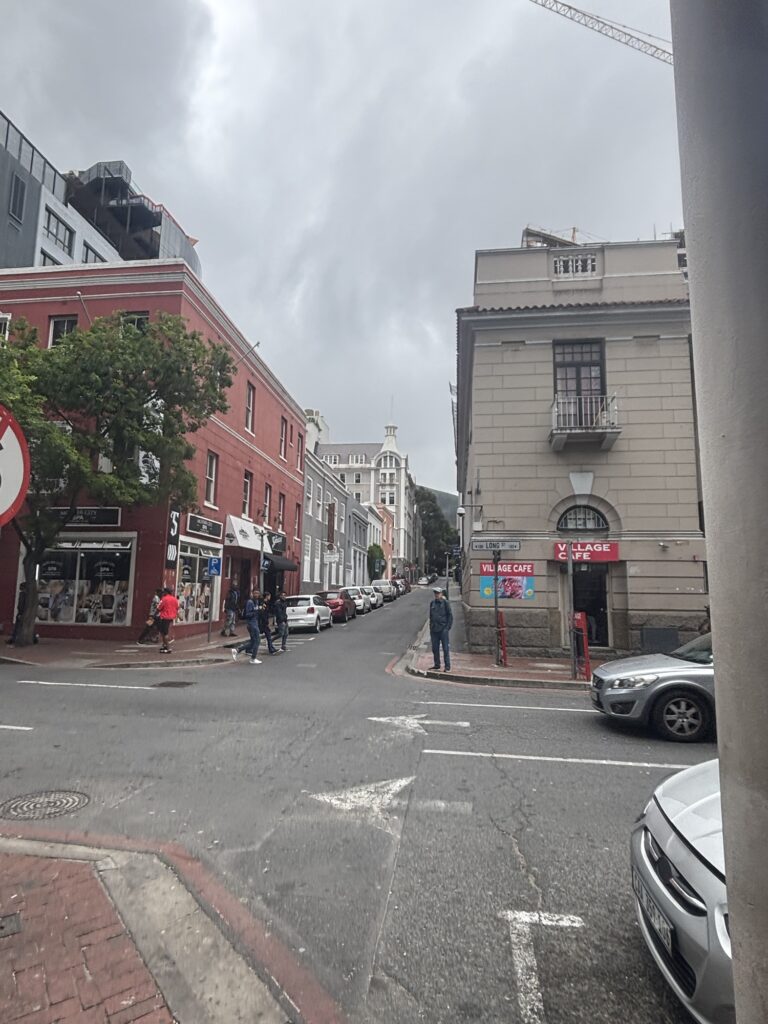
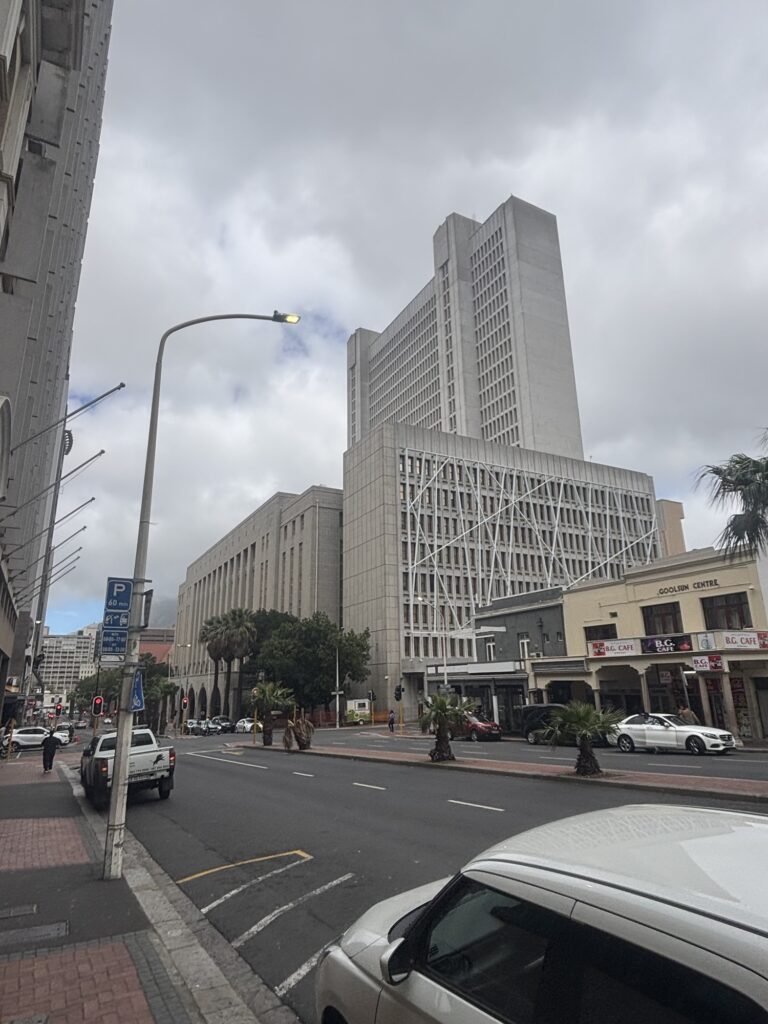
7. A central-city walk via the Company’s Garden near Parliament Buildings, Archbishop Tutu’s St George’s Cathedral, Greenmarket Square, St George’s Mall, the old Dutch Reformed Groote Kerk, the central Methodist Church, and the Castle. It’s compact and walkable. Be vigilant.
8. Robben Island. The island prison where Nelson Mandela spent 18 of his 27 years in captivity, along with other political prisoners. The ferry from the V&A Waterfront takes 30 minutes, and tours are often led by former prisoners themselves. Book well in advance as it sells out. The experience is sobering and essential, especially after visiting the District Six Museum. Weather can cancel ferries without much notice, so build flexibility into your schedule. Some of the tourists found the swell to be overwhelming so bring sickness tablets if you have a sensitive stomach
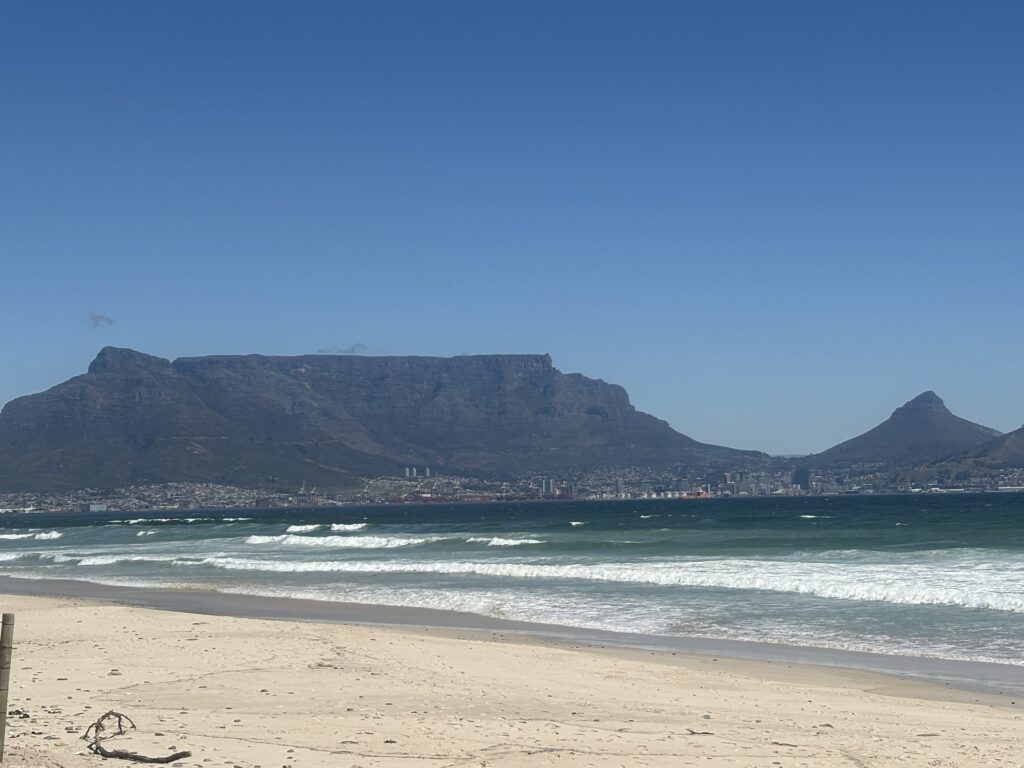
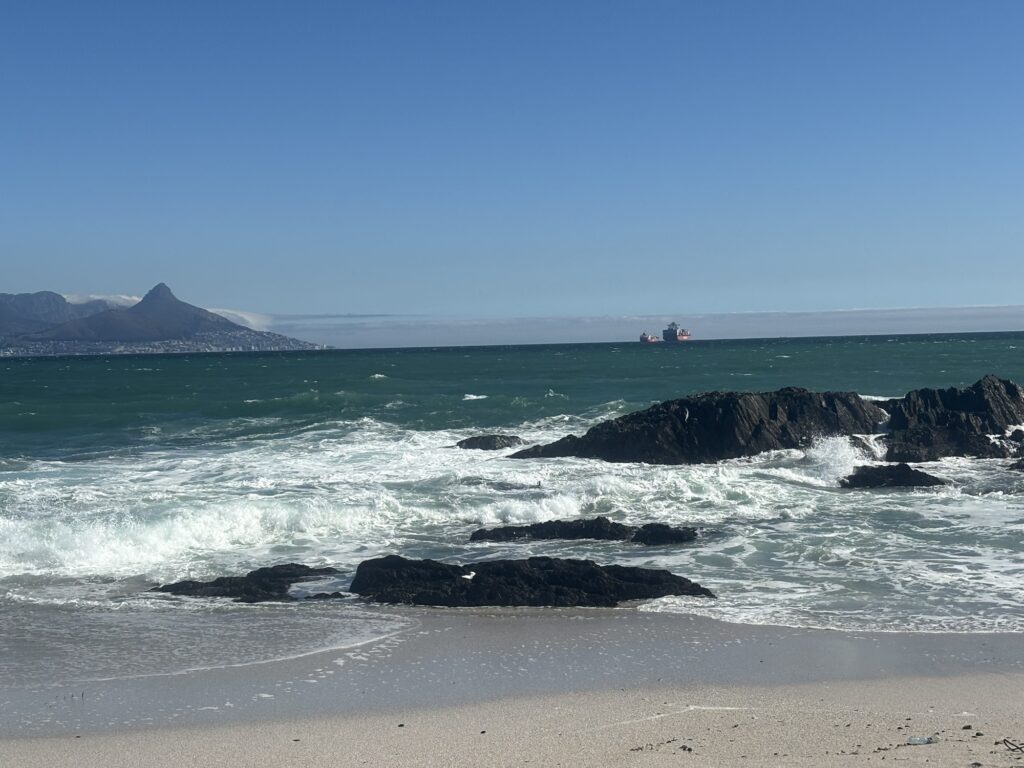
9 Sunset Beach. A long sandy beach between Milnerton and Bloubergstrand on the lower west coast, with spectacular views across Table Bay. Relatively quiet during the week, frequented mainly by locals and kiteboarding enthusiasts. It can be battered by the Cape winds, making it popular with kiteboarders but not with regular beachgoers.
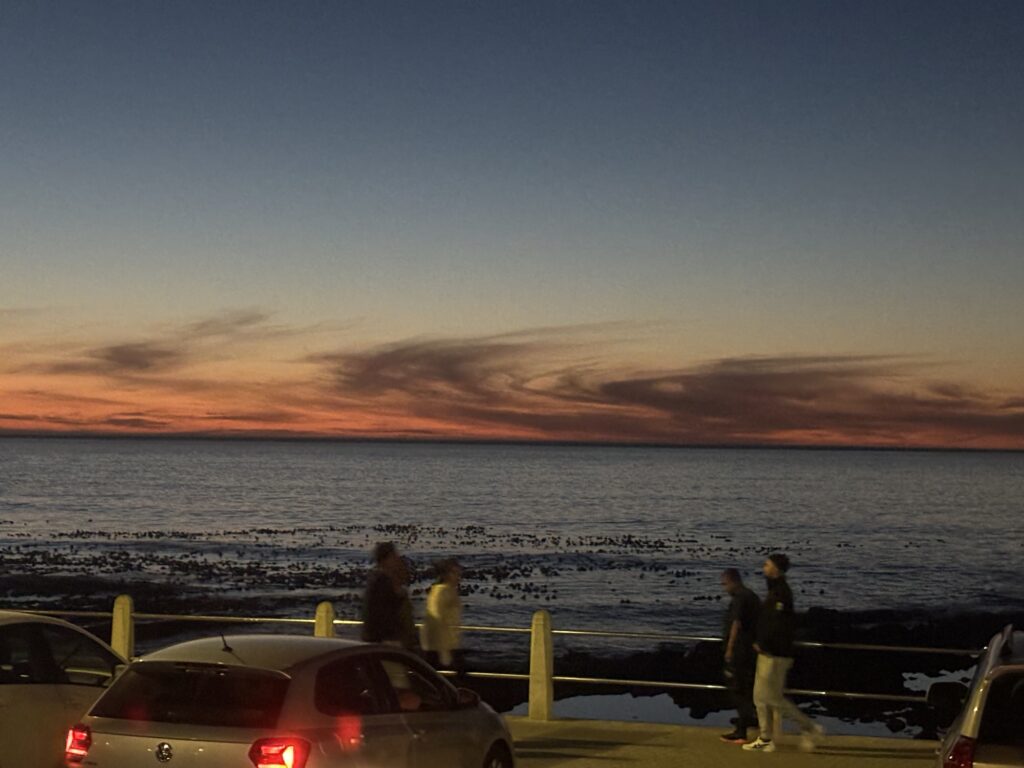
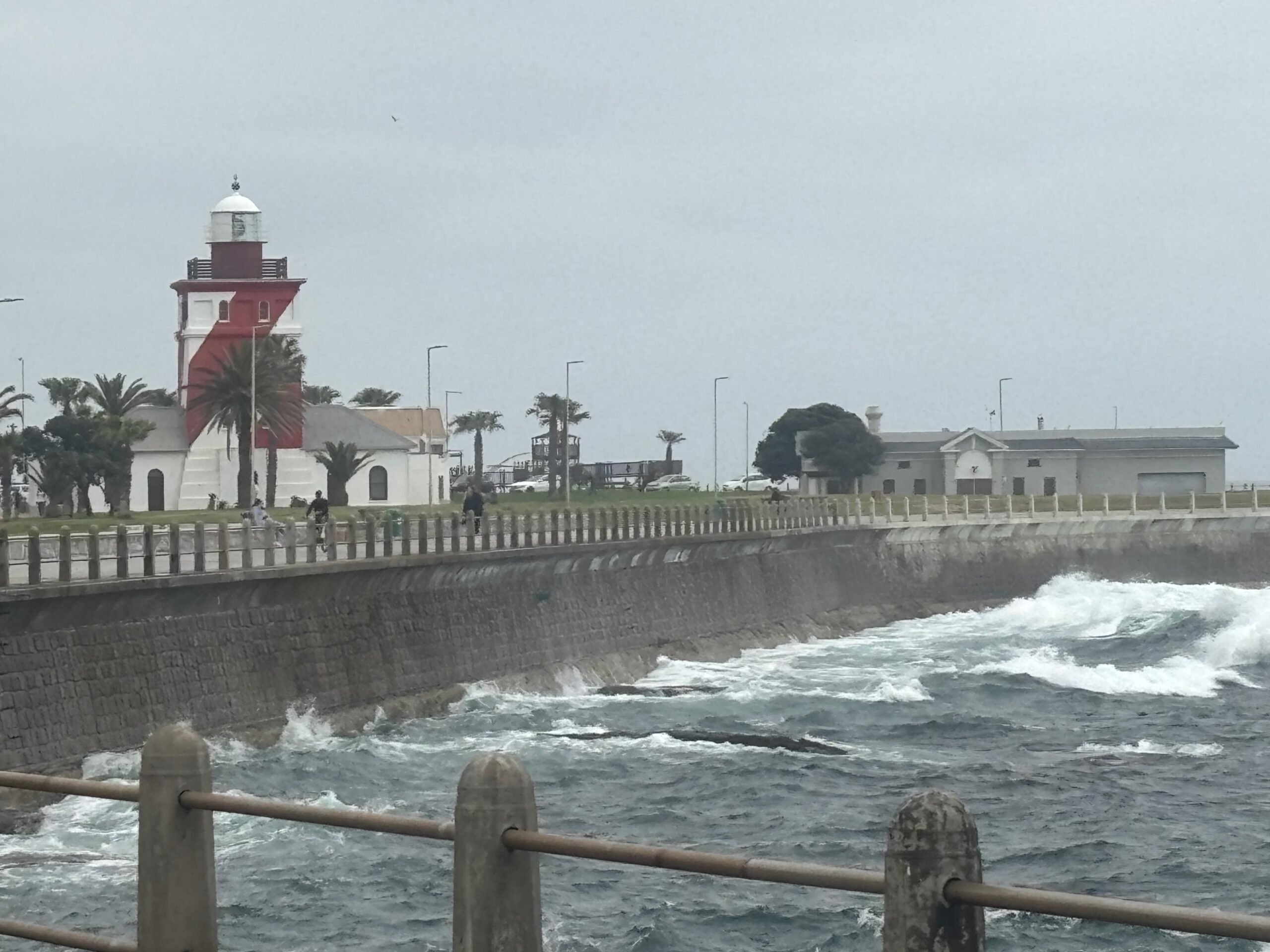
10a. Green Point Urban Park and Sea Point Promenade. The walk, which I did a few times, is excellent. The park is a 10.5-hectare area near the Cape Town Stadium with walking paths and biodiversity gardens. Sea Point Promenade offers views of Lion’s Head and the mountain backdrop. You can even walk all the way to Camps Bay, the postcard beach with white sand, turquoise water, and views of the Twelve Apostles mountains, which I did once.
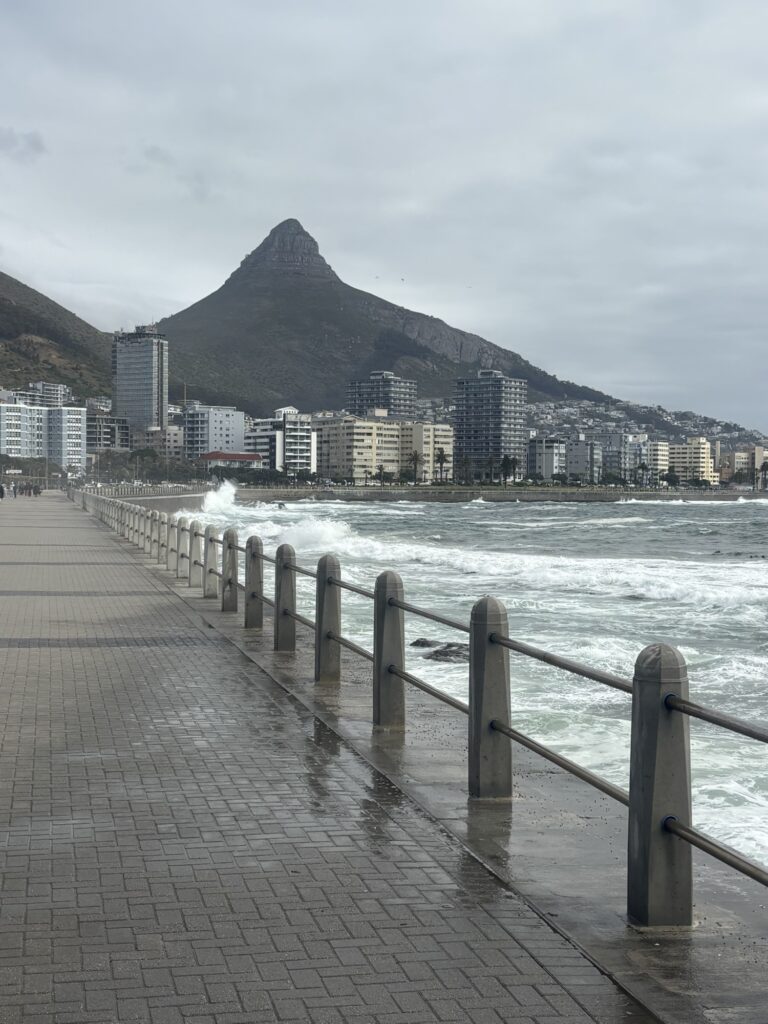
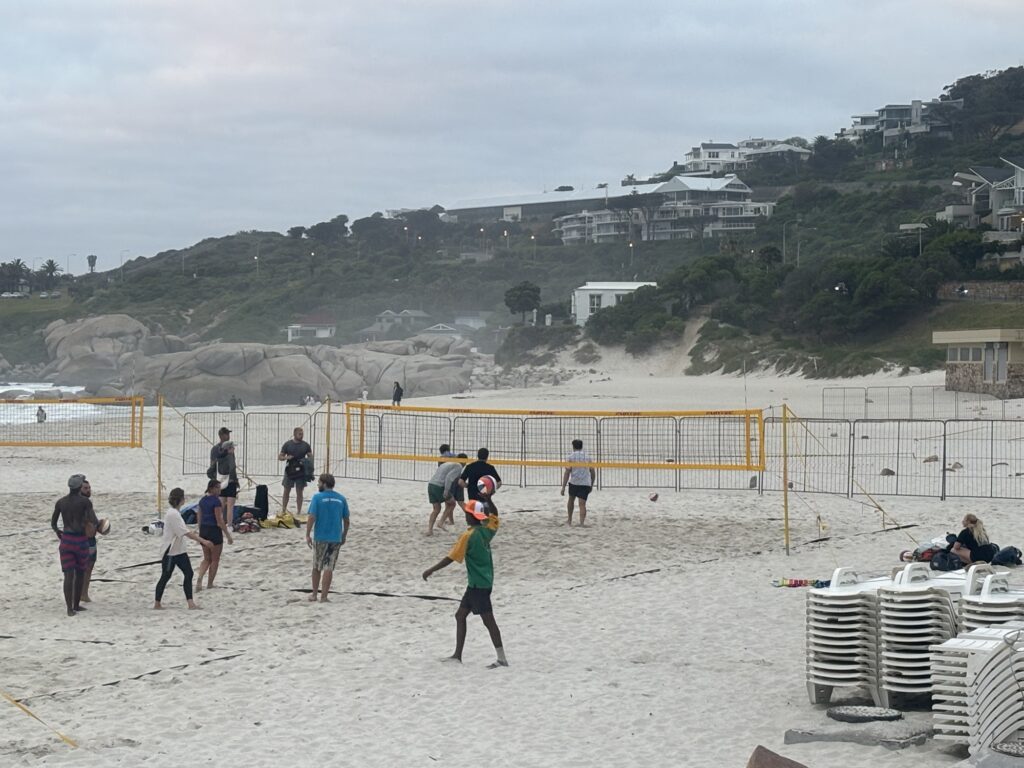
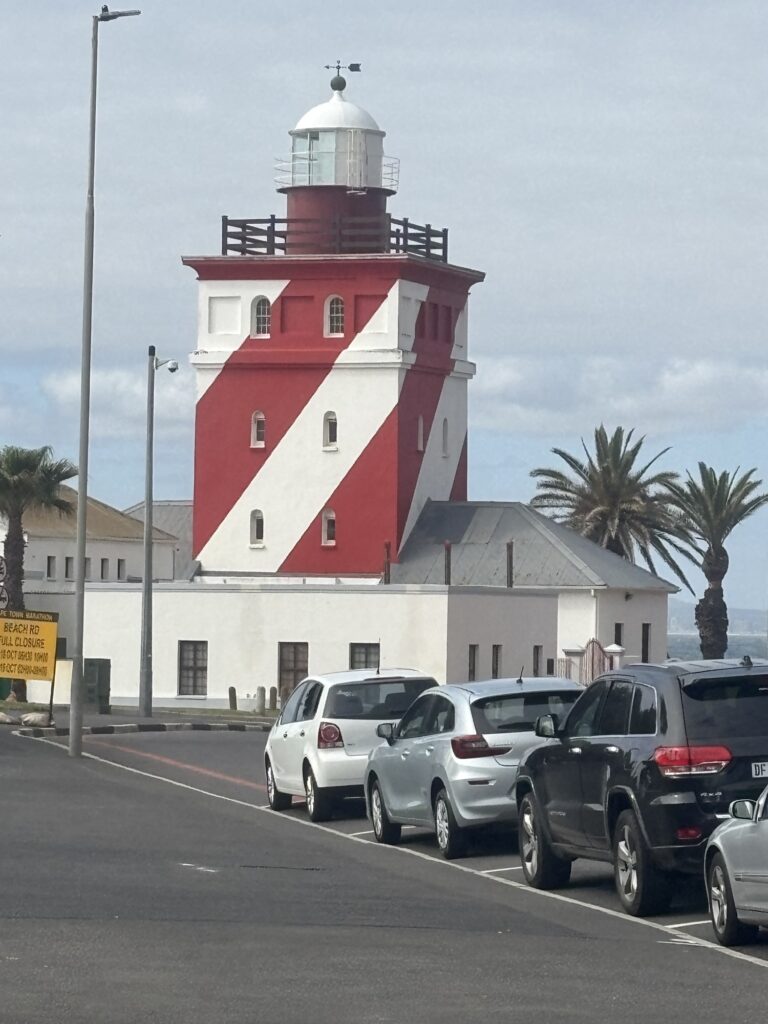
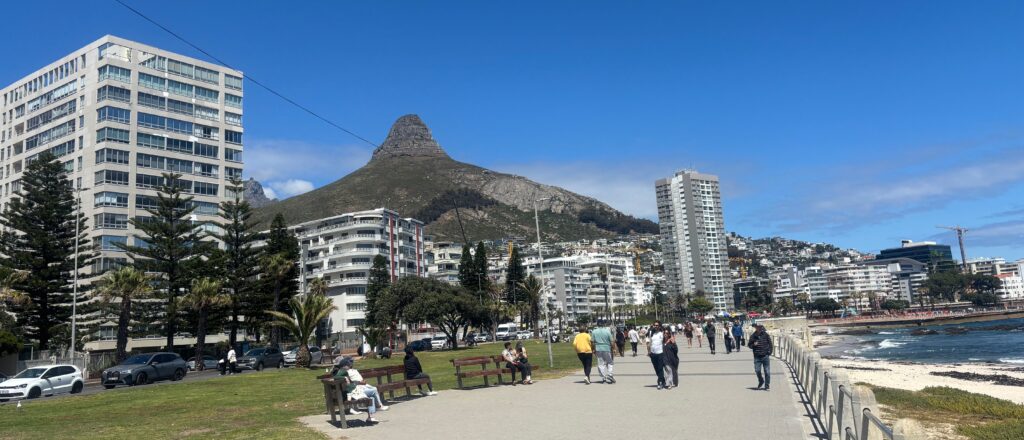
10b. Oranjezicht City Farm Market. If it’s a Saturday, detour on your walk to Granger Bay to join the locals for this popular weekend ritual. Independent farmers and artisanal food producers sell everything from vegetables to baked goods
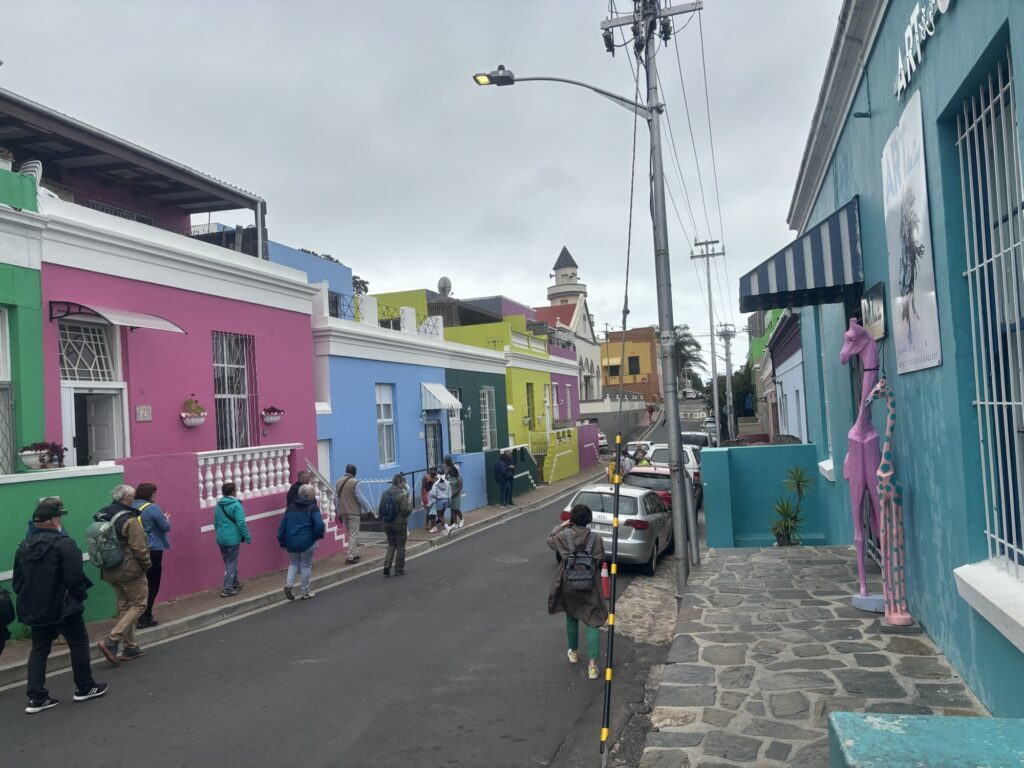
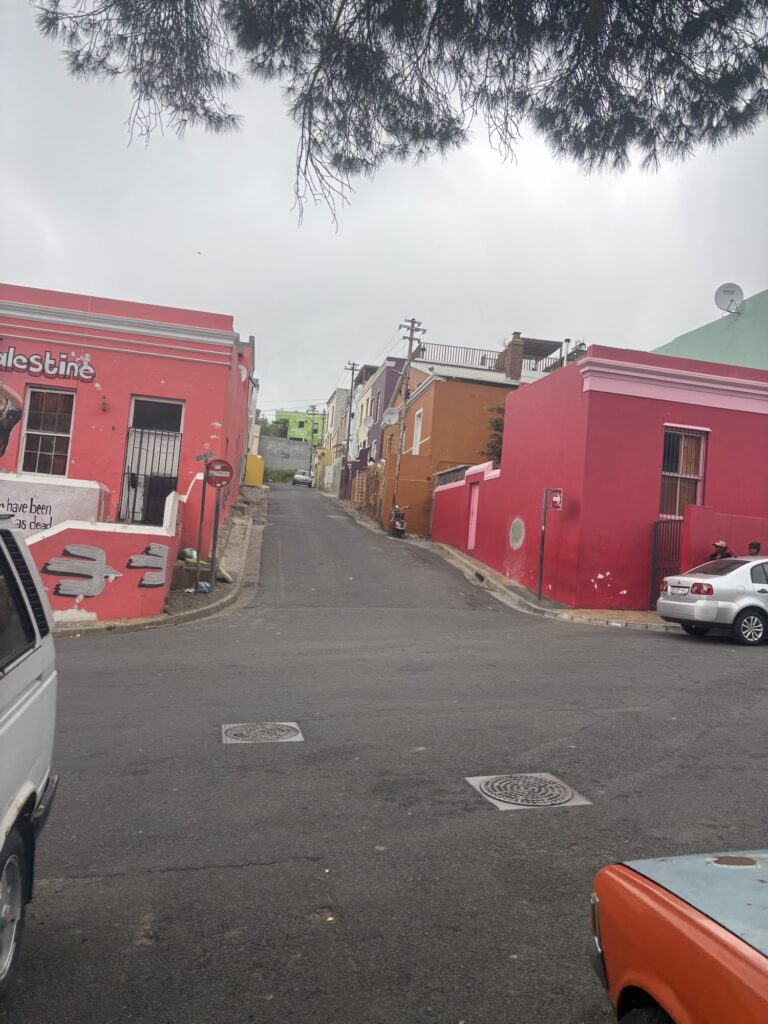
11. Bo-Kaap’s colourful streets. Bo-Kaap’s colourful streets draw every tourist, and the hustling is real. You’ll be approached frequently for tours or sales. It is how people make a living. With a local guide, the experience flows better. Make sure you try Cape Malay curry. It is a mildly spiced curry dish that combines sweet and savoury flavours with spices such as coriander, cumin, turmeric, and cinnamon, and often includes dried fruit such as apricots. It’s typically served with yellow rice and sambal.
12. I include the V&A Waterfront because every tourist is told it’s a must-visit (24 million visitors a year). The Victoria and Alfred Waterfront redevelop a historic docklands into as a mixed-use area with 500 retail stores, five museums, 12 hotels, 80 eateries, the Two Oceans Aquarium and the Zeitz Museum of Contemporary Art Africa. It felt like any other sanitised shopping mall to me, a glossy veneer that could have been anywhere.
Recommended Further Afield
1. Peak Drive along the Atlantic coast. One of the world’s most scenic coastal roads. Worth the trek. See if your Cape Point tour will go this way.
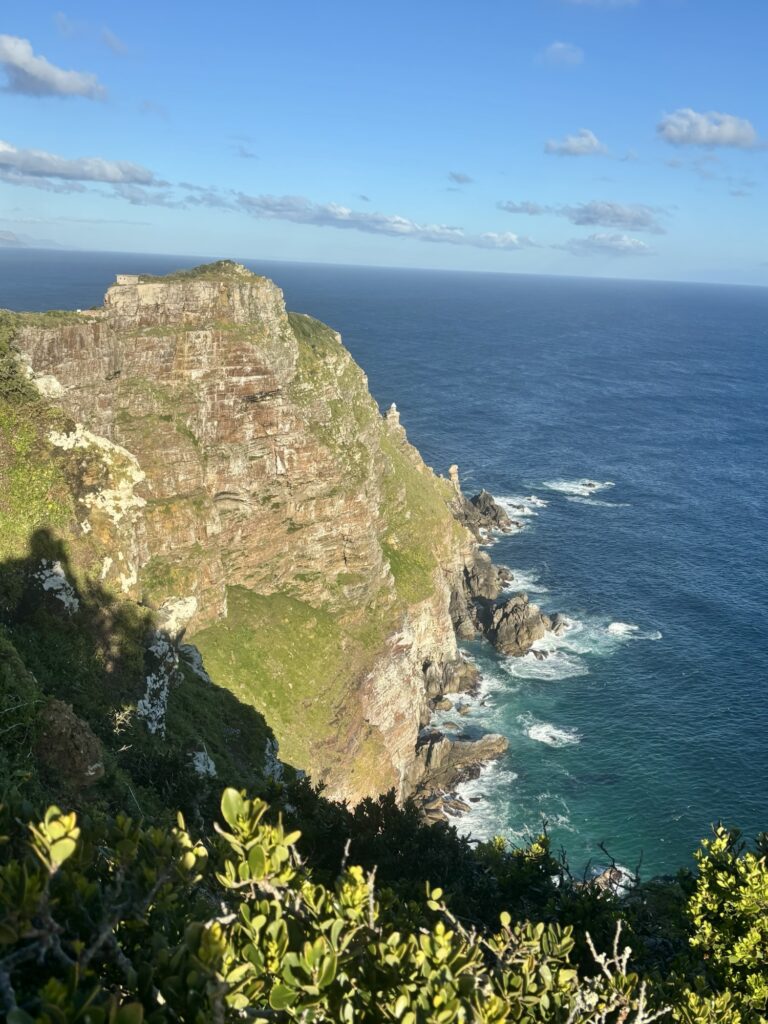
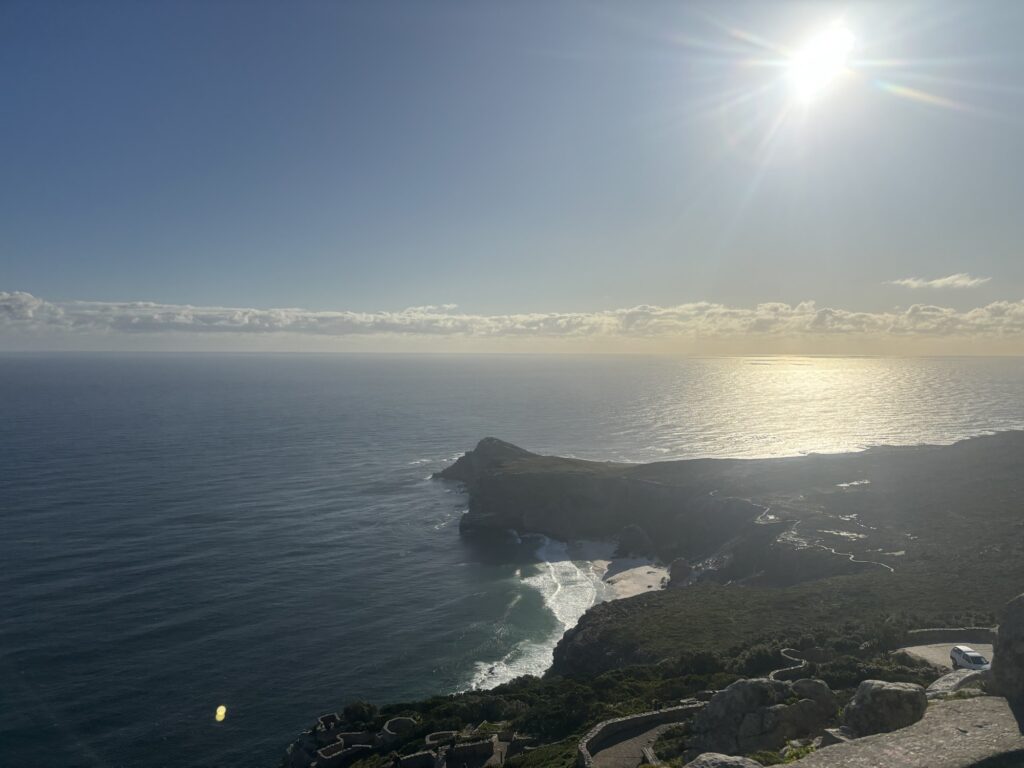
2. Cape Point and the Cape of Good Hope at the end of the peninsula. Dramatic, windswept, and iconic. Not quite the southernmost point of Africa (that’s Cape Agulhas), but it feels like the end of the world. You need to drive or go on one of the many group or private tours on offer.
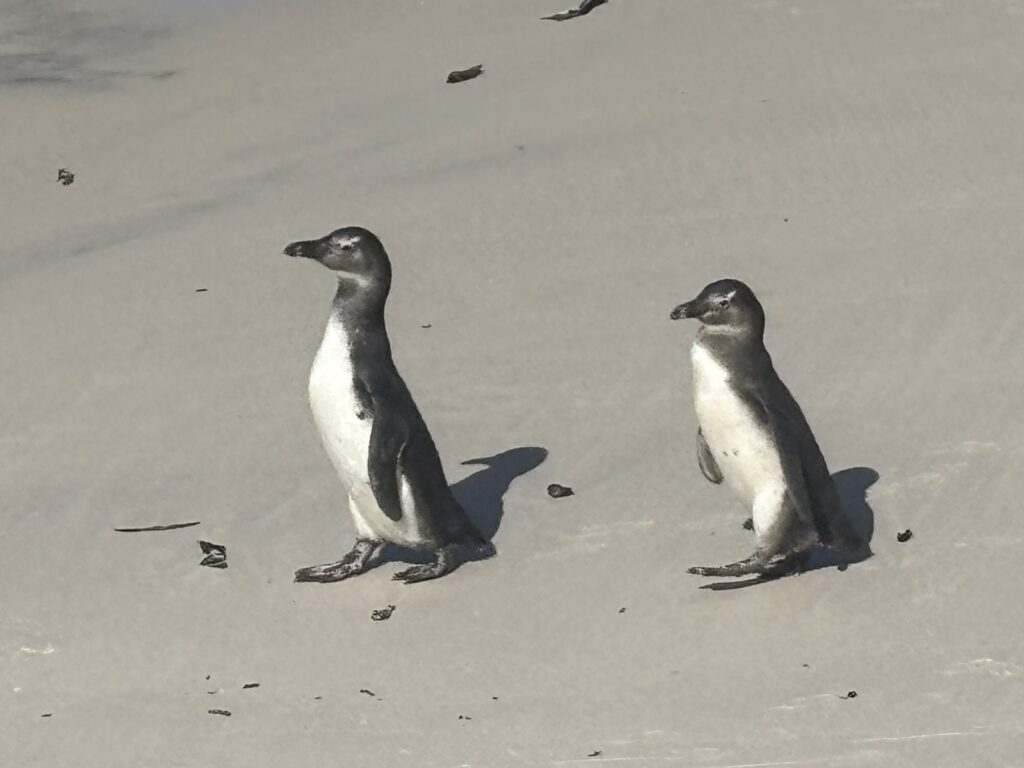
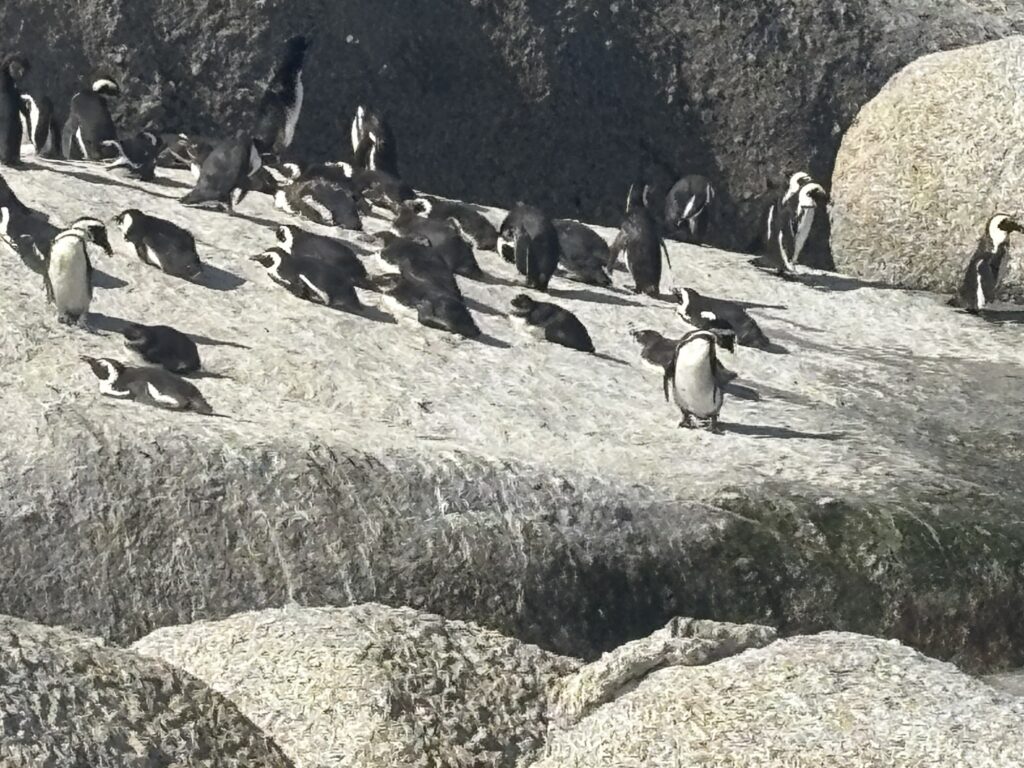
3 Boulders Beach penguin colony. African penguins waddle around the beach like tiny, formal tourists. Utterly charming.
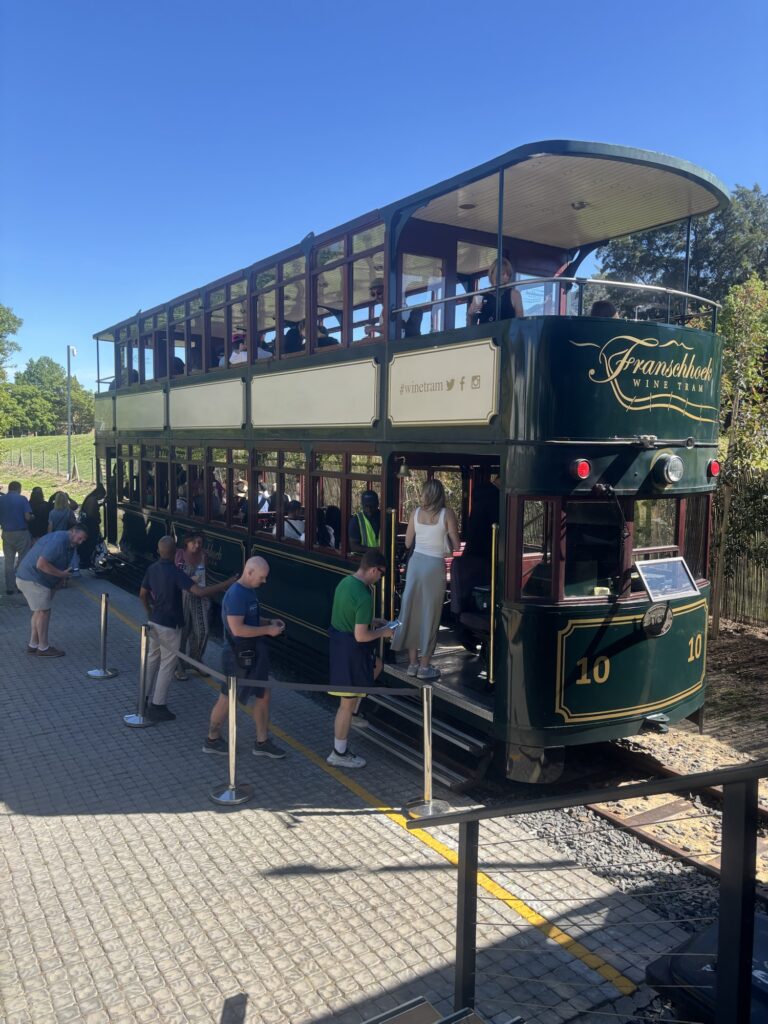
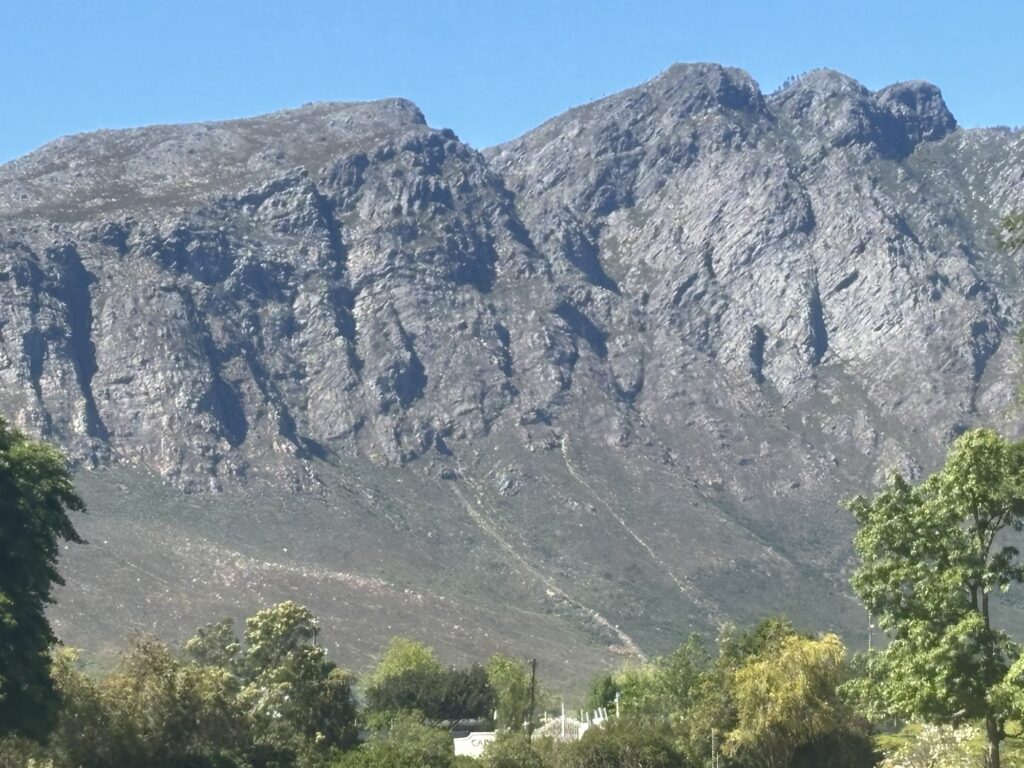
4 Stellenbosch and Franschhoek day trip for wine tasting. Take a tour into the Cape Winelands. Beautiful estates, world-class wines, and a much slower pace. The wine tram is a really cool set up and a lot of fun.
PLANNING YOUR TRIP (before you go)
Costs
- Accommodation per night : 4-star hotel $125 USD, 3-star hotel $99 USD per night, hostel dorm bed 15 USD per night,
- Eating out: $10-12 USD for casual meals, $20-24 USD for a meal with wine.
- Coffee: $2USD to $3USD
- 5km Uber ride: $3.85 USD.
How to Get to Cape Town: Cape Town International Airport (CPT) is connected to Europe, the Middle East, some other African cities and every city in South Africa. I flew every airline in the country and liked them all.
There are no longer any intercity rail services to Cape Town. For train enthusiasts or luxury travelers, two heritage options remain: The Blue Train runs a regular 2‑night luxury service on the Pretoria–Cape Town route, and Rovos Rail’s “Pride of Africa” operates 3‑night Cape Town–Pretoria journeys plus occasional more extended expeditions such as Cape Town–Dar es Salaam.
Intercity buses are well used. On Cape Town–Johannesburg alone, a dozen operators run 70–100 coach services per day, depending on the day of the week, with evening departures the most heavily loaded. Reviews of buses are largely negative, however. Intercape is usually seen as the safest and most professional, though passengers still complain about delays, communication and toilets. Intercity Xpress, Big Sky and Eagle Liner are decent mid‑range choices.
I rode Baz Bus, a hop-on, hop-off service along the Garden Route to Port Elizabeth. Highly recommended.
- When to Visit / Weather (by season): My local friends said to avoid December/January as it’s very windy and often unpleasant due to fires. Temperatures 20-28°C. 68-82°F The rest of the year seems ideal to me, with February to April (autumn) sounding pleasant. Warm, dry, long evenings. Temperatures 18-28°C. 64-82°F June to August is winter, but for many Europeans, daytime temperatures of 12-17°C (54-63°F) will be quite pleasant. It can drop to around freezing at night, and there are a lot more rainy days. I went in October/ November for Spring and enjoyed the warm, dry, long evenings and temperatures around 17-24 °C. (63-75°F)
- Where to Stay (neighbourhoods): Most tourists stay in City Bowl / Gardens (central), Kloof Street / Tamboerskloof (hip, lively, near bars and restaurants), Sea Point, or Camps Bay.
- Currency & Payment Methods: Costs: The currency is the South African Rand (R). Approximately R20 = €1, or R15.59 = $1 USD. Cards and Apple Pay were universally accepted. I almost never used cash except for tips (see below)
ON THE GROUND (while you’re there)
- From the airport: CPT lies to the east , 20 km (2 mi) from downtown, and is connected to the city by the N2 motorway. Uber or private pick-up best. MyCiTi airport bus is a slower but cheaper option.
- Walking: The City Centre is compact and walkable, but Cape Town itself is sprawling.
- Uber: Essential, but make sure you check that your driver is, in fact, your driver; sometimes drivers are kidnapped. There are also mini vans used by most locals, called “Taxis”. Avoid for the overcrowding, high accident rate, uncertain timetable and number of crimes. Spare a thought for those who use these as their primary transport.
- MyCiTi bus: Good for the Sea Point, Waterfront, and Hout Bay routes. Car rental: Useful for peninsula drives and wine country, but parking and car break-ins are issues. Never leave valuables visible.
- Trains: I was told to avoid them as they are not safe for tourists. The city is working to secure them.
- Red sightseeing hop‑on, hop‑off bus: with a 1‑ or 2‑day pass you can ride fixed routes that stop at all the major attractions, getting on and off as you like.
- Population: 4 million. 42% Coloured, 30% Black, 16% White and 3.3% Asian/Indian.
- Crime and Safety: Cape Town is the fifth-most-dangerous city I have visited. Murder rate of 70.2 per 100,000 people, ranked 16th globally. Crime rate of 5,181.0 per 100,000. Almost all serious crime is concentrated in areas tourists never go to, but it’s not uniformly safe. As mentioned, I was nearly mugged in a tourist area in broad daylight. Don’t carry valuables. Trust your gut, and if something feels off, it probably is. Townships and informal settlements are not safe for tourists.
- Emergency (Police, Fire, Ambulance): 10111 (Police), 107 (Ambulance/Fire from landline) or 021 480 7700 (Ambulance/Fire from mobile)
- Load shedding: South Africa has had years of rolling blackouts averaging 2-4 hours, sometimes longer. Most places have generators or inverters but keep your phone charged
- Water: Cape Town had severe water restrictions during the 2017-2018 drought crisis. Restrictions have since eased significantly, but the city remains water-conscious. You’ll still see “please conserve water” signs in hotels and restaurants.
- Food Must Tries: Cape Malay curry already mentioned, Biltong: Similar to jerky but more complex, this dried, cured, marinated beef or game meat has some great options here. Bobotie: Comfort food of spiced minced meat with curry powder and dried fruit, topped with savoury egg custard and baked, with yellow rice. Fresh local fish: snoek (oily, firm), kingklip (delicate, sweet), yellowtail (meaty). Battered, grilled or pan-fried.
- Coffee: I really enjoyed many local cafes and can also recommend Seattle Coffee Company and Bootlegger Coffee Company, both local Cape Town chains.
- Tipping: Service charges are often added, otherwise tipping is expected. Restaurants: 10-15%, Petrol attendants: R5-10 (you’re not allowed to pump your own fuel). Parking guards: R5-10. Tour guides: 10-15% of tour cost
MY VERDICT (wrapping up)
- My Rating: My 15th-favourite city in the world, out of 306 I have visited or lived in. It’s a complex and fascinating place that rewards visitors willing to look beyond the surface
- Would I Come Back? (Yes)
- How Many Days to Spend Here? I’d suggest 4 days minimum, with seven being ideal. I would love a month here!

Really enjoyed the roll-up. Been a couple times, but only use as a launch pad.
Can you explain how you verify it is indeed the right Uber driver?
Hey. Thanks! South African police and analysts have reported patterns where criminals use Uber‑branded cars or the Uber platform itself to ambush, rob, rape, or temporarily abduct passengers. Practical safety steps if you use Uber in Cape Town as shared to me by locals
1. Never pay cash and pay via the app
2. Use higher‑tier options (UberX/Black) rather than the very cheapest, especially at night.
3 Ordering from inside your hotel, mall, restaurant, or a busy forecourt.
4. Only go to car when it comes close
5 If possible, ask someone to see you off eg security guard from venue or lcoal friend. ask them to let you know if they dont feel confortable with car or driver
6. Verify plate, car model, and ask the driver “Who are you picking up?” and make sure they say your name, not the other way round.
7. Use the in‑app PIN / code‑to‑start‑trip feature and only share it once you are in the correct car.
8. Share your live trip with a trusted contact and keep your phone accessible during the ride. Uber has a feature that automically sends that info
9 Sit in the back seat, behind the front passenger, so you can exit on either side and have more space. If there is already someone else in the car, dont get in
10 Follow on map. If the driver deviates from the route without explanation, challenge it immediately and be ready to end the trip in a well‑lit, busy area.
11 If anything feels wrong before you get in, cancel and request another ride or use a different transport option.
12 Carry a small legal self‑defence item if you can