
If you’ve never been, let me tell you why Taipei should be next on your list. This city offers so much to love. The food is extraordinary, the transport is amazing, the streets are safe, and the people are genuinely kind. There is enough history, culture, and night market chaos to keep one busy for weeks. It is also, for a city of its size and quality, remarkably affordable.
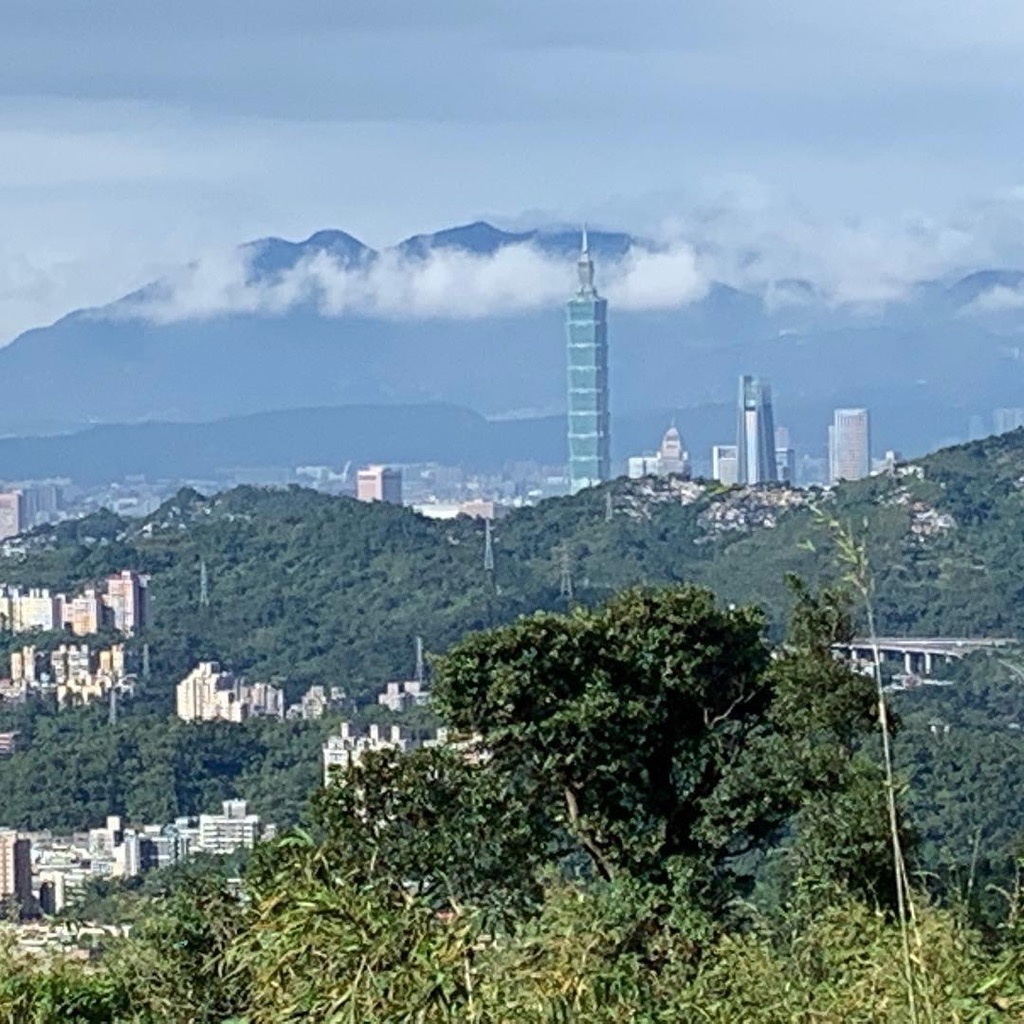
“Taipei” literally means “North Taiwan,” indicating its location on the island. The city sits in a low-lying basin where three rivers meet. It’s dense urban neighbourhoods fill the flat valley floor, surrounded by striking hills. New Taipei is a separate city that completely surrounds Taipei. Together they form a metro area of around 7 million people. Taipei is the compact core, and New Taipei is the larger ring.
Key districts:
- Beitou: Hot spring resort area in the northern hills
- Datong: Older district to the west featuring Dihua Street and old shophouses
- Da’an: Residential and commercial district with parks and very cool lanes around Taiwan University
- Shilin: Northern district known for the National Palace Museum and Shilin Night Market
- Songshan: Eastern district with Songshan Airport and the Raohe Night Market
- Wanhua/Mengjia: The oldest part of Taipei, home to Longshan Temple, Bopilao Historic Block, and Ximending shopping area
- Xinyi: Modern financial district, home to Taipei 101 and luxury shopping
- Zhongzheng District: The city’s heart around Taipei Main Station, with government buildings, Chiang Kai-shek Memorial Hall, and the Presidential Palace
- Zhongshan: Upscale shopping, boutiques, and thrift stores north of the city centre
My Must Do Top Sights List
My Top sights -Historical. The city has been fought over, colonised, and reinvented enough times to earn the name many times over. The Indigenous Ketagalan people were here first, then Han Chinese settlers from the 1700s. The country was briefly the Republic of Formosa in 1895. (Taiwan was known to early Europeans as Formosa, thanks to the Portuguese declaration of the island’s beauty). The Japanese “won”: Taiwan in a war and held it from 1895 to 1945. Then, two million soldiers and refugees arrived from mainland China. They turned into the capital of their exiled republic. Walking around Taipei, you are always walking through several cities at once.
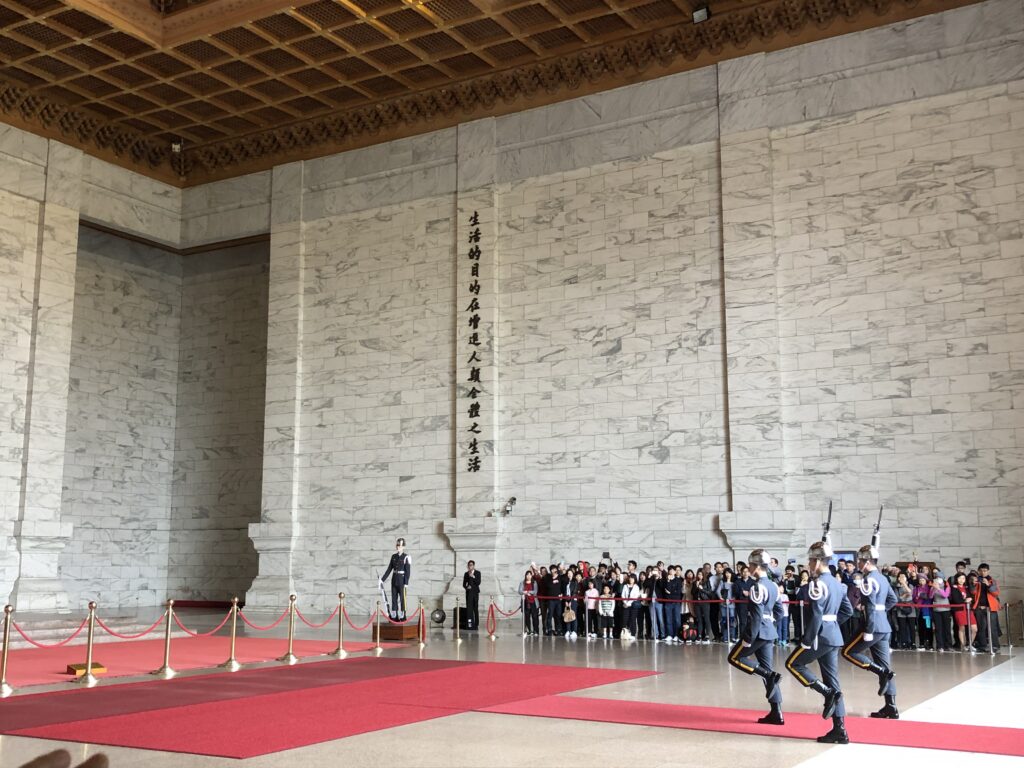
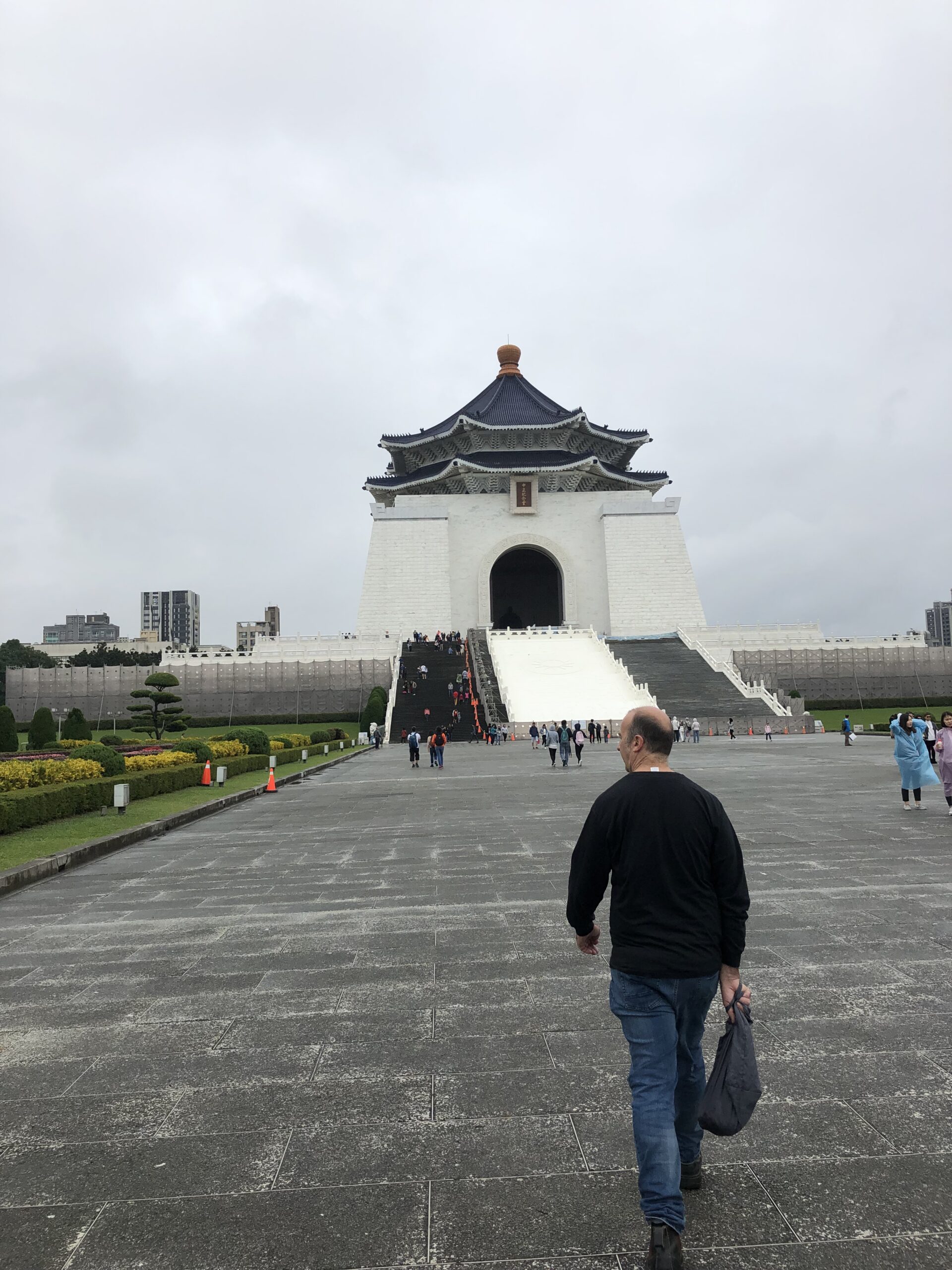
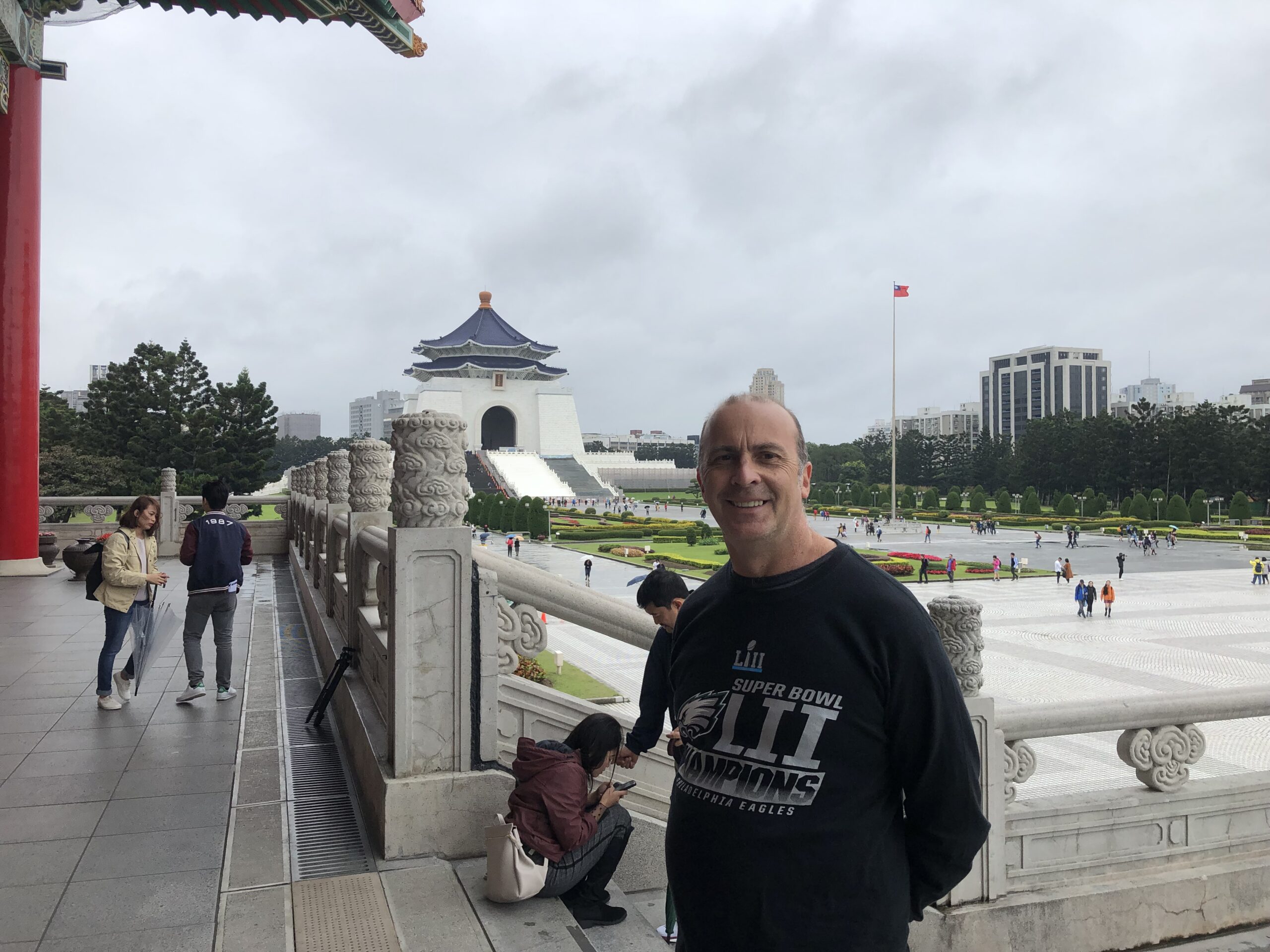
- Chiang Kai-shek Memorial Hall (1980), one of Taiwan’s most politically charged sites. It honours the leader who brought 2 million people to Taiwan in 1949. A white-walled, blue-roofed hall 76 metres tall and 80 metres wide. It has a bronze statue of Chiang, a museum, and a library. You climb 89 steps (his age at his death) from the massive Liberty Square (240,000 sq m). From 9-5, on the hour, is a changing of the guard.
2. Longshan Temple is best visited during the morning chanting ceremonies. Led by nuns, they are at 6:00 and 8:00 every day. I go at 8, and it never fails to give me goosebumps. Built in 1738 by settlers from Fujian province, this temple is Taipei’s oldest and most important. It survived Japanese rule. American bombing in 1945 destroyed the main hall but left a bronze statue of the goddess untouched. Worshipers see this as a miracle.
3. Treasure Hill Artist Village began in 1949 as an illegal settlement founded by soldiers. By the 1970s, it had over 100 households living in a maze of haphazardly built houses. Residents and activists fought back against a proposed demolition and won. It was renovated and reopened as an artists’ village, with studios, residency programmes, galleries, and cafés. At its centre is the 300-year-old Treasure Hill Temple, with worshippers still coming to burn incense.
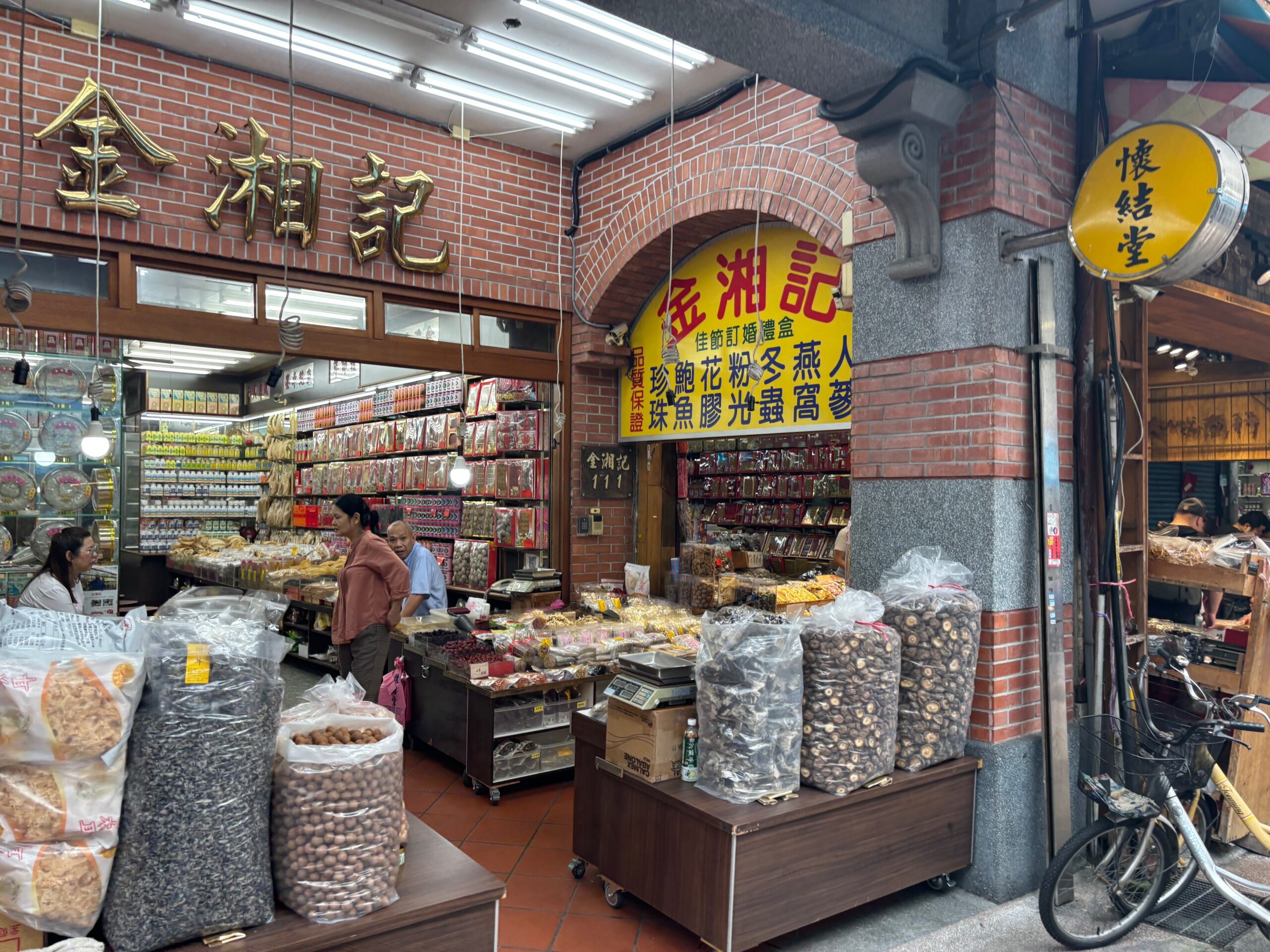
4. Dihua Street and Dadaocheng: I love wandering through Taipei’s oldest commercial district. Lined with Baroque- and Chinese shophouses. Many of the businesses here are three to five generations old. You can get almost anything, including dumplings, oolong tea, dried goods, herbs, clothes, and traditional medicines.
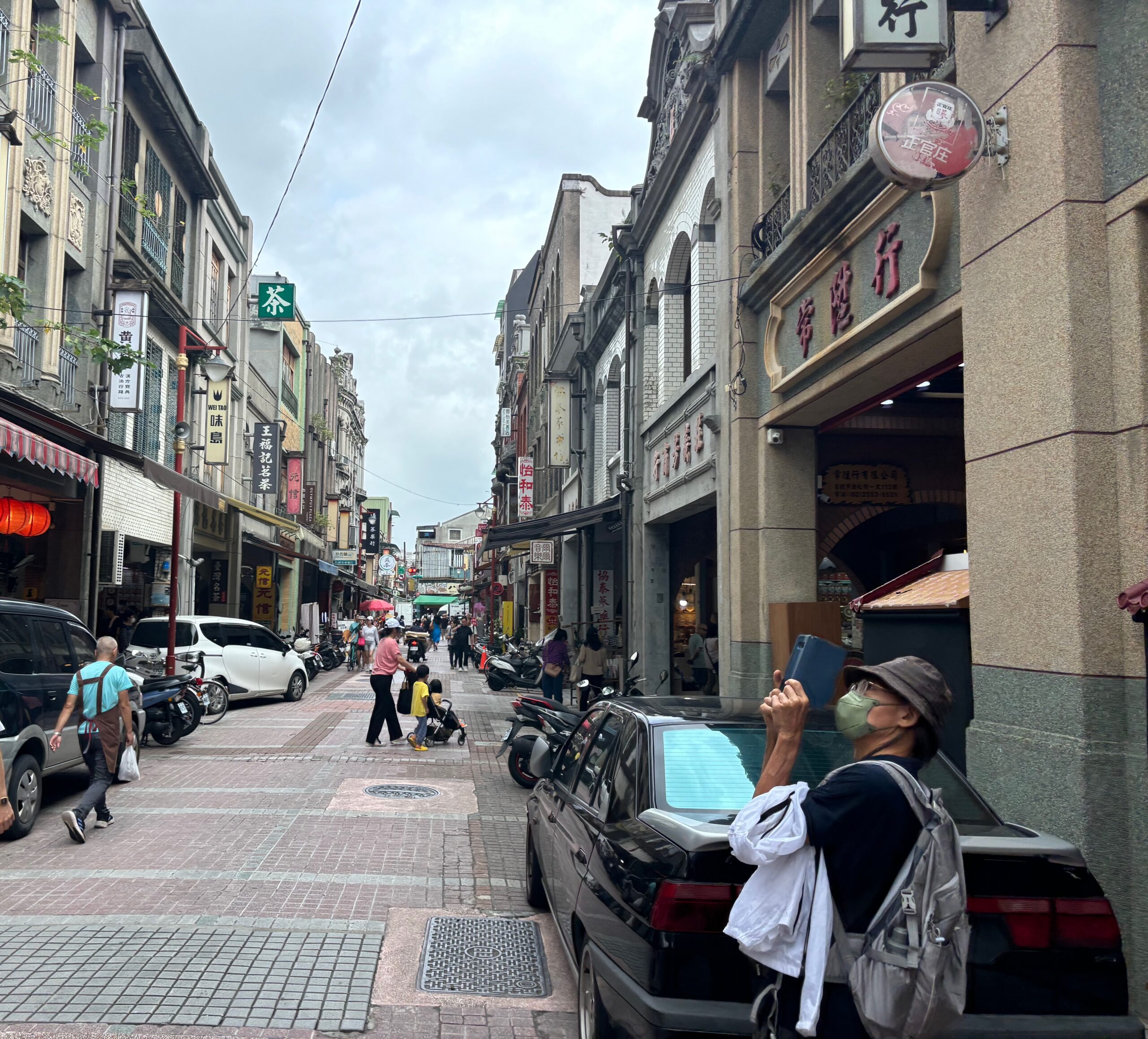
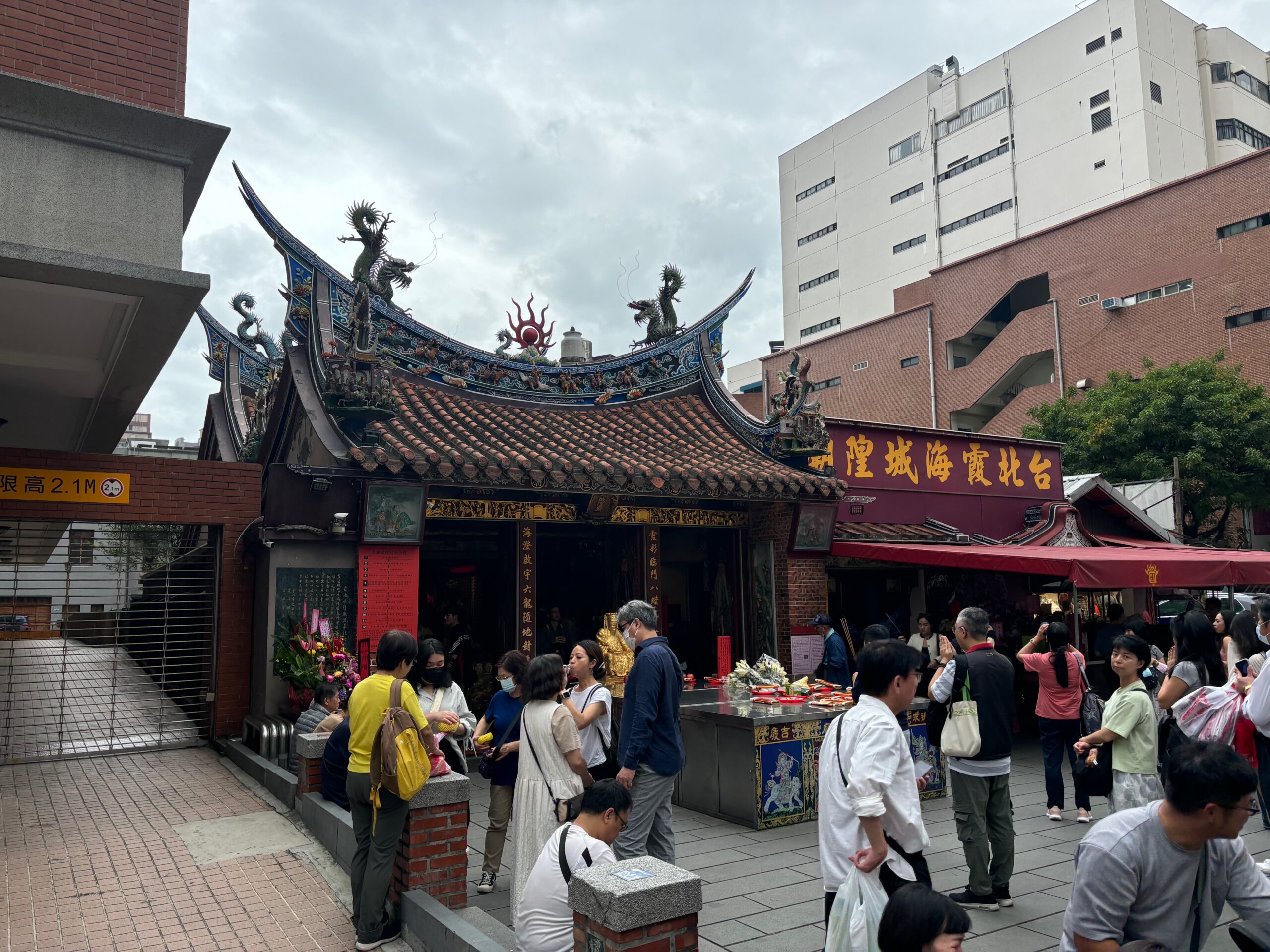
5. Xia Hai City God Temple is one of Taipei’s most atmospheric and visited temples. Tucked into Dihua Street, it is p the temple where people come to pray for love and marriage. Devotees burn incense and whisper their romantic hopes to the matchmaker god. Go in the morning when the regulars arrive.
6. 四四南村 44 South Village takes its name from the 44th Arsenal, a weapons factory nearby. Built in 1948, it was Taipei’s first military dependents’ village. When fire damaged part of it in 1999, developers moved in quickly. Residents and preservationists fought back and won. The buildings were restored and opened as a cultural space, with museum , a bookstore, craft shops, and café. On weekends, a secondhand market sets up in the main square. Taipei 101 rises directly behind it.
My Top Sights -Modern Taipei
1. Every tourist makes their way to Taipei 101, the country’s most famous landmark. It was the world’s tallest building from 2004 to 2010. There are many compelling reasons to go up. It’s 508 metres high and has superb views from the 89th floor, day and night. My favourite feature is its design element that protects against earthquakes and typhoons. Expect queues. You can get fast-track entry for double the price.
2. I was told to come to Tamsui at sunset, along with huge crowds of locals. It is a local ritual, and it is reportedly the best spot in Taipei to watch the sunset. The advice was correct! Do it. Tamsui is 40 minutes from central Taipei on the MRT red line. Exit and walk the riverside promenade. This long wooden boardwalk has many great seafood restaurants and cafés. The boardwalk ends at the river mouth. The Spanish built a fort here called San Domingo in 1628 and destroyed it when they left in 1642. The Dutch built a new one on the same site. Then the British leased it as a consulate from 1867 to 1980 and built a residence next to it. It is now the Tamsui Historical Museum, open to the public. Nearby is Fisherman’s Wharf, which has a tourist fish market and the white sail-shaped Lover’s Bridge at the water’s edge. After dark, the Lover’s Bridge lights up, becoming a colourful landmark. Stay for the lights.
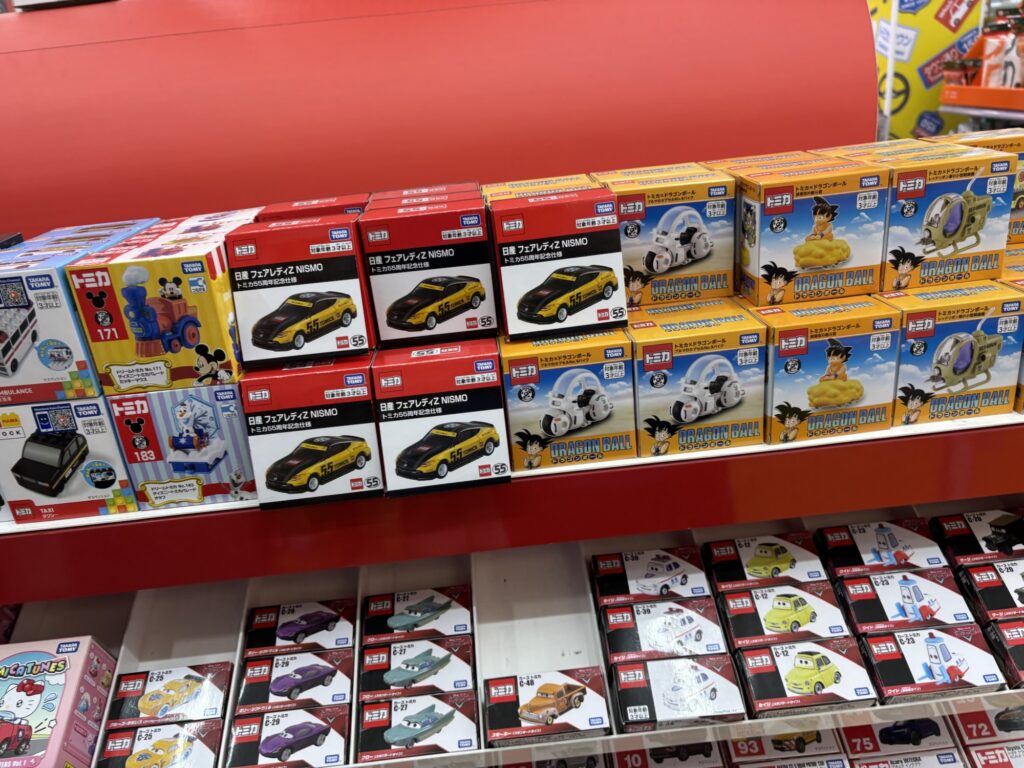
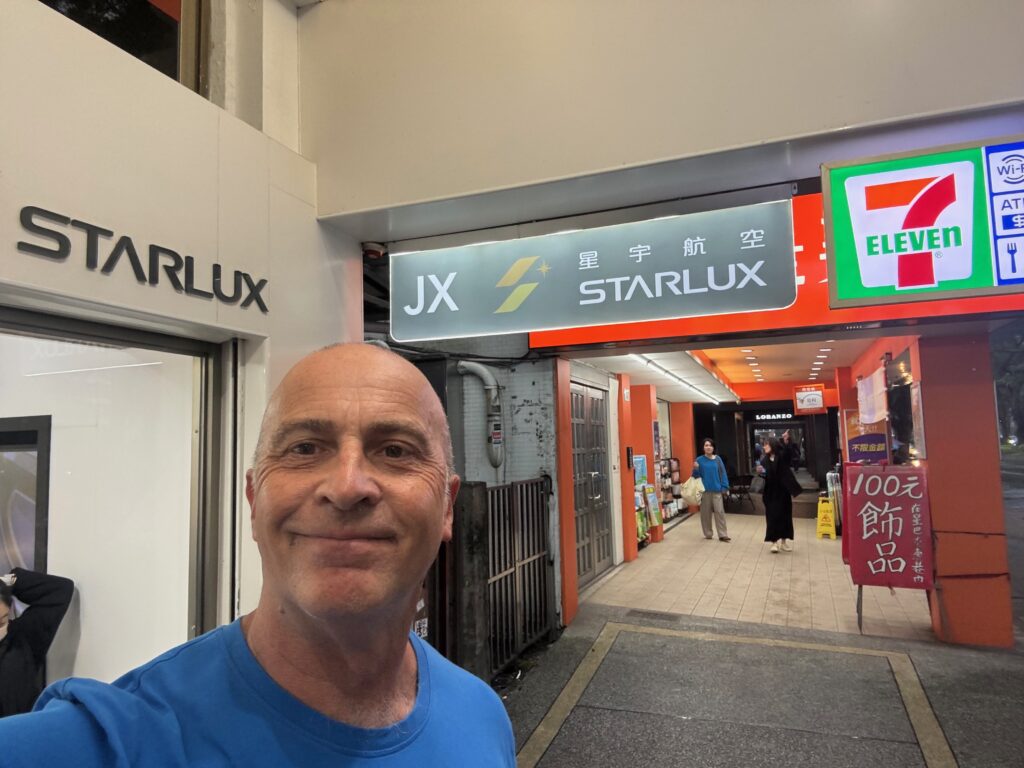
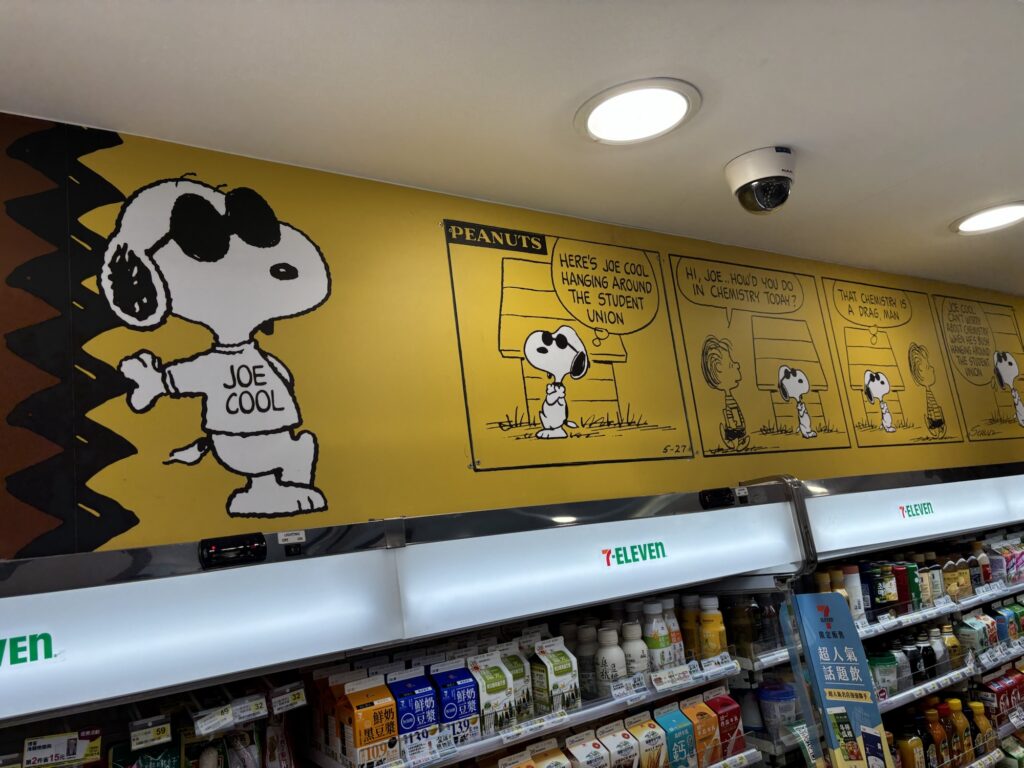
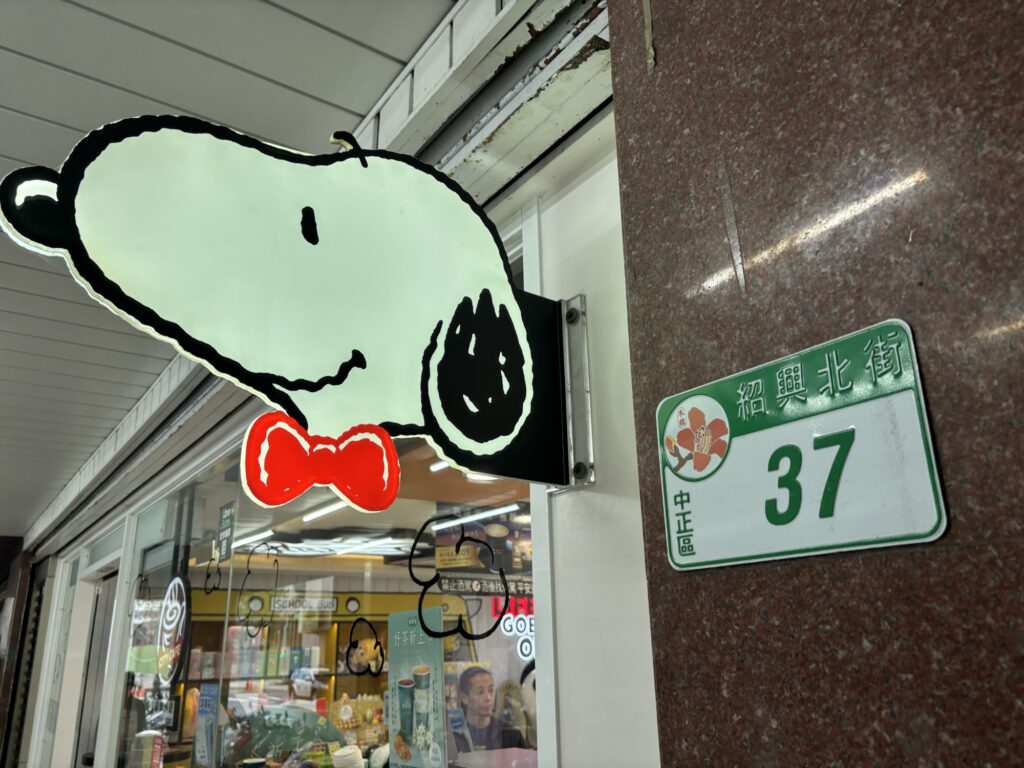
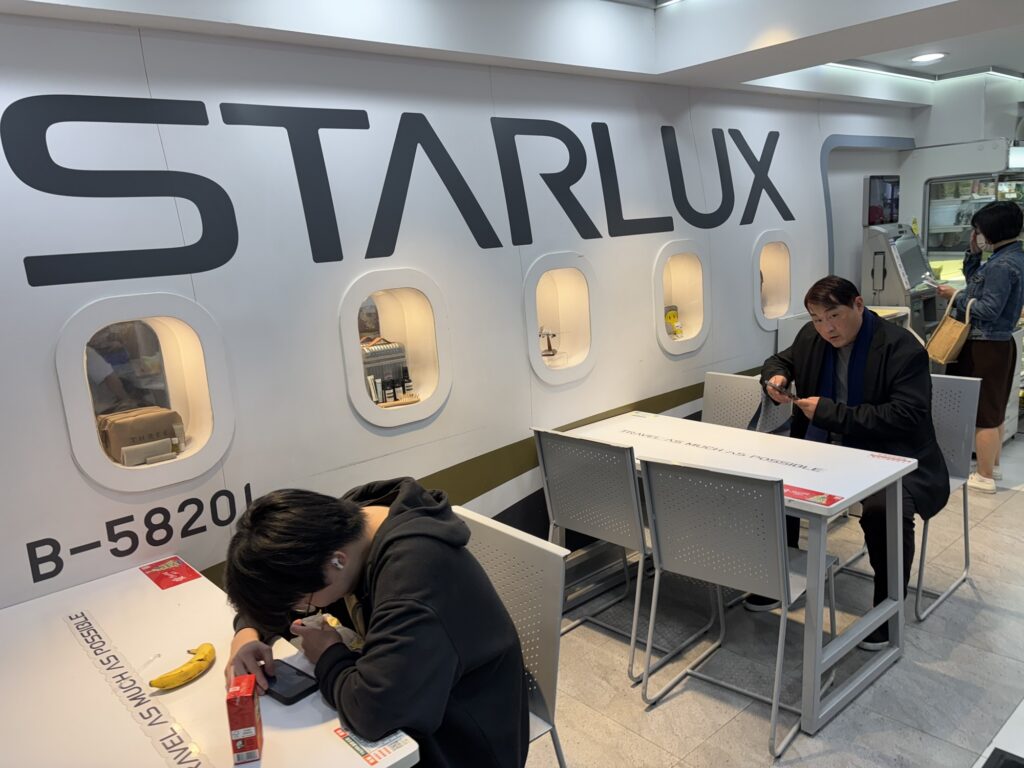
3. On my last visit to Taipei, I set aside some time to spend an evening visiting themed 7-Elevens. A Taiwanese mix of convenience store and pop-culture shrine, and an easy little scavenger hunt! I saw Lays, Peanuts, Tomika Hello Kitty, and Starlux Airlines branches. They also have ones painted and decked out with characters like Pokémon, Sailor Moon, and Taiwan’s own blue cat mascot.

4.Ximending Shopping District:
A massive pedestrianised maze of street art, cinemas, LGBTQ+ bars, pubs, and restaurants. It was first developed in the 1920s under the Japanese.
Today, when you visit, it feels like everyone in Taipei is here!
5. Zhongshan District Shopping. Even trendier than Ximending! Vintage stores, independent fashion boutiques, craft shops, and cafes fill the lanes around Chifeng Street. Weekend flea markets and pop-ups line Zhongshan Linear Park. The former US Embassy houses SPOT Taipei Film House, an arthouse cinema with a cafe in the old ambassador’s residence.
6. Airplane Alley. One of the best plane-spotting locations in Asia, if not the world. Its a narrow lane at the edge of Taipei’s Songshan airport (which opened in 1936). Planes pass directly overhead, seconds from touchdown. You feel the engine roar in your chest and the hot blast of air as they land. Bring earplugs. No shelter, no seats, just tarmac and sky
My Top Sights -Museums
- The National Palace Museum has to be one of the most jaw-dropping and beautiful museums on the planet. When the Nationalists fled to Taiwan in 1949, they brought with them the best of Beijing’s Forbidden City treasures. So while Beijing has the palace, Taipei has the contents. Of course, this leads to a massive diplomatic impasse. China believes these were looted during wartime and belong to the Chinese people, and has repeatedly called for their return. Taiwan states that it was legally transported as state property by the legitimate Chinese government during a civil war. Meanwhile, we get to enjoy them.
- Songshan Cultural and Creative Park/ Taiwan Design Museum. The very first museum in the Chinese-speaking world dedicated to design, it helps individuals and companies focus on design innovation. It hosts really interesting rotating exhibitions. Around it are cool, independent shops and cafés housed in 1937 tobacco factory buildings.
- Bopilao Historic Block is a reminder of what Taipei looked like before the postwar building boom. Built in the late 1800s, the red-brick shophouses with their arched façades were restored in 2009. Housed in this preserved Qing-era street layout with narrow lanes are the Taipei Heritage and Culture Education Centre. Visit the traditional craft shops selling indigo dye and woodwork. There are also herb and medicine stores, and small museums and galleries.
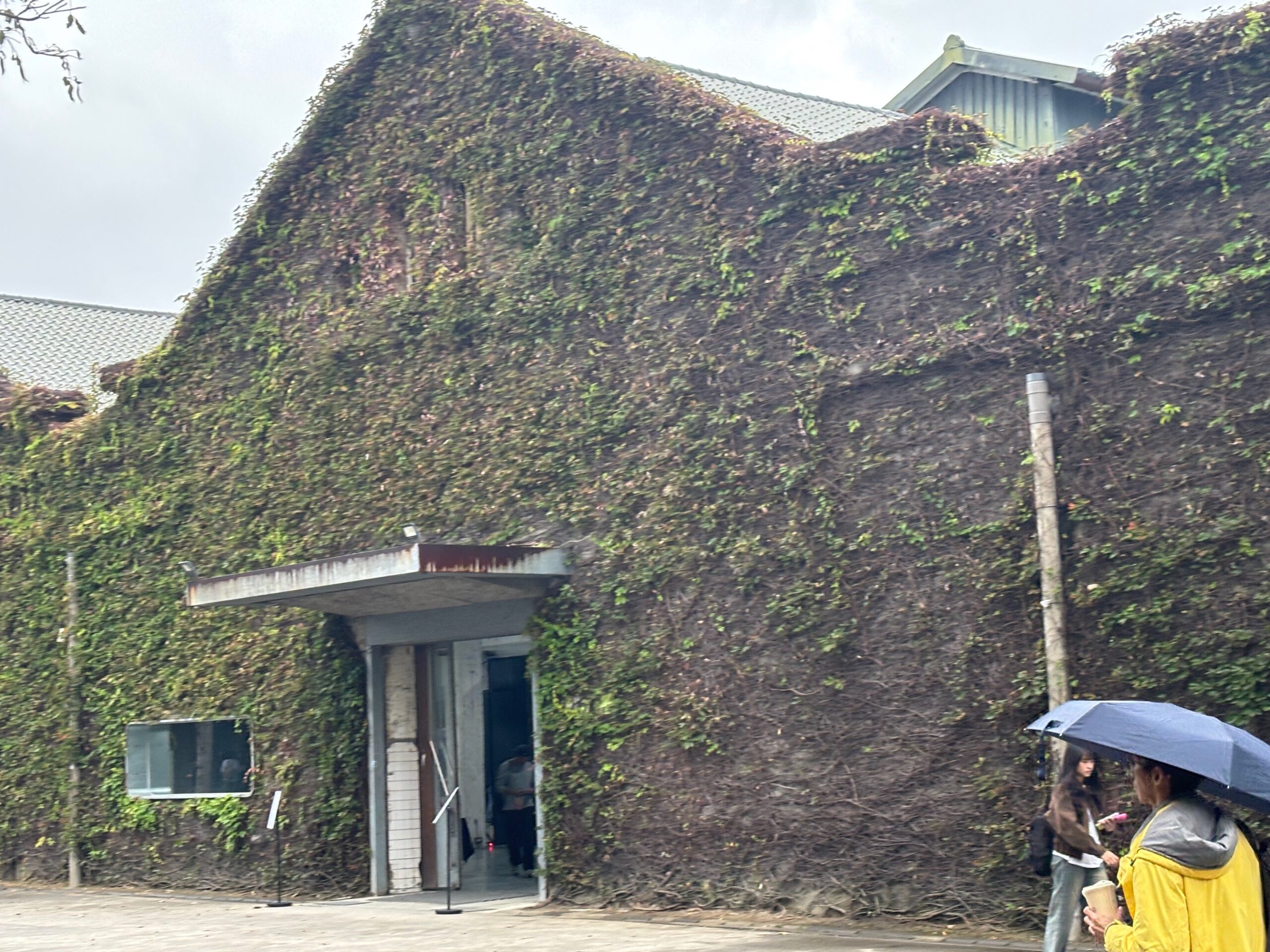
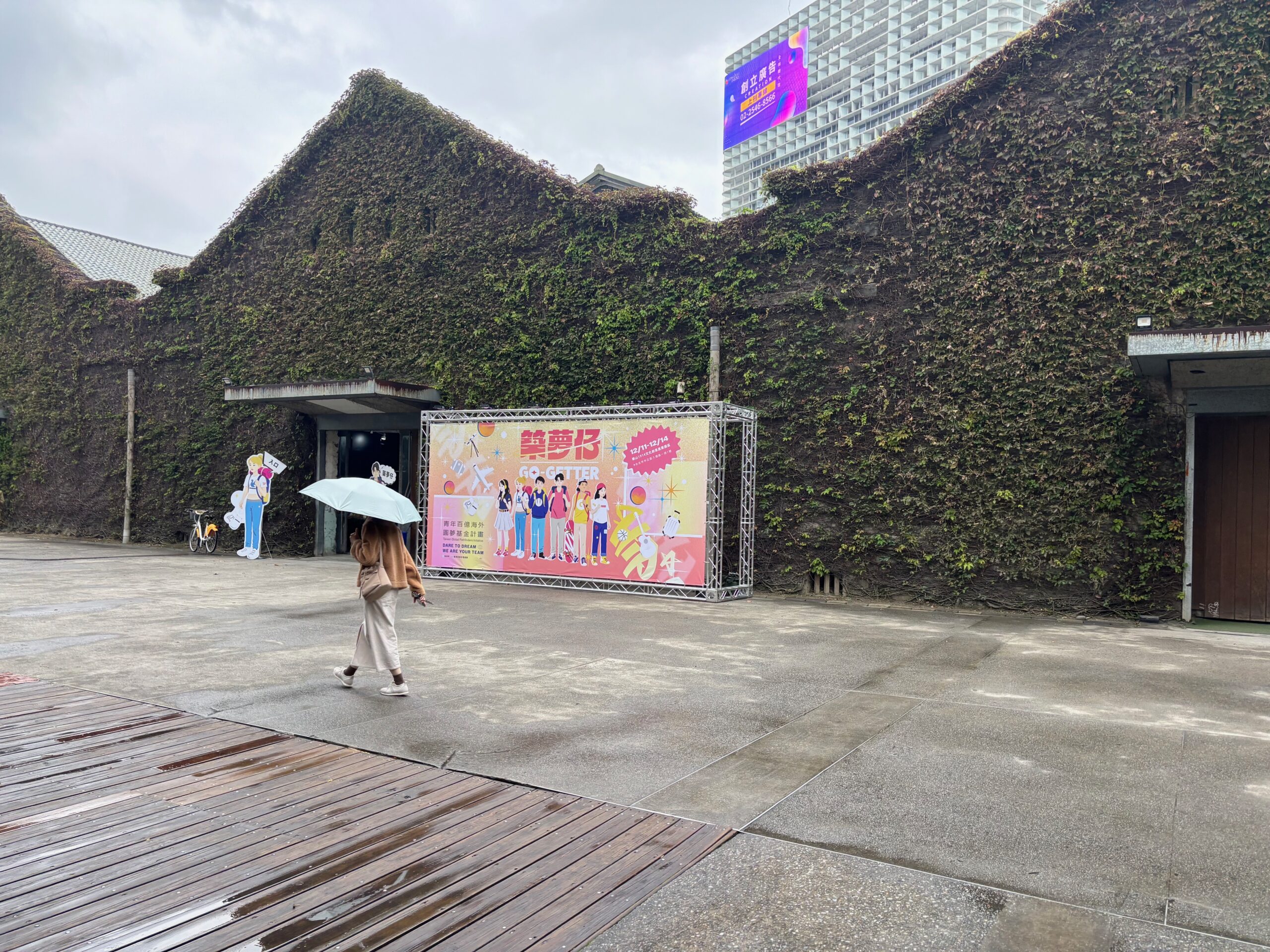
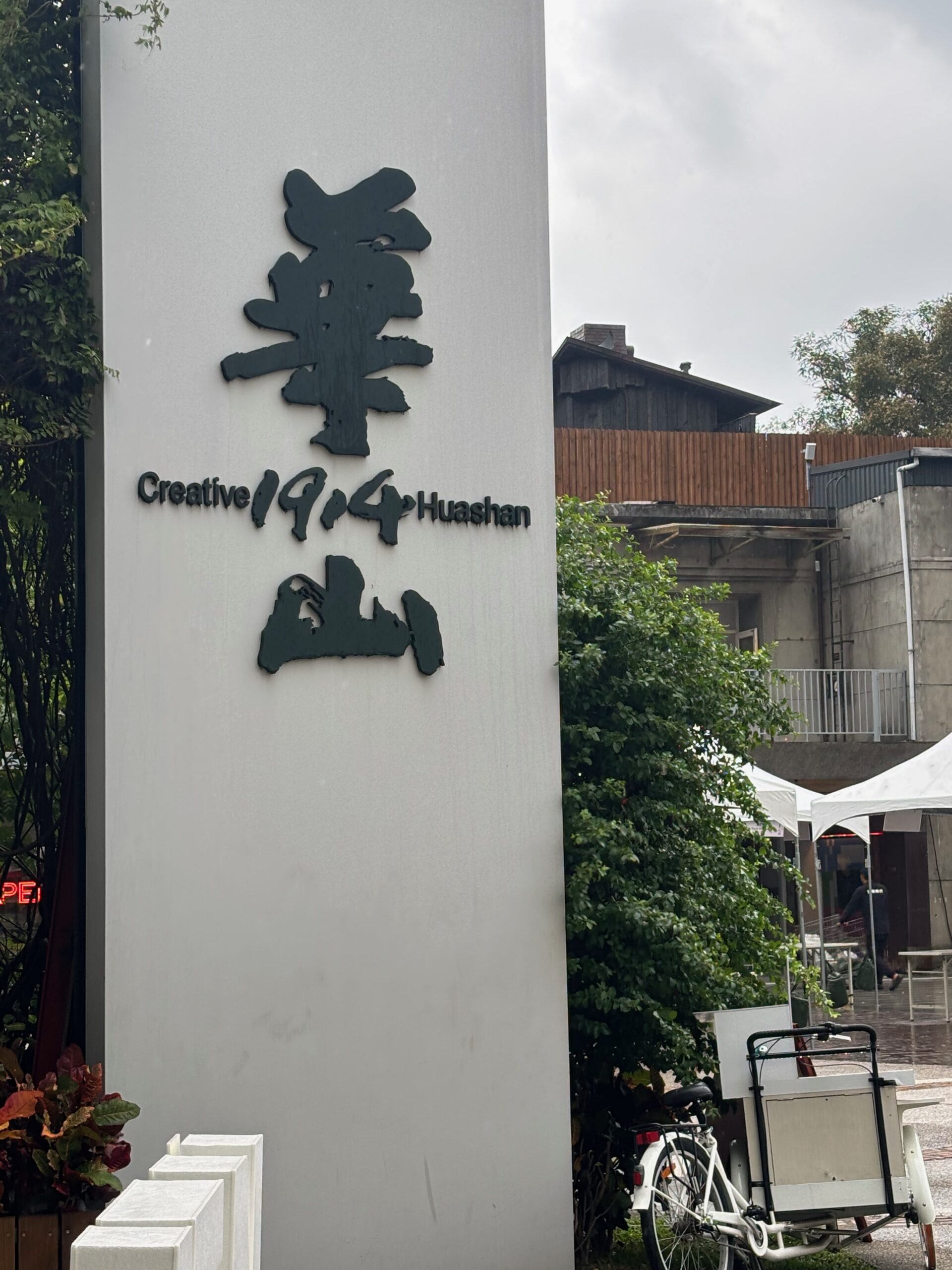
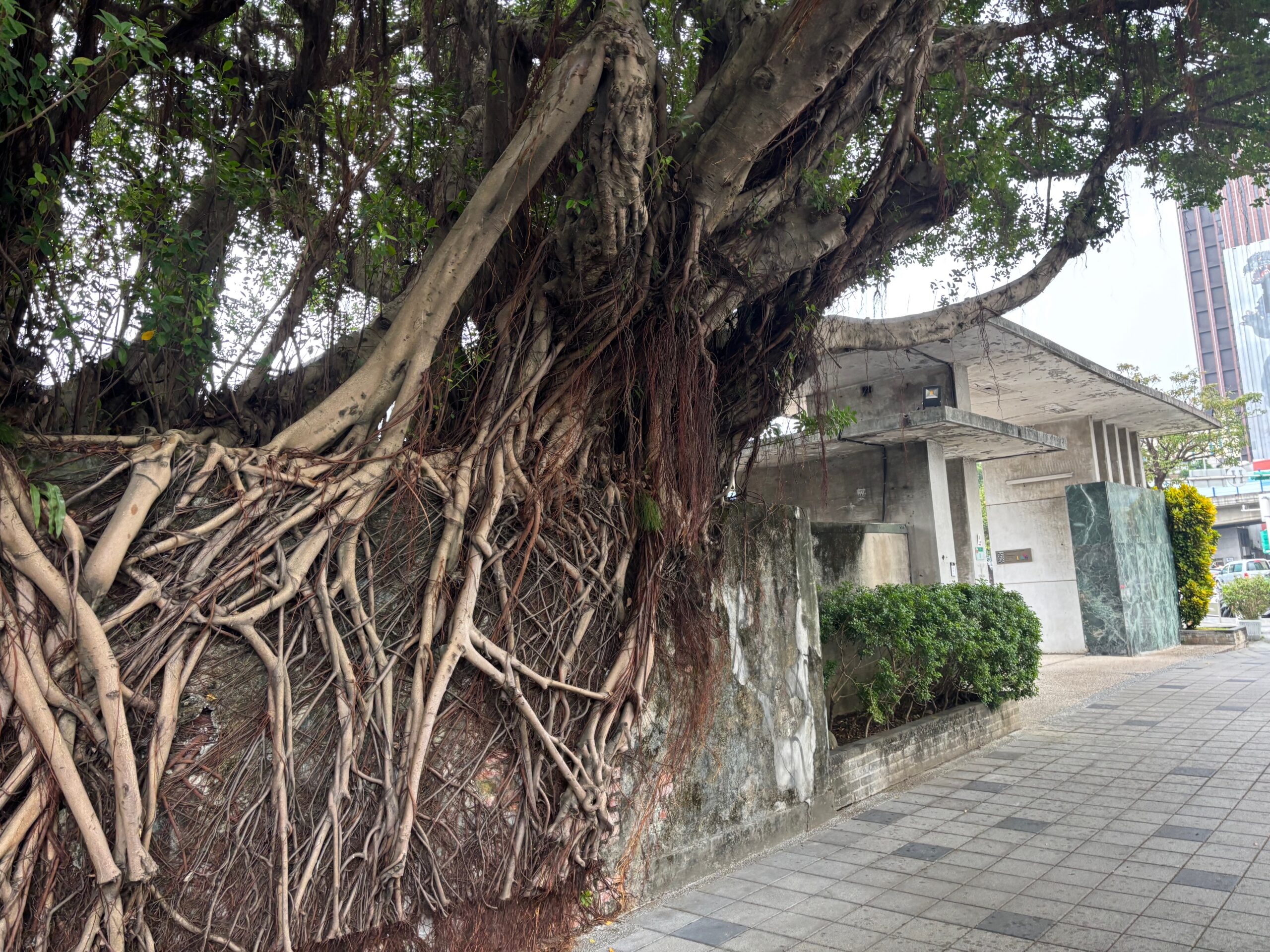
4. Huashan 1914 Creative Park. This 1914 Japanese sake distillery was slated for demolition but artists occupied the site in 1997, lobbying to save it. The result is a creative park of red brick warehouses. They are filled with galleries, design shops, cafes, pop-up exhibitions, and street performers on weekends. The banyan trees with roots growing through the walls add atmosphere. Free to wander
My Top Sights -Nature and tranquillity
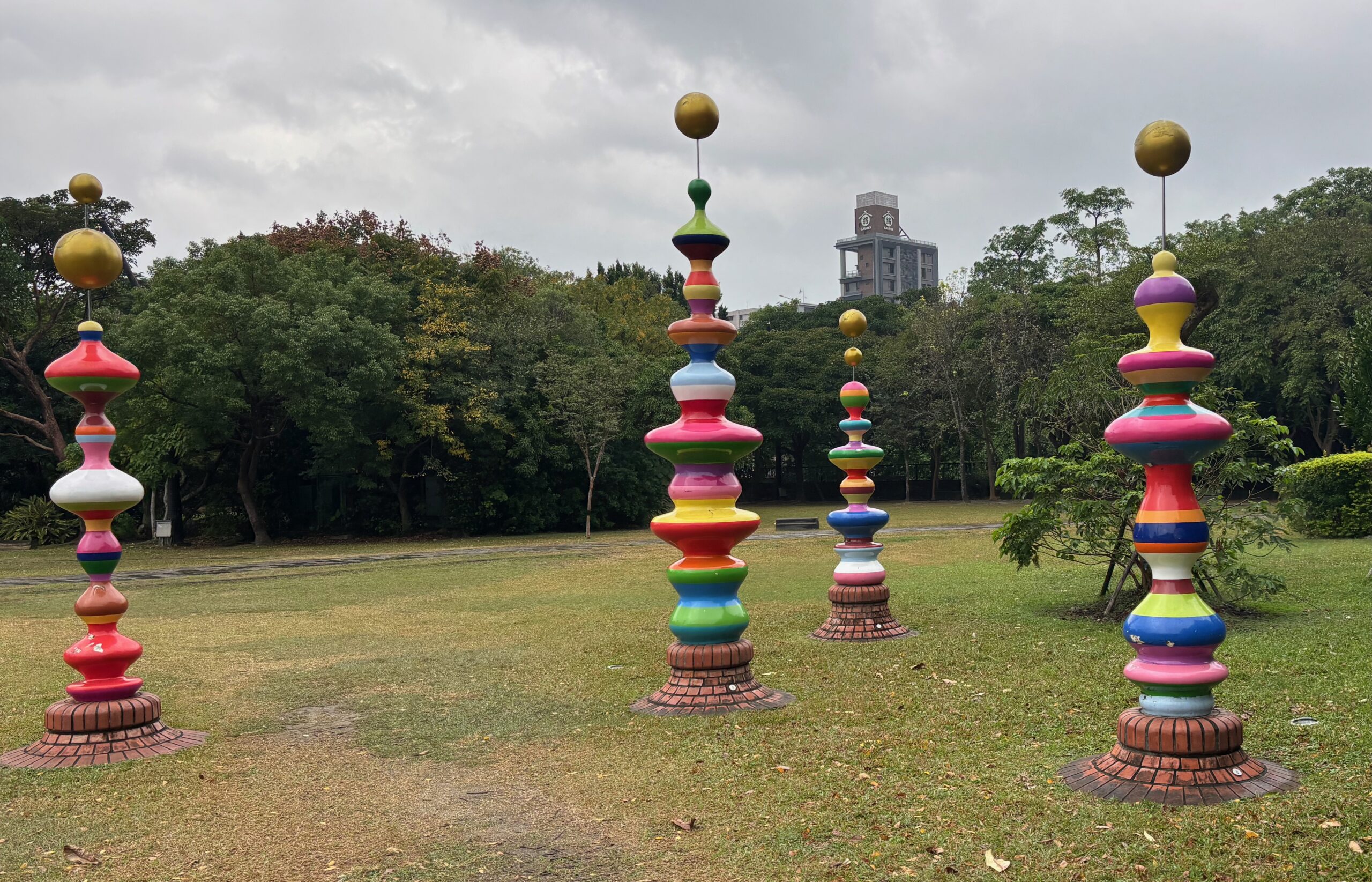
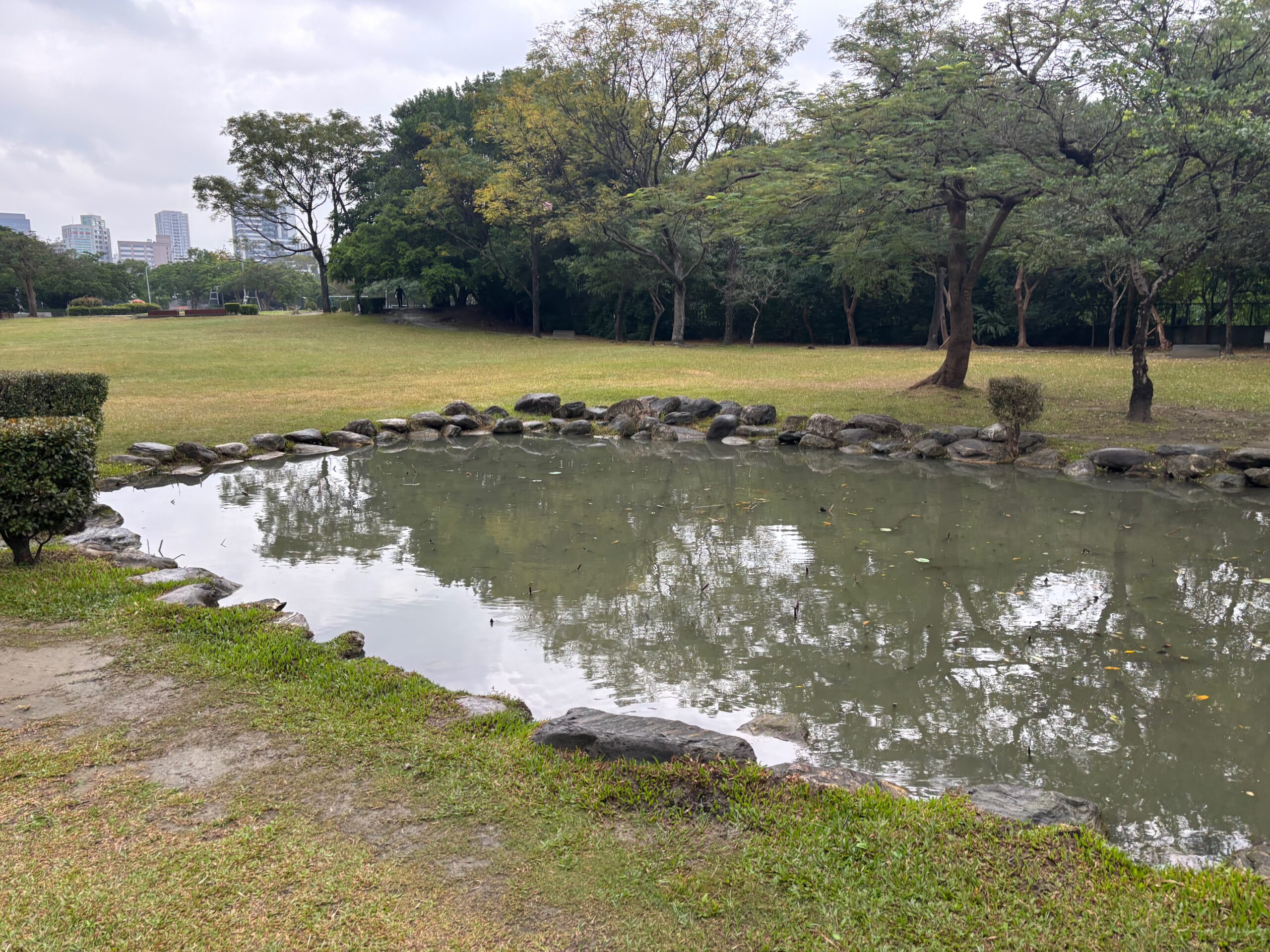

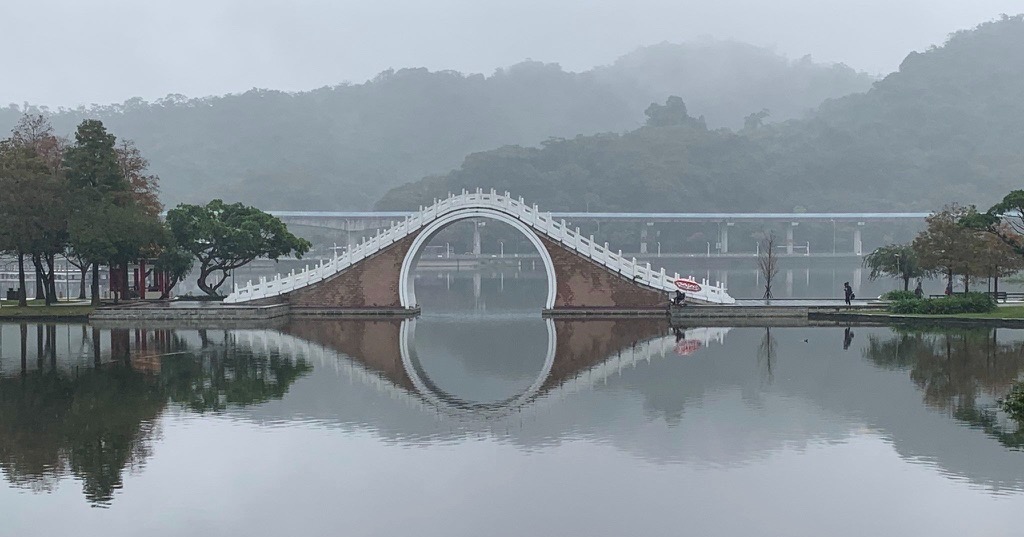
1. Da’an Forest Park: Taipei’s Central Park, with well-used jogging paths, an amphitheatre, and peaceful ecological ponds with herons and egrets. Don’t skip it.
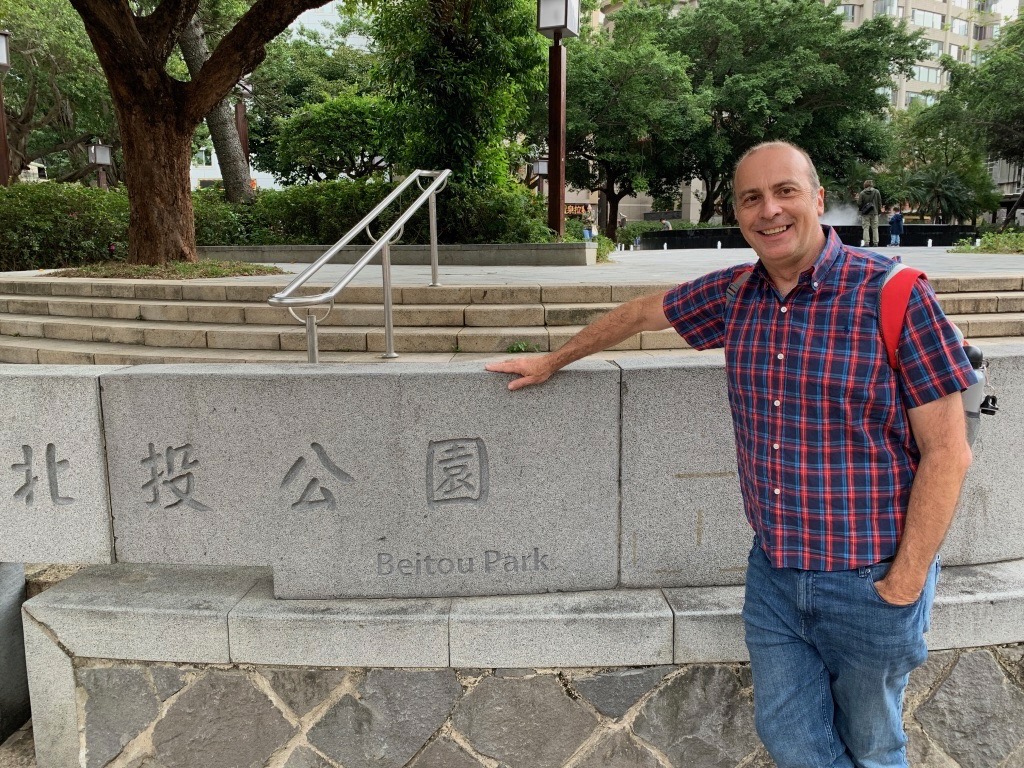
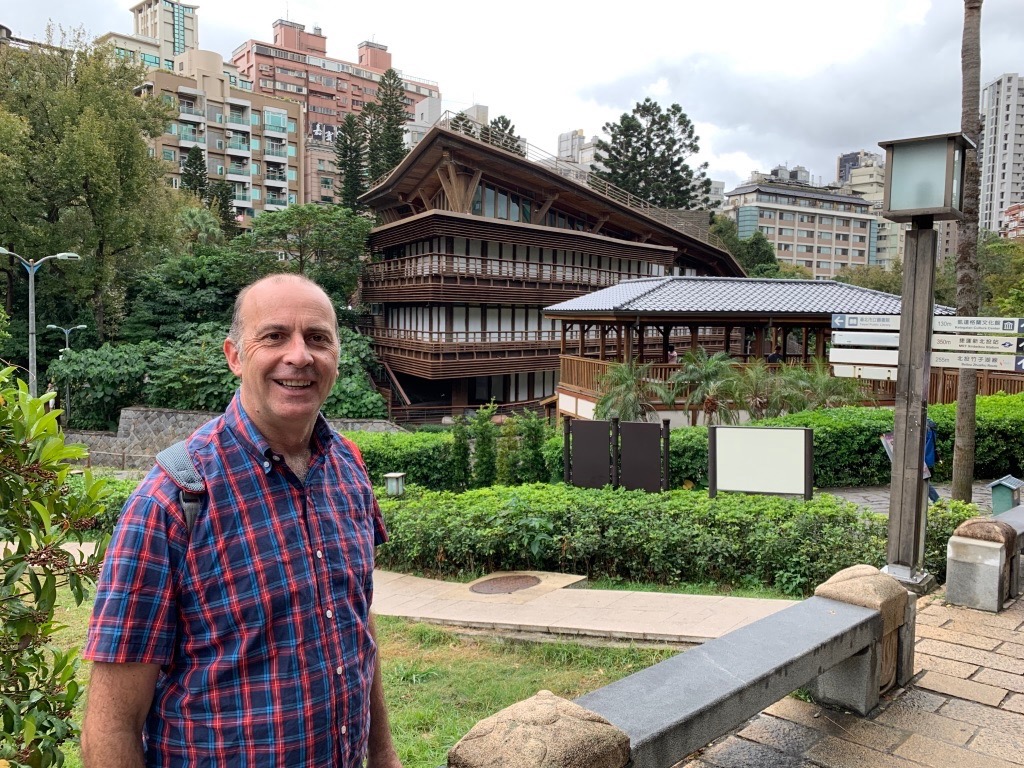
2, Beitou Hot Springs area is a historic hot spring resort area in the northern hills. Visit Thermal Valley to see the steaming sulfurous source. The Beitou Hot Spring Museum (in a beautiful Japanese-era bathhouse) is worth it a visit. You must either soak in the public baths or splurge on a private hot-spring hotel. The whole area has a relaxed, old-world spa town atmosphere.
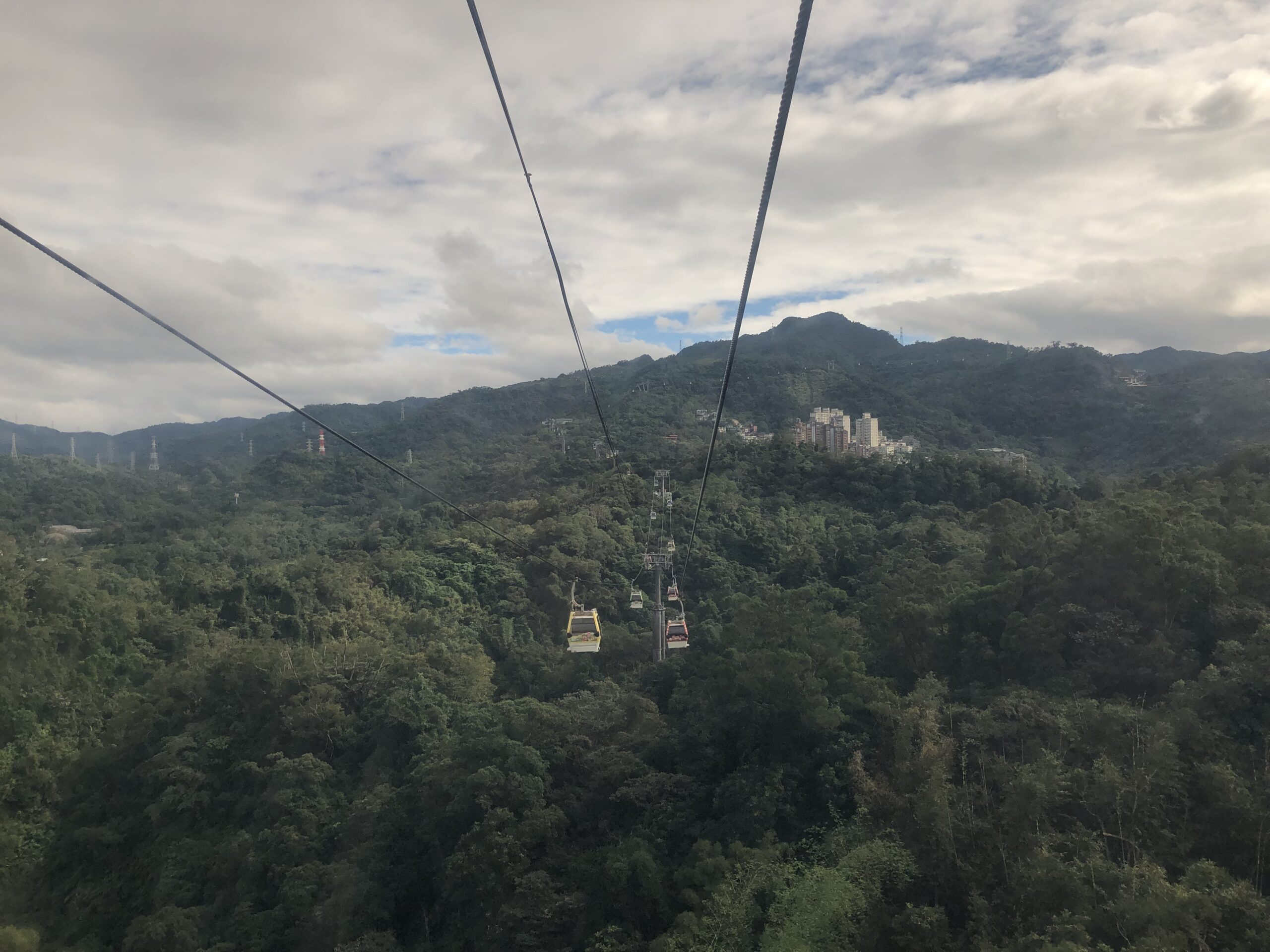
3. Maokong Gondola. If you love cable cars as I do, this ride is fantastic for the views, hiking trails and traditional teahouses. Tea cultivation here dates back to the 1700s. It includes tieguanyin, a roasted oolong, and baozhong, a lighter oolong with melon fragrance.
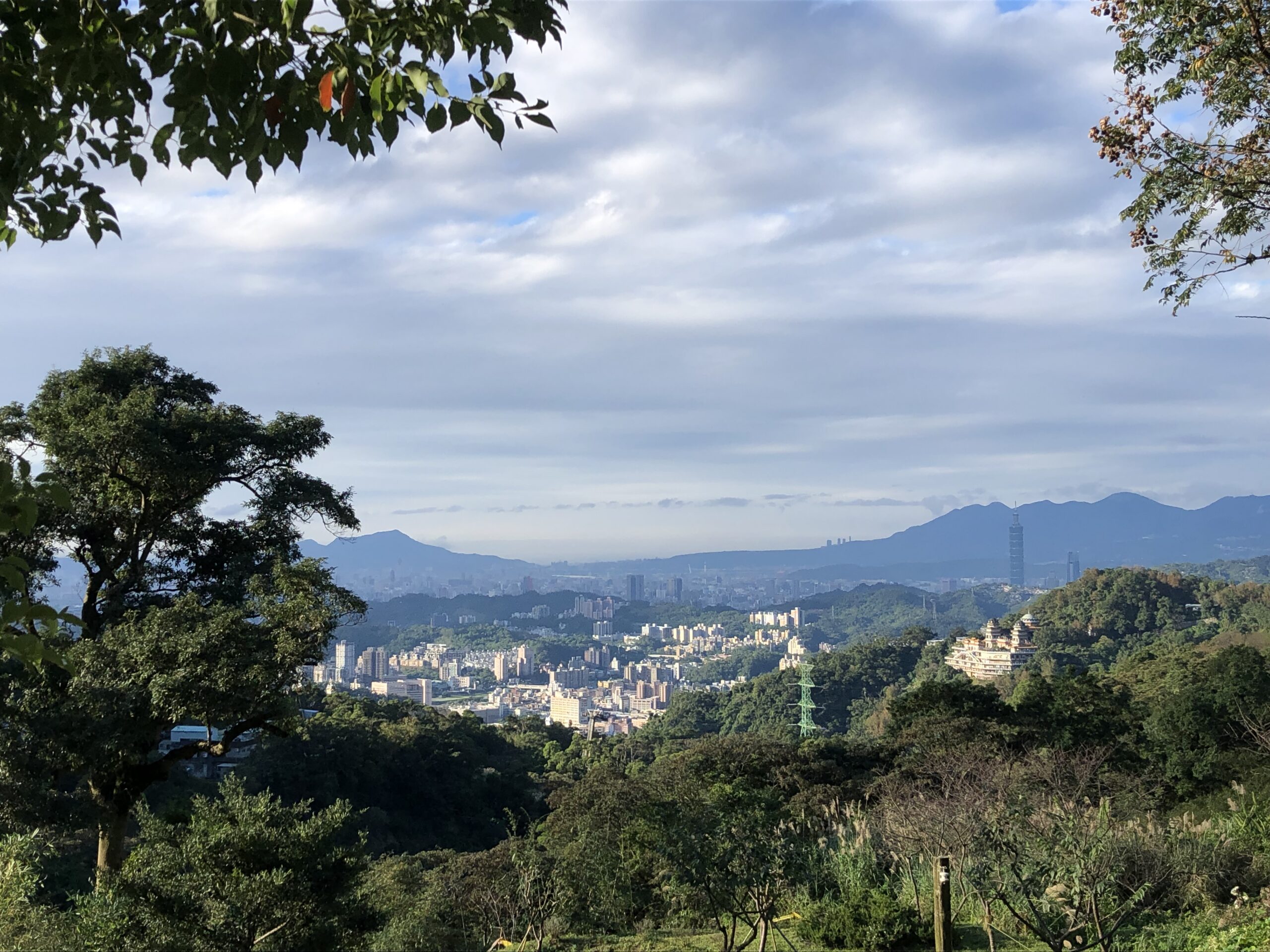
4. Hongshulin Mangrove Reserve is a 76-hectare swamp with a large number of kandelia. This is a live-bearing mangrove whose seeds germinate while still attached to the tree. They then drop into the water. The reserve sits next to the station on the MRT red line. The Mangrove Ecocenter on the station’s second floor explains the ecology. Follow the boardwalk through the reserve toward Tamsui and spot egrets, mudskippers, and over 30 species of crab. They mostly looked the same to me! Free, easy walk
5. Elephant Mountain (Xiangshan). You do have to join almost every tourist in the city for the short, steep 25-minute hike up stone steps. They take you to multiple spots for the classic Instagram shot of Taipei 101 rising above the city. At sunset, the city lights are glowing and 101 is illuminated. The trailhead is right next to Xiangshan MRT station. It is well-maintained with several viewing platforms.
6. Shifen Waterfall is Taiwan’s widest waterfall, at 40 metres (130 feet) across, is nicknamed “Taiwan’s Little Niagara.” It is 20 metres (66 feet) high. A 20-minute walk from Shifen Station on the Pingxi Line, crossing two suspension bridges to reach the viewing platforms. You might be lucky to see a rainbow. Nearby Shifen Old Street is famous for sky lanterns.
Five Favourite Night Markets
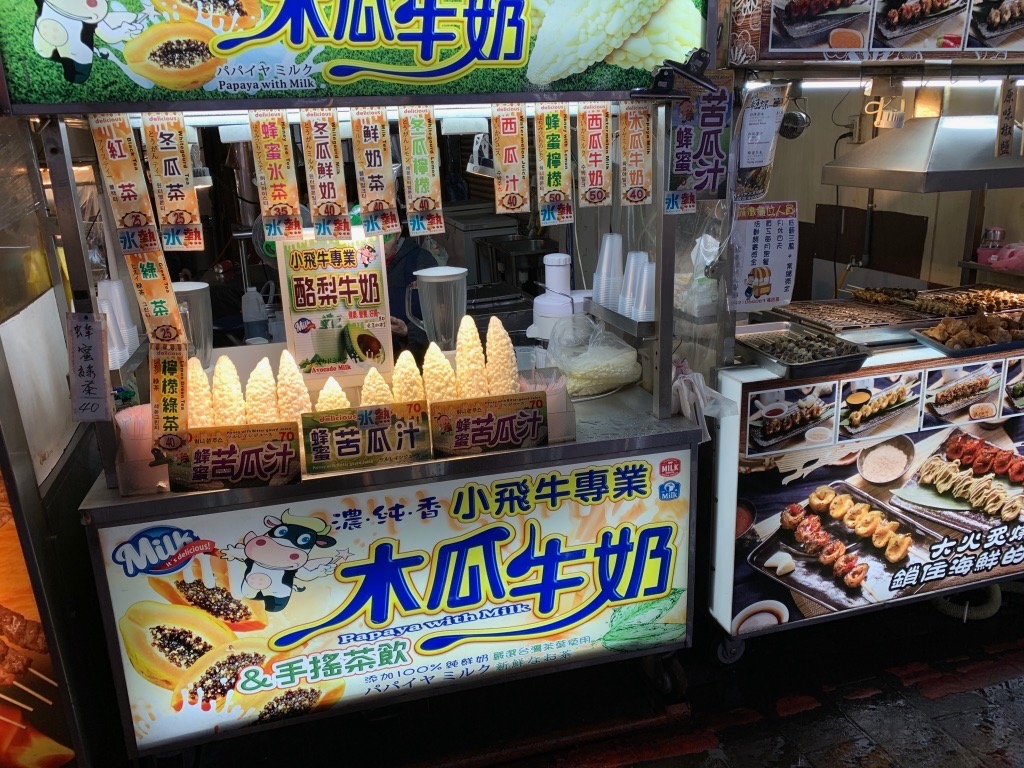
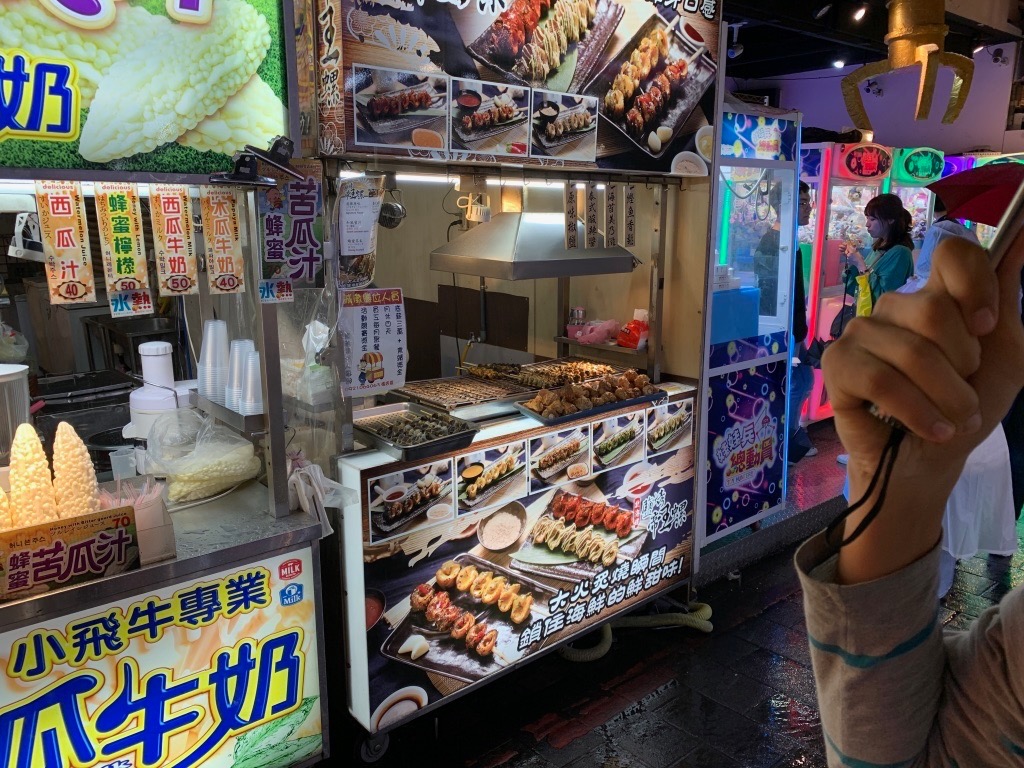
These markets began in the early 20th century as temporary gatherings near temples during festivals. They evolved into permanent urban fixtures offering affordable food and goods to working-class residents. Today, they are economically vital and culturally central. But they’re under pressure. Rising rents in central Taipei have pushed traditional vendors out. Younger generations aren’t taking over family stalls. Chain restaurants and convenience stores compete for customers. Some markets have become overly touristy, losing authenticity. Enjoy Taipei’s real food culture while we can.
- Shilin Night Market. The largest and most famous night market in Taipei, I visited almost 20 years ago when I first came. It’s lost some of its lustre since then and become more touristy and more crowded with less character. But it’s still the one that started it all for me, and is worth revisiting to see how the city has changed. I come back each visit for nostalgia.
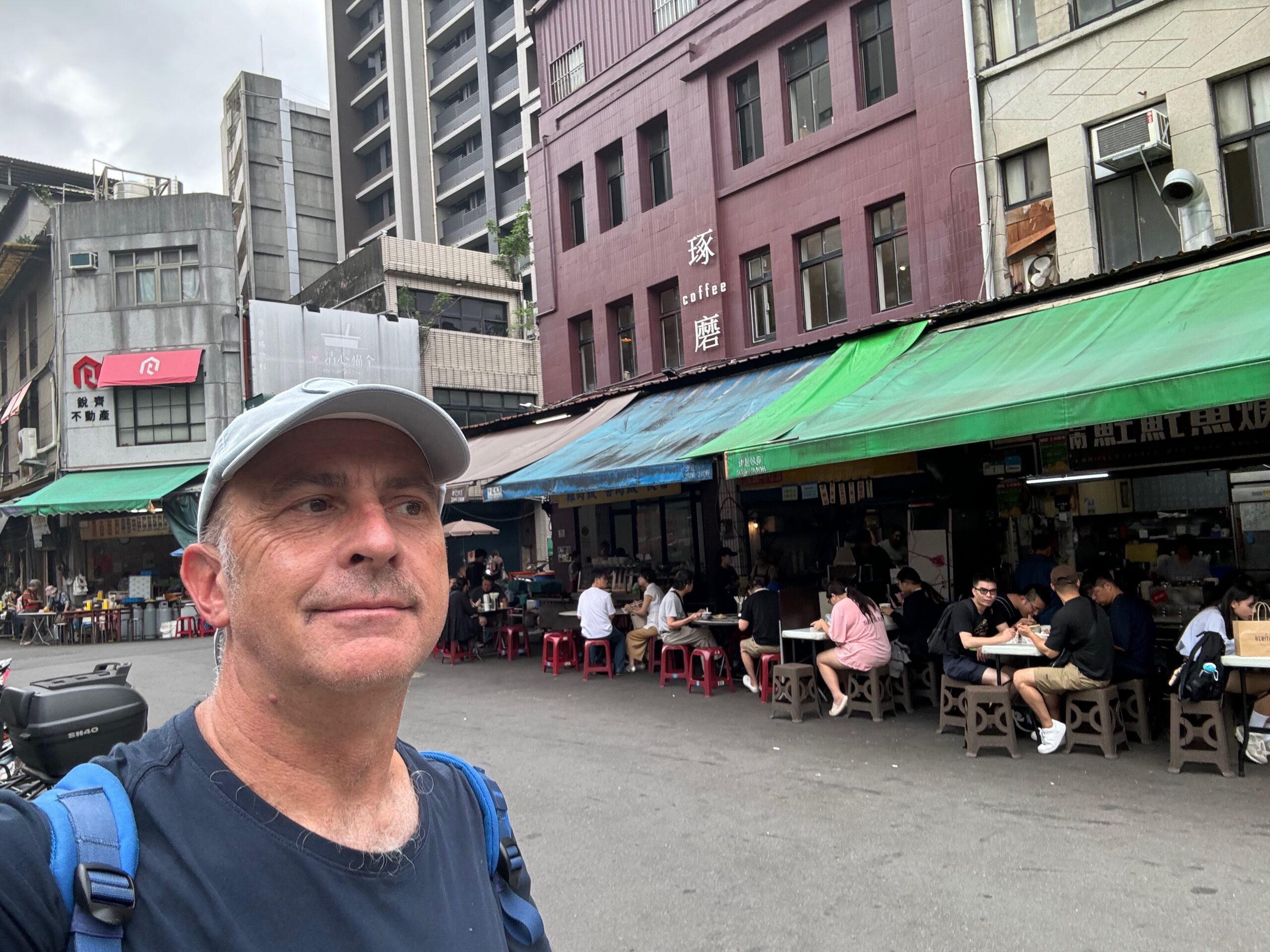
- Tonghua (Linjiang Street) Night Market. Downtown Taipei, walking distance from Taipei 101. A night market that retained its soul despite the gentrification around it. Best stinky tofu in the city, apparently. Several Michelin Bib Gourmand stalls. Locals still outnumber tourists here.
- Jingmei Night Market. Students from Shih Hsin University crowd these stalls for sesame oil chicken, Shanghai-style pan-fried buns, tofu pudding, and saltwater chicken at prices that won’t bankrupt them.
- Ningxia Night Market. Smaller than Shilin but intensely food-focused. Skip the trinkets and enjoy the food. Every vendor has perfected their craft over decades. The energy is different here—less performance, more locals.
- Raohe Street Night Market. Enters through the ornate temple gate of Ciyou Temple, a 250-year-old Mazu shrine. One long lane, tightly packed, with the Keelung River at the far end. Famous for black pepper buns, medicinal herbal soups, and grilled skewers. Walk it end to end and finish with a riverside stroll.
Recommended Further Afield
These are all outside central Taipei and work as half‑ or full‑day trips
- Yangmingshan National Park is a dormant volcanic landscape of crater lakes, sulfur vents, hot spring streams. The grassy peaks turn pink with cherry blossoms in February and March. Well-marked trails take you to Qixingshan, the highest peak, where you can see Taipei spread out below you.
- Perched above the northeast coast of Taiwan, Jiufen is a tangle of steep alleys connected by narrow stone steps. Some of them are lantern-lit. It experienced a gold rush during the Japanese colonial period, but declined sharply when the mines closed. The old gold mine at nearby Jinguashi is worth a visit. The tea houses serve good meals and are a welcome excuse to sit down. Enjoy the view out over the harbour.
PLANNING YOUR TRIP (before you go)
How to Get to Taipei
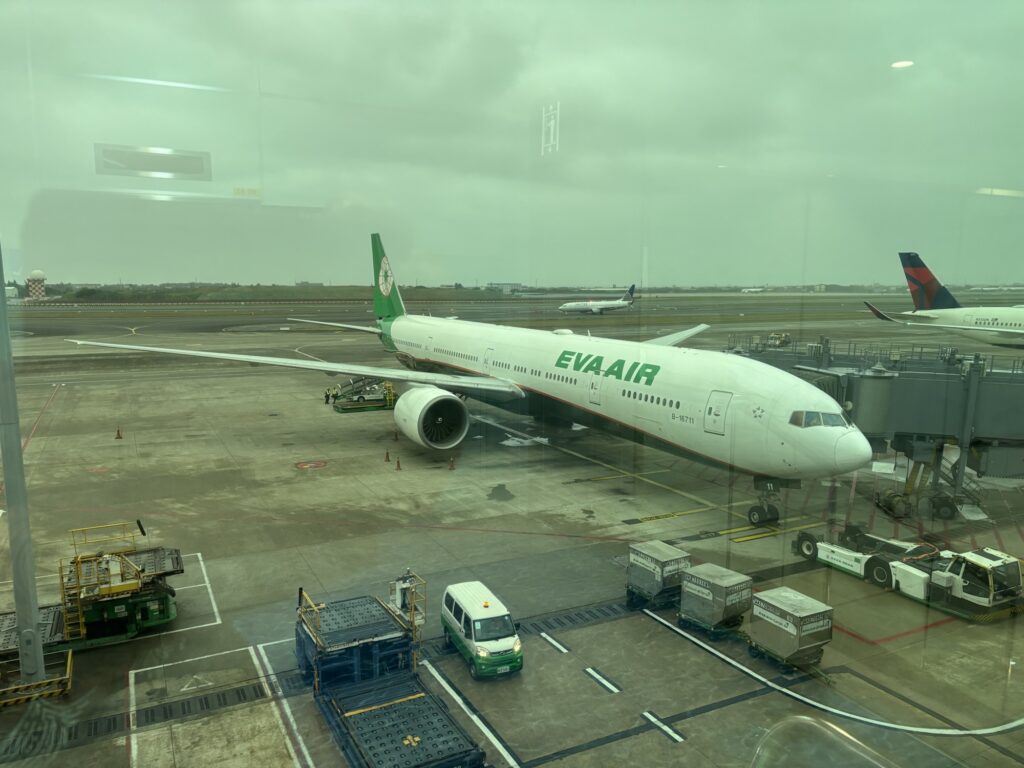
Taiwan Taoyuan International Airport handles almost all of Taipei’s international flights. There are direct routes to around 100–108 destinations in roughly 29–30 countries. Air China, Eva and Starlux are the three carriers.
Taipei Songshan Airport (TSA)i n-city airport handling domestic flights and some limited short-haul international routes. You can fly to Tokyo Haneda, Seoul Gimpo and Shanghai Hongqiao.
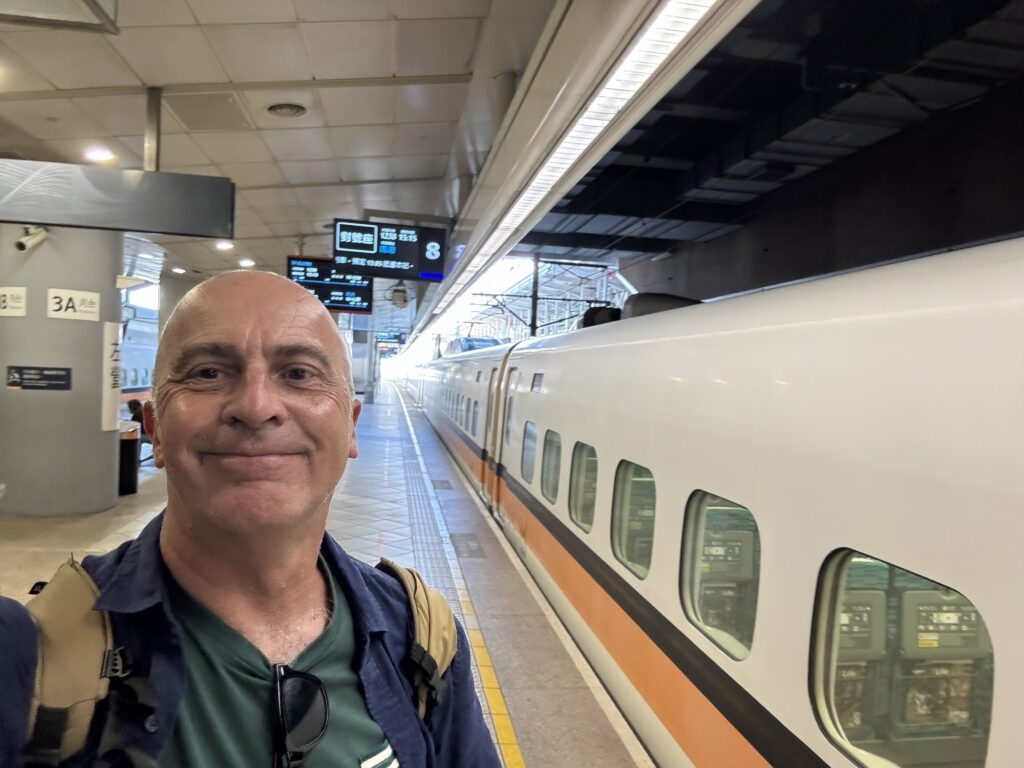
Taiwan High-Speed Rail (HSR) connects Taipei to key destinations on the Taiwanese west coast.
Taiwan Railways Administration (TRA) network links Taipei to cities across the island on the west coast and the east coast.
Buses from the Taipei Bus Station next to Taipei Main Station run to most major cities and many smaller towns. Slower than trains but often cheaper.
When to Visit / Weather (by season): The city lies at about 25° north latitude, roughly 2,800 km south of the equator and 121.5° east longitude, roughly the same band as Hong Kong, Miami, Dubai, and Monterrey, giving it a humid subtropical climate with hot, wet summers and mild winters
- Spring (March–May): Mild and warming; often comfortable, though with some rain. Light layers and a small umbrella are useful. (Around 18–26°C, mid‑60s to high‑70s°F)
- Summer (June–August): Hot, very humid, and often rainy; frequent afternoon showers and some typhoon risk, especially later in the season. Think shorts, T‑shirts, and rain gear. (Around 26–34°C, high‑70s to low‑90s°F)
- Autumn (September–November): Starts warm and humid in September with possible typhoons, then becomes drier, clearer, and pleasantly mild in October–November. Great for walking and hiking. (Roughly 20–28°C in Sept, easing to about 18–24°C by November)
- Winter (December–February): Cool and damp rather than freezing; many homes have no heating, so it can feel chilly indoors. You’ll want a light-to-medium jacket and maybe a sweater. (About 12–18°C, mid‑50s to mid‑60s°F).
Where to Stay
Wherever you are in Taipei, the amazing transport network makes it easy to get around. My three favourite recommendations:
Ximending (West / Old city edge) is a great base with pedestrian streets, food, and nightlife. You will have to contend with lots of tour groups.
Around Taipei Main Station (Centre) is fabulous for excellent transport connections, cool restaurants and great shopping.
Da’an in the south, because it feels more “everyday Taipei”, Good food, cool cafés and fewer tour groups.
Money
The currency is the New Taiwan Dollar (NT$ or TWD).
Credit and debit cards are widely accepted in hotels, department stores, restaurants, and chain shops,. Many traditional shops, street vendors, and night markets still prefer cash. I carry more cash here than I do in other cities. ATMs are found at 7‑Elevens, FamilyMarts, and MRT stations. Expect $US4 ATM fees. Cathay United Bank ATMs were not charging fees for foreign cards.
EasyCard is a rechargeable smart card that you can add to Apple Pay or Google Pay on your phone. Simply tap in and out at MRT gates, on buses. Can also be used for YouBike rentals, at convenience stores, and on some taxis. You can also buy them at MRT stations and convenience stores, top them up as needed.
Costs
Taipei used to be cheap up to 2020. Not anymore. Inflation in Taipei since 2022 has definitely pushed prices up. The Taiwan dollar has also bounced around, recently getting stronger again. Costs for visitors paying in US dollars and euros has gone up.
Accommodation: 4‑star: from about US$129; 3‑star: about US$70; Hostels: $25 for a dorm bed.
Dinner: $US17 is typical mid‑range. Casual Lunch, casual: $US10 Fast food meal: $US7
Night market: $US5 to $US8. Coffee: US$3 Bubble Tea: $US1.50
ON THE GROUND (while you’re there)
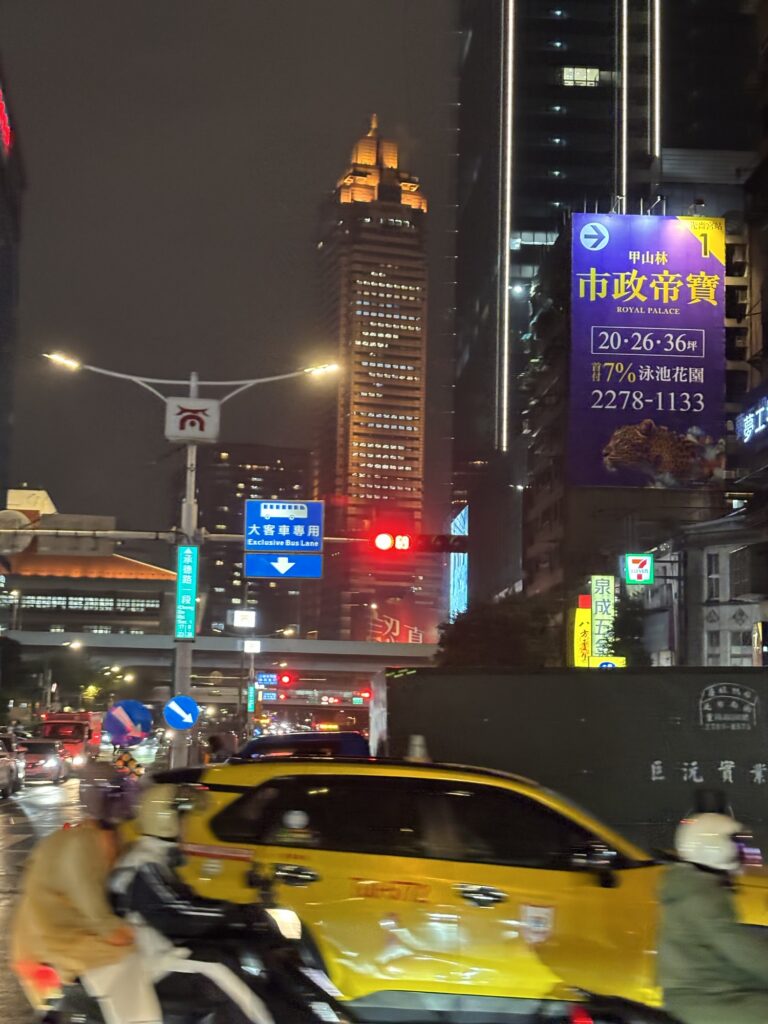
Crime: Taipei is one of the safest major cities in Asia and the world. You can walk anywhere at night. Lost items usually get returned. Violent crime is extremely rare, and petty crime, such as pickpocketing, is uncommon compared to most global cities. The biggest safety concern is traffic. Scooters are everywhere and don’t always follow rules. Look carefully before crossing streets, even at marked crossings.
Emergency Numbers: Police: 110, Fire: 119, Ambulance: 119 English-speaking tourist hotline: 0800-011-765
Getting Around Taipei
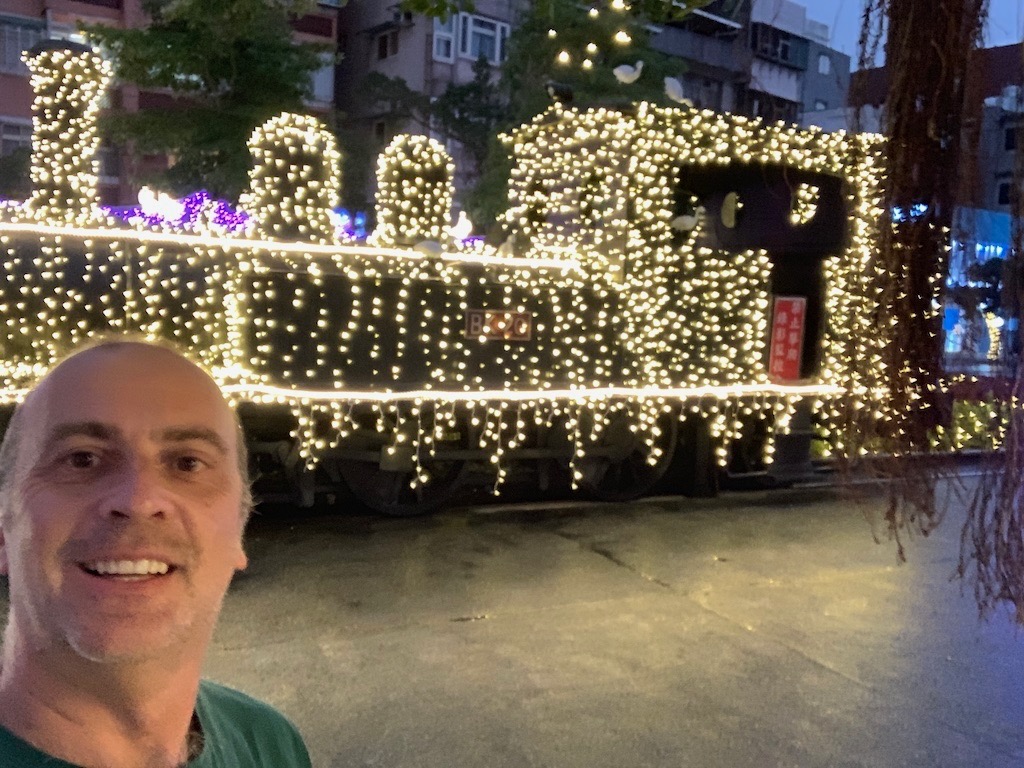
From the Airport. My preference is the MRT Express trains to Taipei Main Station (40 minutes). Taxis take longer (up to an hour).
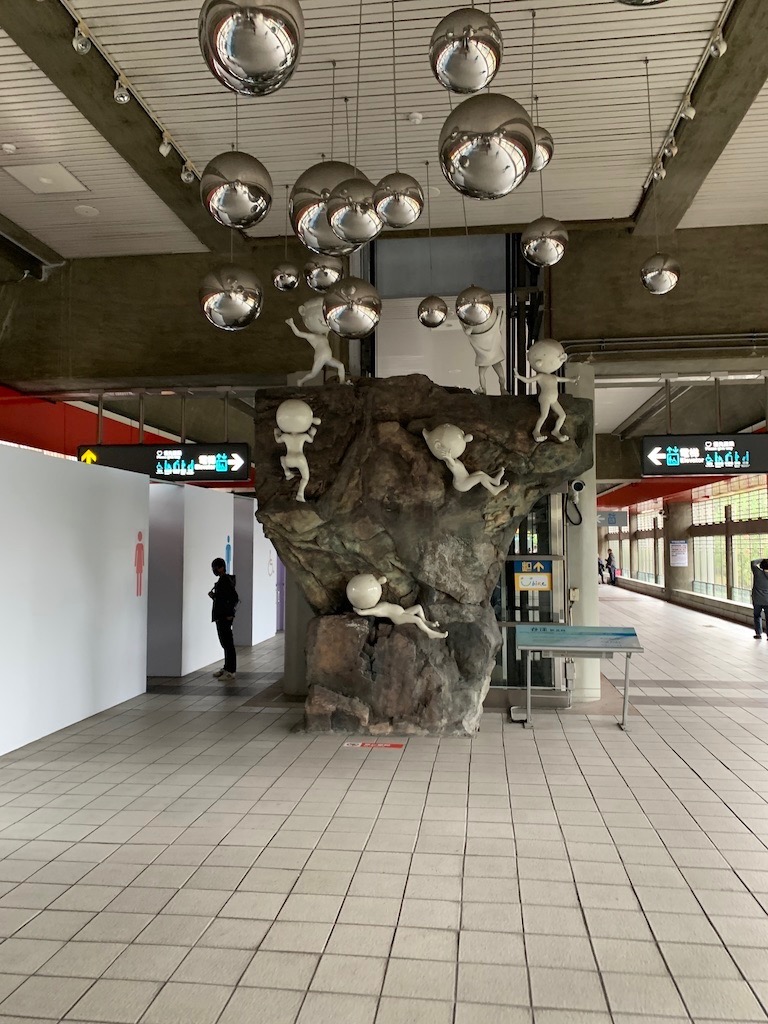
Taipei Metro MRT: Six colour-coded lines are the backbone of the city’s transport system. Clean, Fast, safe, Efficient from dawn to midnight.
Buses complement the MRT, reaching areas the metro doesn’t serve. Announcements and signs aren’t always in English, but Google Maps works well for planning bus journeys. Pay with EasyCard when boarding and exiting (some routes charge based on distance). Buses generally run 06:00-23:00, with some limited night routes.
YouBike (Public Bike Share): Rent bikes using an EasyCard or credit card at any YouBike kiosk. The first 30 minutes are free with an EasyCard. The city has an expanding network of bike lanes and riverside bike paths.
Taxis and Car Share: Bolt is my go-to here.
Food, Glorious Food
Taiwan seems to have endless arrays of delicious food.
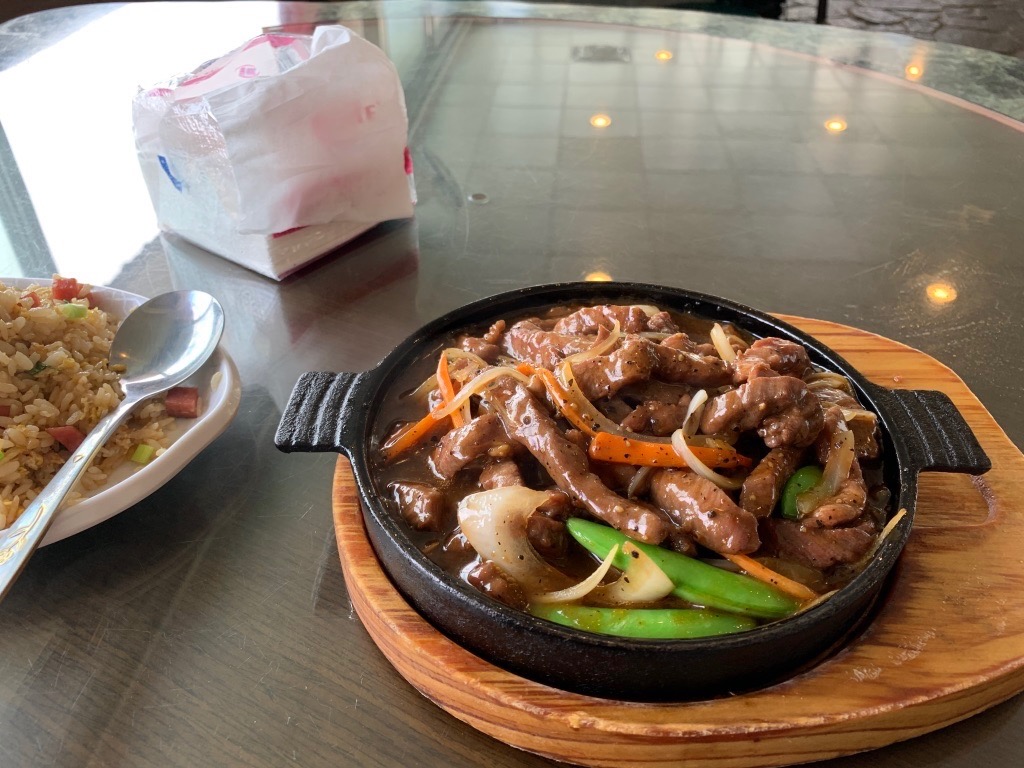
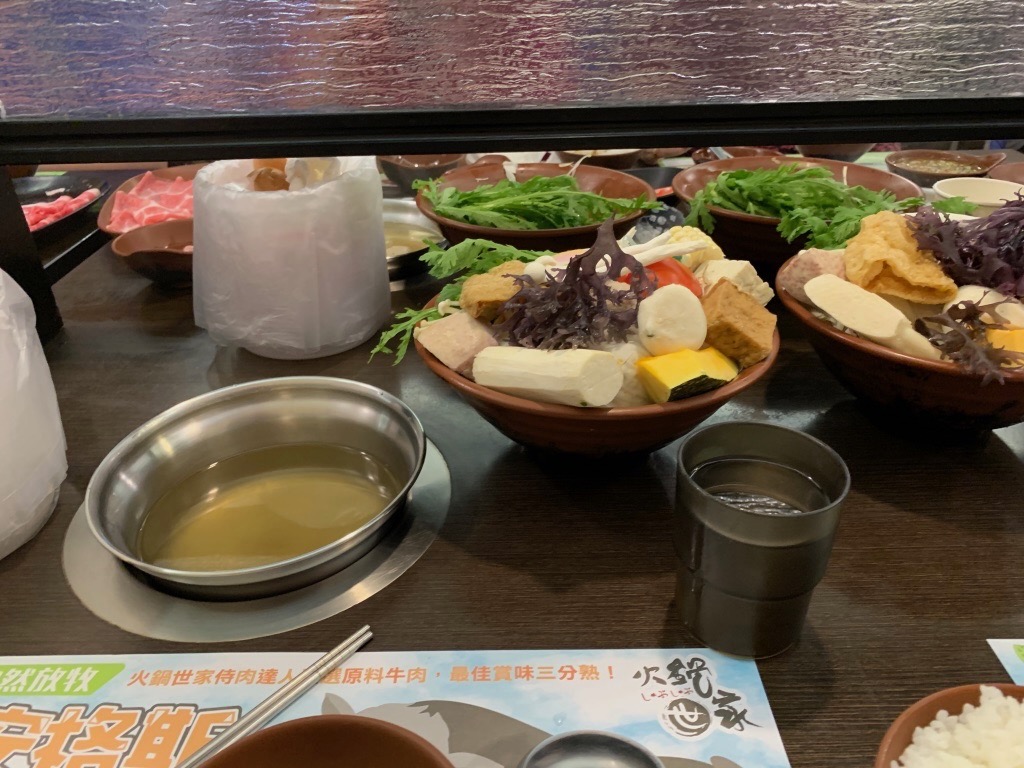
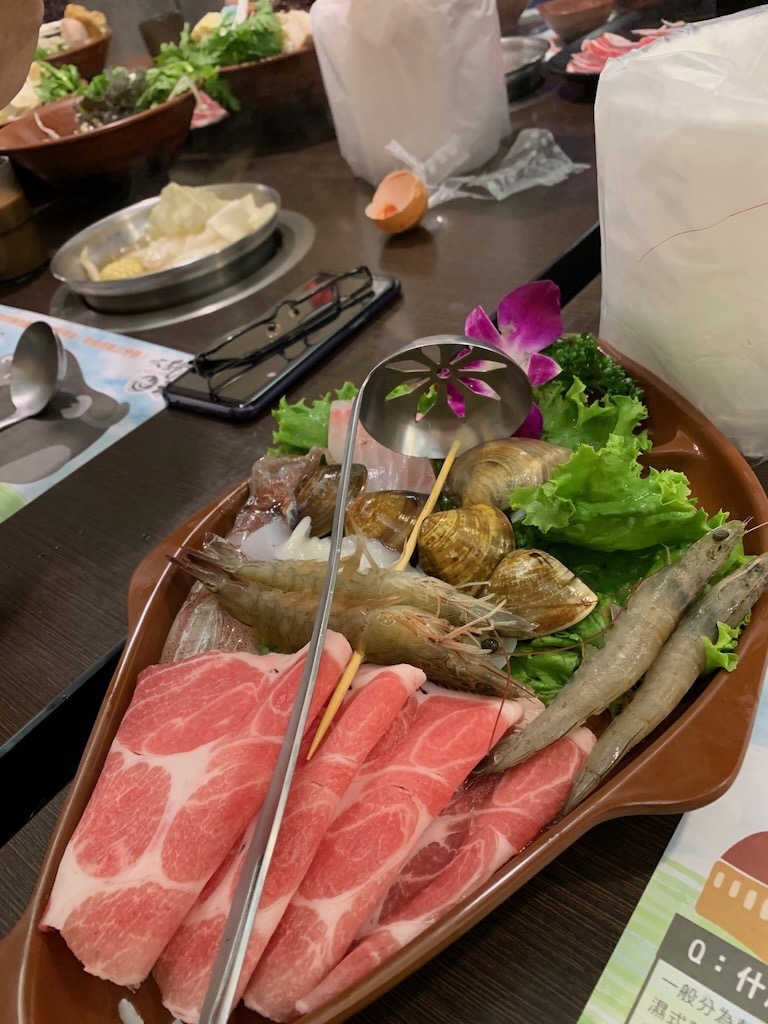
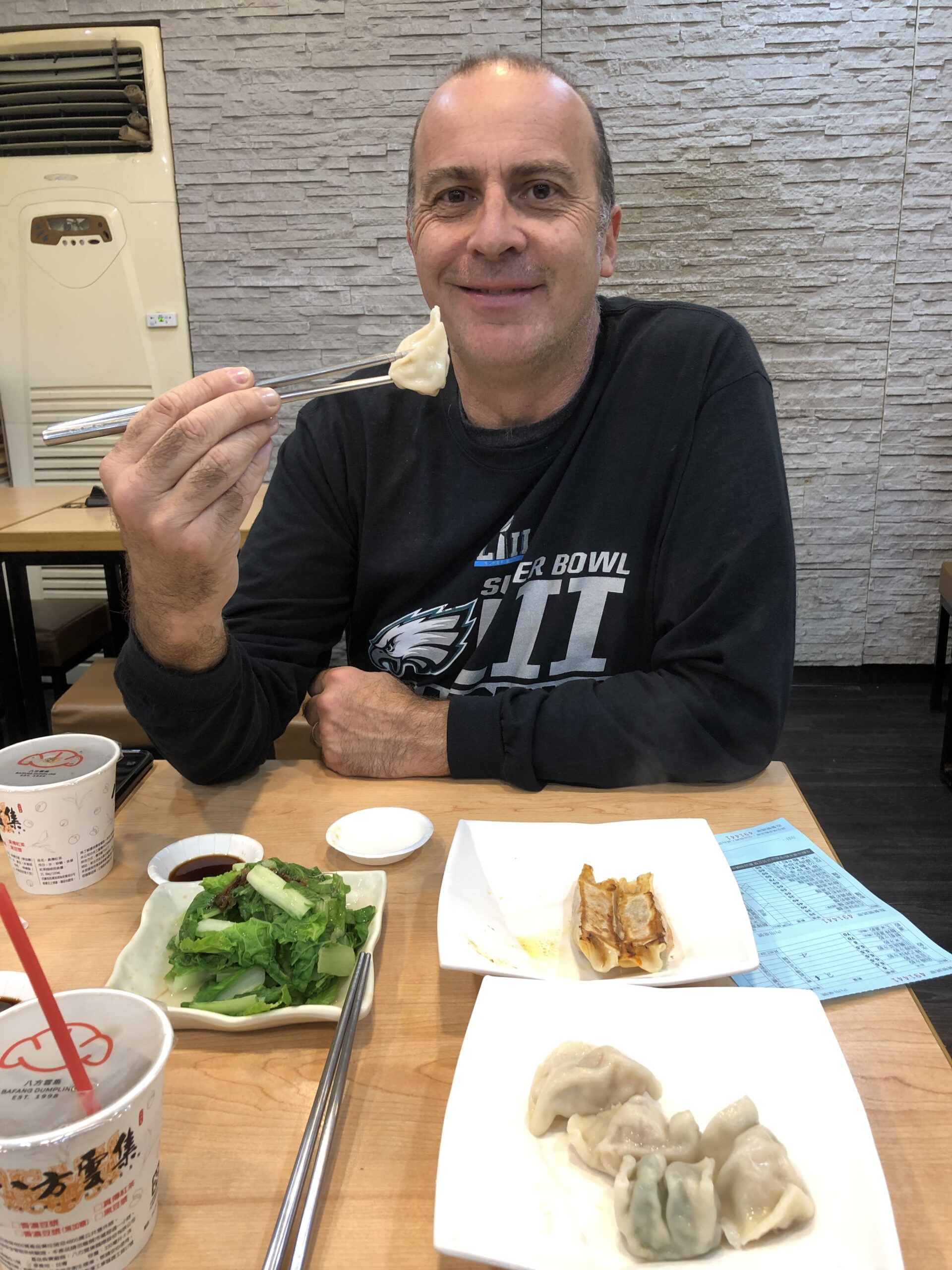
- Xiao long bao:the most delicious soup dumplings filled with seasoned meat and hot broth. Must try.
- Beef noodle soup – Slow‑braised beef in a rich, soy‑based broth with chewy noodles. Add the pickled greens.
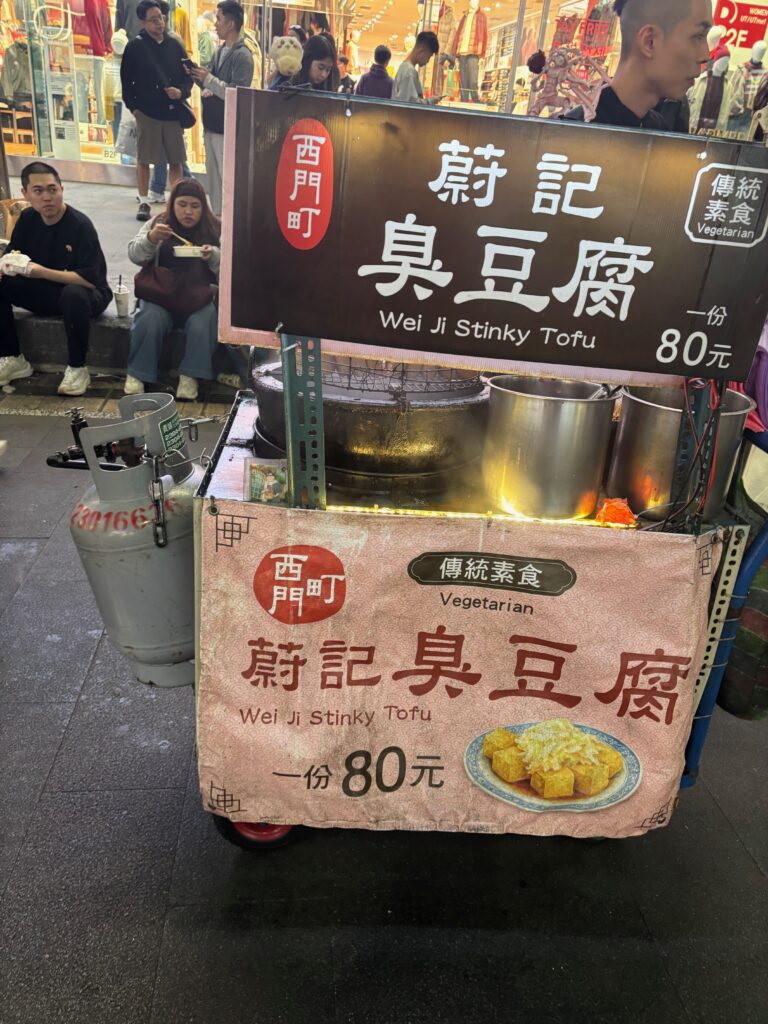
Stinky tofu
I first smelled this at Sahlin market and thought someone had died.
Eventually, I tried this fermented tofu. The taste was actually amazing as it melted in my mouth.
Eating it has made the smell less intense for me, but it’s still off-putting
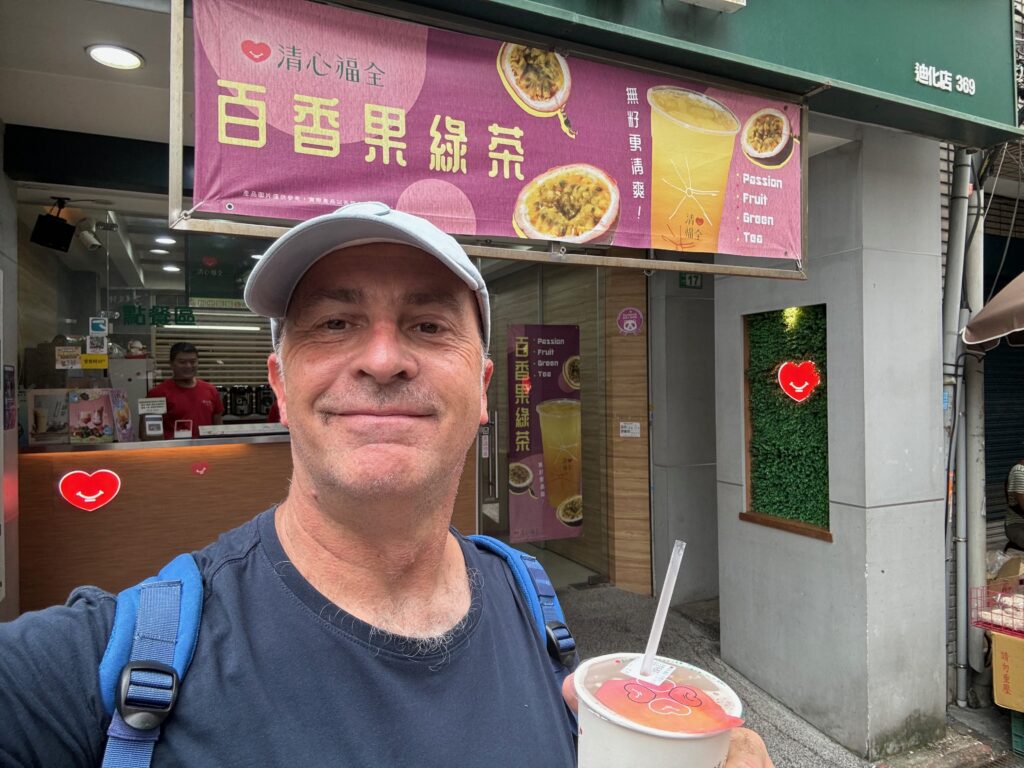
Bubble tea was invented in Taiwan in the 1980s. The exact origin is disputed. Chun Shui Tang (in Taichung) and Hanlin Tea Room (Tainan) both claim it. The results are addictive. You’ll find chains and independent stores all over Taipei. There are over 1,000 combos of tea when you factor in the black, green, oolong, etc., tea bases, sweetness and ice levels, toppings (tapioca pearls, pudding, jelly, etc.), and milk options. Hint: less sugar is better
- Oyster omelette: oysters, egg, and chewy batter fried together and topped with a sweet-savoury sauce is found in every market.
- Lu rou fan – Soy braised pork rice spooned over fresh white rice is a great comfort food
- Gua bao – Steamed bun “burger” stuffed with braised pork, pickles, cilantro, and crushed peanuts.
- Scallion pancake – Flaky, chewy flatbread layered with green onions, eaten plain or with egg, cheese, or meat.
- Pineapple cake: Under Japanese rule in the early 1900s, Taiwan saw a pineapple boom, with large plantations and canneries built to export canned pineapple to Japan. The big surpluses of fruit made it natural for bakeries to create what became Taiwan’s signature dessert using pineapple jam
My Verdict
I’ve been to 47 cities in Asia and 310 in the world. Taipei ranks 13th among those 310 cities. Along with Tokyo and Shanghai, it is one of the greatest Asian cities to visit. I think the other two are probably slightly “better” cities. Taipei, however feels easier to navigate and relax in so I crown it the best city in Asia:
- Aesthetics: Somewhere between Singapore’s organisation and Tokyo’s energy, but with more human-feeling neighbourhoods and night market chaos. Low pollution levels.
- Liveability: Consistently ranked among the most liveable cities in Asia.
- Crime: Up there with Tokyo, Singapore, and Zurich when it comes to feeling secure.
- Culture: A mix of Chinese, Japanese, and indigenous Taiwanese influences. World-class museums, a deep democratic movement, and strong women’s and LGBTQ+ rights.
- Transit: One of the world’s best. Better than most European cities, and on par with Tokyo, Singapore, Hong Kong, and Seoul
Would I Come Back? Absolutely. In fact, I’ve already been back seven times. It never disappoints.
Days needed: Give Taipei a minimum of 2 days. To really get lost in it properly, consider 4 to 5 days.
Related Posts:
- One Amazing Travel Year: Countless Stories across 23 Countries, 60 Cities
- Bogotá: Bold, Beautiful and Boggling Contrasts
- Flat Earth Challenge on the remotest flight: Qantas Business Class Non Stop from Sydney to Santiago
- Santiago: The Heart of Chile
- Under Rated Spokane -16 Top Things for a Great Visit
- Whimsical Portmeirion, Home of “The Prisoner”
- Canterbury: Historic Gem of Southern England

Leave a Reply