
In high school, I attended a talk by a South African exchange student. Two things stayed with me: his description of apartheid in its final years, and his description of the Garden Route. I knew I had to visit.
This route traces the edge of Africa, where the continent ends and the Indian Ocean takes over. In this post, I start in Cape Town. I detail the roughly 800 km between that city and Port Elizabeth, the next major city.
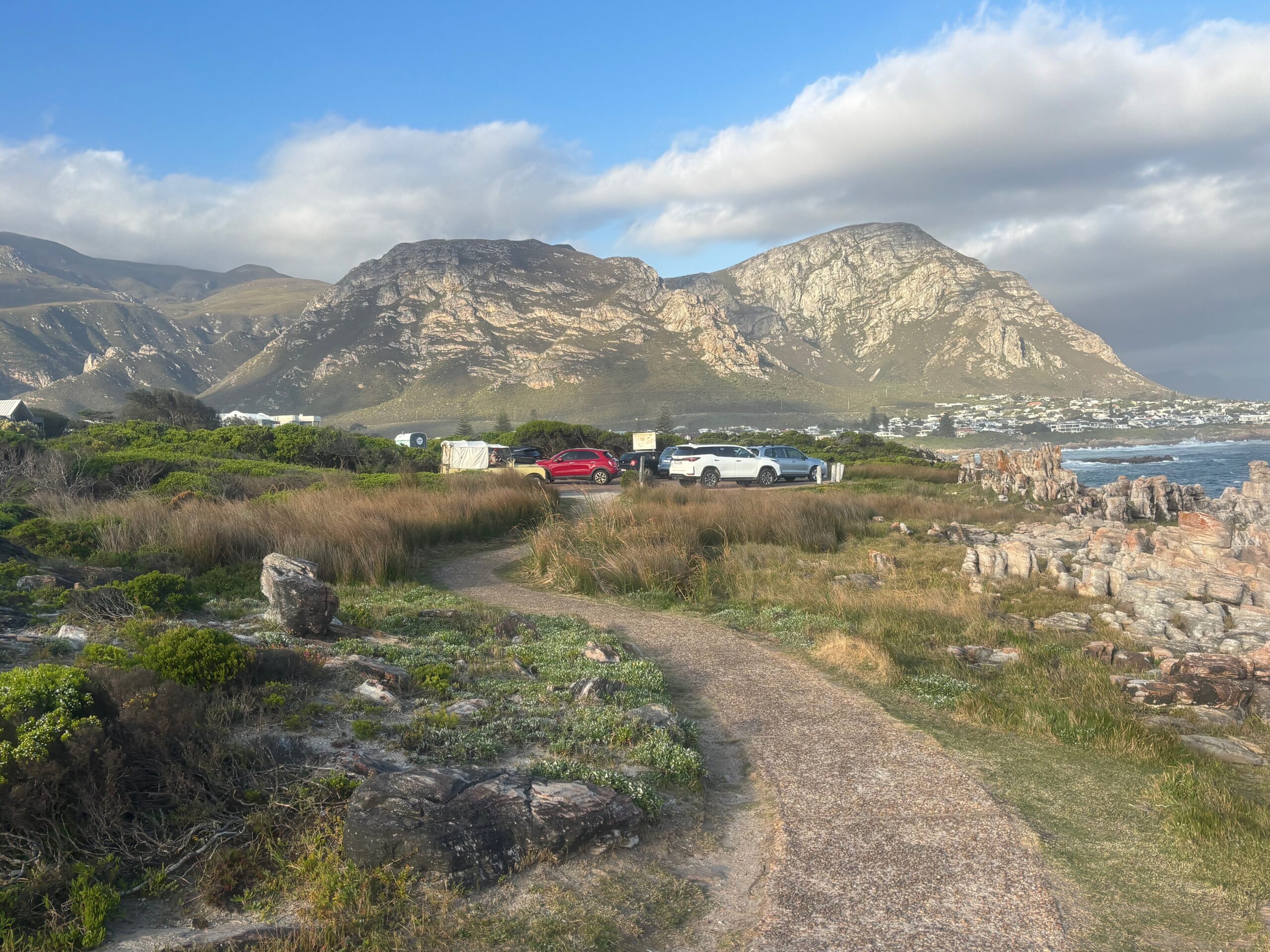
The Journey
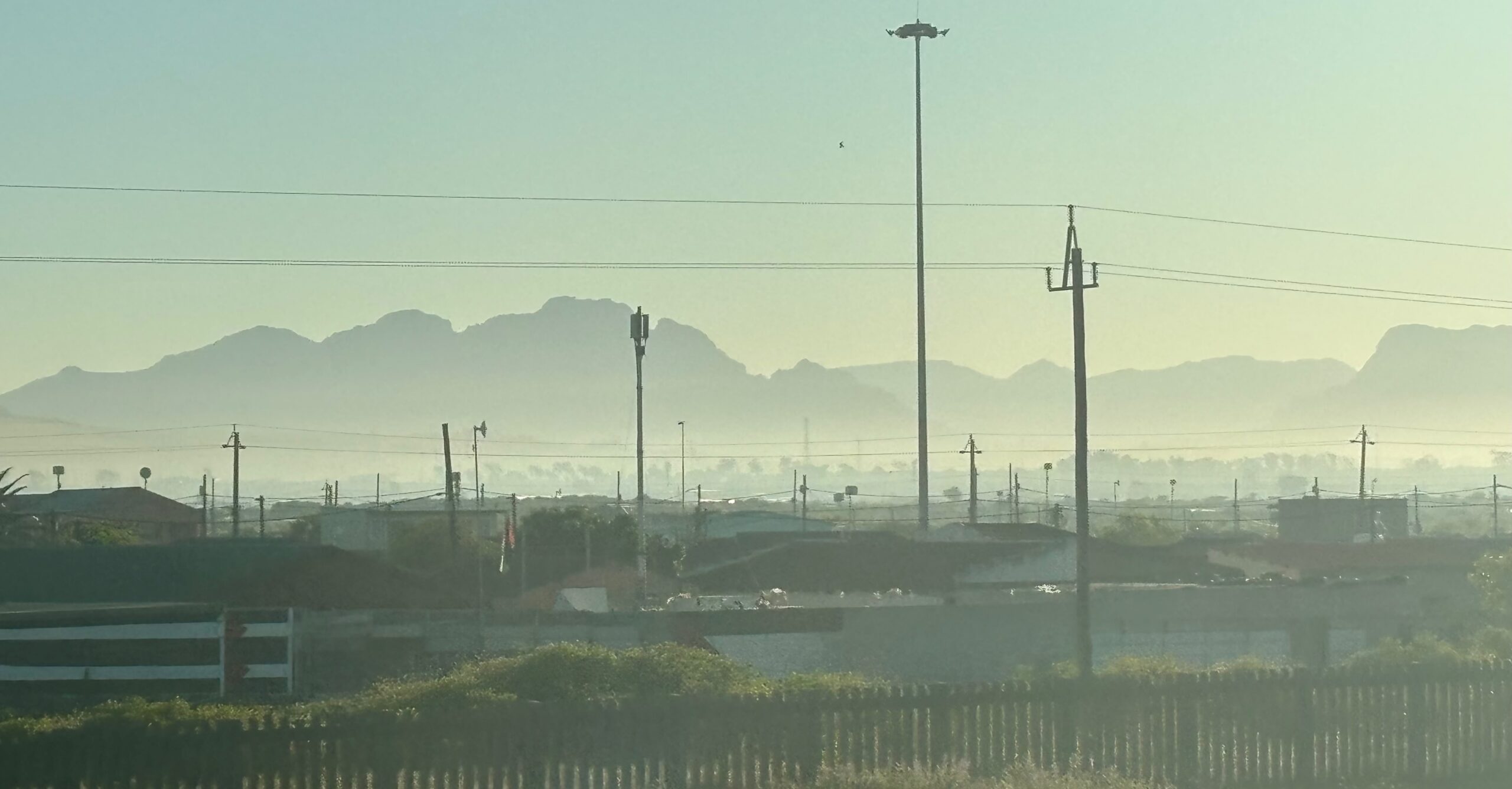
Rolled out of Cape Town just after dawn, Table Mountain at our backs. The freeways cut through sprawling townships and informal housing packed right up to the tarmac. The suburbs then thinned into light industry and then open highway with low scrub, distant ridgelines and flat farmland. The mountains of the Boland rose ahead, blue-grey. I had a real sense of leaving the city behind and moving toward a wall of rock.
Stellenbosch, South Africa’s second-oldest town. Founded in 1679 by Governor Simon van der Stel, as an inland farming settlement along the Eerste River. Today, it’s a beautiful university city of just over 100,000 people:
- Cape Dutch architecture with whitewashed walls, thatched roofs and curved gables
- Oak-lined avenues, many planted from the late 1600s for shade and timber
- Stellenbosch University Botanic Garden, with indigenous and exotic plants
- Oom Samie se Winkel, historic general store /living museum with antiques and old-fashioned sweets
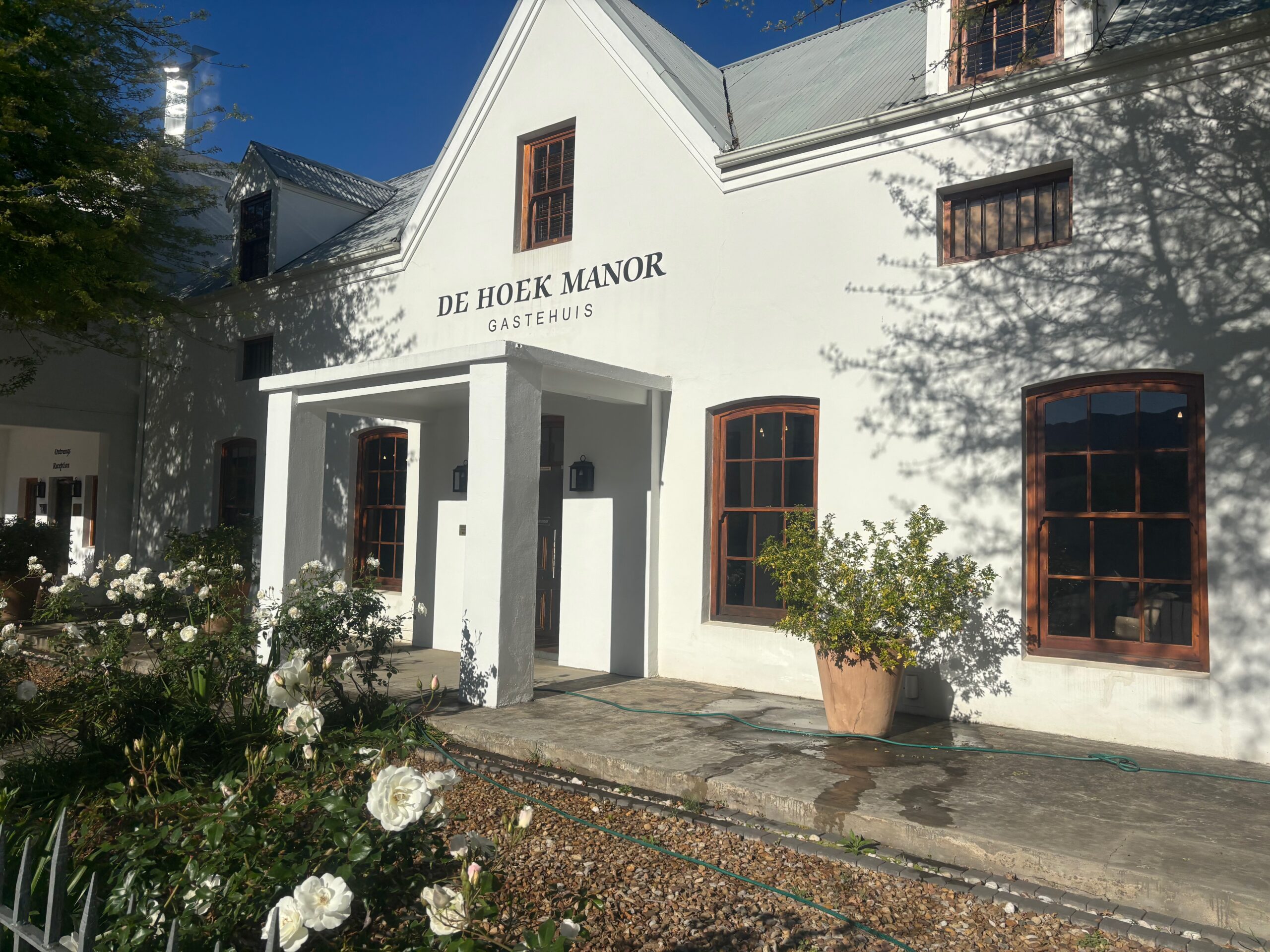
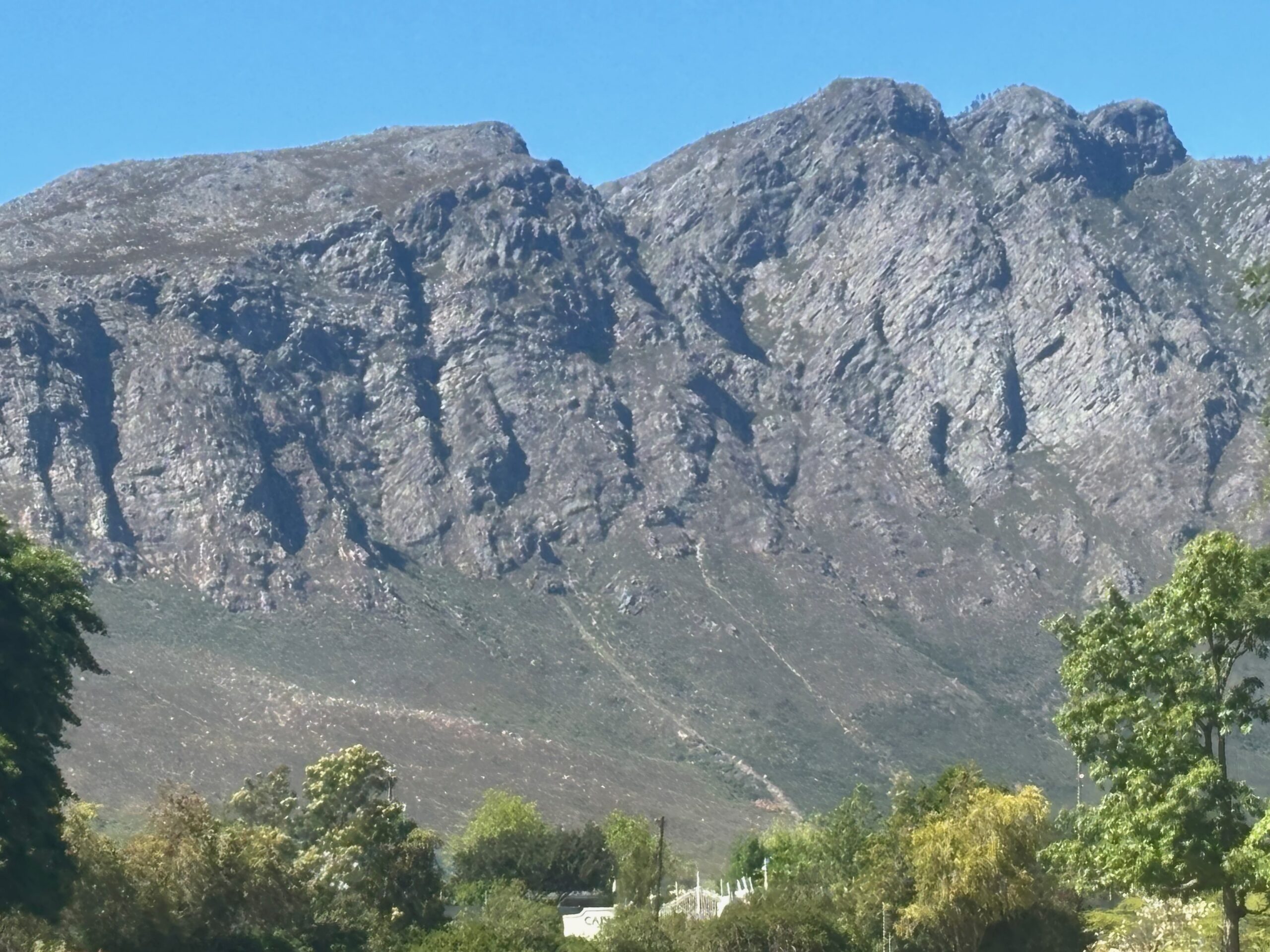
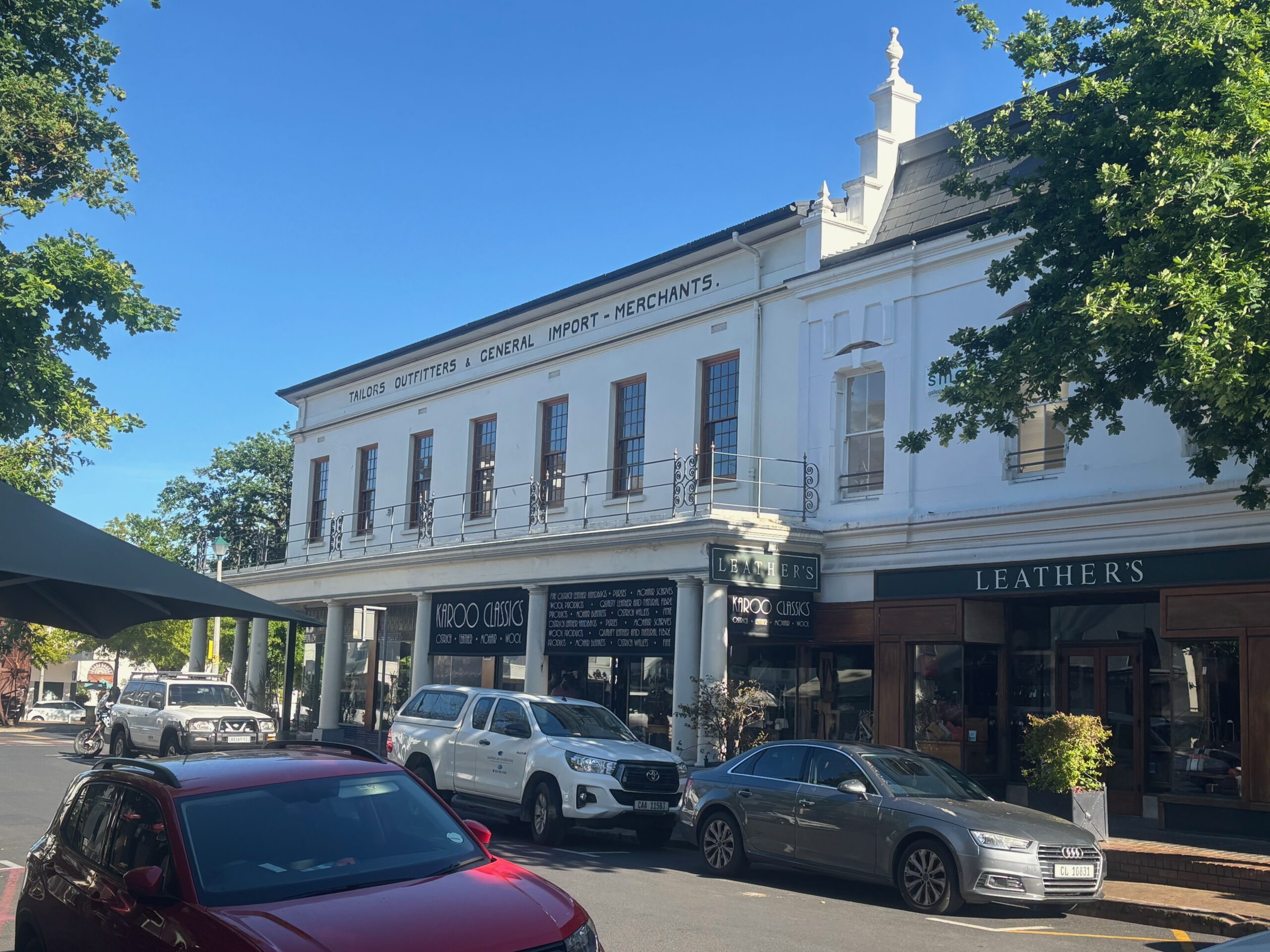
Like most South African towns, Stellenbosch has two faces. The historic centre and wine estates are safe and pleasant to explore on foot by day. After dark, stick to the main areas. The university district sees occasional opportunistic crime. The townships on the outskirts have higher rates of violent and property crime. Costs are higher than most stops on the route as this is a prosperous wine town and tourist destination. Still good value by Western standards, but budget more here than elsewhere.
Franschhoek, meaning “French Corner,:, settled around 1688 by Huguenot refugees. Today, about 1,000 people live in some of the most expensive real estate in South Africa:
- Riding the Wine Tram between multiple estates is great fun and such an easy way to access the area
- Huguenot Memorial Museum and Monument, set in formal gardens with portraits, household objects and archives bringing the village’s French origins to life
- Art galleries and fine dining along (main) Huguenot Street
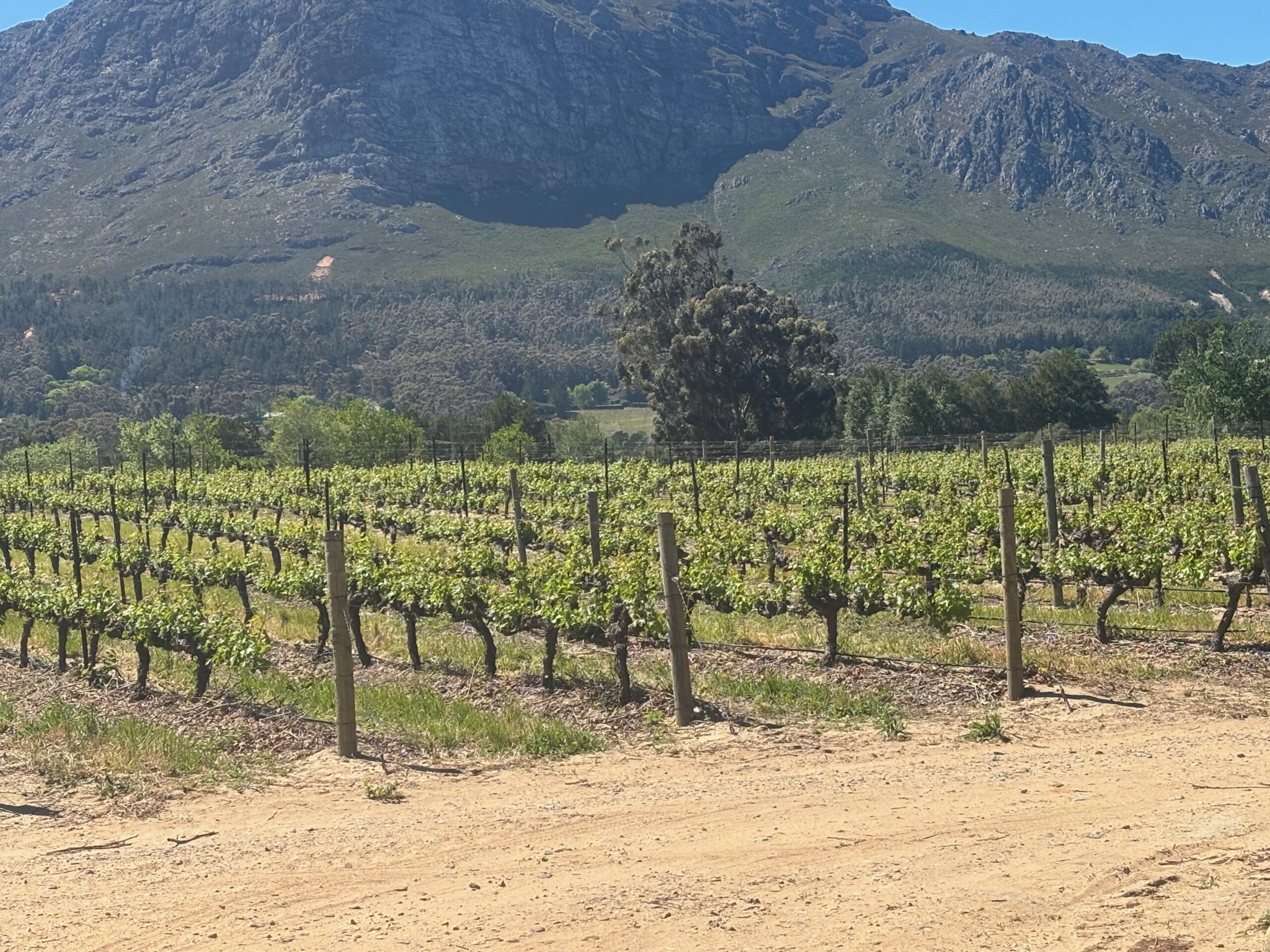
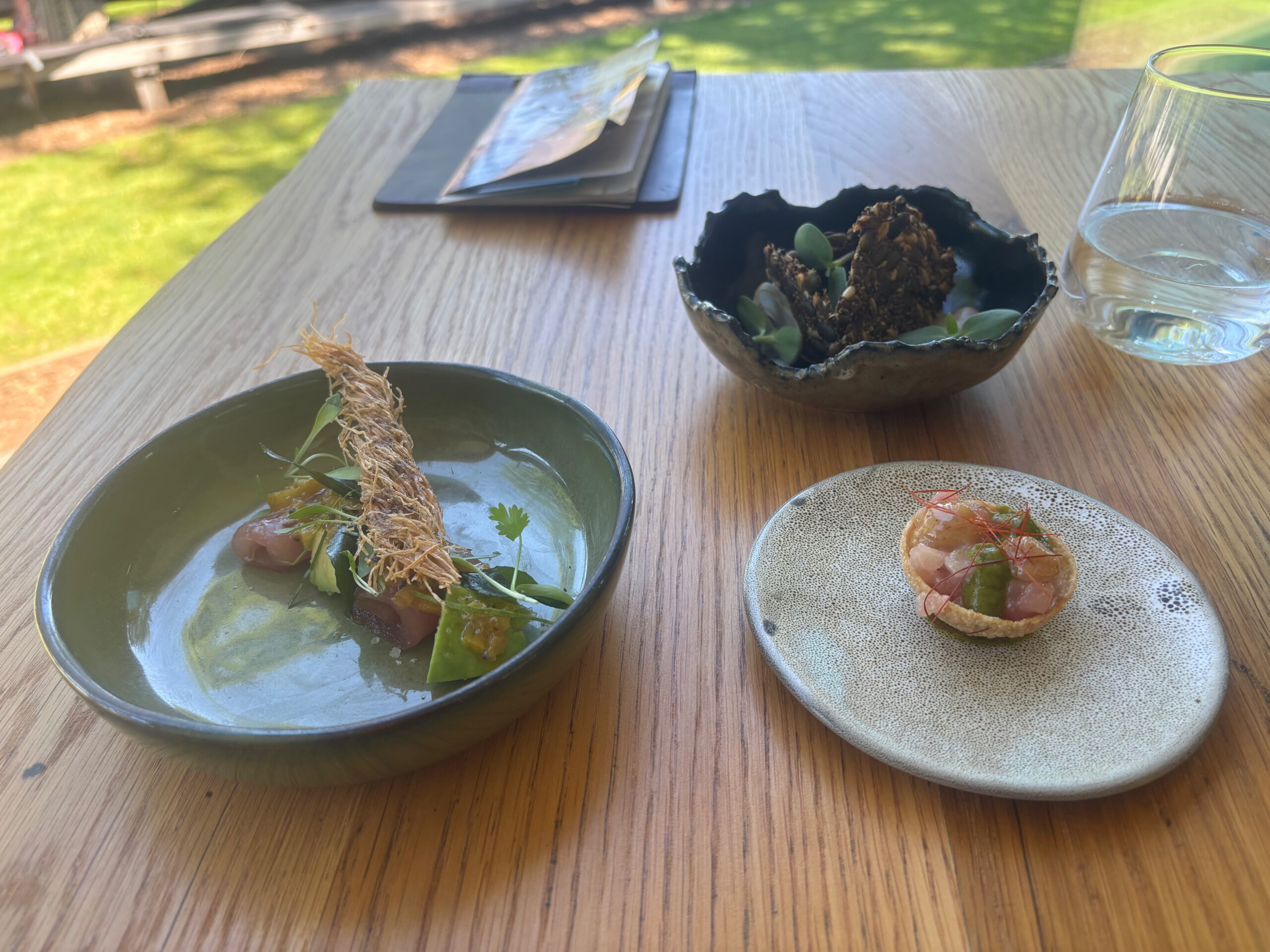
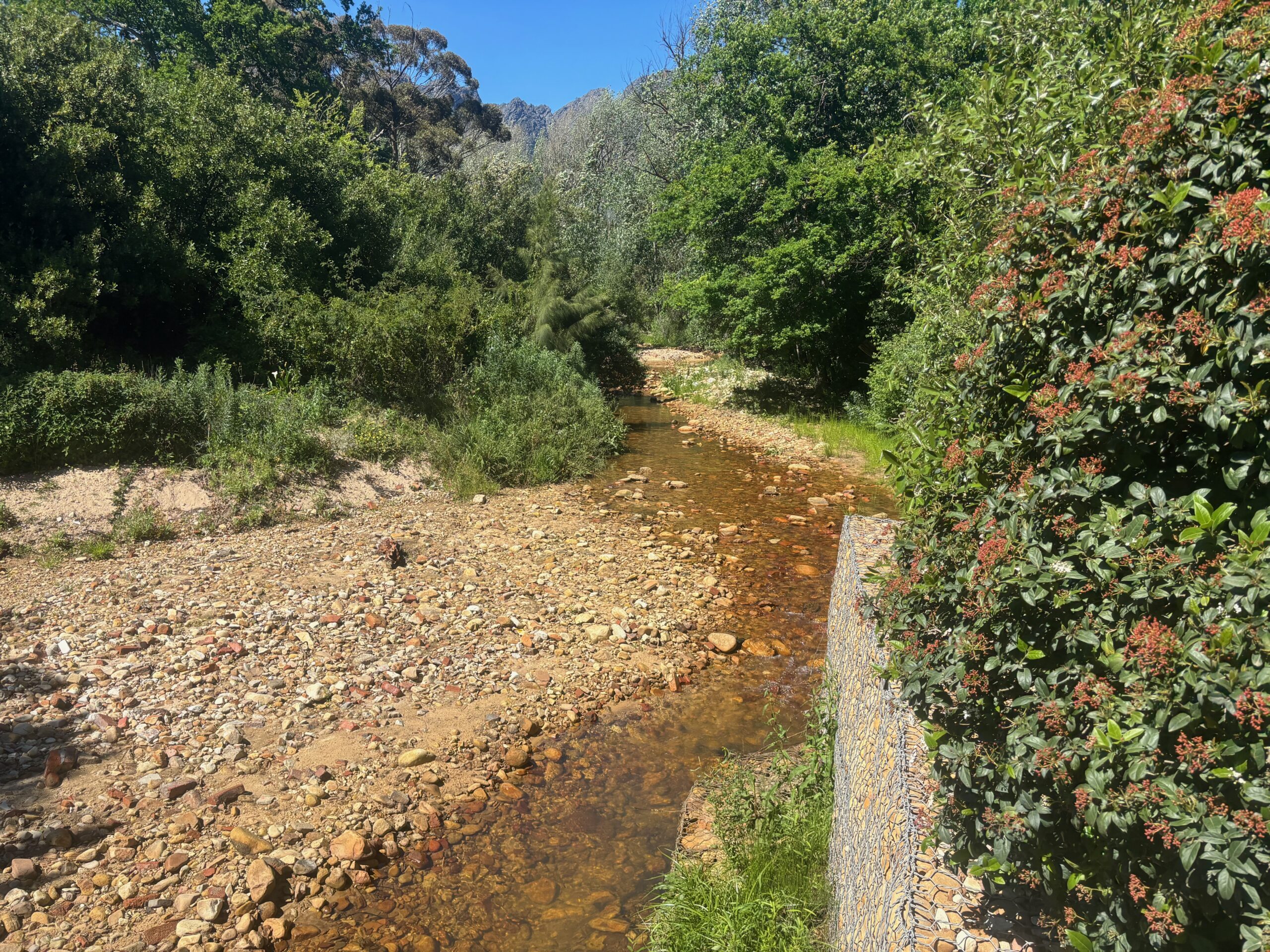
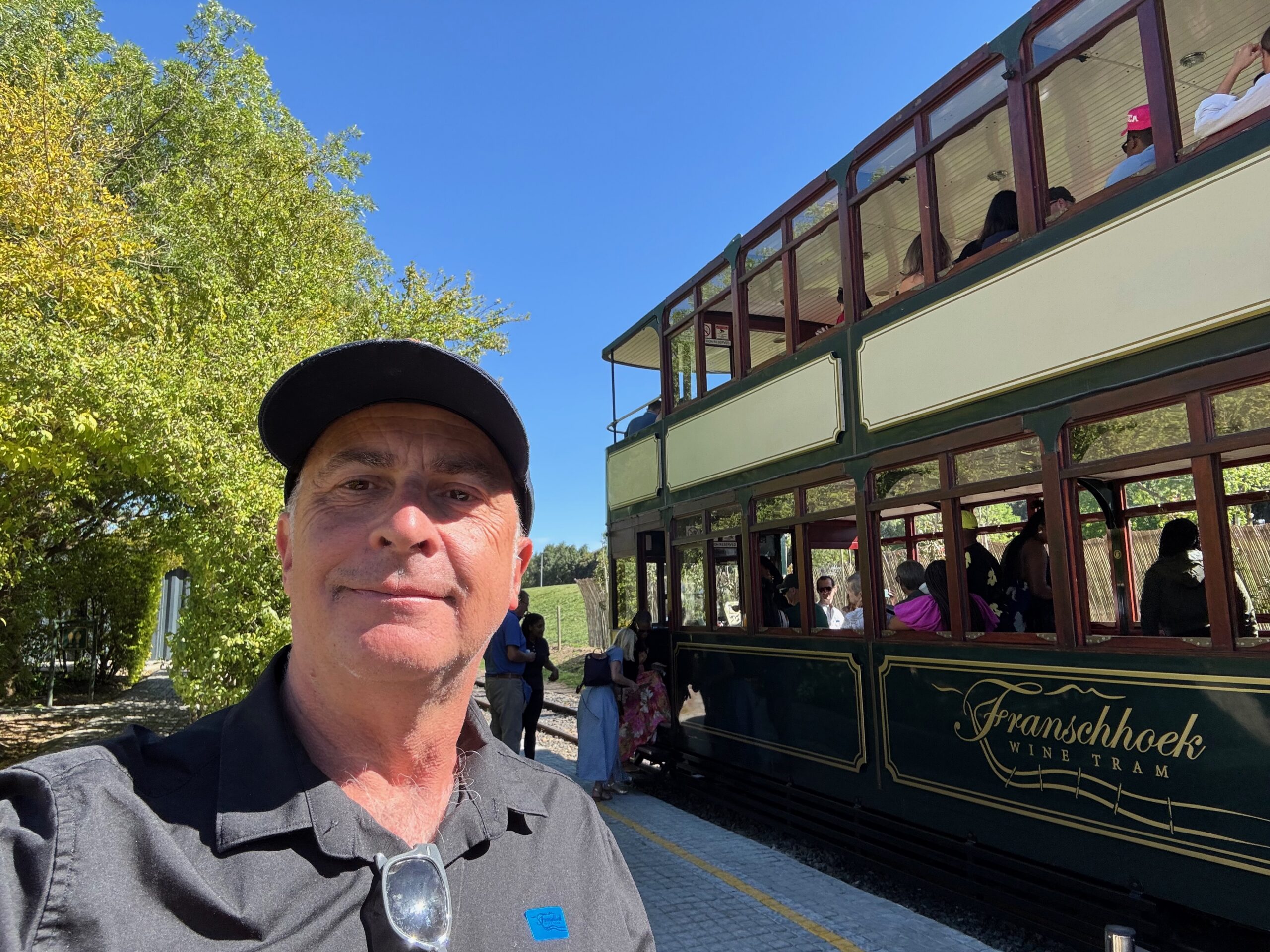
Franschhoek is very safe by South African standards. Violent crime here is rare. This is one of the most expensive stops on the entire route! Restaurants and accommodation that can rival Europe for price.
Overberg and Hemel‑en‑Aarde to Whale Coast
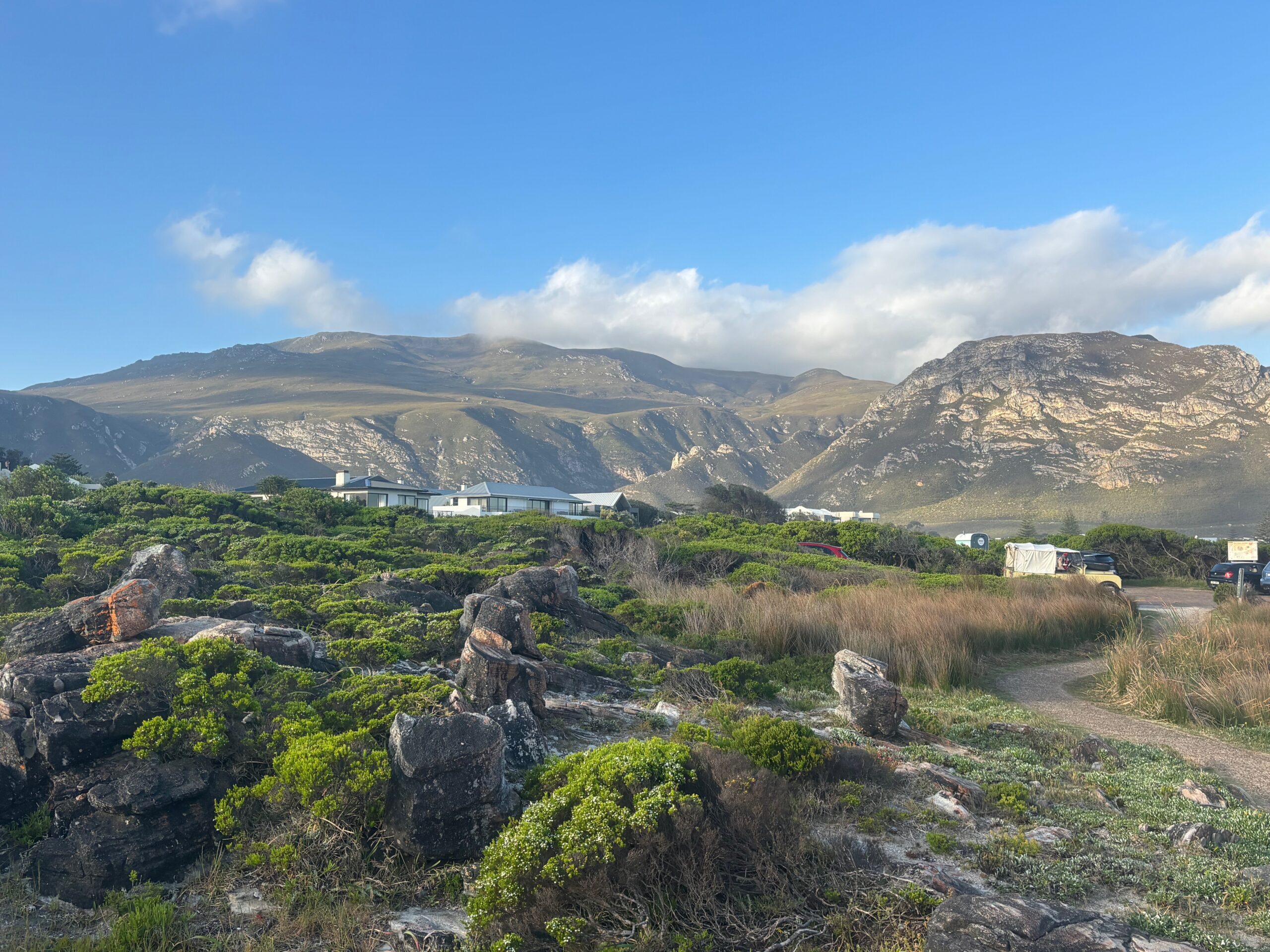
Leaving the wine valleys, the road opened out as we crossed the interior ridges into the Overberg. The landscape was of rolling wheat fields, grazing land, fynbos-covered hills and big skies. The drive from Stellenbosch cuts across this open agricultural landscape before dropping into the Hemel-en-Aarde Valley. This is cool-climate wine region just above the Whale Coast.
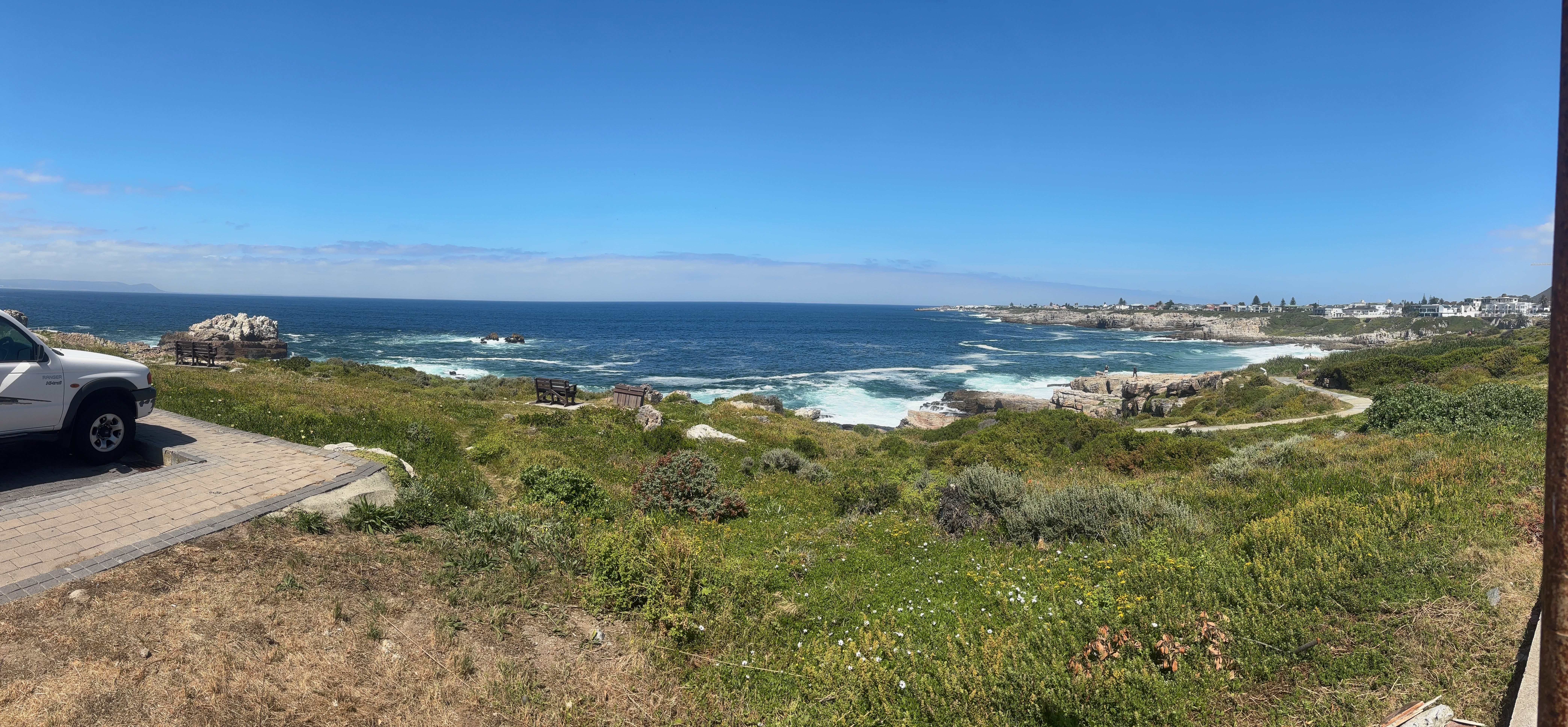
Hermanus, previously Hermanuspietersfontein, was shortened in 1902 by the postal service! I can see why. Once a small fishing village on a good natural bay, its now a popular retirement location and the informal “capital” of the Whale Coast with a population around 31,000:
- A 12 km cliff path that’s perfect for both whale watching and relaxed walking.
- Southern Right whale watching during the South African winter and spring seasons. I saw three whales from the town cliffs. You can also take a whale‑watching boat trip.
- White‑sand beaches, including Grotto and Voëlklip
Popular and well-touristed, generally safe in the town centre and along the cliff path by day. After dark stick to the main areas and avoid outlying streets. Costs are slightly higher -especially in peak whale-watching season.
Swellendam, at the foot of the Langeberg Mountains. Originally established as a Dutch colonial outpost on the Breede River. The area now has around 40,000 people and features wheat, canola, oats, sheep, and dairy farming in the surrounding region. Small, quiet and generally safe. A good value stop with lower costs than the coastal towns:
- More than 50 heritage sites, most being Cape Dutch-style buildings
- Three nature areas: Marloth Nature Reserve, Sanbona Wildlife Reserve, and Bontebok National Park, with antelope and birdlife along the river.
- Drostdy Museum complex, featuring Cape Dutch architecture and the town’s colonial history.
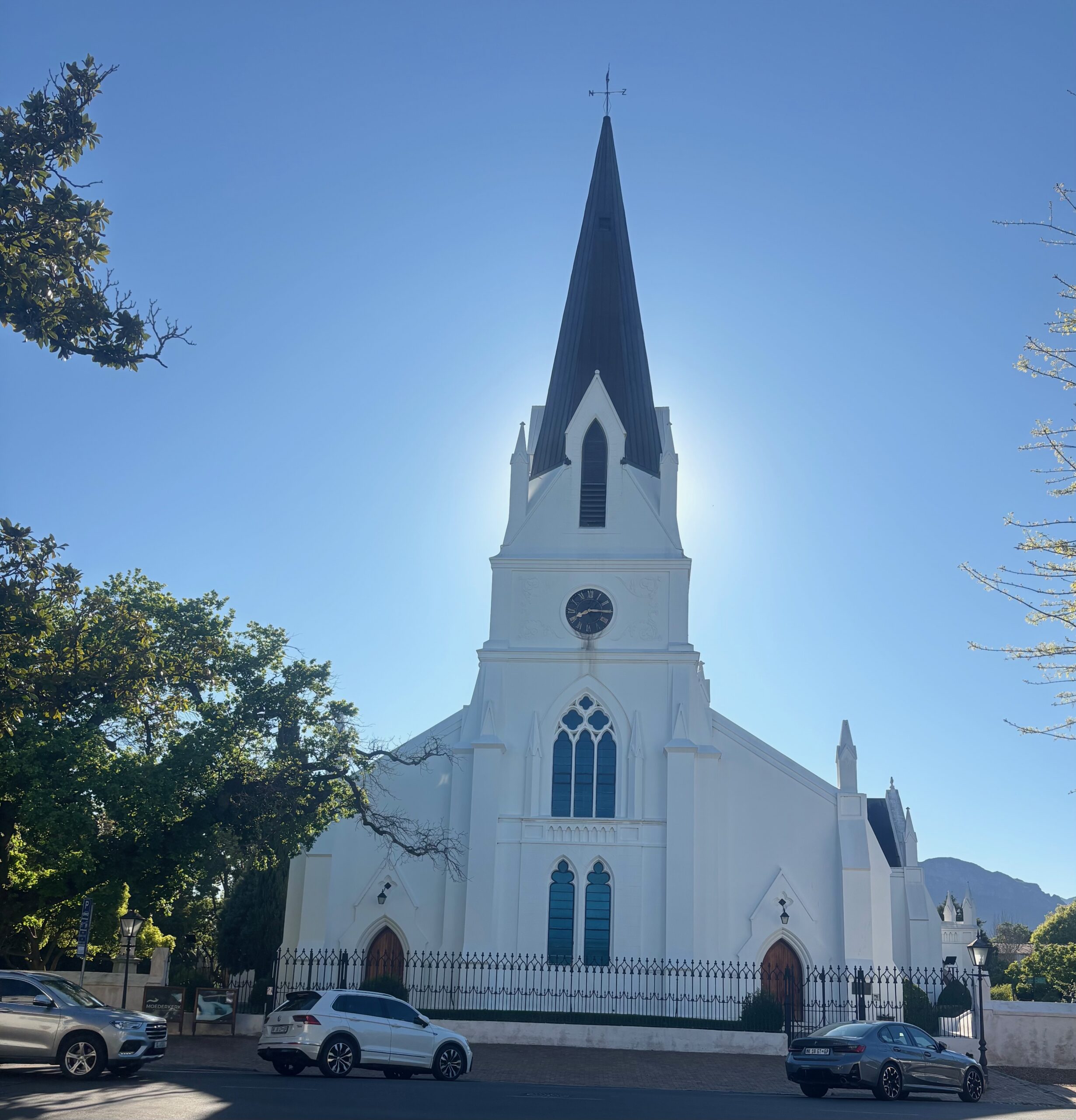
- An elaborate white Dutch Reformed Church that dominates the centre of town.
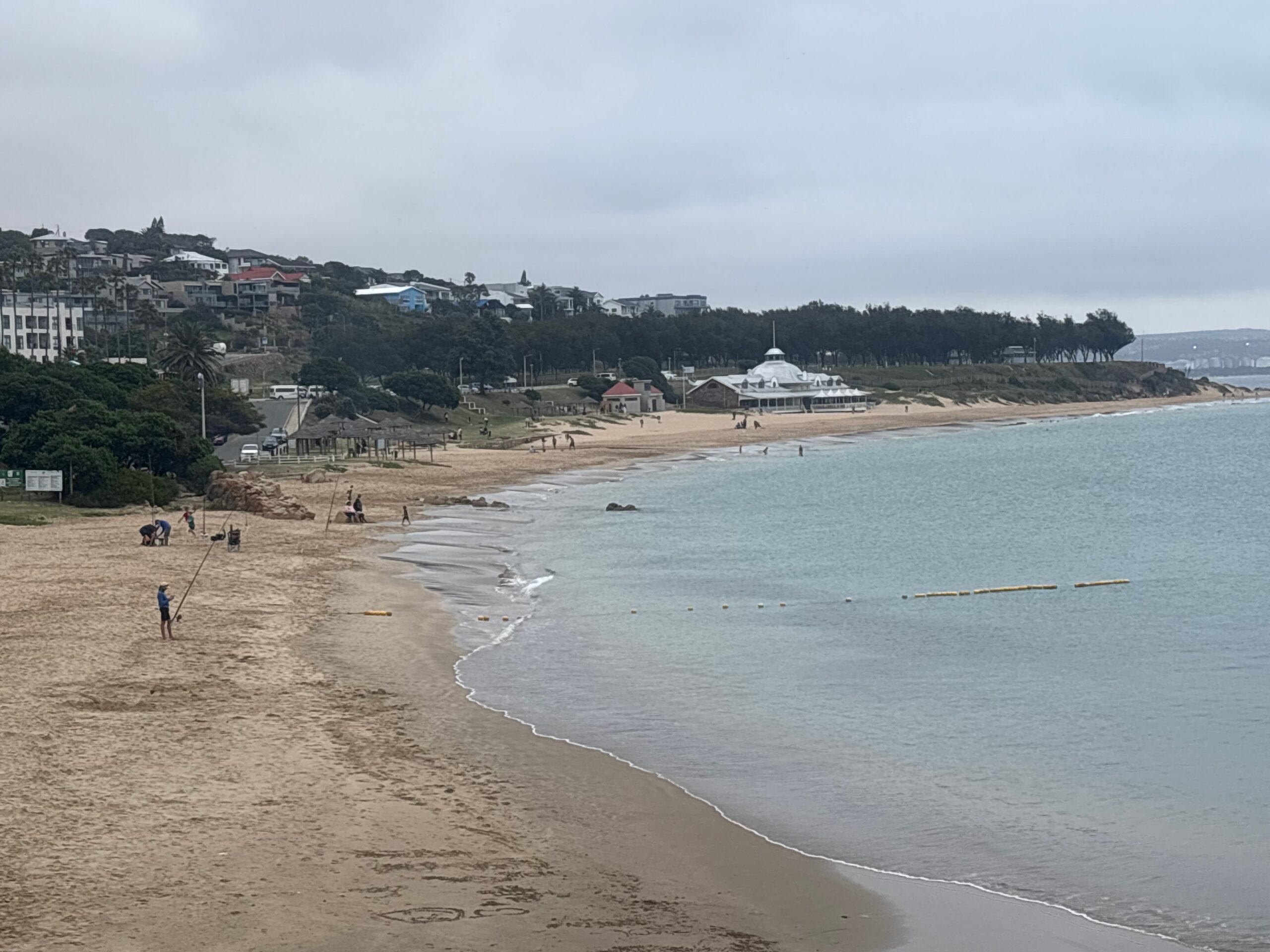
Mossel Bay: Harbour town popular with South African holidaymakers, with good beaches. I found some parts quite grim. Its quite built‑up, lots of development and traffic. Some of it was less scenic or charming than other Garden Route stops.
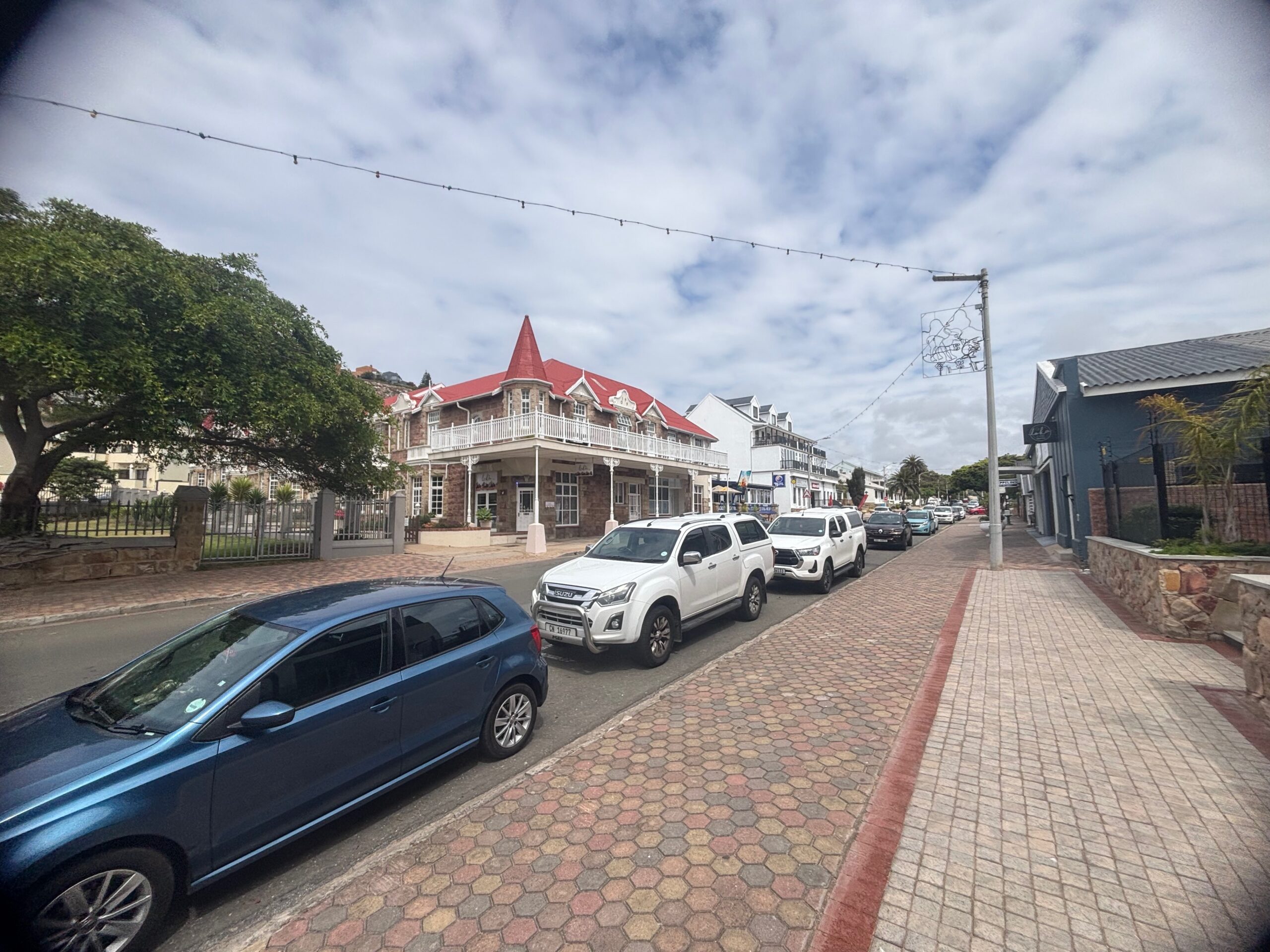
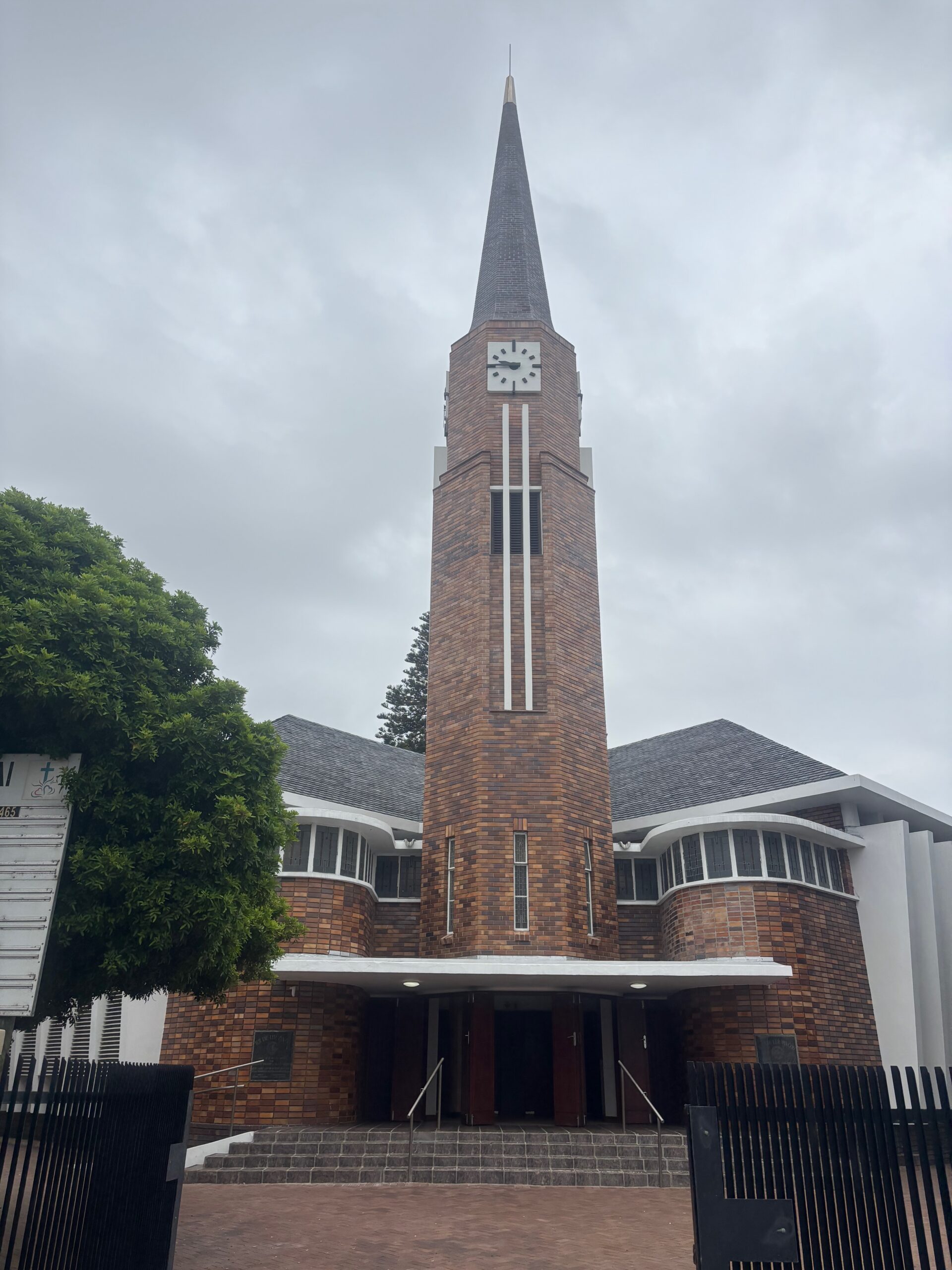
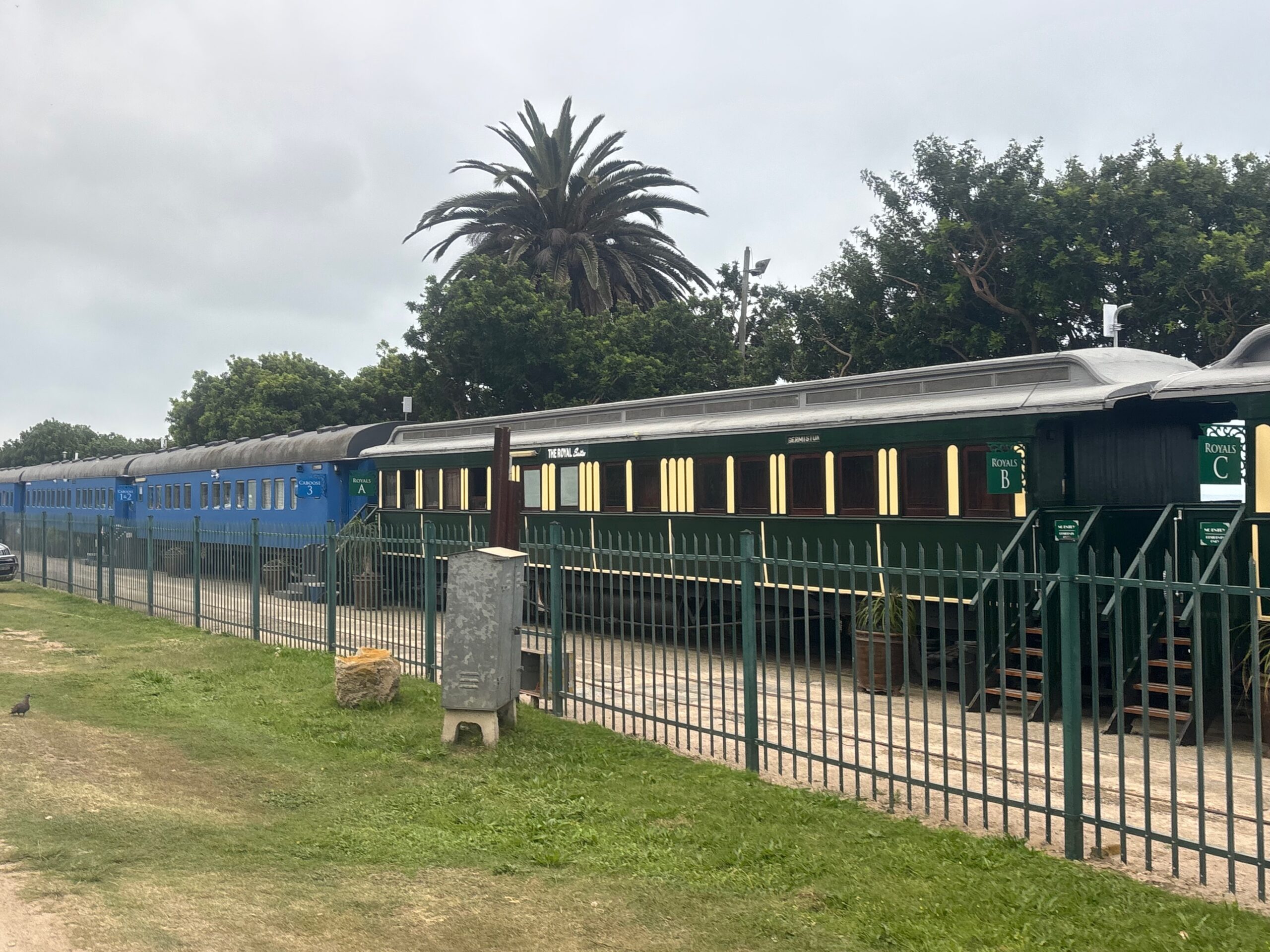
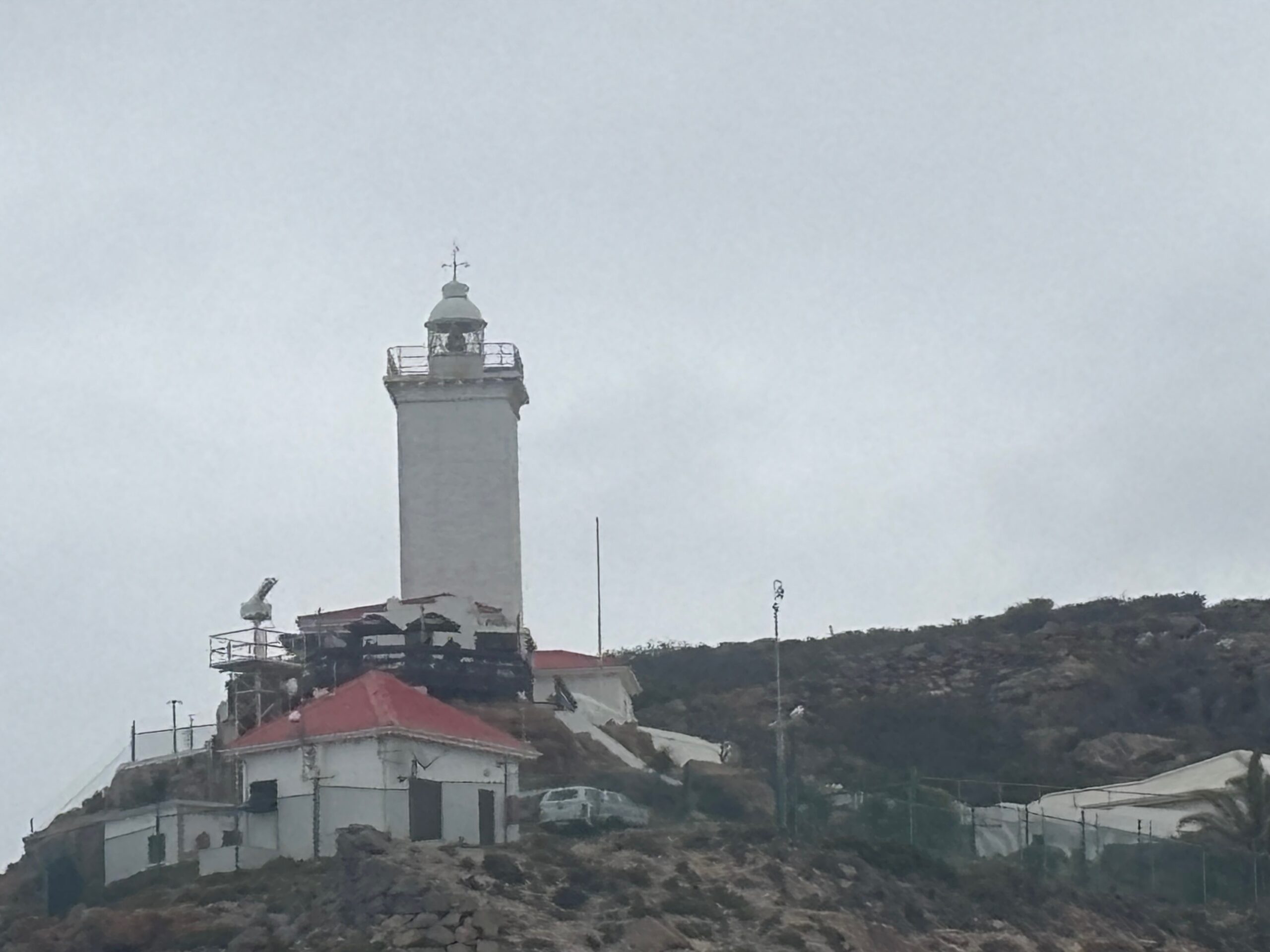
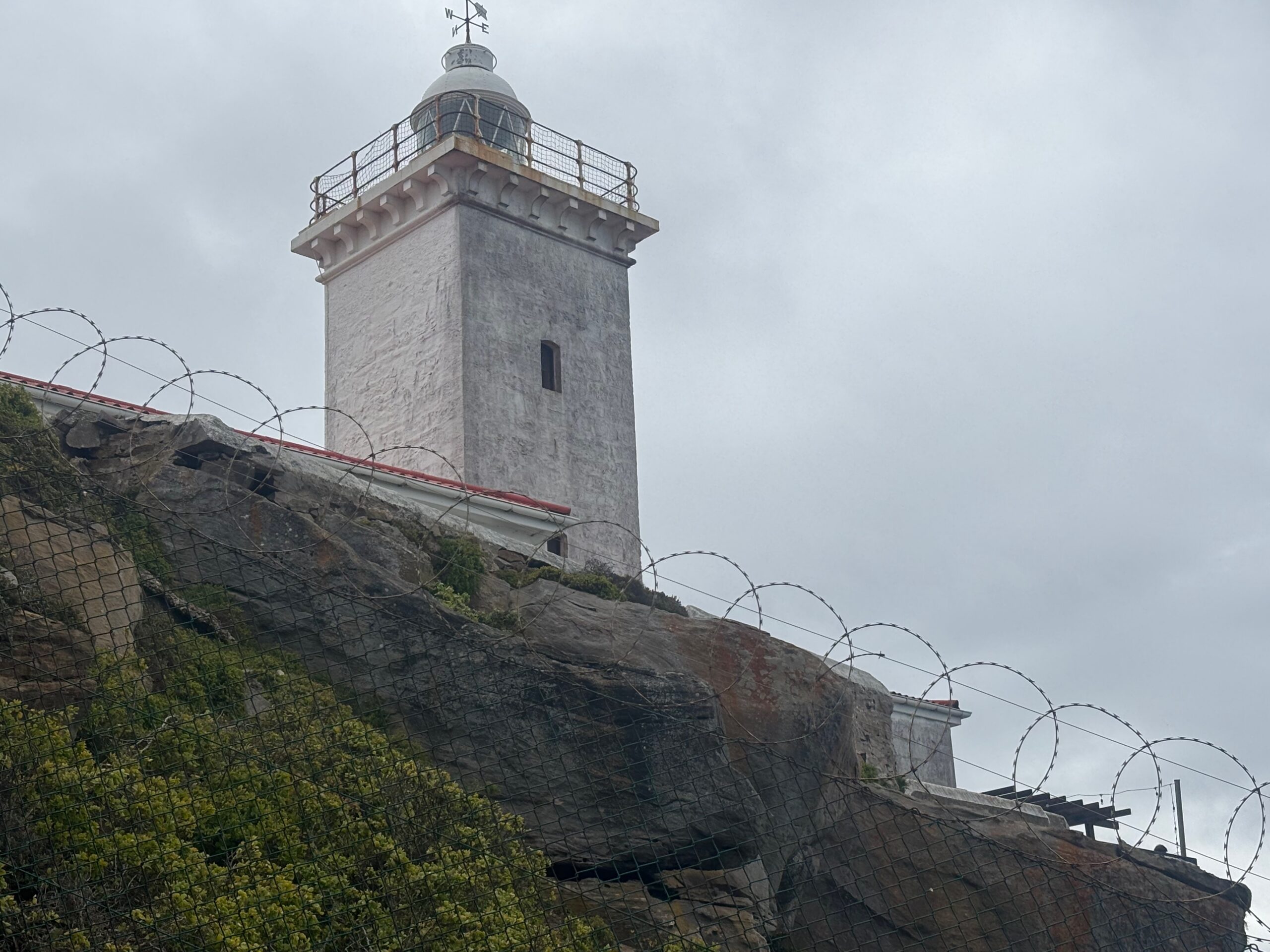
- Cape St Blaize lighthouse and stunning coastal path along the cliffs.
- Pleasant Santos and Diaz beaches for swimming and family‑style resorts.
- Bartolomeu Dias Museum Complex with historic Post Office Tree.
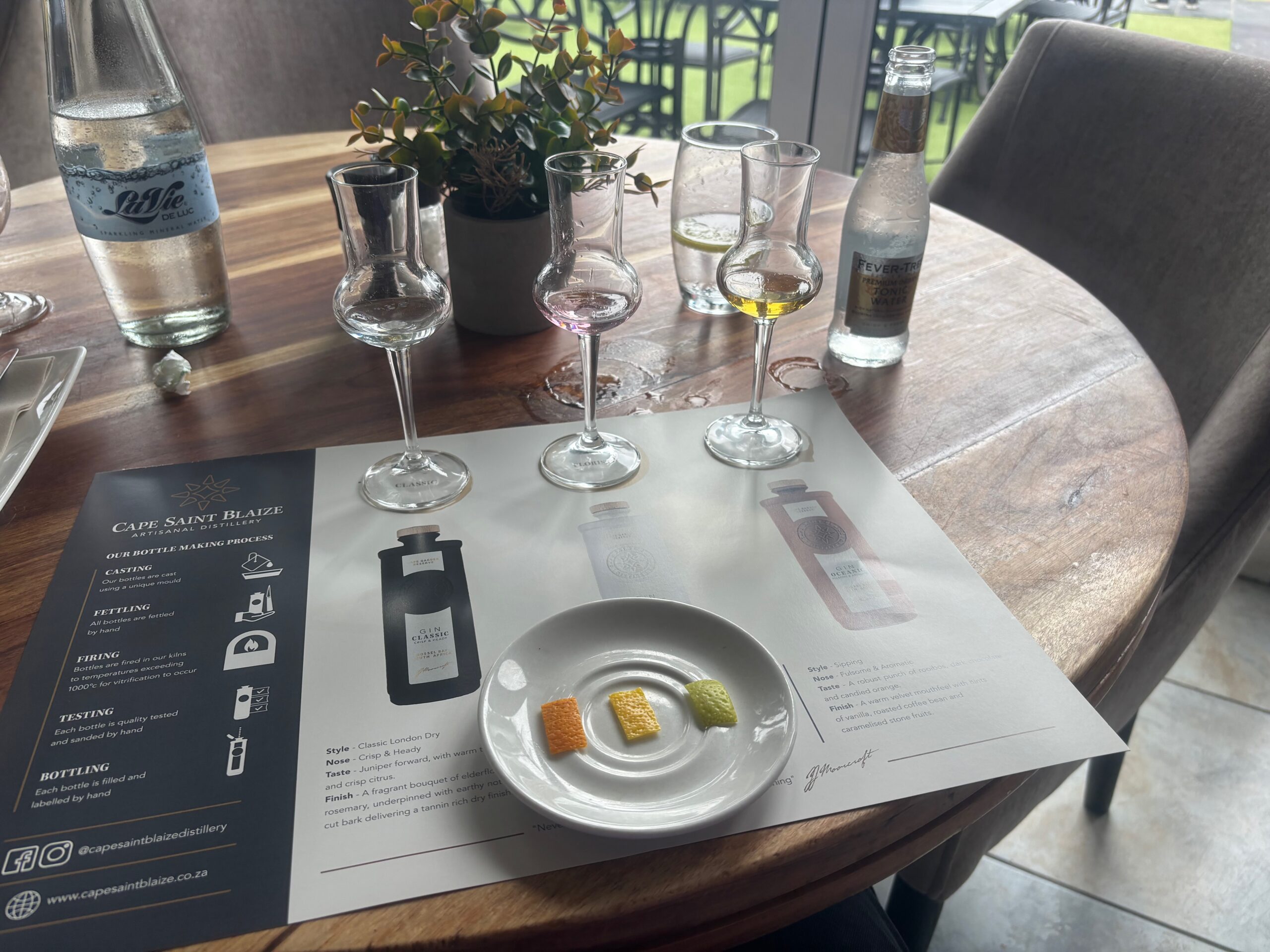
- Cape Saint Blaize Distillery offers great meals and gin tasting
- Shark‑cage diving and marine trips to Seal Island for close‑up shark and marine life viewing.
- Mossel Bay Zipline – the world’s longest over‑ocean zipline (about 1 km, up to around 80 km/h) – https://www.mosselbayzipline.co.za/.
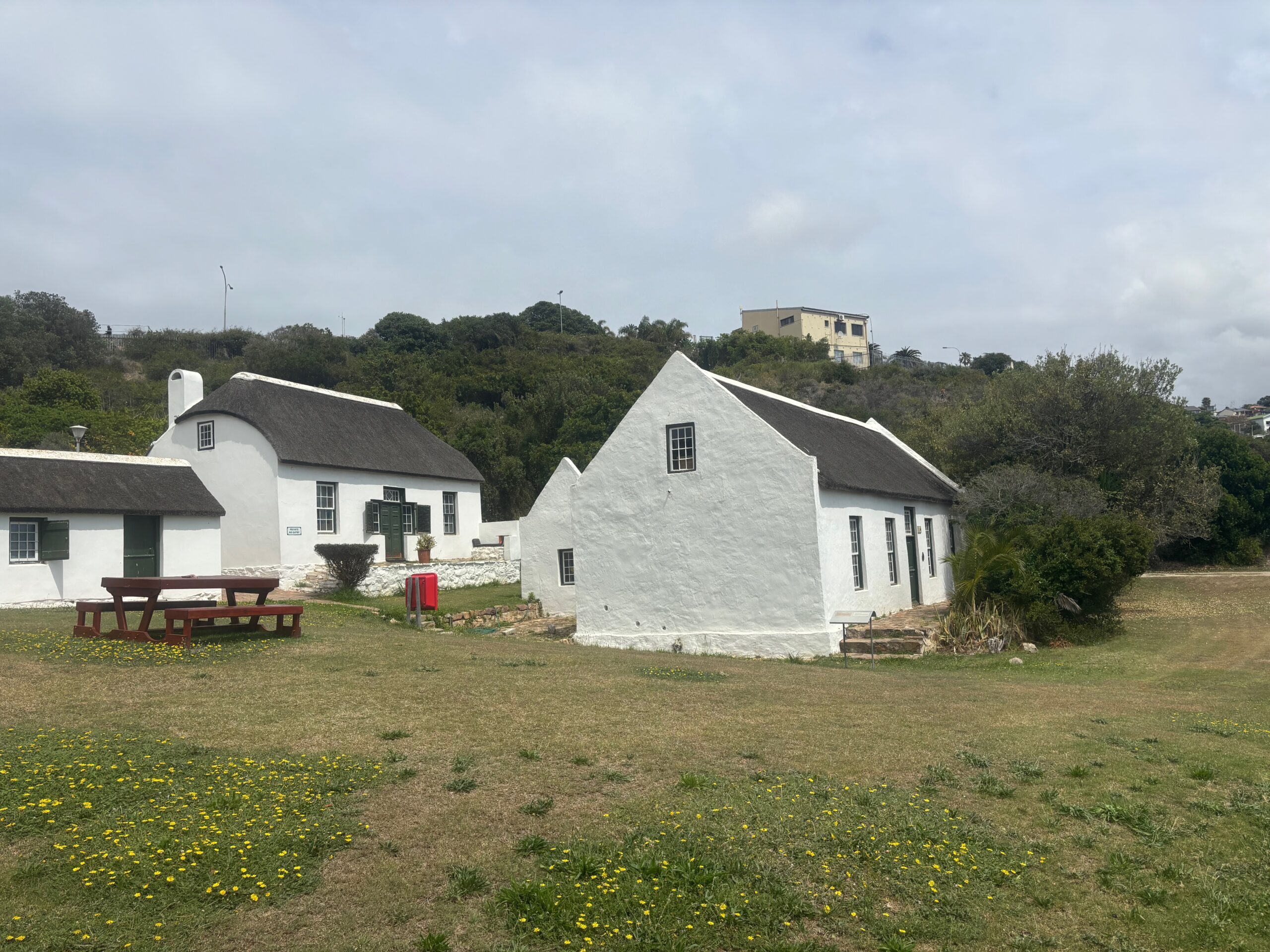
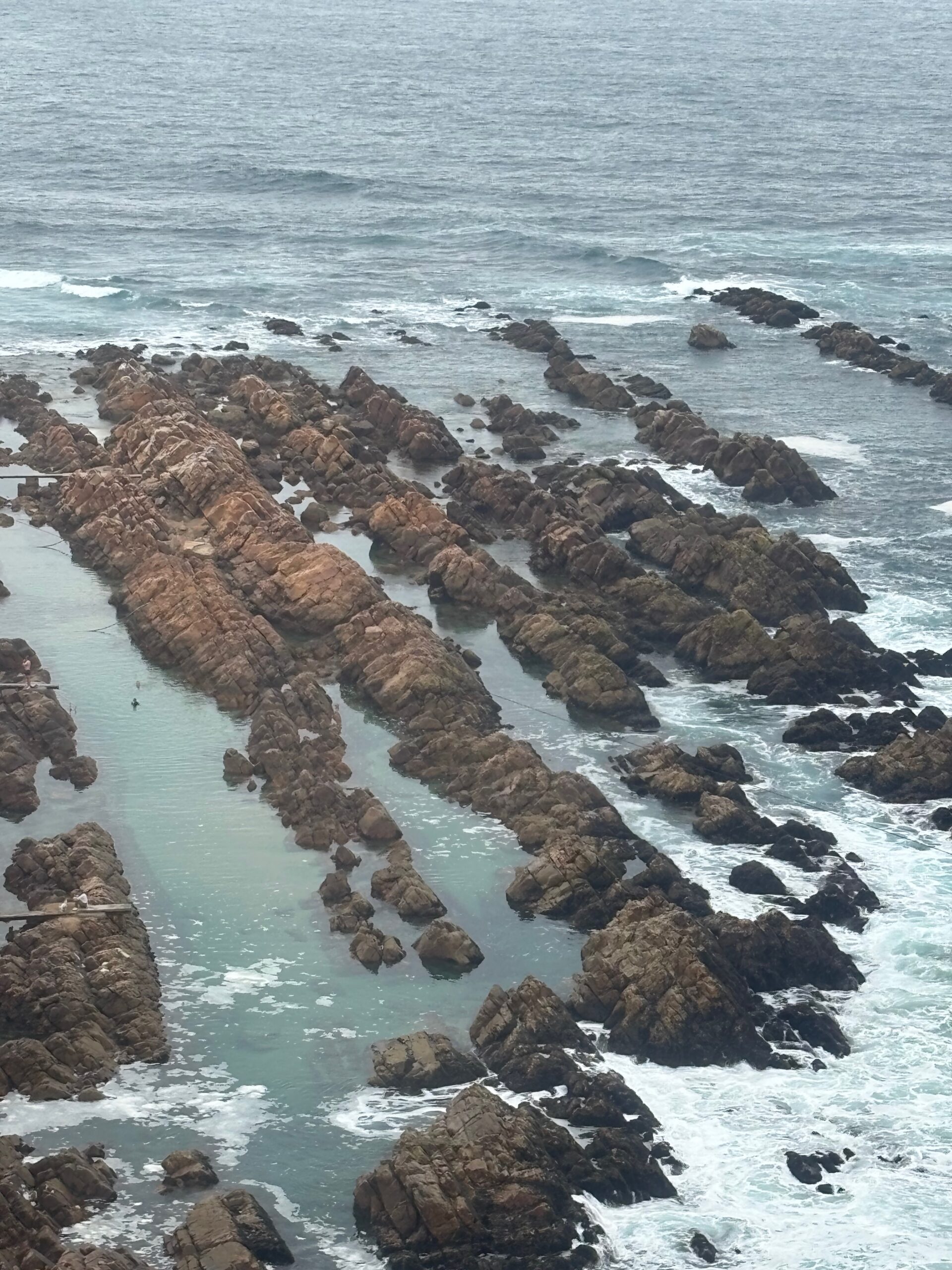
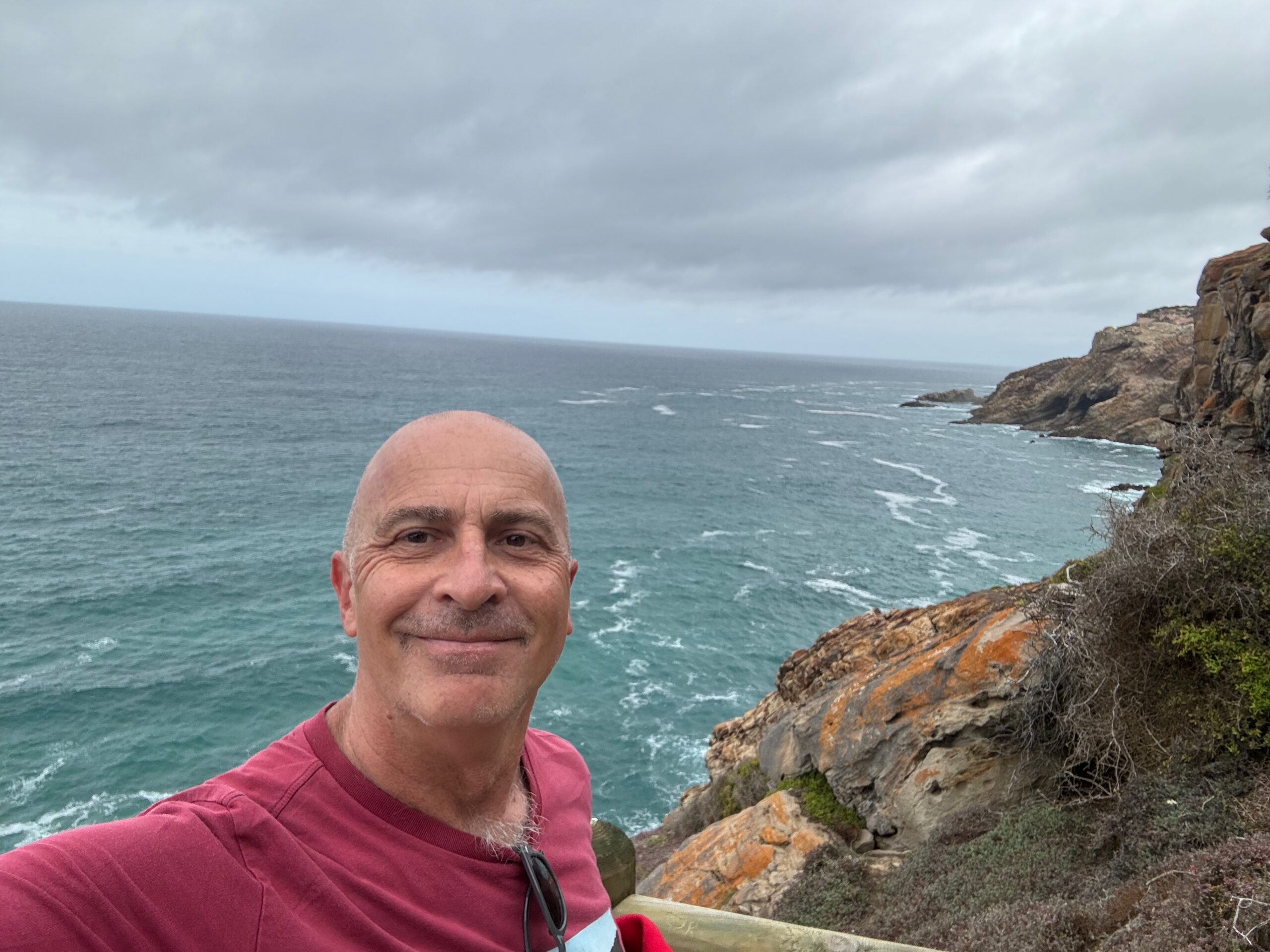
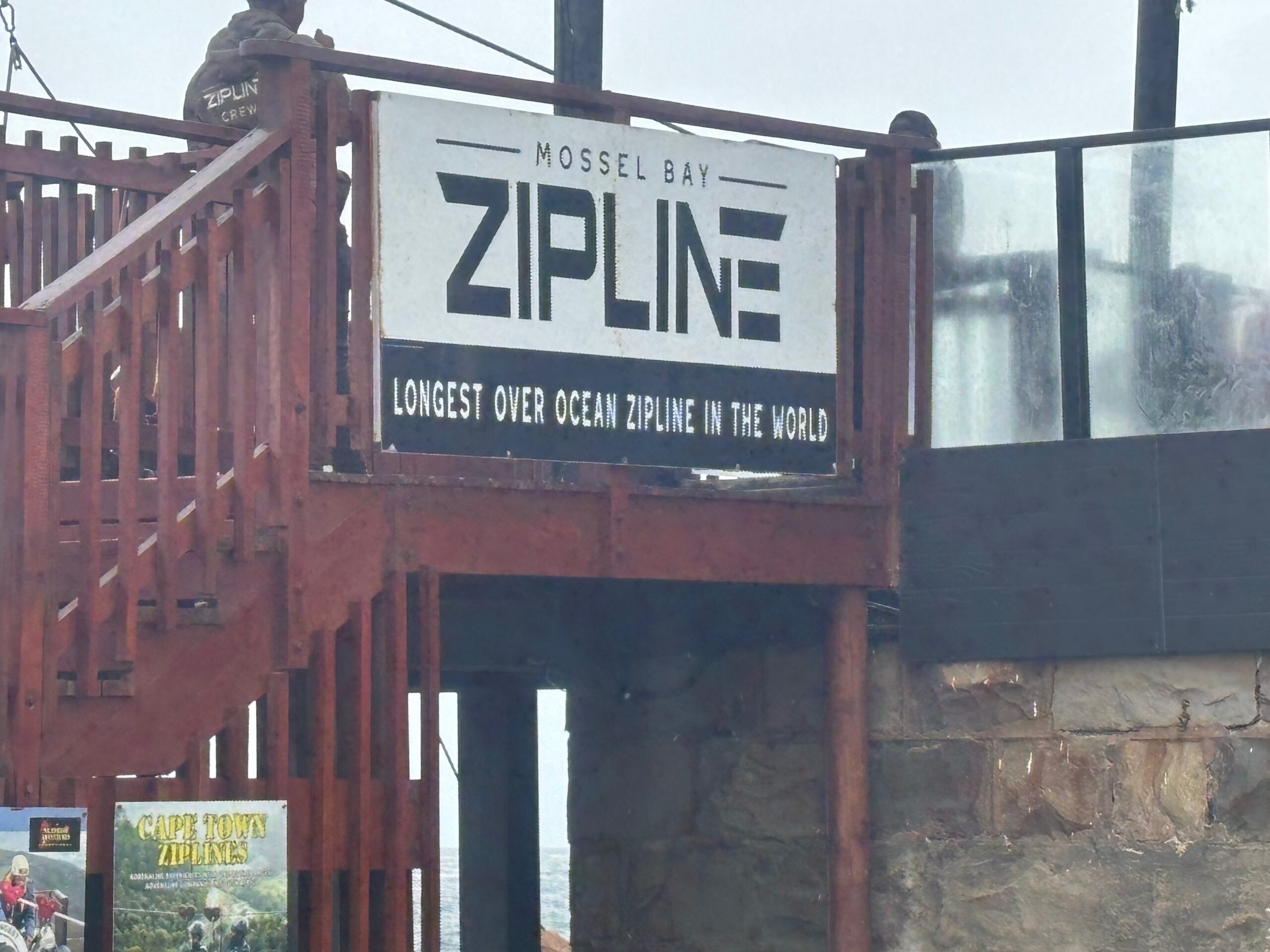
Reasonably safe in the tourist centre and beach areas by day. Stay alert, however, as it is a busy working harbour town. After dark stick to well-lit central areas. Costs are moderate.
Running east beyond Mossel Bay, the western half of the Garden Route is a string of coastal towns and lagoons squeezed between the Indian Ocean and a low backdrop of hills. The settlements feel fairly continuous, with holiday houses, farm stalls and turnoffs to lookouts.
George is roughly halfway between Cape Town and Gqeberha. The town of 160,000) is on a plateau between the Outeniqua Mountains and the Indian Ocean. It’s a practical stop for supermarkets, supplies and laundry, but also worth a look for:
- George Museum, covering the town’s history and timber industry
- Outeniqua Transport Museum, with 50+ steam locomotives, vintage buses and cars
- Outeniqua Power Van, a 2.5-hour return rail trip through steep rock cuttings to a mountain viewpoint with picnic opportunity
- The Garden Route Botanical Garden, with short walks, birdlife and views over the city
- Four historic churches: Norman Pacaltsdorp Church with battlements; Dutch Reformed Mother Church with 23-metre tower; St Peter & St Paul, South Africa’s oldest Roman Catholic building; and St Mark’s Anglican Cathedral, Southern Hemisphere’s smallest, with amazing stained glass
Crime levels are higher than in other coastal towns. Stick to central areas after dark and be alert around transport hubs. Costs are moderate, making it a good practical base.
Oudtshoorn sits in the semi‑desert Little Karoo, on the far side of the Outeniqua Mountains, north of George. The “ostrich capital of the world”, the town boomed on ostrich feathers in the late 1800s and early 1900s:
- Visit to the Cango Caves with guided walks through spectacular limestone chambers.
- Tours of working ostrich farms (feeding birds, learning about the feather boom).
Wilderness: In 1877, the Bennett family crossed the Outeniqua Mountains to inspect their new farm. Mrs Bennett exclaimed, “Oh, what a wilderness!” The name stuck, and The Wilderness Farm was established. By 1905, it had become a holiday farm. Then a residential estate, and finally a town, remaining relatively isolated until a road arrived in the 1920s. The Wilderness” was shortened to “Wilderness”:
- Long, walkable Wilderness Beach with surfing and coastal views
- Five hikes of varying lengths
- River canoeing through calm, forested river and lagoon sections
- The Map of Africa, where the river valley resembles the shape of the continent
- Paragliding
Wilderness is small, relaxed and safe by South African standards. As with anywhere else, keep an eye on your belongings on the beach and don’t leave valuables in your car. Costs are moderate, with a good mix of accommodation and eating options.
Sedgefield: Small, low‑key town between Wilderness and Knysna, wrapped around a series of lakes, dunes and beaches. It’s known for
- Saturday Wild Oats Community Farmers’ Market
- Paragliding over the sand dunes,
- The Sedgefield Community Mosaic Project
- Slow‑paced, “living village” feel
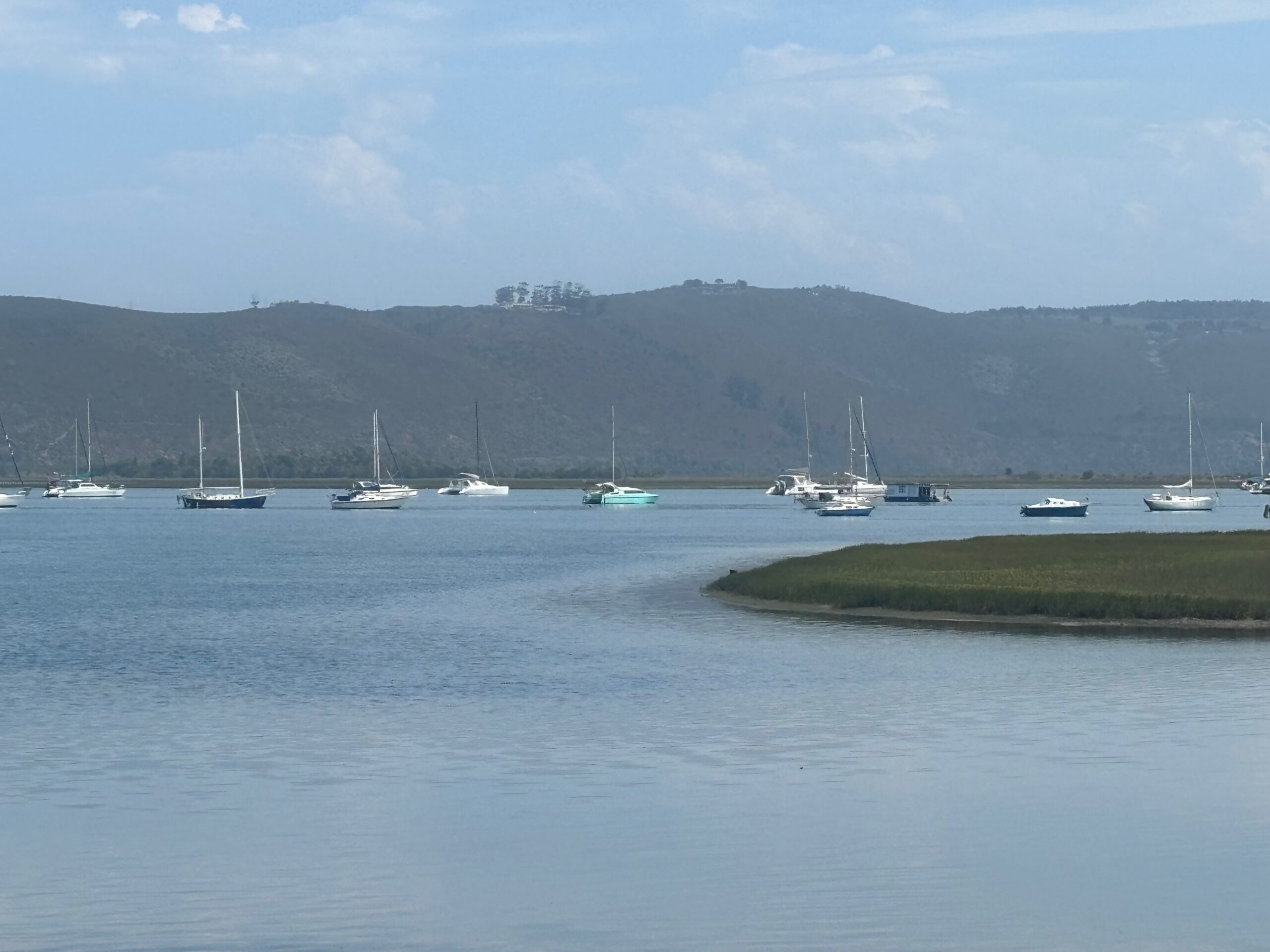
Knysna: The origin of the name is uncertain. Coastal town of 76,000, built mainly on the northern shore of a large warm‑water estuary, known as the Knysna Lagoon. The lagoon is fed by the Knysna River. The estuary opens to the ocean between two large headlands. “The Heads”, are infamous for the loss of boats and fishermen in treacherous and unpredictable waters. The town is now a popular destination for tourists and retirees with:
- Boat trips on Knysna Lagoon.
- Panoramic viewpoints of mountains and the ocean at Knysna Heads.
- Featherbed Nature Reserve hikes on Western Head, reached by boat across the lagoon.
- A meal at a lagoon‑side restaurant.
- A hike or cycle in the Knysna Forest.
- A township tour
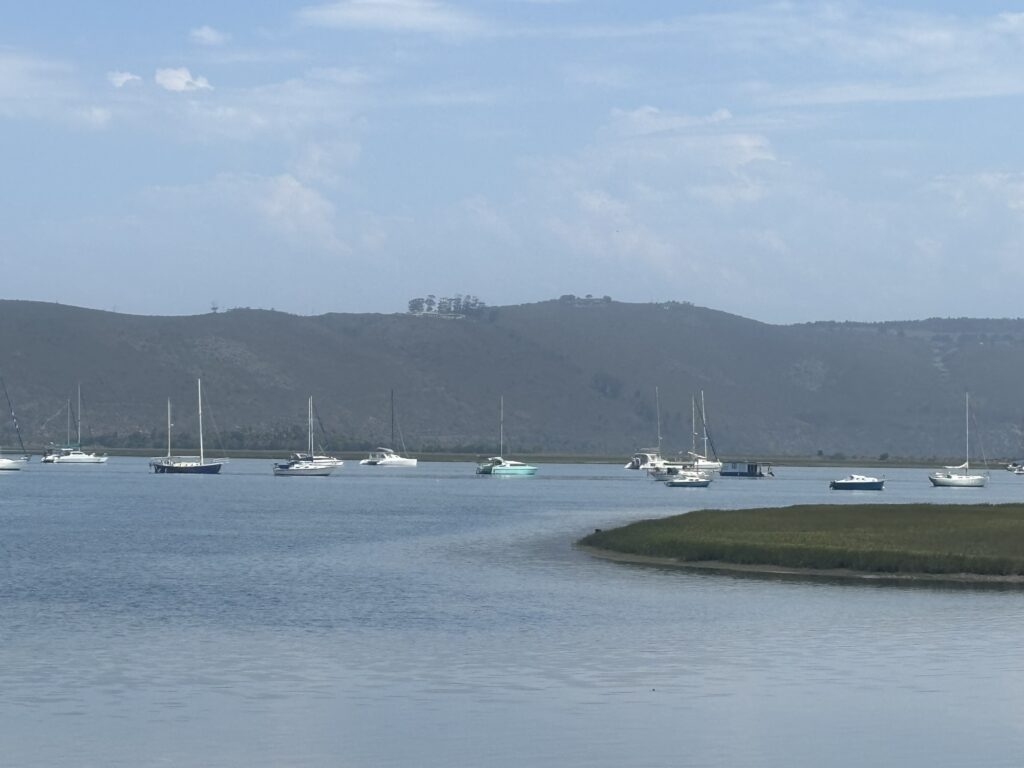
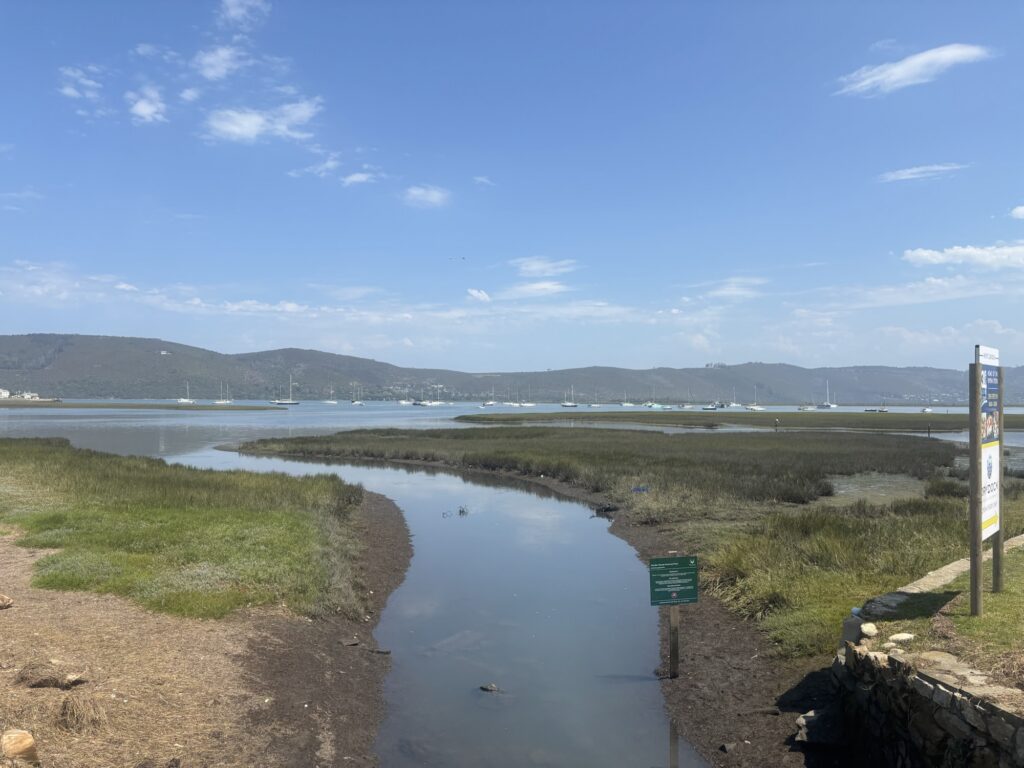
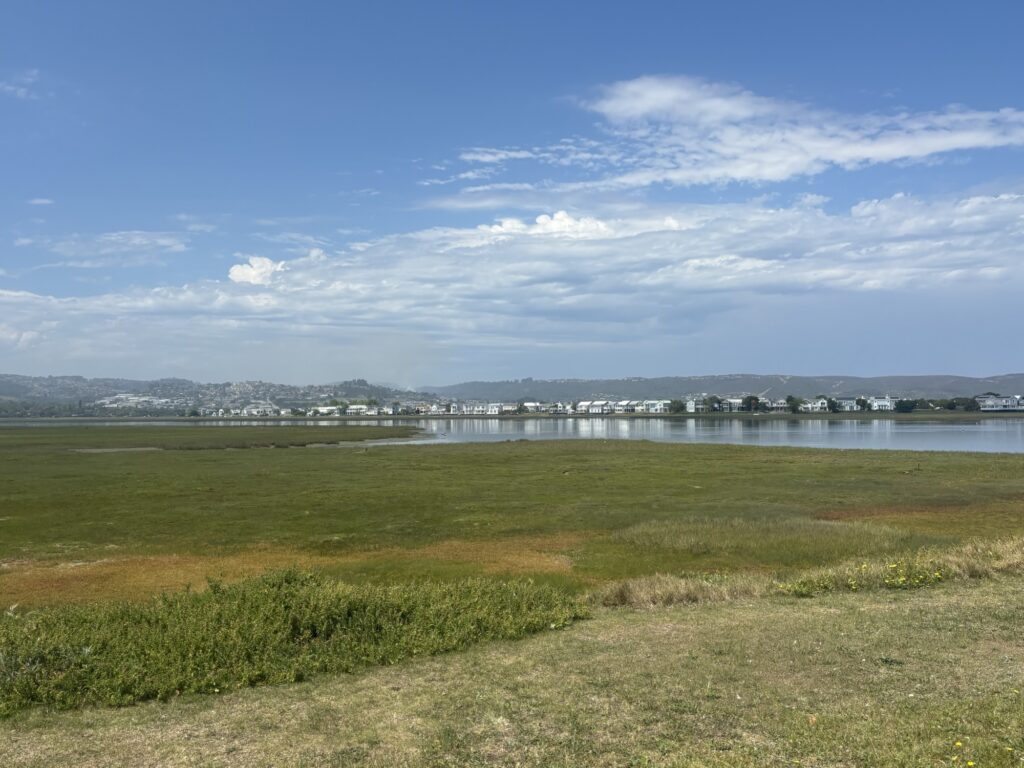
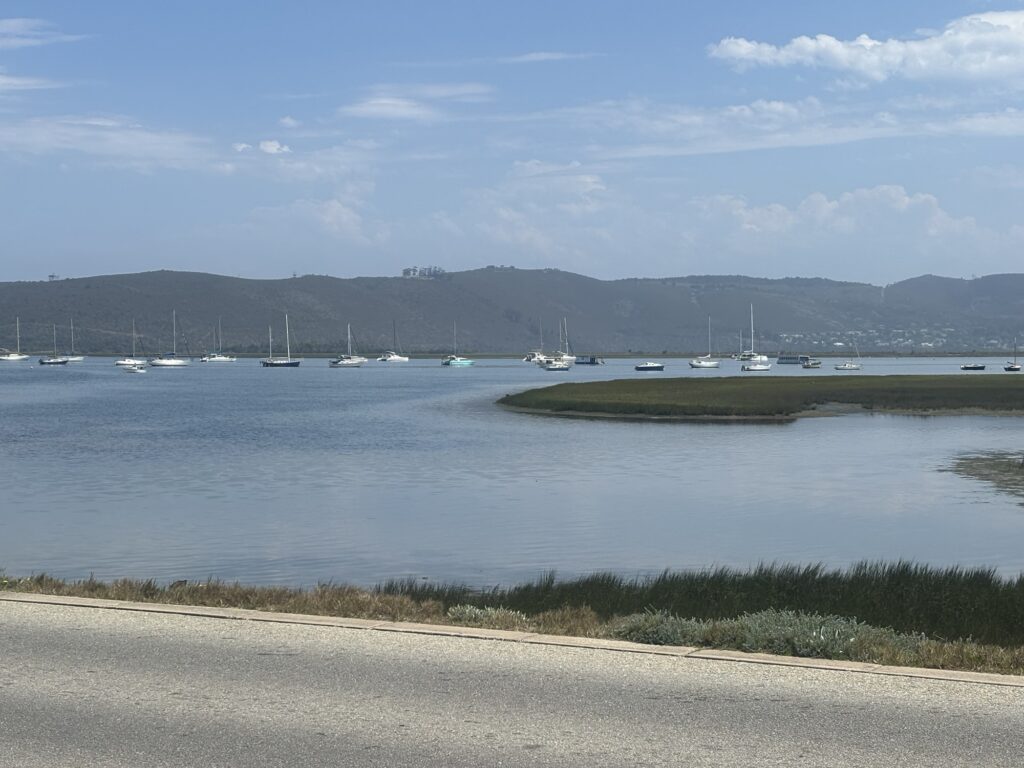
The lagoon, Heads and tourist centre are safe and pleasant by day. After dark, stick to the main areas. The townships on the outskirts have significantly higher rates of violent and property crime. Costs are moderate to high, with premium prices for lagoon-view and Heads-area accommodation.
Beyond Knysna, the road feels a little wilder with the forest feeling thicker and the coastline more dramatic.
Plettenberg Bay (“Plett”) sits on a wide, horseshoe‑shaped bay on the Indian Ocean. It has long pale‑sand beaches and low headlands enclosing the water. Dutch governor Joachim van Plettenberg gave it his name. It developed into one of South Africa’s most popular seaside resort towns in the 20th century.
- Walking Robberg, Central and Lookout beaches -possible dolphin sightings.
- Hiking Robberg Nature Reserve’s cliff‑top paths with seals below
- Boat trips on the bay to look for dolphins, seals, and whales.
- Visiting Monkeyland sanctuary, Birds of Eden free‑flight aviary or Jukani big‑cat centres
Beaches and the town centre are relatively safe by day. After dark, avoid walking toward townships or outlying residential areas and use a car or taxi instead. One of the pricier stops on the route, especially for beachfront accommodation in peak season.
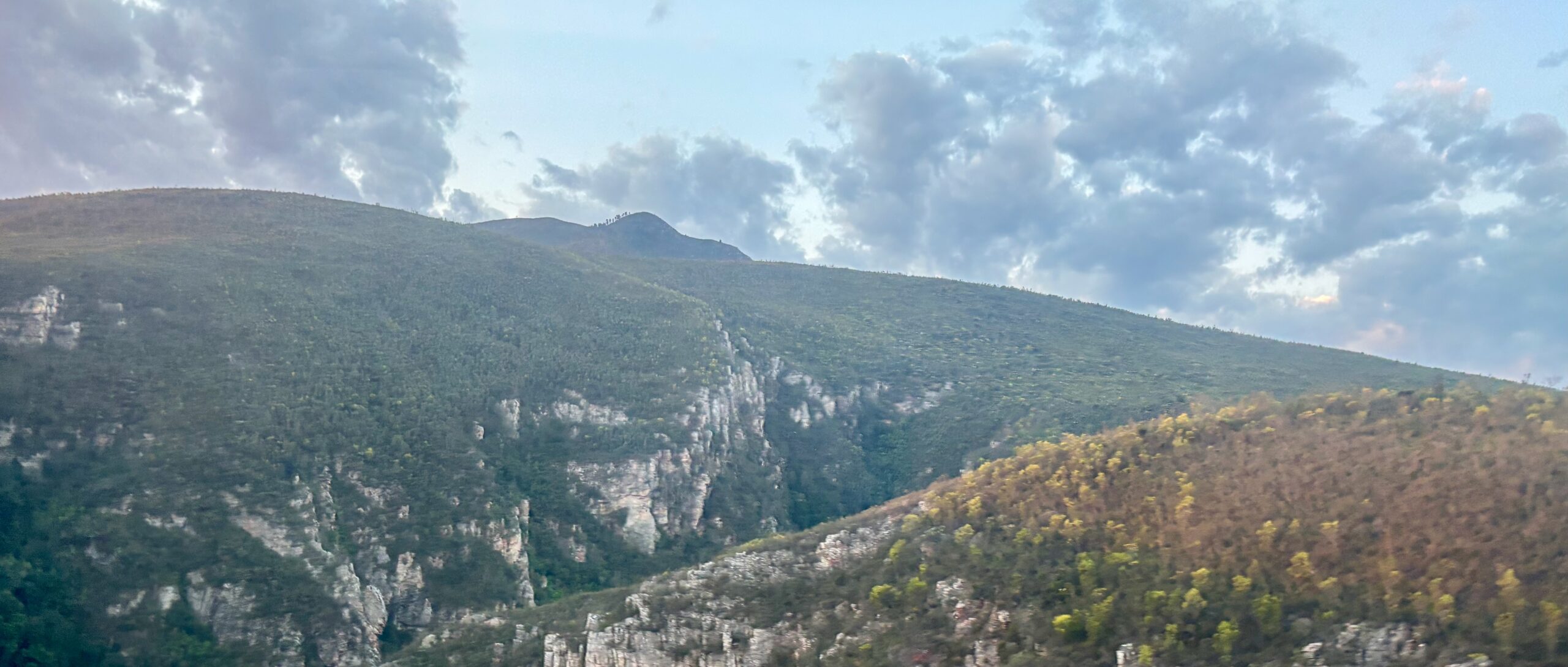
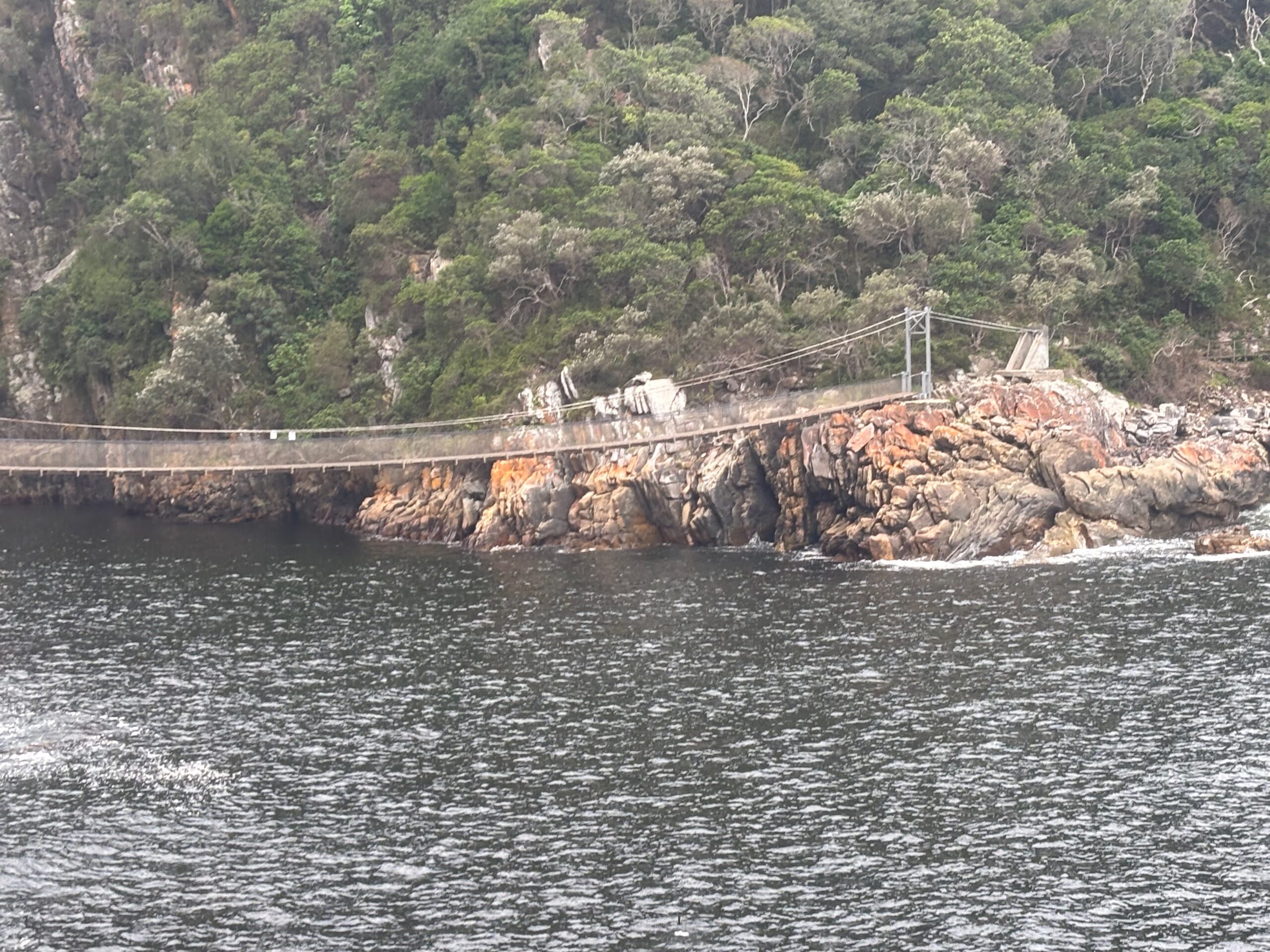
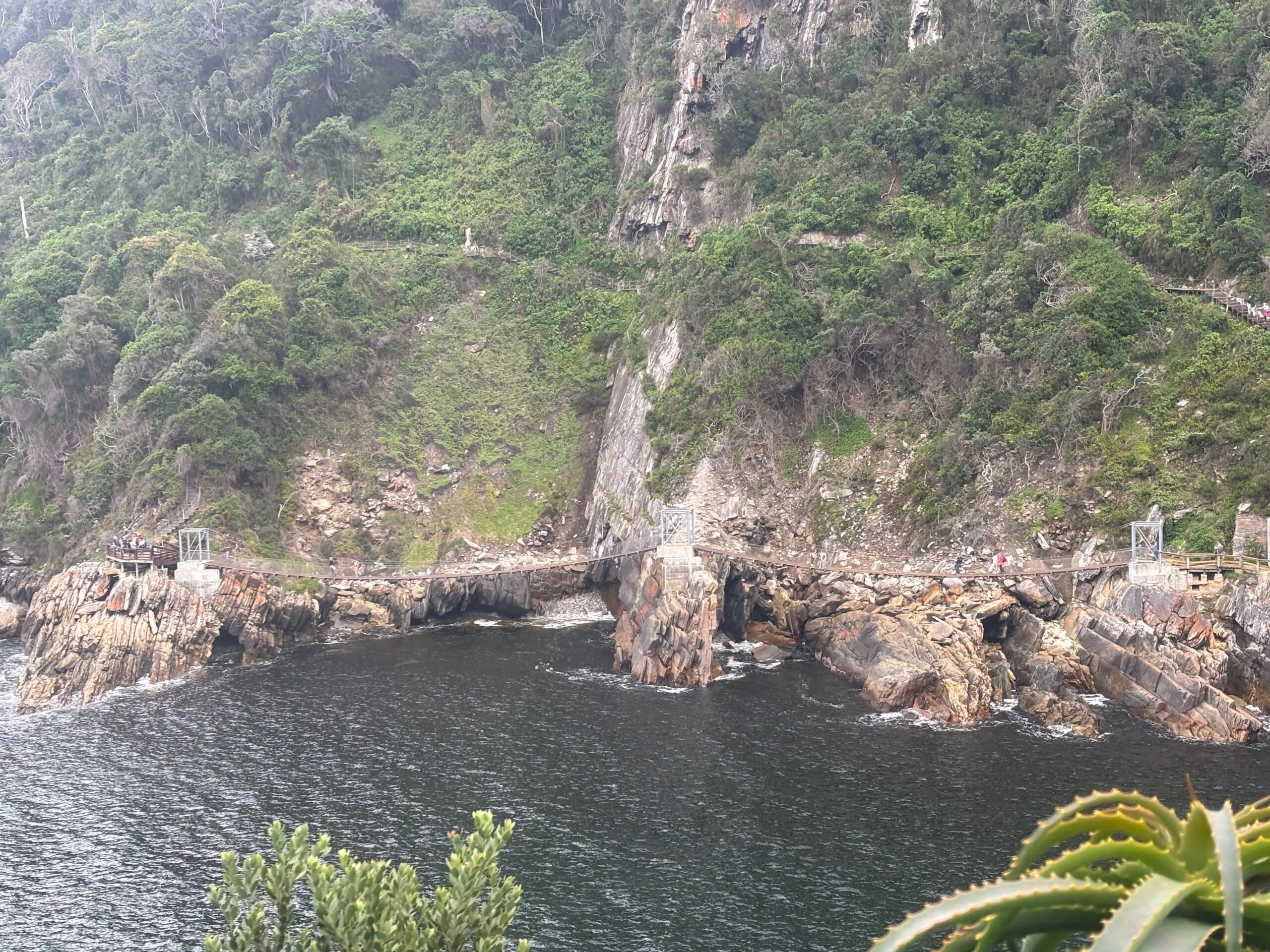
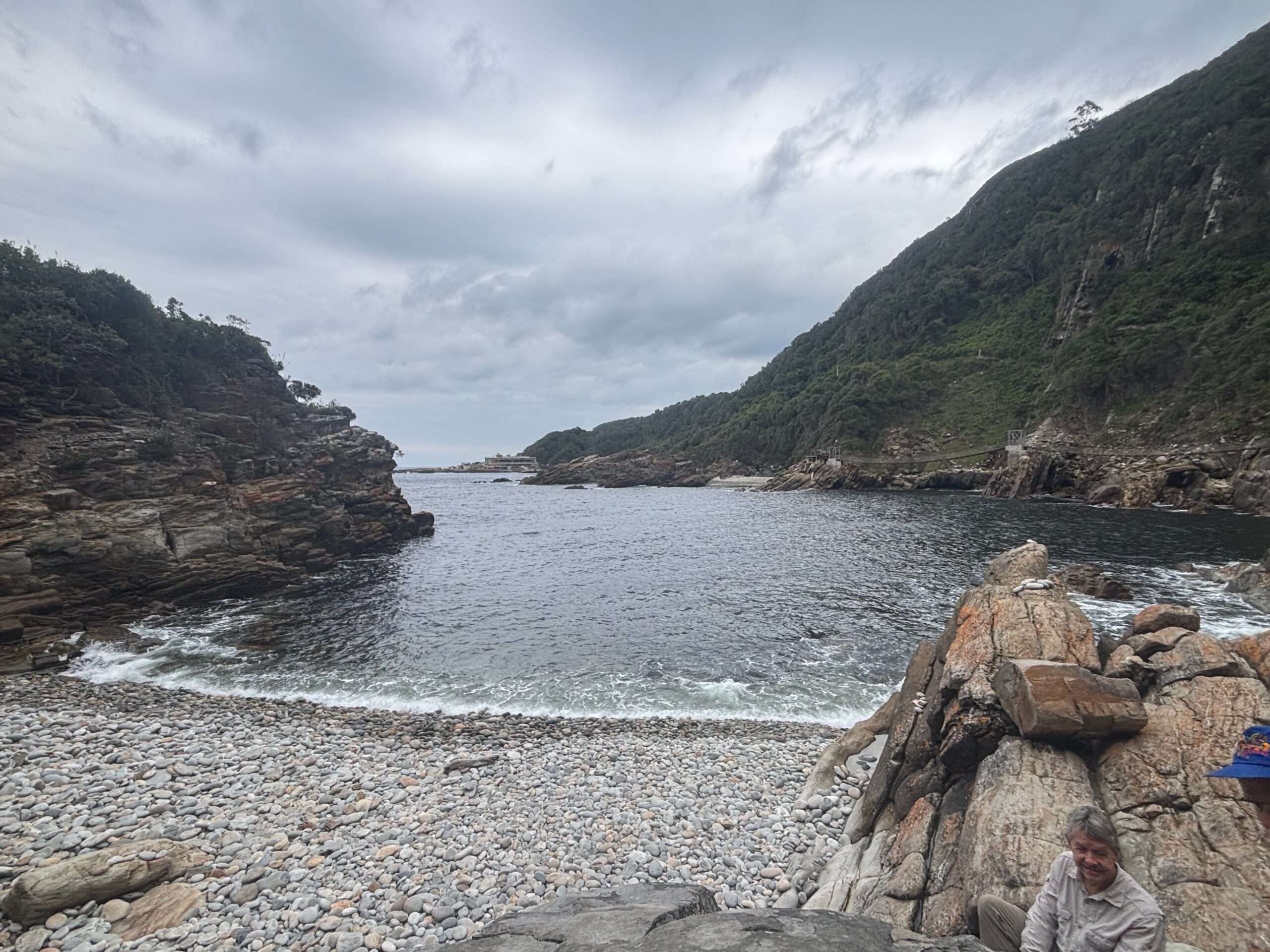
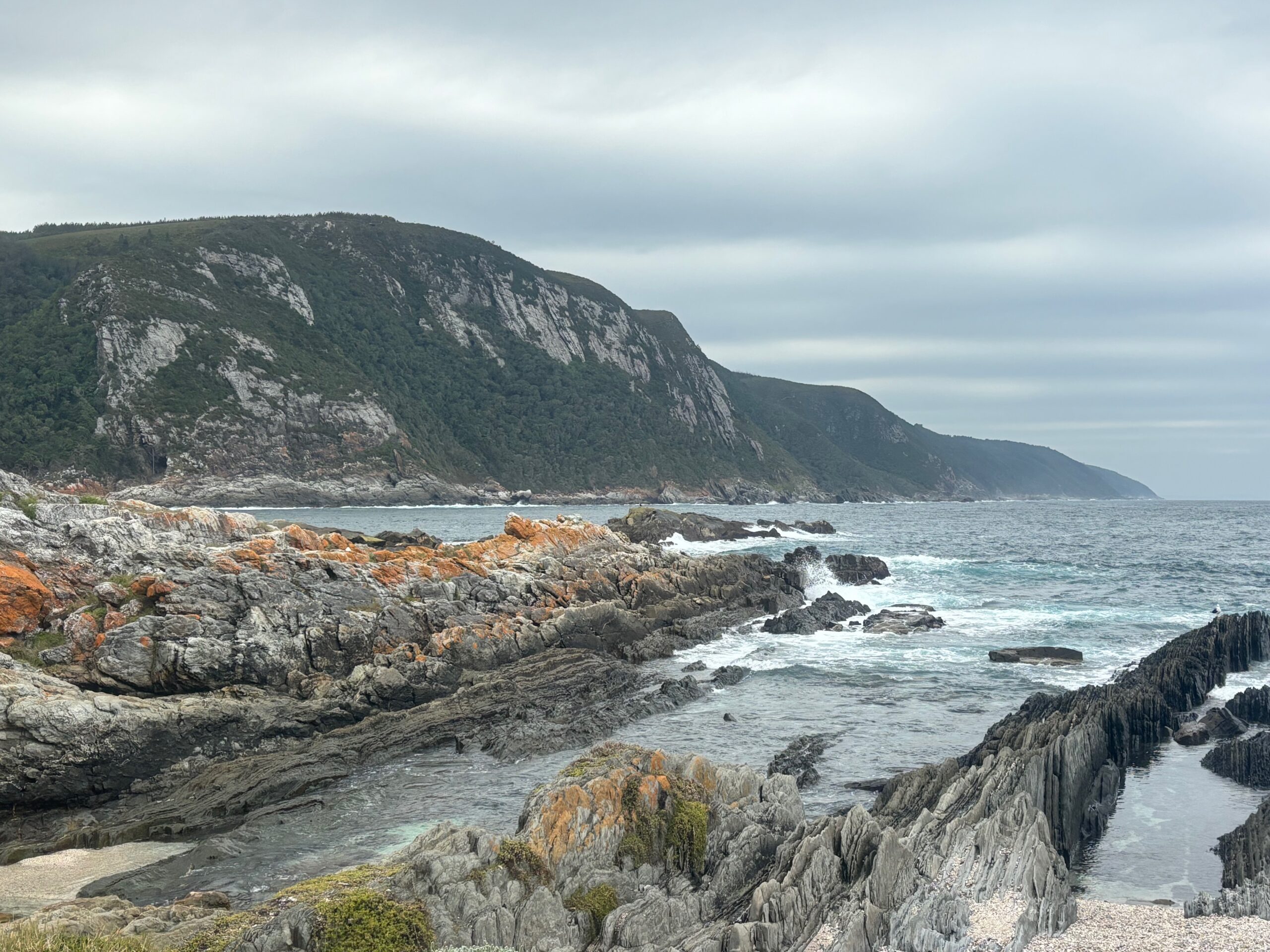
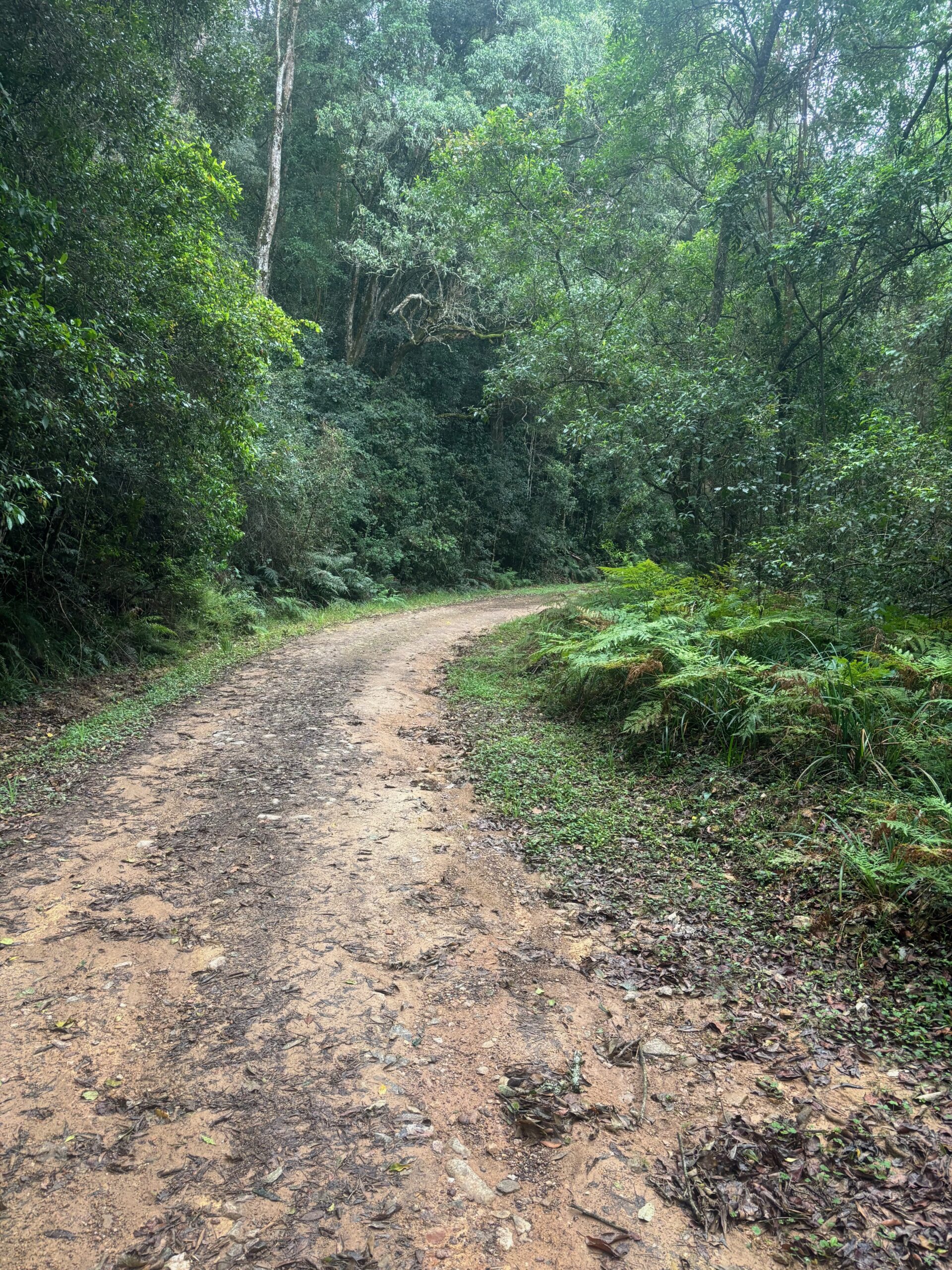
Storms River sits in dense Tsitsikamma forest at the base of the Tsitsikamma Mountains. Began in the late 1800s as a timber and construction settlement. Today it has a few guesthouses, restaurants and adventure‑tour operators. I loved this spot.
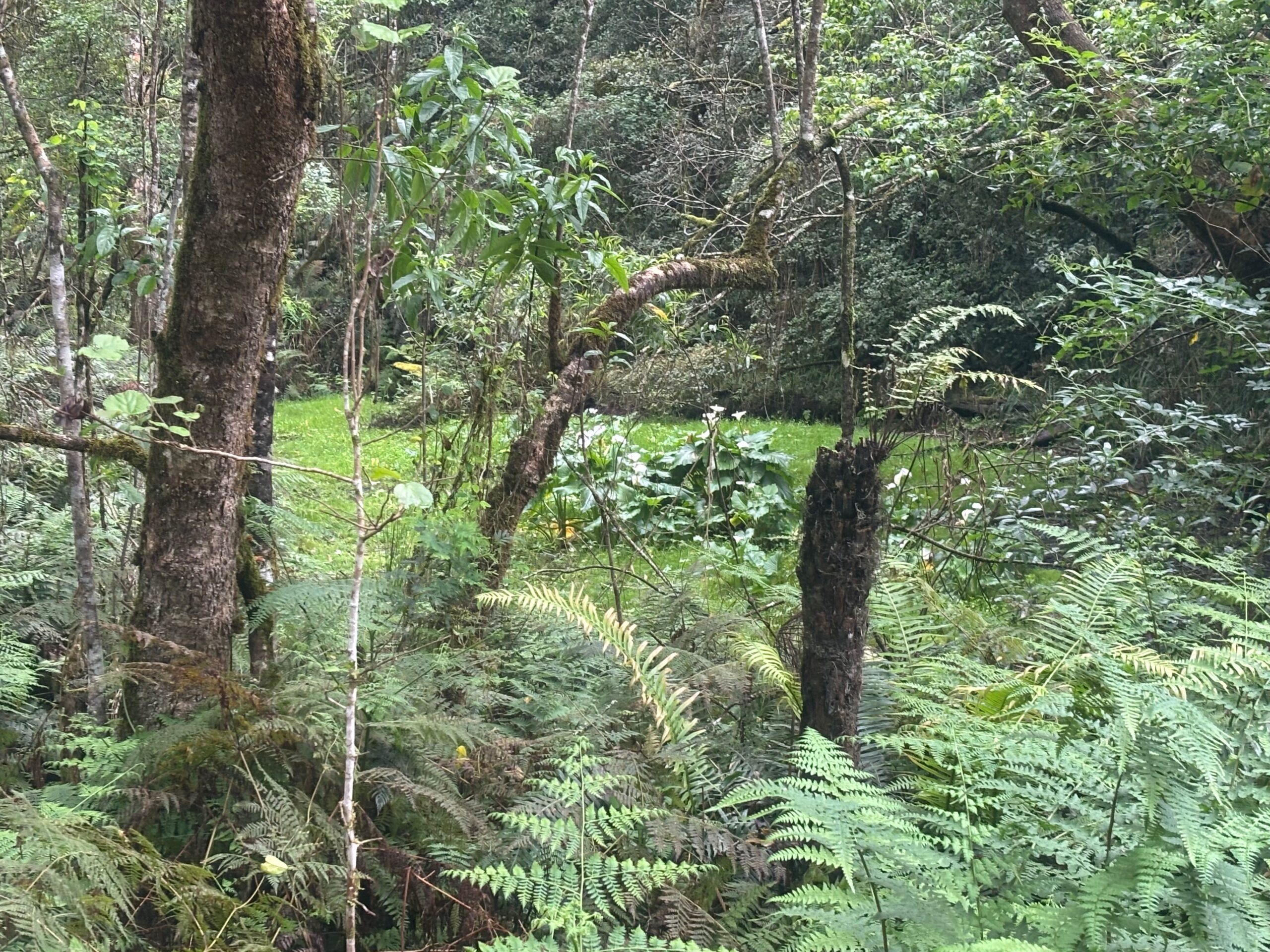
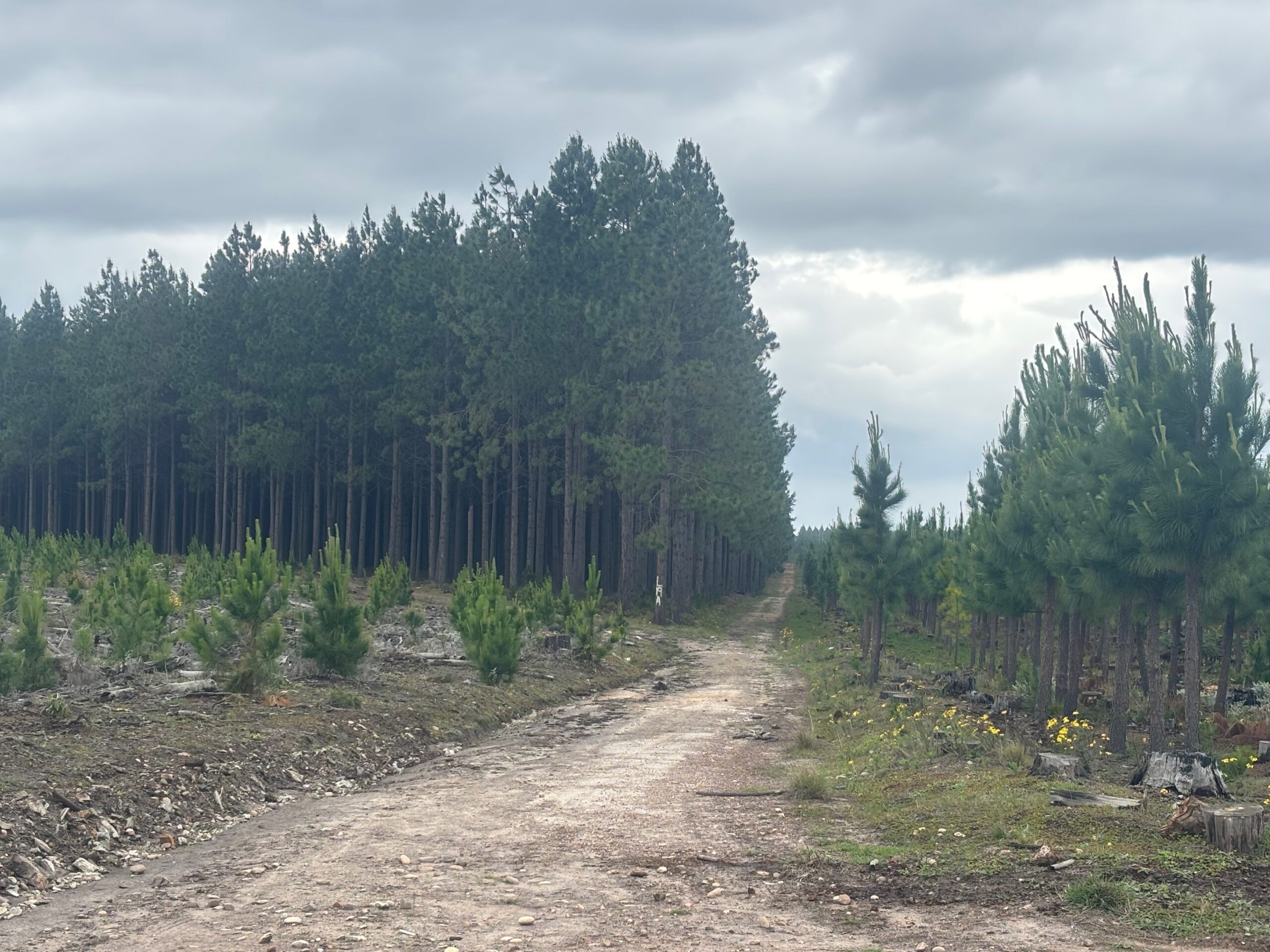
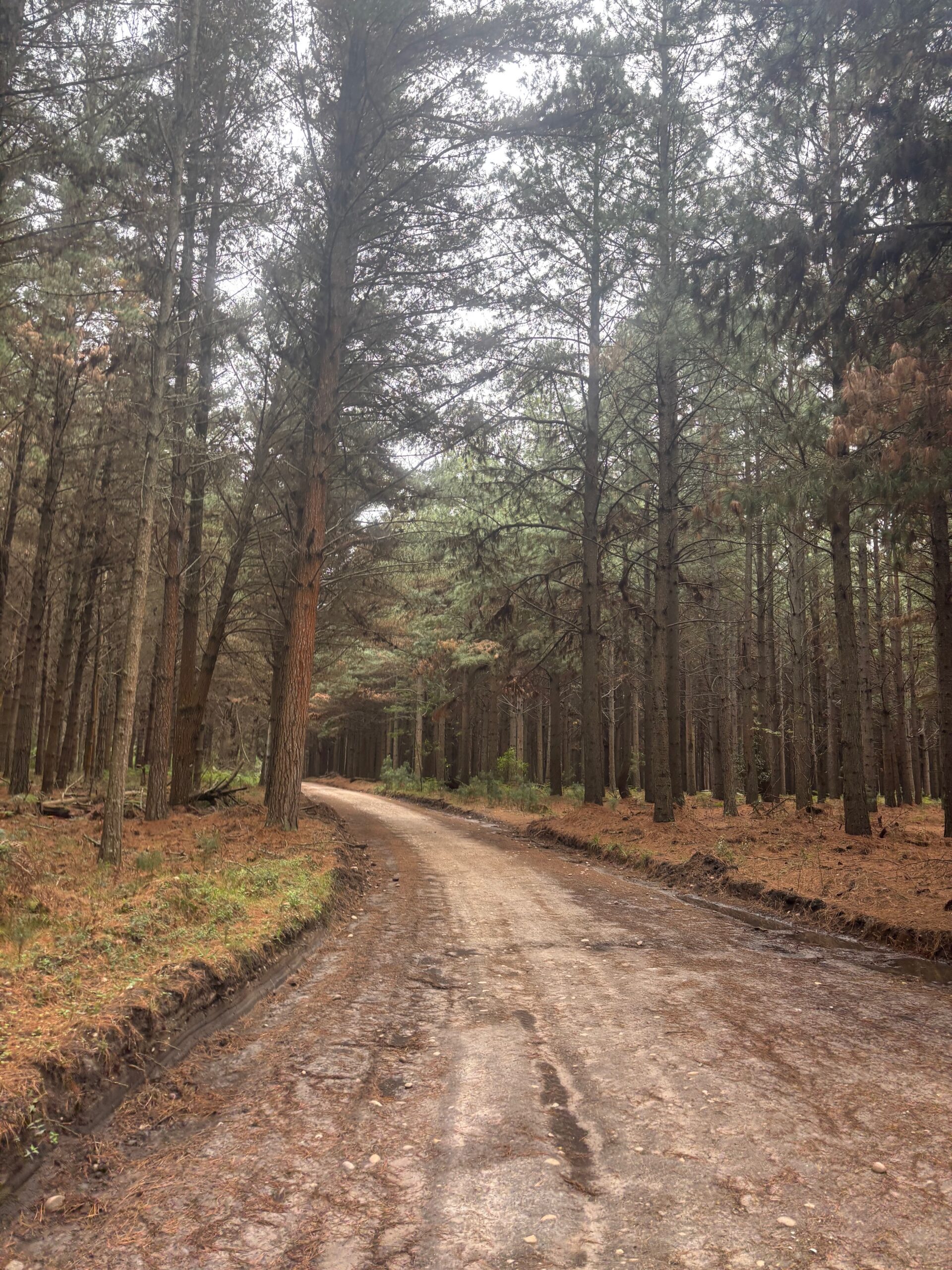
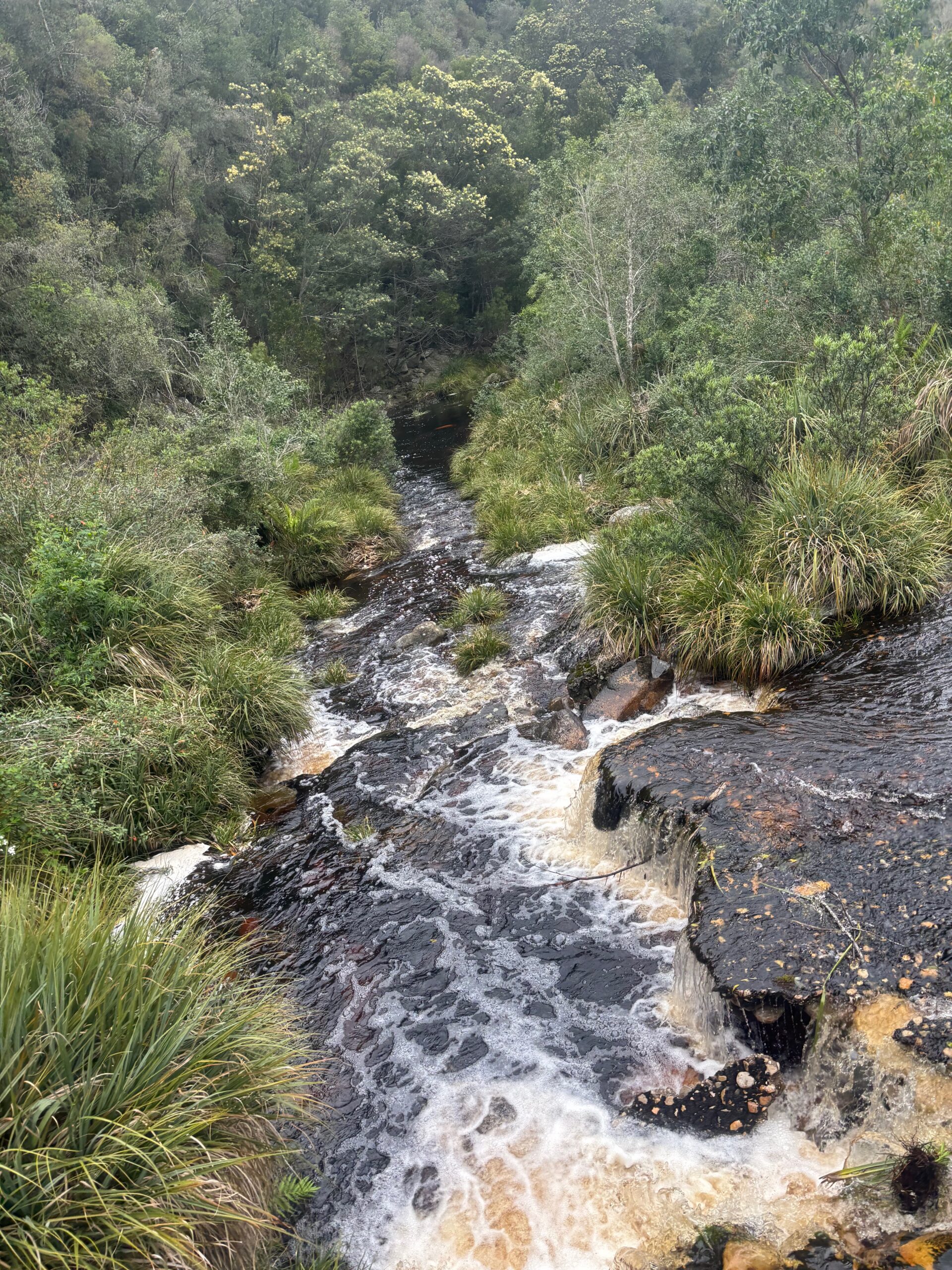
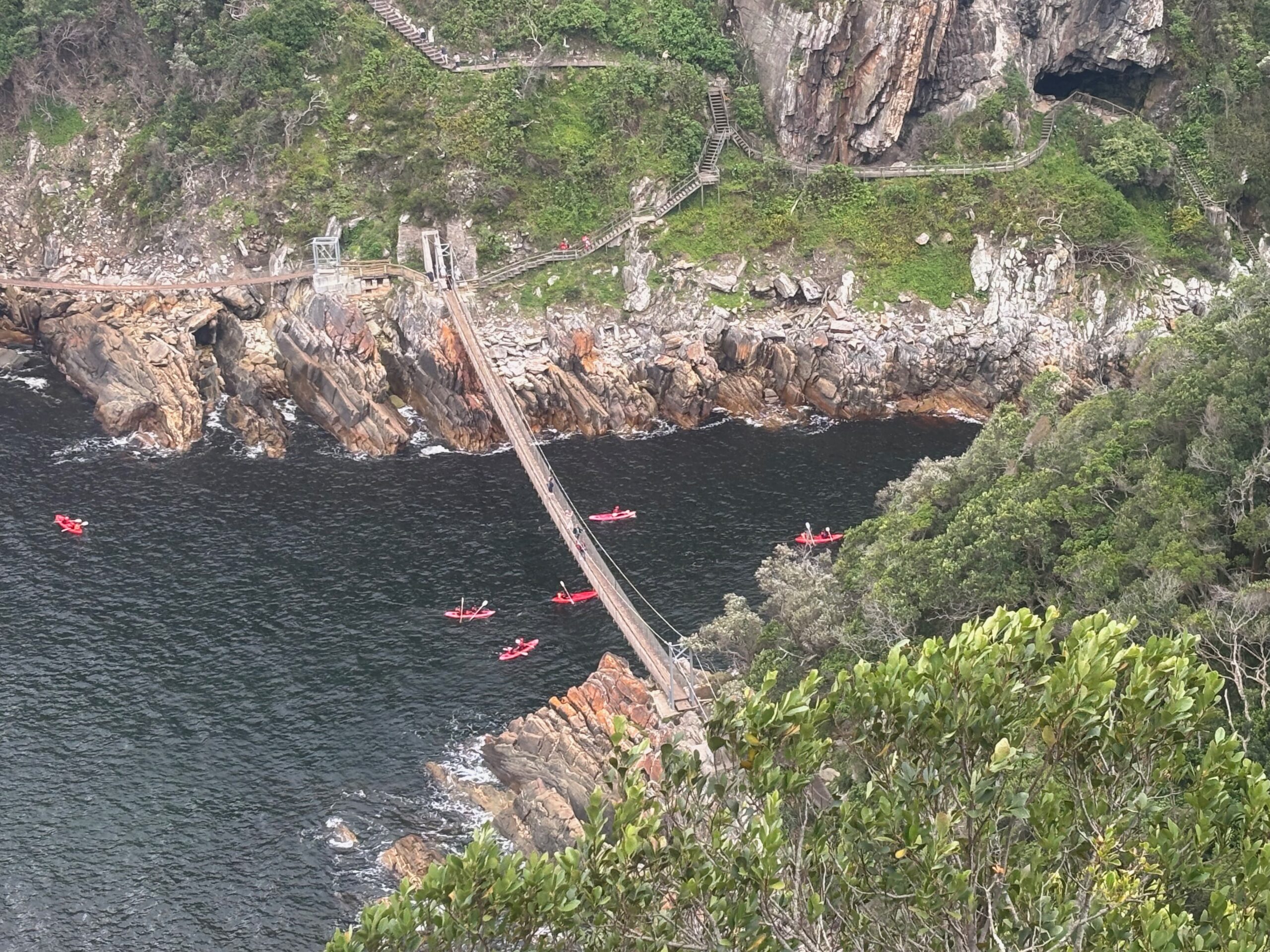
- Storms River Mouth in Tsitsikamma National Park where the river cuts a narrow path through forest cliffs
- Walk the boardwalk trail to the suspension bridges over the river mouth, or walk back to town as I did
- Join a kayak or lilo trip up the Storms River Gorge
- Do a canopy or zipline tour in the Tsitsikamma forests near the village
Small, quiet and generally safe. Costs are low to moderate, making it a good value for an overnight stop.
Jeffreys Bay (often “J‑Bay”) has about 27,000 people and a long sweep of Indian Ocean shoreline. Named after Captain Jeffreys, who came ashore here in the 1840s, this town is focused on surf and surfers.
- Walk Dolphin Beach, with frequent dolphin and seasonal whale sightings
- Visiting the Shell Museum, with a local and international collection of shells and displays on the area’s marine life.
- Exploring the Kabeljous and Seekoei river estuaries, for walks and birdlife
The surf beach and town centre are relaxed and safe by day. After dark, stick to the main areas and avoid outlying streets. Costs are low to moderate, with good budget and mid-range options catering to the surf crowd.
Port Elizabeth (Gqeberha): I have already reviewed this city and given my frank (and negative coverage.
Before you come
About the Garden Route: It runs about 300 km along the South African highway N2, starting at Mossel Bay. It winds up at the small hamlet of Storms River. As I did, many visitors bundle it into the longer Cape Town-Port Elizabeth drive, roughly 750–800 km. I travelled from west to east over a week. Allow at least 4–6 nights across 2–3 towns.
Getting there:
From outside South Africa, you fly into Cape Town.
From within the country, you can fly or take a long‑distance coach to Cape Town, George or Gqeberha (Port Elizabeth). By rail, the only intercity train is now the luxury Blue Train connecting Pretoria and Cape Town
Getting around:
- Rent a car at Cape Town, George or Port Elizabeth airports. One-way rentals are common. Stick to N2 and main signed roads. Drive town-to-town in daylight only, and fill up often as rural stretches can be long. Keep doors locked, valuables out of sight, and stay alert at traffic lights, viewpoints and petrol stations. Service stations are full-service and car guards are normal in car parks. A small tip for both is standard. Mobile signal is generally good but patchy in rural sections.
- Intercape and Greyhound operate services from Cape Town to Port Elizabeth along the N2, stopping at key towns. The Garden Route Shuttle connects George, Knysna, Plettenberg Bay and Port Elizabeth.,
- Tours: Many 3- to 8-day group trips from Cape Town with transport, activities, and hotels.
- Baz Bus: I chose this hop‑on, hop‑off backpacker bus linking Cape Town and Gqeberha (Port Elizabeth). It stops at most key towns on the Garden Route. The bus picks up and drops off at selected hostels and guesthouses. For me, it provided the chance to stop at the towns I wanted, with the flexibility.
Weather:
The Garden Route is milder and greener than much of South Africa. Weather changes fast, so pack layers, a light rain jacket and something warm for evenings even in summer. The sun is strong even on overcast days. Wear sunscreen, a hat and sunglasses, especially on the water.
- Summer (Dec to Feb): These have warm days of 22 to 28°C. Daylight is long. Expect crowds, busy beaches and higher prices around Knysna and Plett. Book ahead.
- Autumn (Mar to May): often the sweet spot, warm enough for the beach, fewer crowds and better value.
- Winter (Jun to Aug): cooler, wetter and quieter, good for hiking and lower rates. 12 to 18°C.
- Spring (Sept to Nov): best for whale watching around Hermanus and Mossel Bay
Money and Costs:
South Africa uses the rand (R). ATMs are common along the Garden Route. Cards, including contactless, are widely accepted at accommodations, supermarkets, fuel stations, and most restaurants. I withdrew some cash from the ATM at Joburg airport and didn’t use most of it. If you are driving, you will need some cash for tips for car guards and petrol attendants.
There are massive price gaps between Garden Route towns. Beachfront, lagoon-view and Winelands properties in the most desirable pockets can be several times the price of other towns. Wilderness beachfront, Knysna Heads, central Plettenberg Bay and Franschhoek are the pricier spots.
- Backpacker: $40 to $90 per night
- Guesthouse: $70 to $150
- 3-star hotel: $80 to $170
- 4-star hotel: $110 to $250
- 5-star / boutique: $180 to $300+
Tipping: 10–15% in restaurants for good service, rounding up fares for taxis and guides is normal.
While there:
Crime and Safety:
South Africa has some of the highest violent crime rates in the world. They are roughly six to seven times the global average. The Garden Route sits in the middle by South African standards. It much less intense than the worst parts of Cape Town or Johannesburg. The route is nowhere near as relaxed as a rural coastline in New Zealand or Scandinavia. Stay completely clear of township and back-street areas and do not let your GPS route you through them. Use only busy or secure parking and leave no valuables in your car. Keep the accommodation’s number, local emergency numbers and key contacts saved in your phone.
Key emergency numbers: 112 (universal), 10111 (police), 10177 (ambulance), 107 (fire).
Food and drink:
- Traditional braai with boerewors sausages, steaks, chicken and braaibroodjies (toasted cheese, tomato and onion sandwiches) over wood or charcoal
- Seafood feasts where you eat barefoot in the sand, working through mussels, snook on the braai, seafood pot and homemade bread
- Karoo lamb, stews and hearty farmhouse plates in Montagu, Oudtshoorn and the Little Karoo
- Ostrich steaks, burgers and carpaccio in Oudtshoorn, the ostrich capital
- Wine tastings and cheese and meat platters across Stellenbosch, Franschhoek and Paarl, plus craft beer and gin in towns like Knysna and Mossel Bay
- Vegetarians and vegans will find salads, roast veg, curries and pasta in most tourist towns, with some imaginative plant-based menus in the Winelands
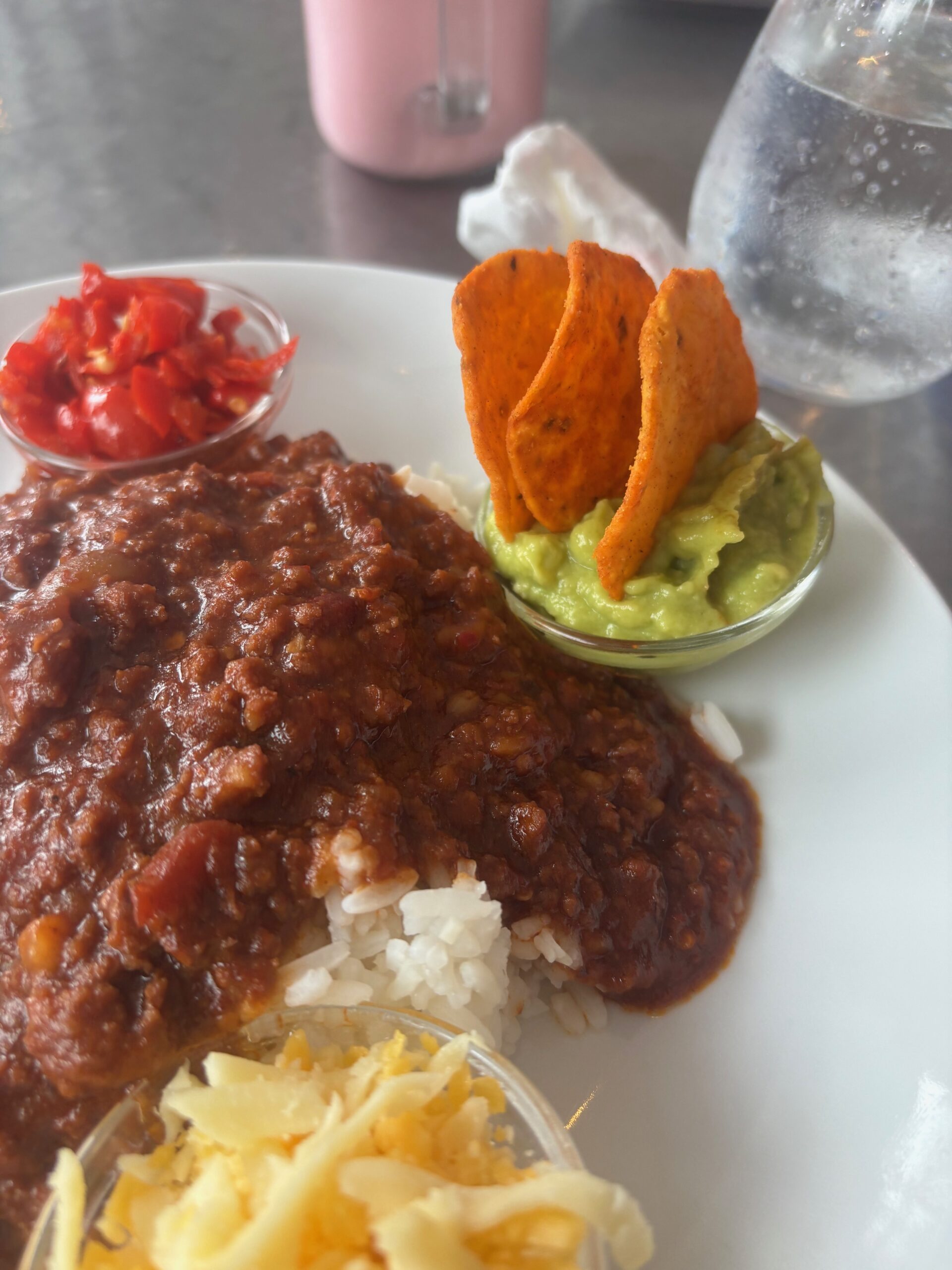
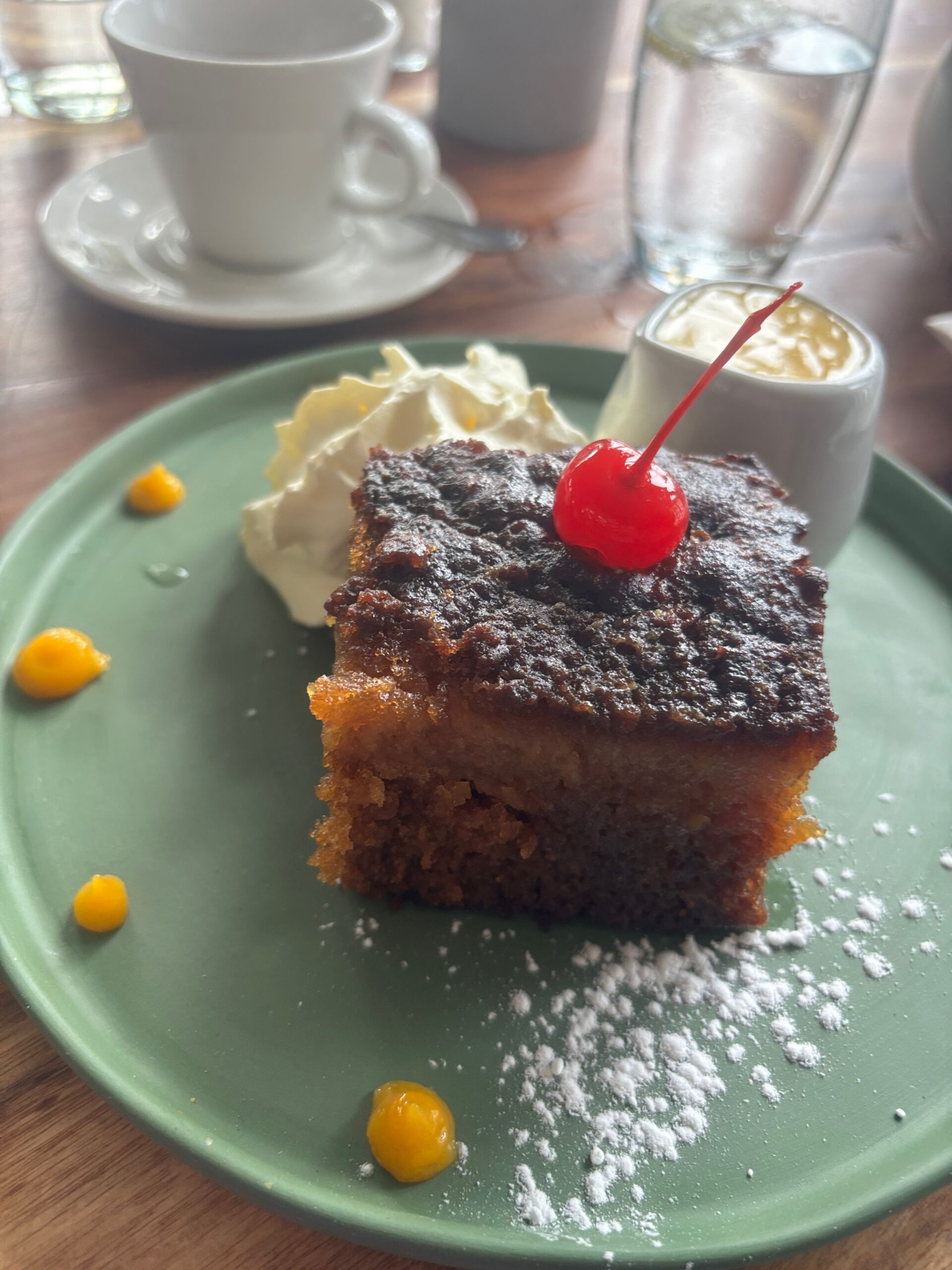
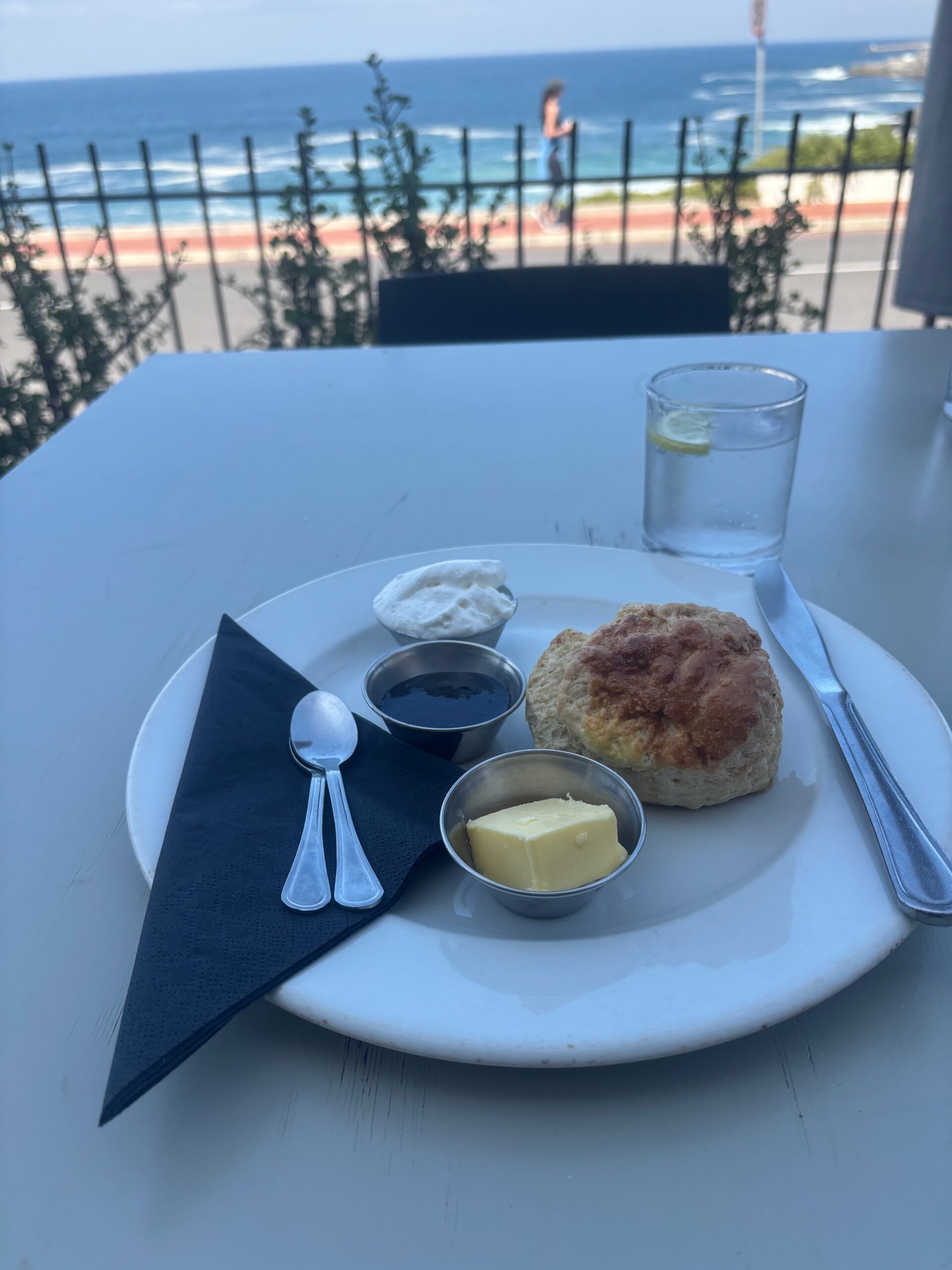
Coffee and cafes along the route (My faves near the top)
- Baruch’s Coffee Shop, Mossel Bay: a coffee roastery known for serious coffee and specialty cakes.
- Ikigai Coffee Bar and Deli, Riversdale: coffee bar /deli on the N2,
- Tredici, Swellendam: good coffee, pastries and artisan breads. Worth planning a stop for.
- Ou Meul Bakery / Ou Meul Bakkery: Multiple branches along the N2 in the Western and Eastern Cape. A farmstall-style brand that actually delivers on good coffee, amazing baked goods and biltong.
- Seattle Coffee Co (no relation to the USA chain) has several branches along the Garden Route. I loved their coffee and service
- Mugg & Bean / Mugg & Bean On-the-Move: Many South Africans swear by them, and there are heaps of outlets between Cape Town and Plettenberg Bay. I was unimpressed.
- Vida e Caffè: A Cape Town coffee chain inspired by Portuguese espresso bars. It has bright red grab-and-go cafes dotted along the N2 and in shopping malls. I wasn’t wowed.
- Wimpy originated in the USA but effectively vanished there. While it still exists in Britain, it’s a shadow of what it once was. South Africa is where it truly thrived. Along the N2, their stores were full of locals having a quick breakfast or coffee.
Summing Up: The Garden Route. The southern edge of a continent, with the Indian Ocean at your feet and Africa at your back. It delivered everything that the exchange student promised me all those years ago, and more. It is not just a place to pass through. It is a place I slowed down in, made multiple amazing stops, and left planning to return. Without hesitation, I want to come back.
Related Posts
- Gqeberha (Port Elizabeth): A City That Feels Lost.
- Rovvaniemei: Timber, Fire, and Reinvention
- Cape Town: Beautiful and Complicated
- Tintin made me visit Geneva- Enjoying this Swiss Treasure
- Helsinki: The Northern Jewel of the Baltic
- Rating a city: From First Crush to Favourites

Leave a Reply