

A two-week ceasefire for Iran was announced on 7th April. On 9th April, several Gulf governments reported a full day without any new missiles or drones. The UAE’s defence ministry said the country was “free of any air threats” that day, after weeks of intercepting ballistic and cruise missiles and thousands of drones. Talks between US and Iranian officials are due to continue in Islamabad this weekend, and the durability of the ceasefire will depend heavily on what is agreed there. Parts of the region’s airspace are slowly reopening under very tight controls.
In March, I wrote three pieces about this crisis:
- In the first, I focused on practical tips for people already booked to, through or over the Middle East.
- In the second, I laid out just how bad things had become for the main Gulf hubs.
- In the third, I took a crystal ball look at what a short-, medium-, or long-term disruption might do to the Gulf aviation model.
Again, I leave the politics to those qualified to comment on the issues, and focus on where things are at now for travellers and what you might need to do.
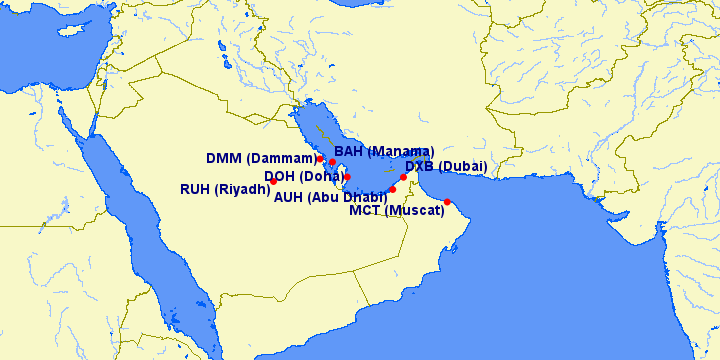
Emirates (Dubai airport)
Situation: Operating a reduced flight schedule, with 160 daily departures compared to 500+ before war. Changes: For flights up to 30 April, most tickets allow date changes without a fee (but pay a fare difference).
Refunds: A full refund is available if Emirates cancels or significantly changes your flight.
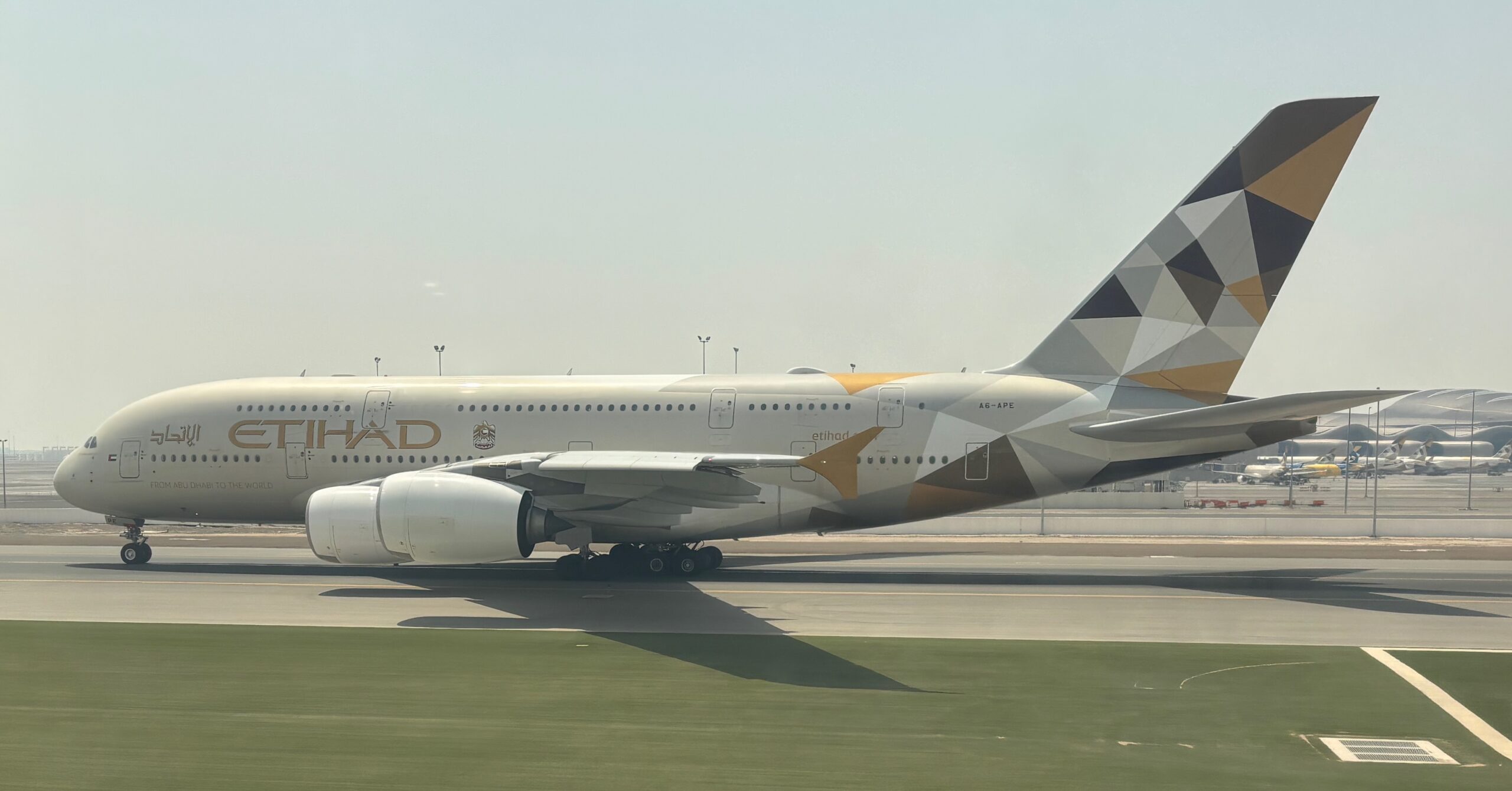
Etihad (Abu Dhabi)
Situation: Operating at 60 per cent of previous capacity. To fill seats, Etihad has launched aggressive fare cuts.
Changes: All tickets issued before March with travel dates to 15 April 2026 can be moved onto Etihad-operated flights departing on or before 15 June 2026. For tickets issued after March, you can change travel dates once for free for new flights through 31 March 2027. You will pay any fare difference.
Refunds: On unused portions for all tickets issued before March.
Gulf Air (Bahrain)
Situation: Gradually resuming operations following the reopening of the country’s airspace, with services returning in phases. Some flights will continue to operate from Dammam until further notice, with a shuttle bus service available across the causeway. Passengers are advised not to proceed to the airport without written confirmation of flight and departure point.
Changes: Tickets with original travel dates up to 15 April 2026 can be rebooked free of charge on available Gulf Air services up to 30 June 2026.
Refunds: If the original flight was through to 31 March 2026, you can still ask for a free refund.
Kuwait Airways (Kuwait, Dammam) Situation: Services remain suspended from Kuwait, with no confirmed reopening date. Instead, they are operating a limited number of services from Dammam with bus transfers from Kuwait.
Changes: Passengers can rebook onto available Dammam services without change fees.
Refunds: For cancelled flights, all fare types are eligible for a full refund to the original form of payment, even if the airline has offered an alternative service from Dammam.
Oman Air (Muscat)
Situation: Most flights are operating normally, but Gulf routes remain affected by regional airspace closures. Services will resume in April.
Changes: One free date change or reroute to any Oman Air destination is available, provided reissue is completed by 31 May 2026.
Refunds: Full refund of unused tickets is available, provided its completed by 31 May 2026.
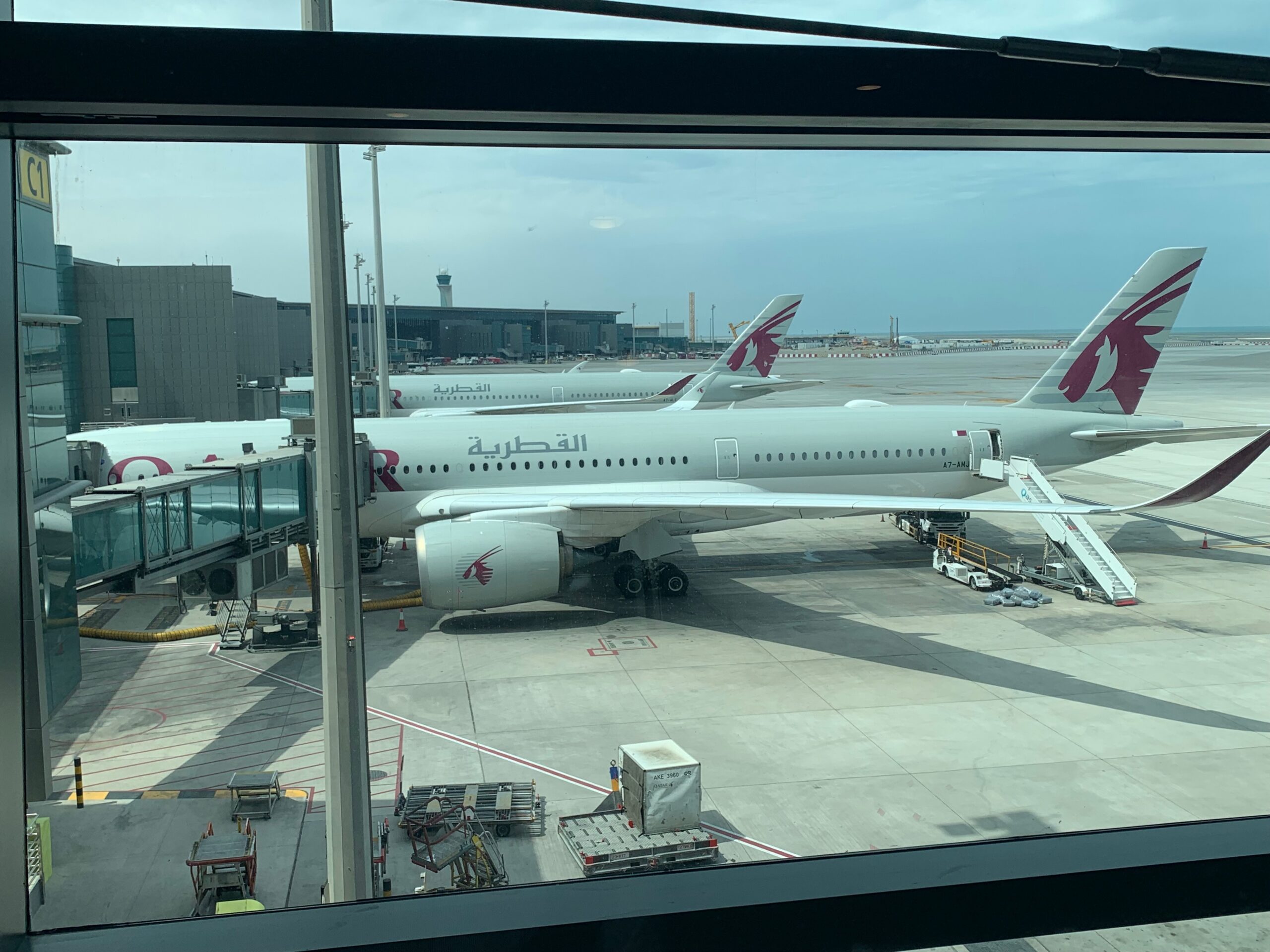
Qatar Airways (Doha)
Situation: Moving back towards 120 of its 198 pre-war destinations by around mid-May, using government-approved corridors.
Changes: Passengers with confirmed bookings in the disruption period can make free date changes to later flights.
Refunds: Refunds for unused tickets are available under its current waiver.
Saudia (Riyadh)
Situation: Resuming suspended services to Gulf airports on a staggered basis. Passengers are advised not to travel to the airport without checking their booking and flight status.
Changes: Where flights are cancelled or significantly changed, passengers may be entitled to a free rebooking on available Saudia services.
Refunds: May be available depending on route and ticket type.

Government travel advice falls into three categories:
- Do not travel to or transit through any Gulf hub (Australia, New Zealand, Canada, Japan and Sweden are saying this for specified Gulf states)
- Avoid all but essential travel / reconsider travel (United States, United Kingdom, Ireland, Germany, France, Spain, Italy, Singapore, South Korea)
- No tourism / non-urgent travel discouraged, but not a full ban / heightened caution (Switzerland, Netherlands, Belgium, Austria, Sweden, Norway, Denmark, Malaysia, Thailand)
Ignoring government advice will affect travel insurance, and you may find you only get limited consular help, as most embassies have been evacuated.
So what should you be doing right now as a traveller?
- Exercise maximum caution
- If you can afford to wait before making plans or travelling, waiting is the safest choice right now.
- Otherwise, follow your government’s current advice.
- I do not recommend booking new flights that route through Gulf hubs. Choose non-Gulf routes instead, even if fares are great.
- If you already have tickets through the Gulf, look very carefully at what your airline is offering.
- Have a “plan B” in mind in case your chosen route suddenly becomes unavailable or heavily disrupted.
- Build in plenty of buffer in money and time for unexpected extra nights, lost-baggage hassles and reroutes.
- Accept that information will often be slow, incomplete or contradictory.
- Be extra kind to airline staff who are dealing with the same uncertainty you are, but from the front line.
We have yet to see how fragile this ceasefire is. We can pray and hope for peace and safety for all. I will update travel information as things change.
What are you doing with your travel plans now?
Related Posts
- Crystal Balling the Gulf Crisis: How This War Could Reshape Air Travel
- The Gulf in Crisis: What Every Traveller Needs to Know Now
- Flying via the Middle East right now. Practical tips, not panic, for travellers.
- “Where are you?” Ten Amazing and Two Terrible Travel Moments of 2025
- Surviving the Gunfire: How Tragedy Changed My Bangkok Life
- Stingray attack -a reminder of the need for Travel Insurance
- Why Flights Get Delayed, Who is Better and How to Stay One Step Ahead

Leave a Reply