
It is a bit of a grim world right now, so I thought I would share a positive, beautiful, and delicious 1000-mile journey through one of my favourite countries in Sakura (Cherry blossom). Despite it being insanely busy, I enjoyed the landscapes, food, museums, shopping, temples, parks, and, of course, for this train nerd: railways!
Tomorrow I will give some tips on travelling in busy Japan, and I have also included some general Japan tips garnered over multiple trips to the country. In the meantime, some adventures…
Started in Yokohama, one of Japan’s most underrated cities. This is my second visit here, and I really enjoyed the softer introduction to Japan, with its wide harbour views, plenty of space to walk off the flight, and lots of shops to get trip supplies.
Food: When in Yokohama, one must have Ramen. It has historical roots in Yokohama’s Chinatown, then spread and evolved nationwide.
Tip: Always amazes me how many people come to Japan with full suitcases. Japanese typically travel with light luggage, and oversized suitcases on metros and trains are not well received. NB Shoes and toiletries are much cheaper than in the West. Great shopping in Tokyo and Yokohama. Sizing is less and less of an issue these days.
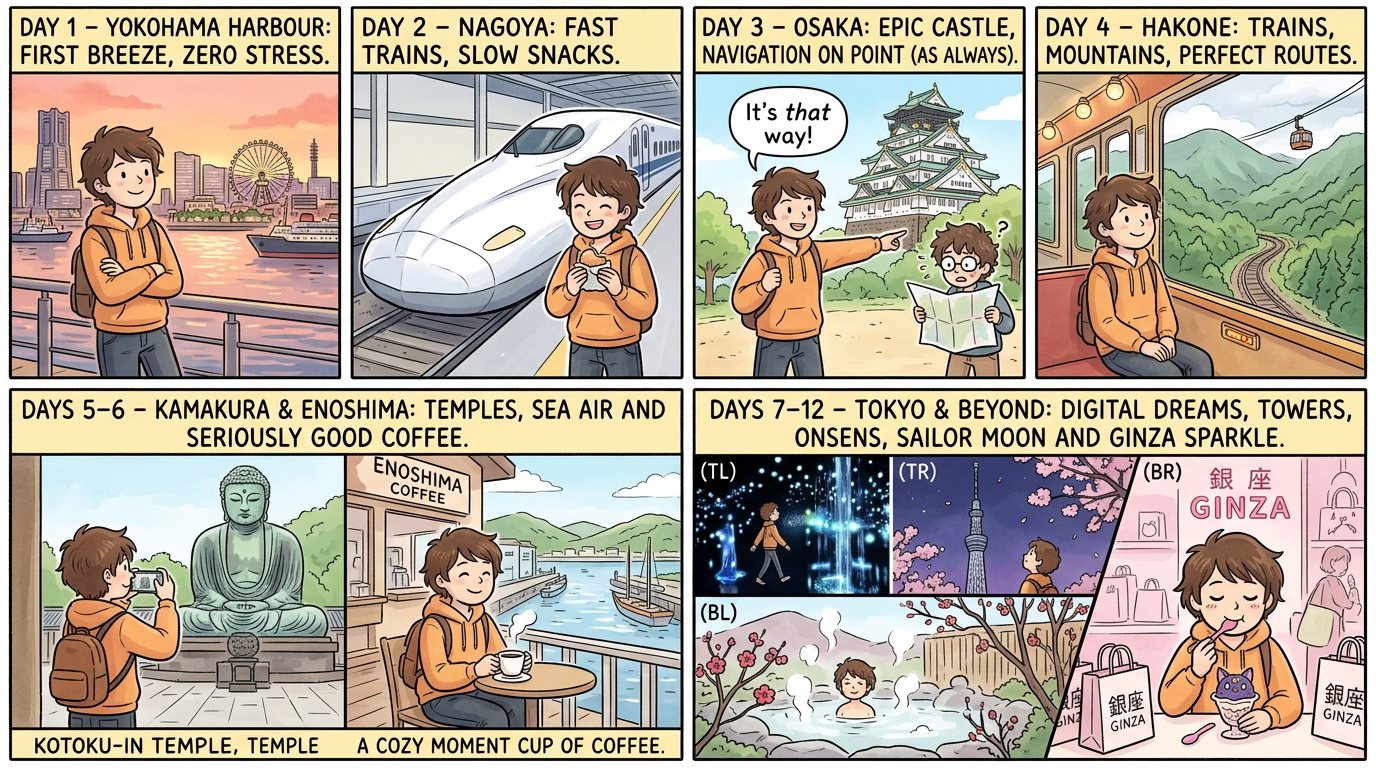
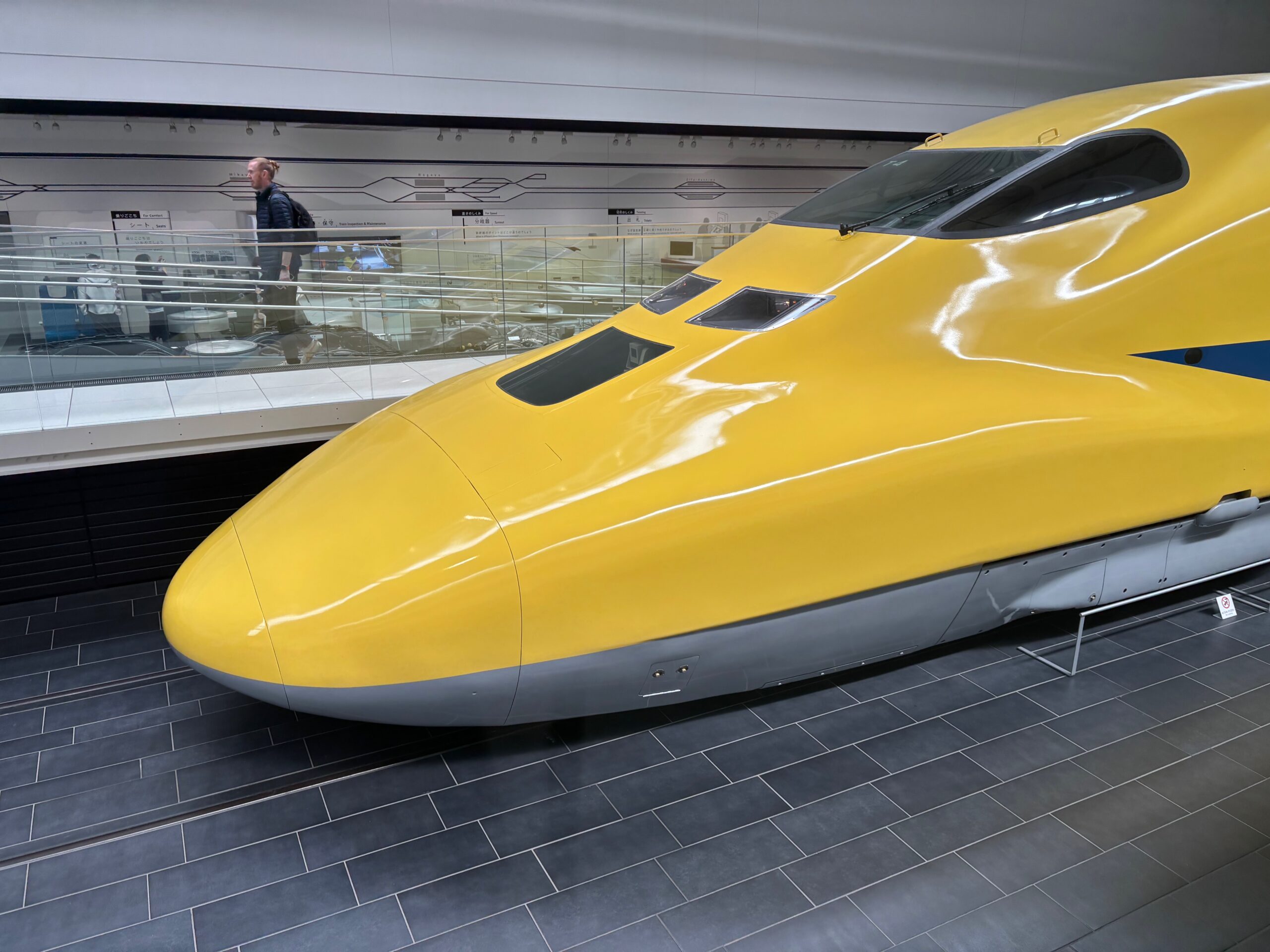
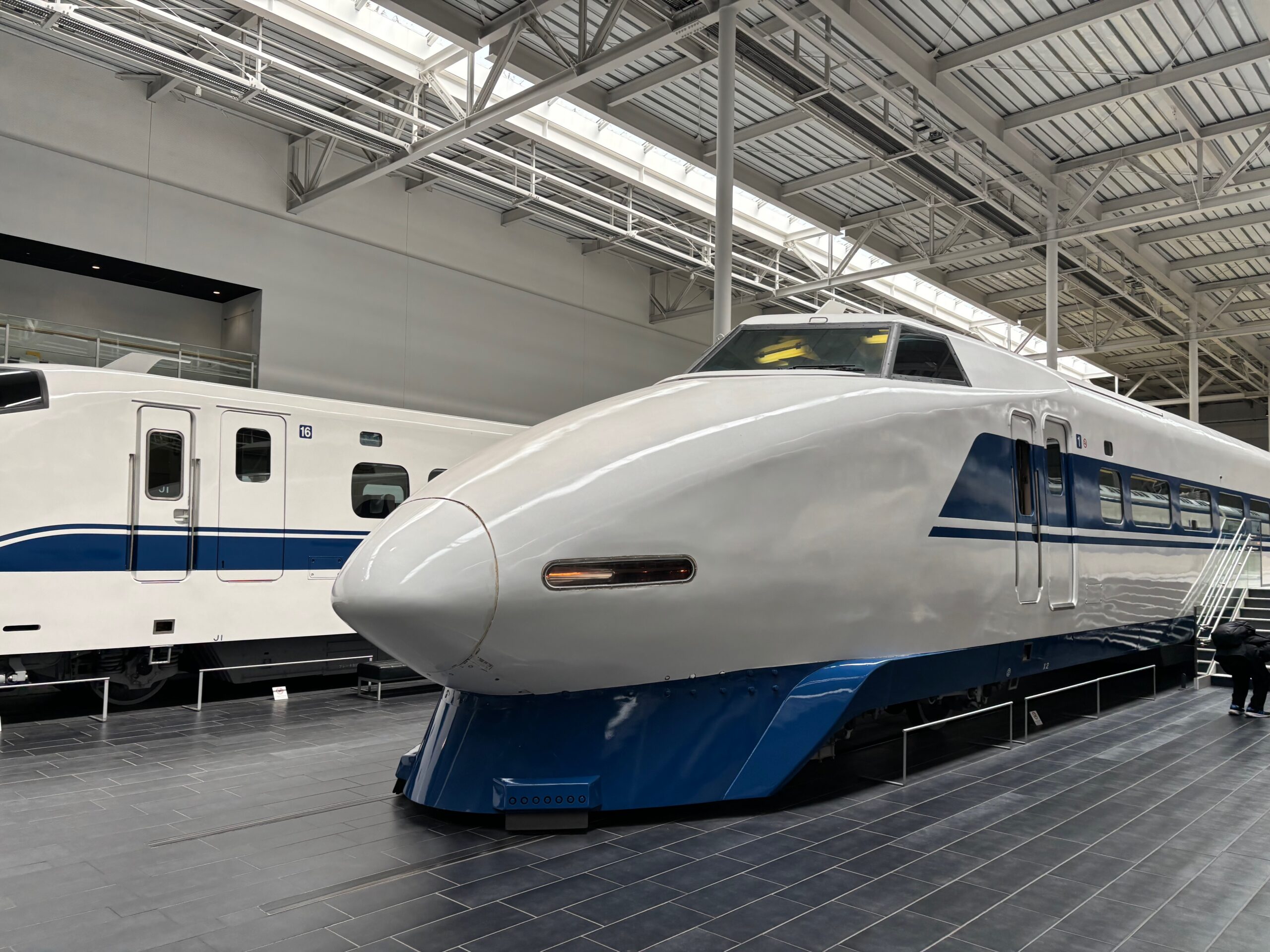
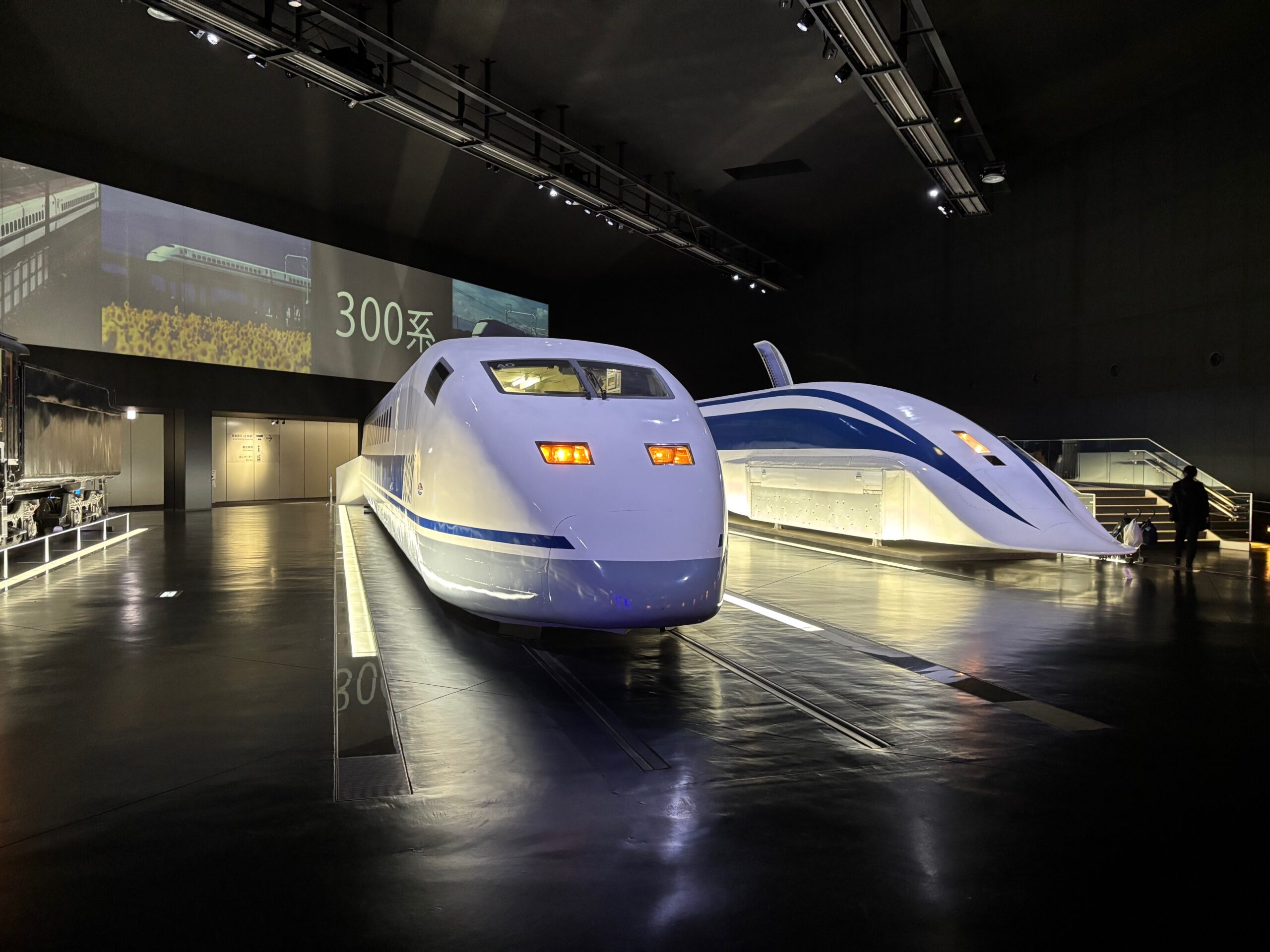
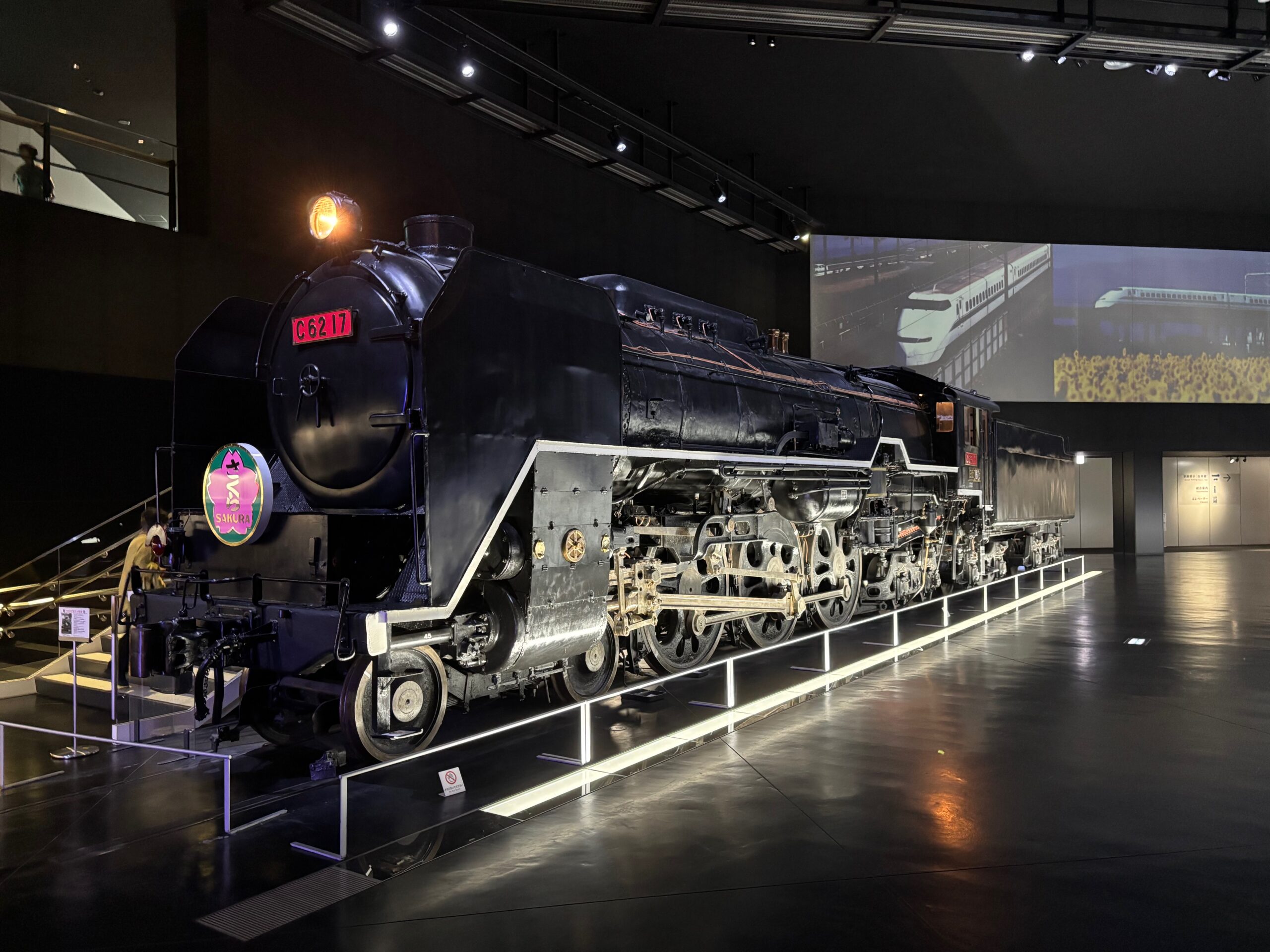
Nagoya was my next stop, and a highlight was its amazing railway museum, opened in 2011 with 11,600 square metres of exhibition space and 39 past, present, and future Japanese trains.
The original 1964 Shinkansen is there, along with a beautiful Class C62 black steam locomotive, Doctor Yellow, the Shinkansen’s yellow track-inspection train, and MLX01-1 Superconducting Maglev, which hit 581 km/h in 2003. Plus, the largest model railway in Japan is devoted to the Tokyo-Nagoya-Osaka route. A very happy train nerd here.
Osaka is my least favourite Japanese city, even after three visits. For some reason, I don’t like the city’s aesthetic or atmosphere or the crowds. That’s the nice thing about travel. We all don’t have to like the same things!
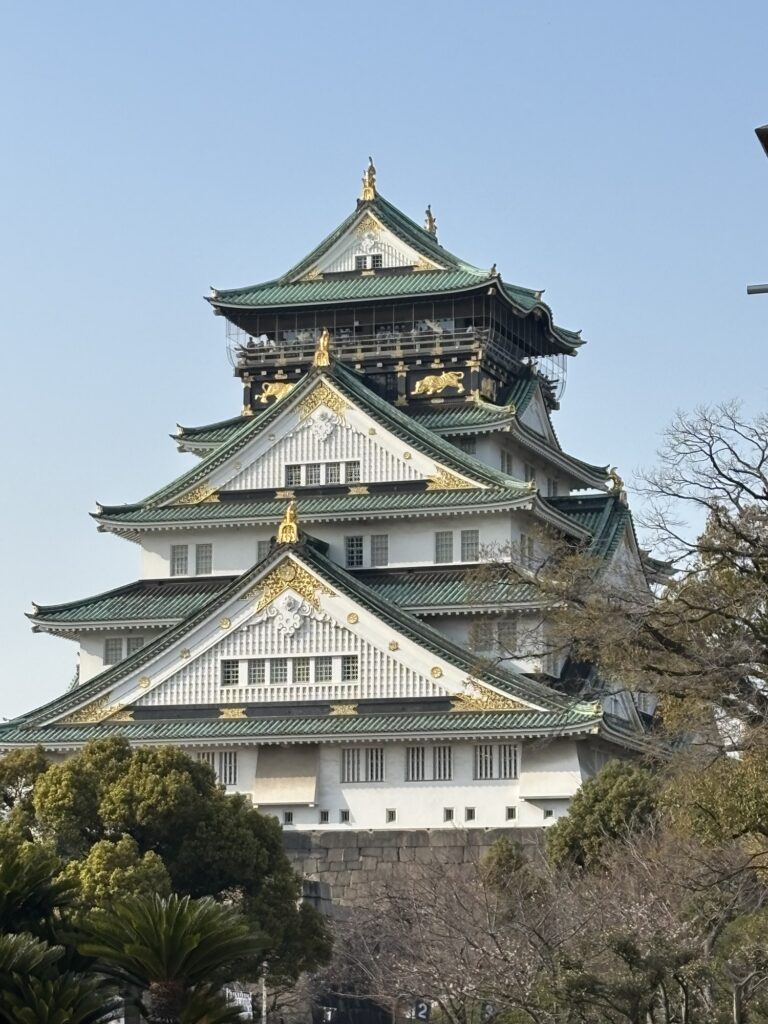
The castle was well worth an afternoon visit, however. It is a monument to ambition. Commenced in 1583 by a peasant-turned-ruler who united Japan’s warring territories through military conquest, strategic marriages, and killing off anyone who didn’t submit. After his son was born, he ordered the death of his nephew, the nephew’s wives, concubines, and children. It’s not the original, burned in a 1615 siege, razed by lightning in 1665, rebuilt in 1931, but the five-story main tower with its gold leaf still impresses.

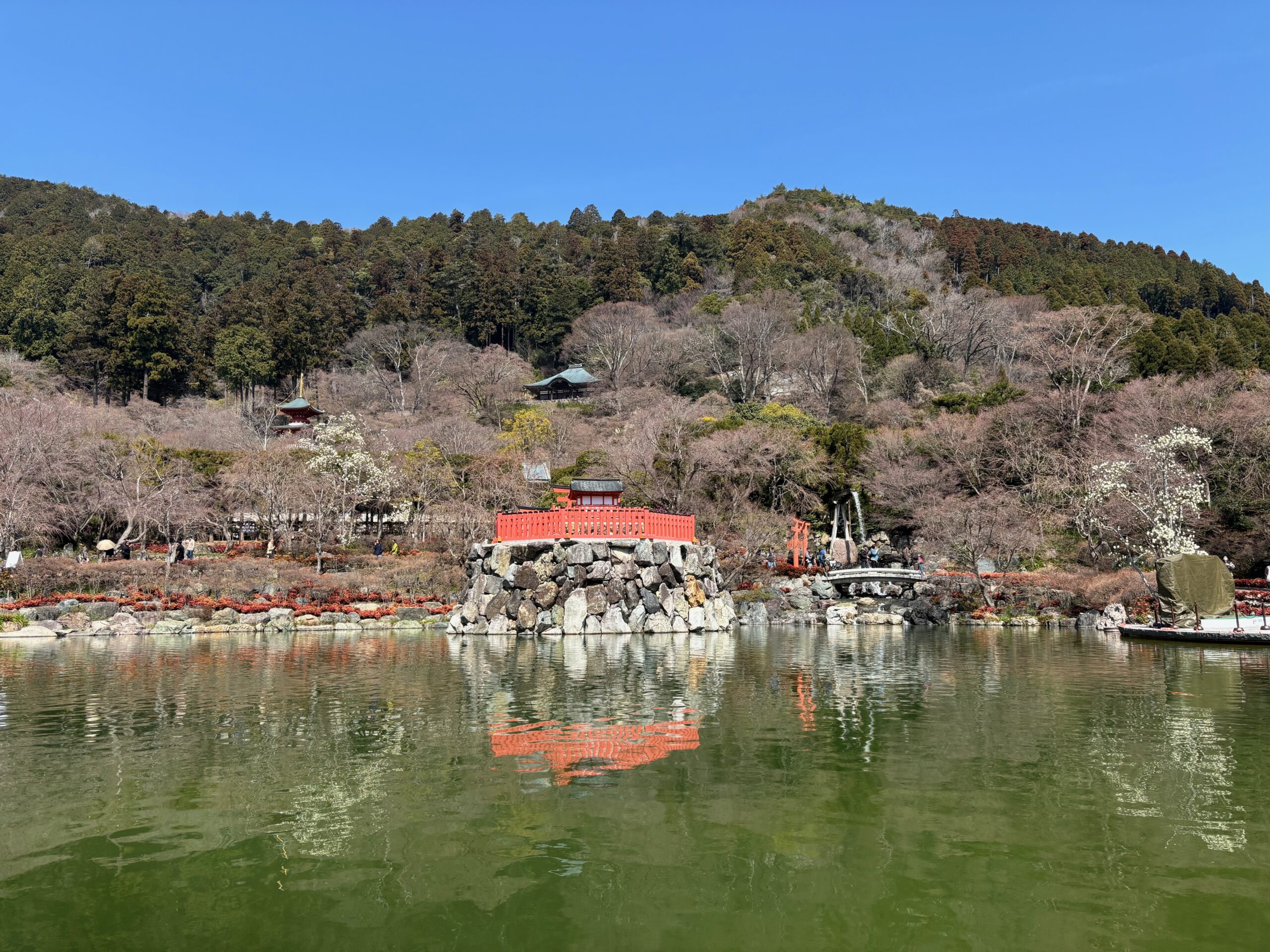
Popped up into the hills north of Osaka City to visit Katsuo‑ji, the daruma doll temple. Worshippers believe that giving their wishes and prayers to a 10 cm (4-inch) red-and-white doll will help their hopes succeed. The temple grounds are beautiful, busy, and packed with thousands of these dolls.
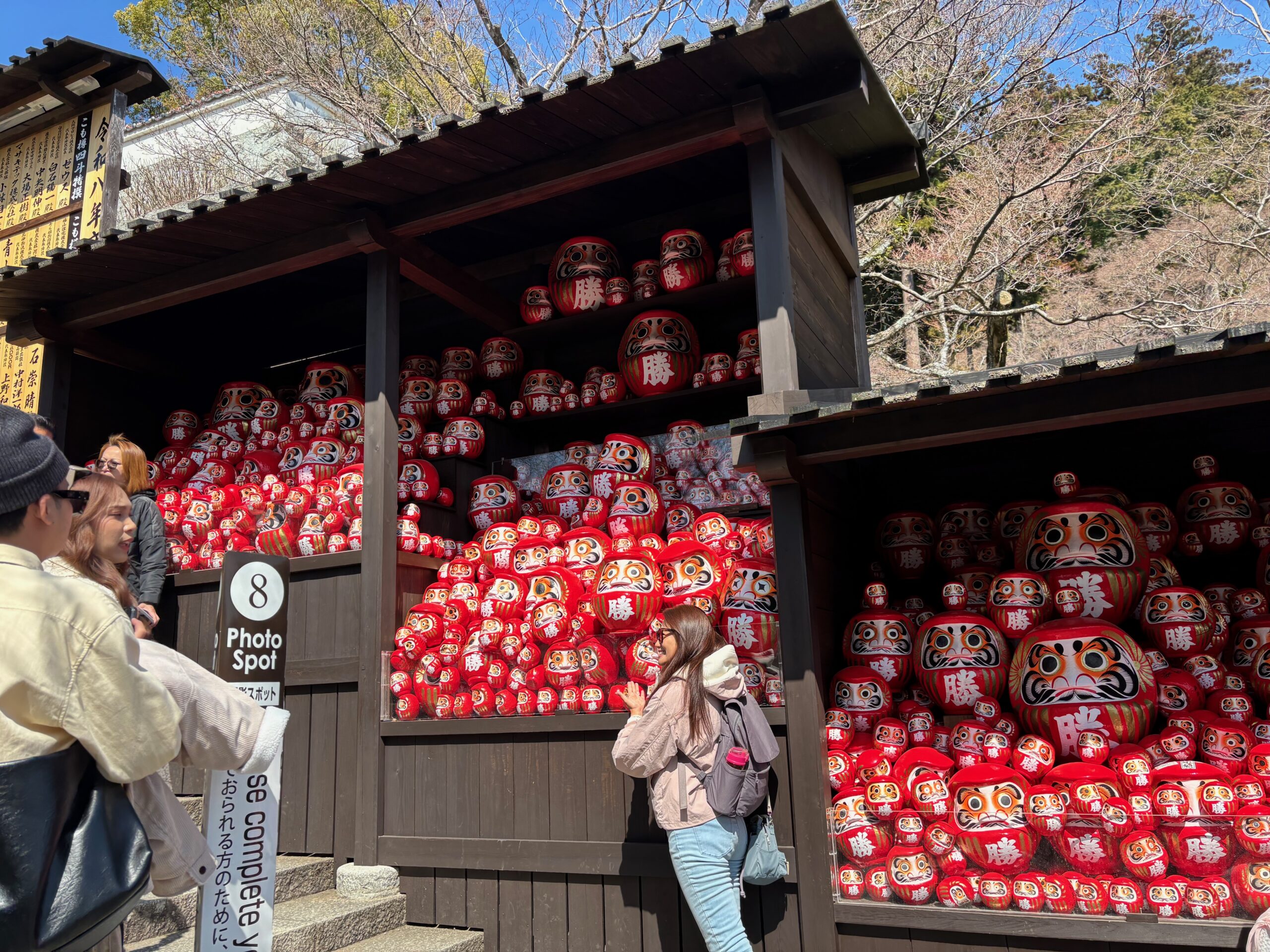
Food: In Osaka, one has to have Takoyaki, the Ball‑shaped dough snacks filled with octopus, a signature Osaka street food. Also, Okonomiyaki, an “as‑you‑like” pancake with cabbage, meat or seafood, and sauce, which is another core Osaka specialty.
Tip: In Osaka (and Japan generally), the biggest thing locals appreciate is keeping your voice and phone use quiet in shared spaces, especially on public transport and at night. Reducing both indoor and outdoor noise is one of the most useful habits you can adopt. Especially in shops, cafes, trains and buses.
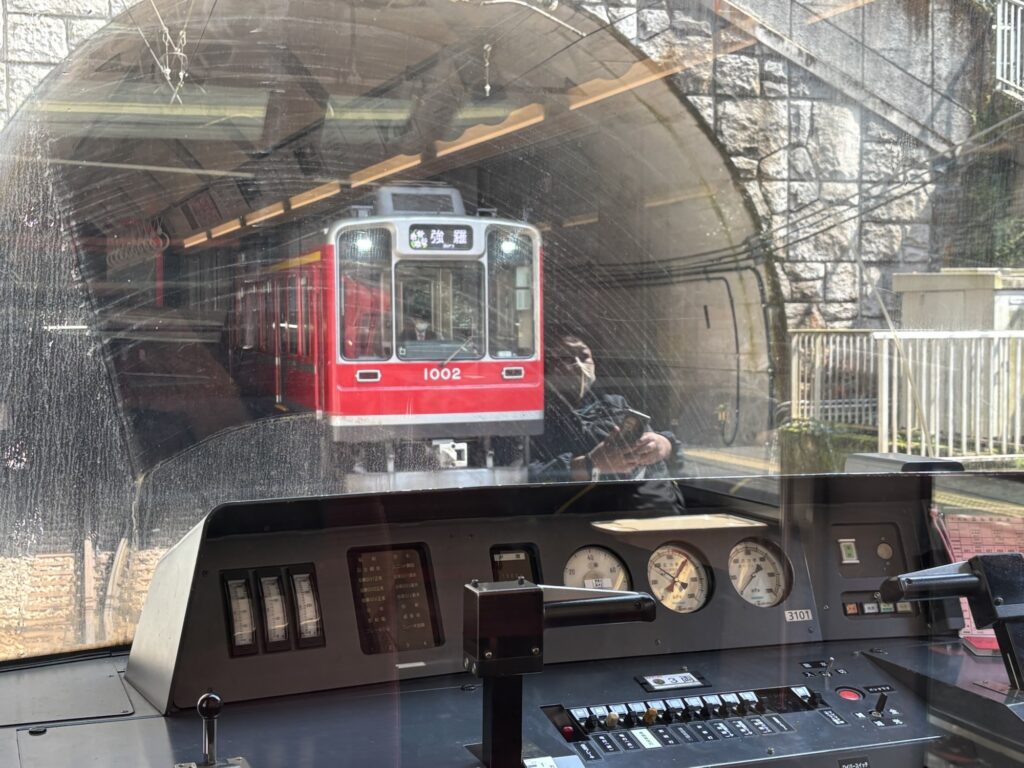
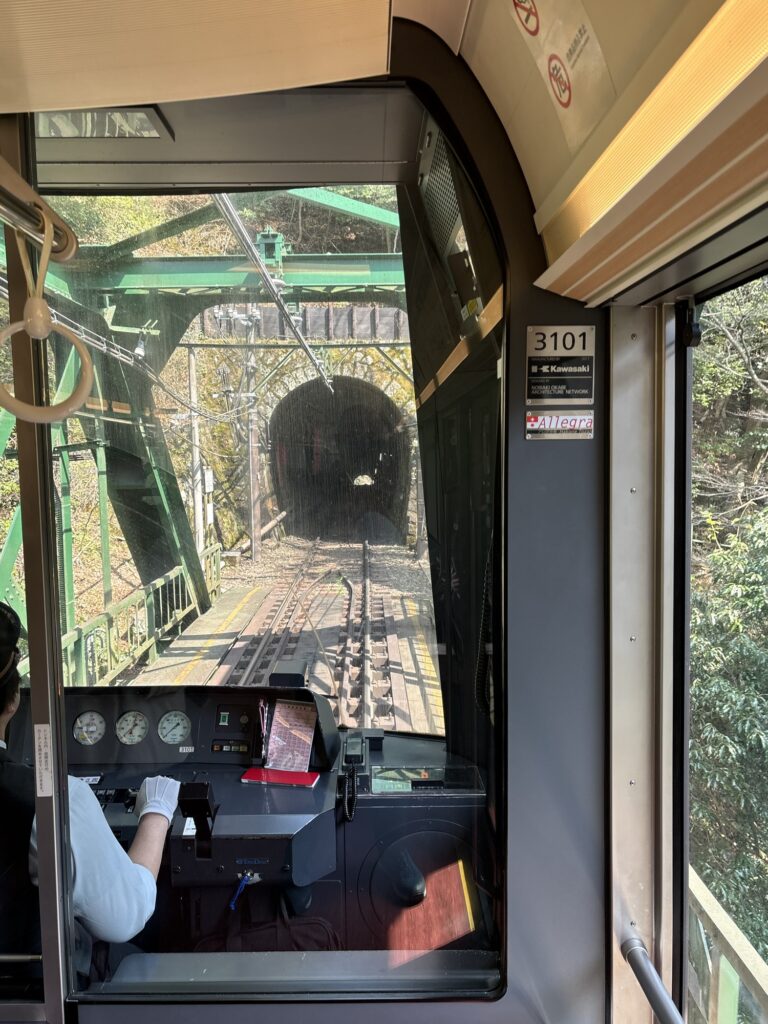
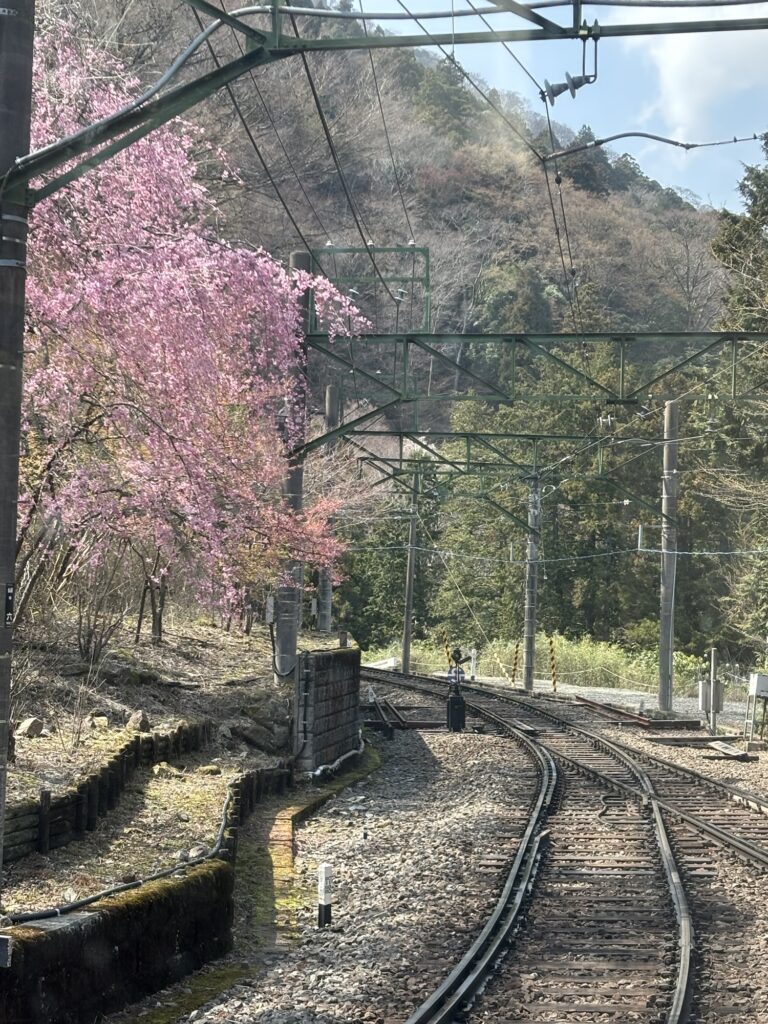
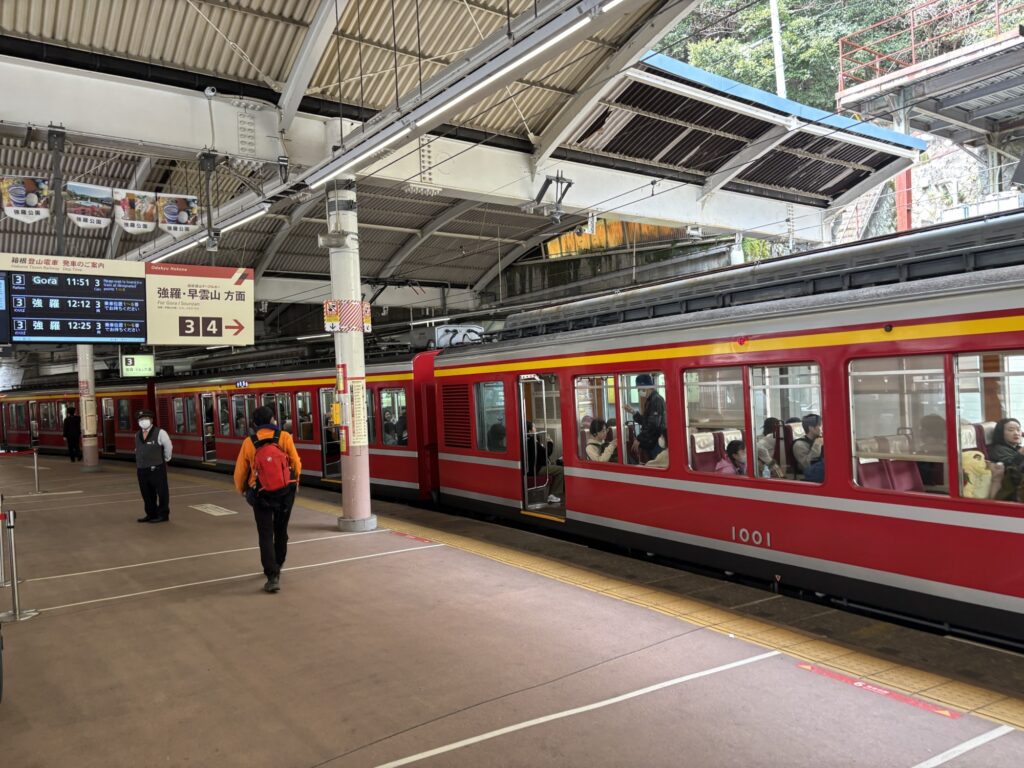
Hakone Tozan Railway (1919), Japan’s oldest mountain line, beginning at Odawara and climbing to Hakone-Yumoto, 108 m above sea level. Here, everyone switches to small red trains that wind through a narrow, densely wooded valley, over bridges, through tunnels, and on three switchback zigzags, where the driver and conductor swap ends and the train reverses to climb an 8% gradient.
At the line’s end, the quiet, touristy town of Gōra (533 m), passengers switch to the Hakone Tozan Cable Car, a funicular that climbs another 214 metres to Sōunzan and Lake Ashinoko. Hiking along the rivers and up the slopes was a bucket list dream.
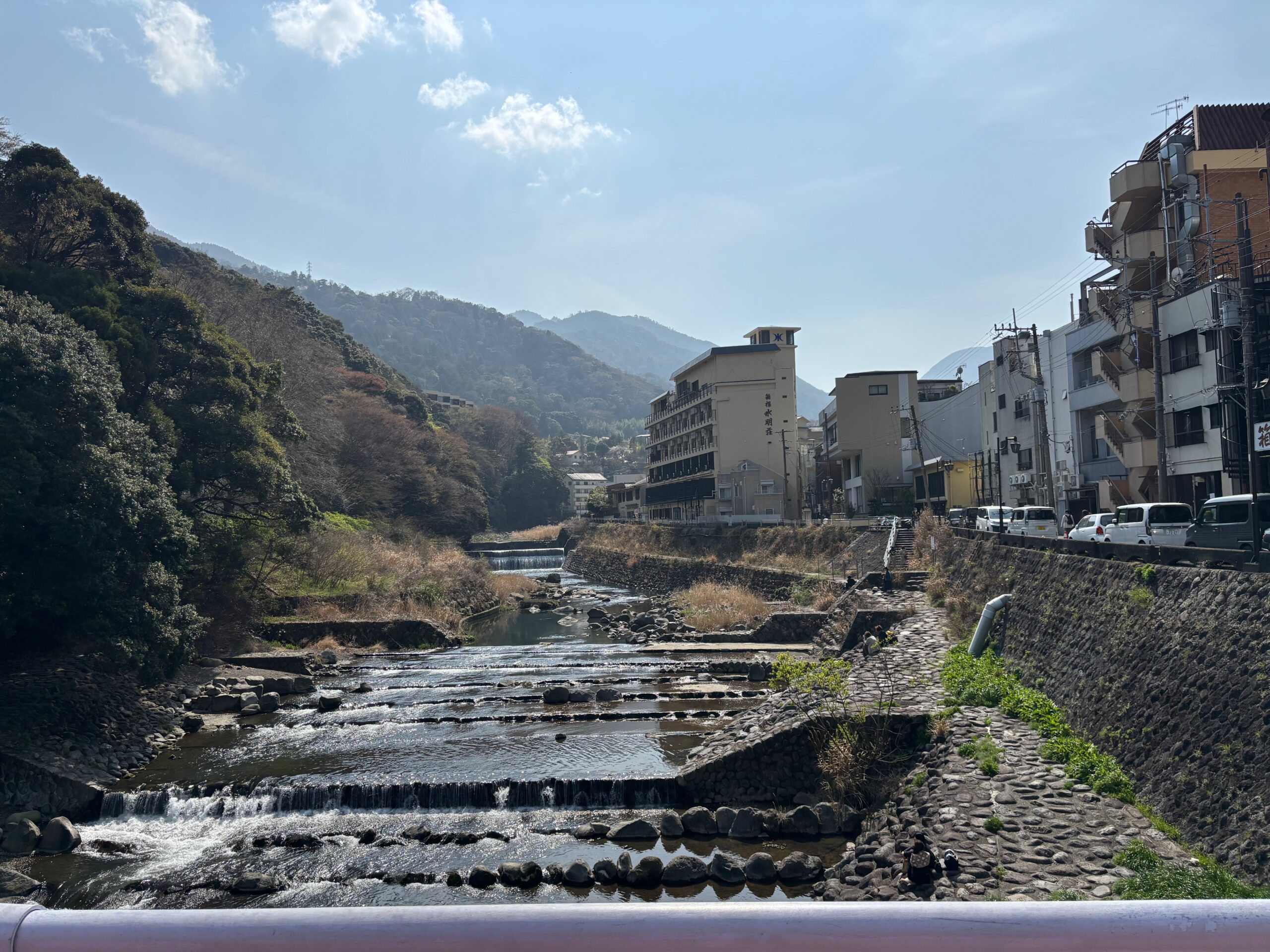
Food: Two Signature Hakone things to eat are Kuro‑tamago (black eggs), which are eggs boiled in Owakudani’s sulphur hot springs. They add seven years to your life. (Or your money back?). The other is Hakone soba. Handmade buckwheat noodles using local spring water, usually with grated yam on top.
Tip: Hakone people really want visitors to follow onsen rules: wash body fully before entering, no swimwear, keep towels and hair out of the water, and dry off before re‑entering the changing area. Many places do not accept people with tattoos, so check ahead and please don’t argue if refused entry.

From Hakone to Fujisawa to Enoshima.
Originally, I planned to stay in Kamakura, but high hotel prices pushed me to a family‑owned townhouse in nearby Enoshima, which turned out to be a great choice. I ended up in a quiet canal‑side neighbourhood with a tiny coffee shop behind me. I could walk to the beach, Enoshima’s island, Fujisawa, and ride the train to places like Kamakura. Day‑trippers and weekenders from Tokyo and abroad have made this town very popular for its hillside temples and shrines, greenery, sea breezes, cute old wooden houses, and narrow backstreets.
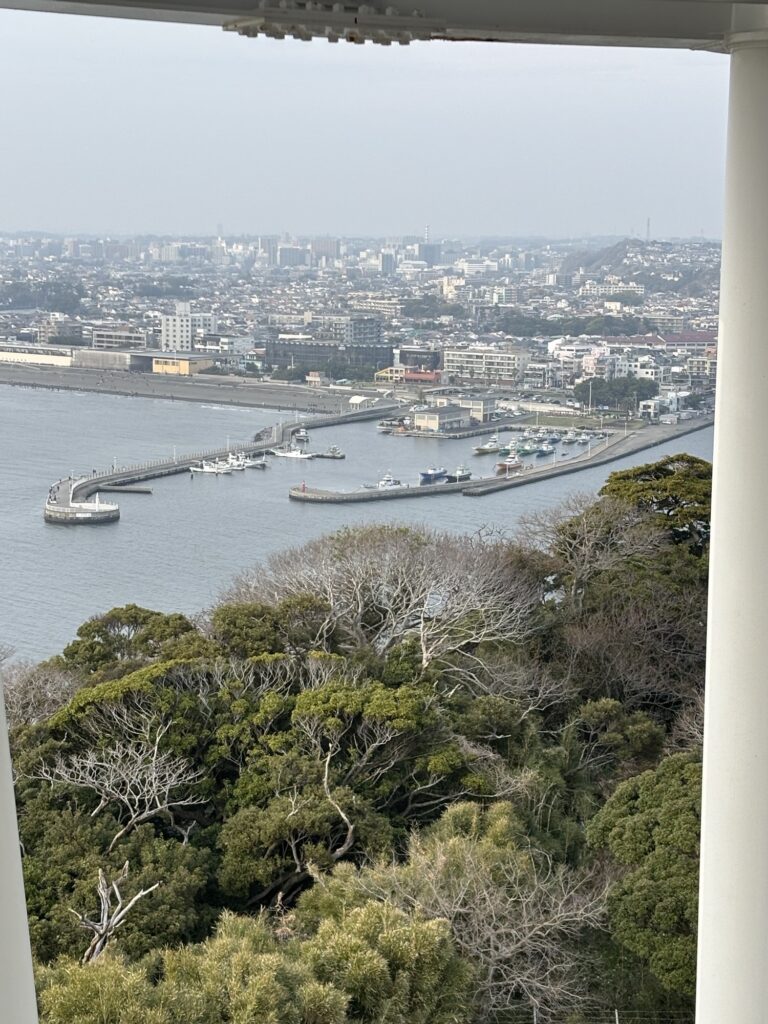
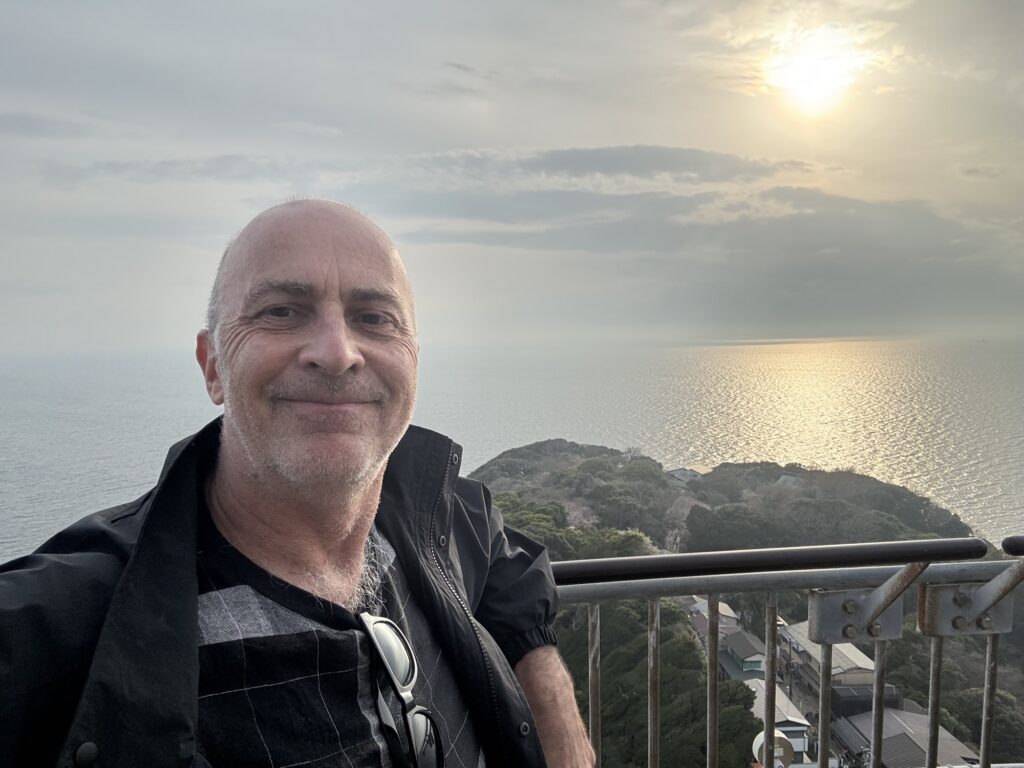
Want to meet Benzaiten, the water goddess of luck and good fortune, who has a fleet of dragons and snakes that can help or hinder mortals? Then come to tiny 0.38 sq km Enoshima Island connected to the mainland by a walkable causeway. Features the 1880 British‑established Samuel Cocking Garden, the 59.8‑meter Enoshima Sea Candle lighthouse with great views, several shrines to Benzaiten, and a strip of seafood restaurants along the water. I love dragons, so hopefully I have a friend or two on my side.
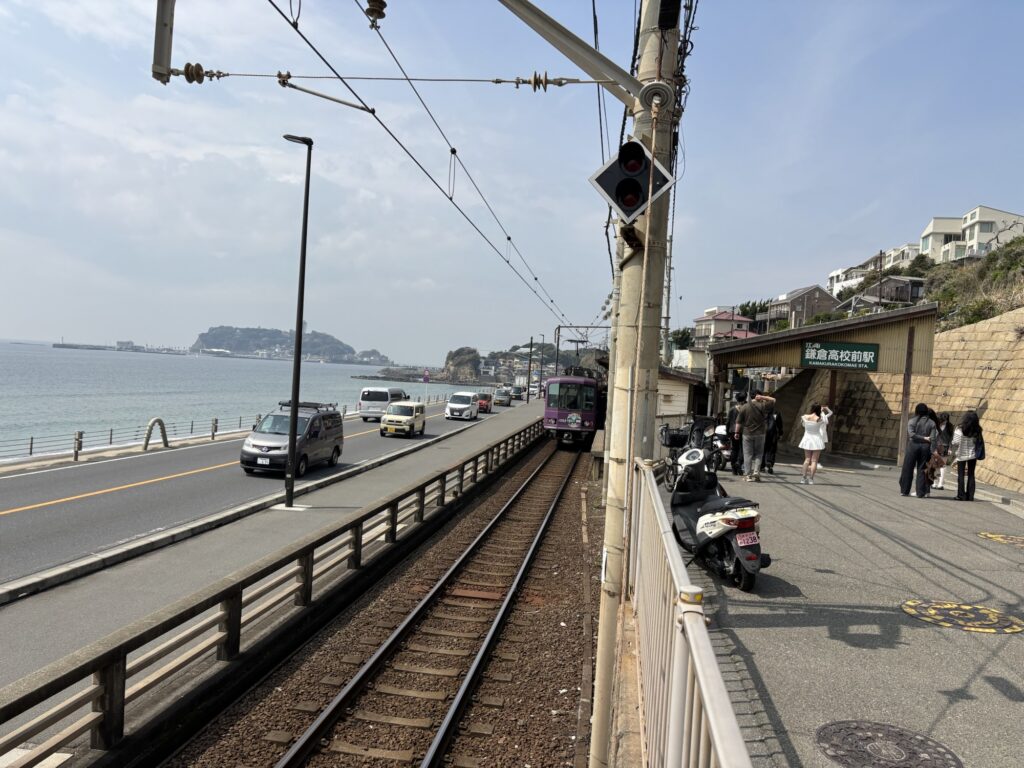
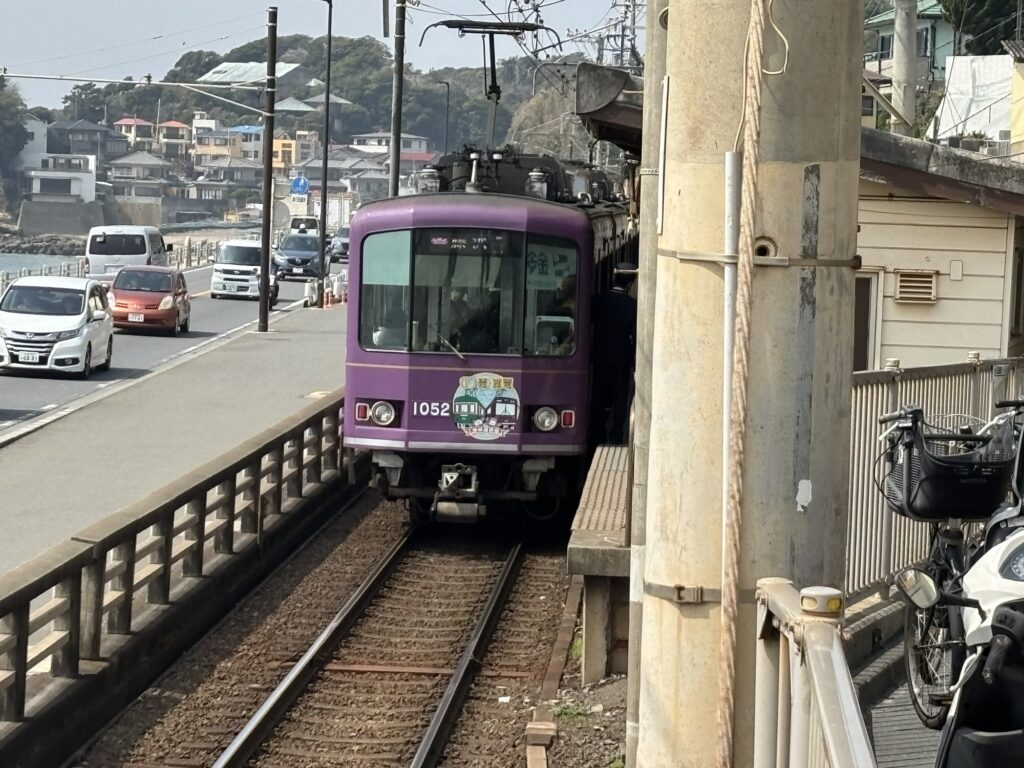
A lonely railway crossing at Kamakurakokōmae Station appeared in the 1990s Japanese anime Slam Dunk, about high school basketball. I joined the thousands of people who come and re‑create that scene at what is now a very busy and not‑lonely place.
Food: Two key things to try around Enoshima and Kamakura are shirasu‑don, a rice bowl topped with tiny whitebait (raw in season, or boiled/soft and slightly salty) that’s a real local specialty, and other shirasu dishes like omelettes or croquettes sold in small shops near the stations and along the coast.
Tip: get your photo shot and then step aside fast so everyone can keep moving. Do not create videos or take photos of strangers. That is a big Japanese no‑no because of privacy and the “do not cause trouble” culture. Locals are not extras in your movie. And do not walk in front of everyone, past the signs and the staff telling you not to, wrecking the photos of 120 people at the famous railway crossing! Hint hint.
Onto Tokyo – one of my favourite cities in the world.
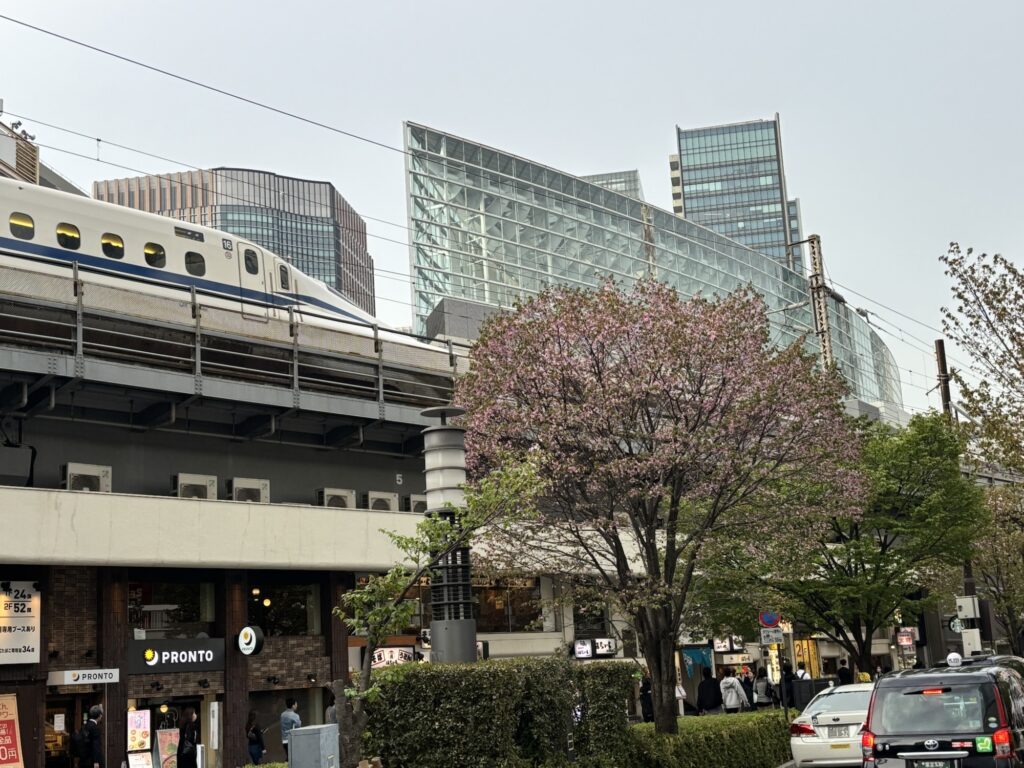

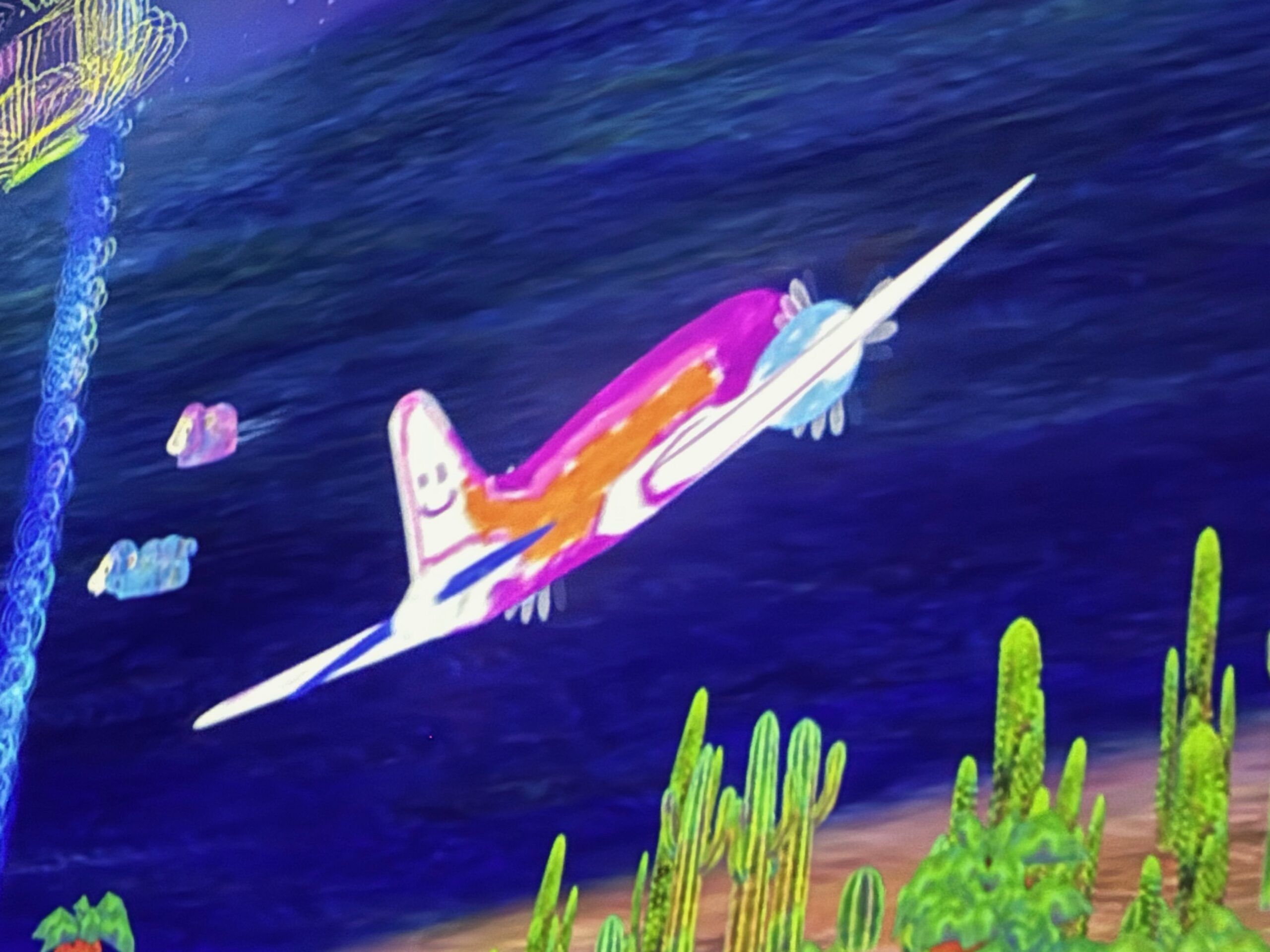
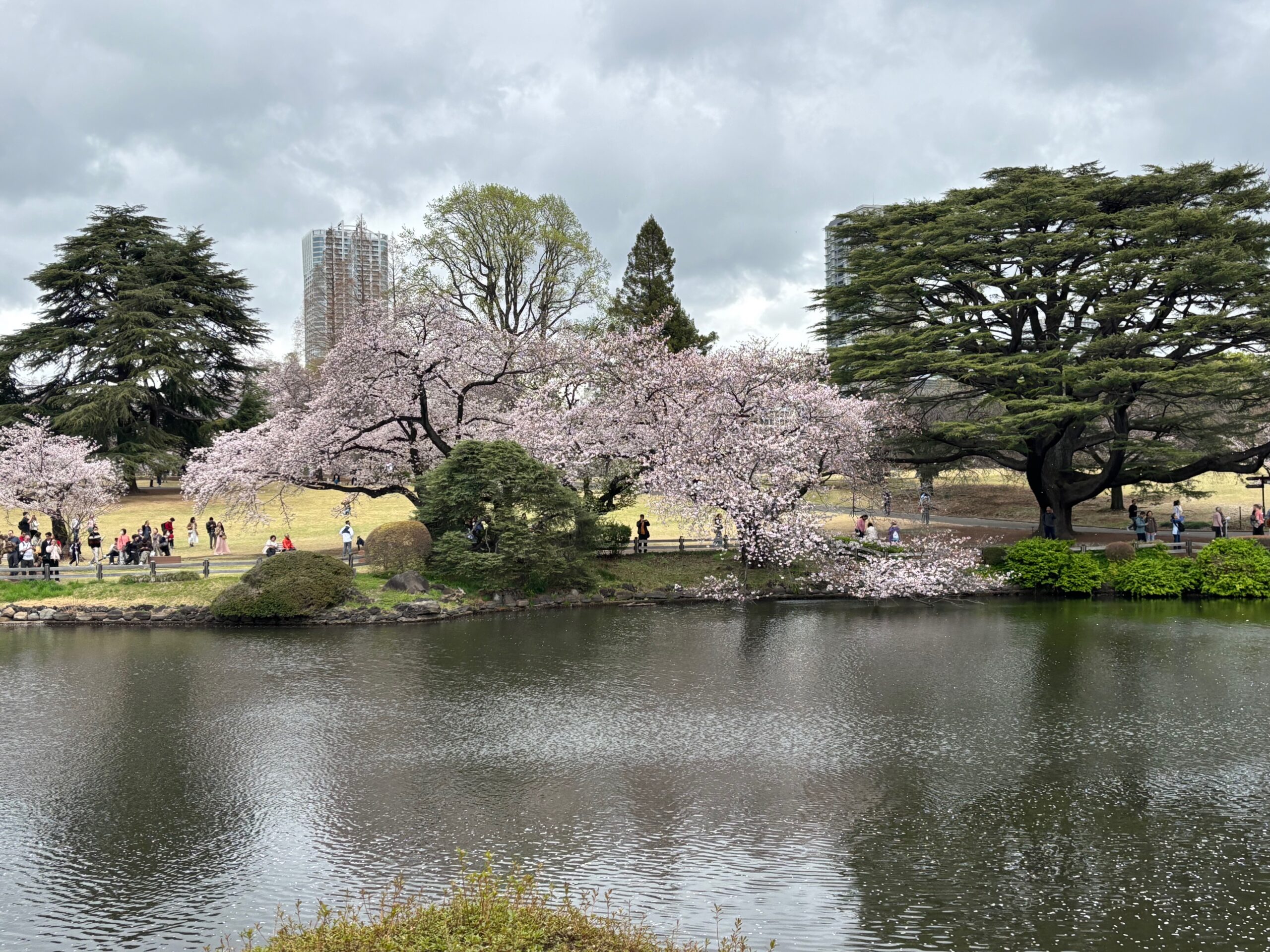
First time I experienced the sensory overload of teamLab Planets. Starting with wading barefoot through digital waterfalls and knee-deep water while koi swim across our feet, and ending up creating a paper plane that flew over a digital Tokyo. Caught stunning cherry blossoms at peak bloom in Yoyogi Park, pink clouds lining the paths. Enjoyed the peacefulness of Meiji Shrine despite the crowds. Enjoyed the brand new Museum of Narrative (MON).
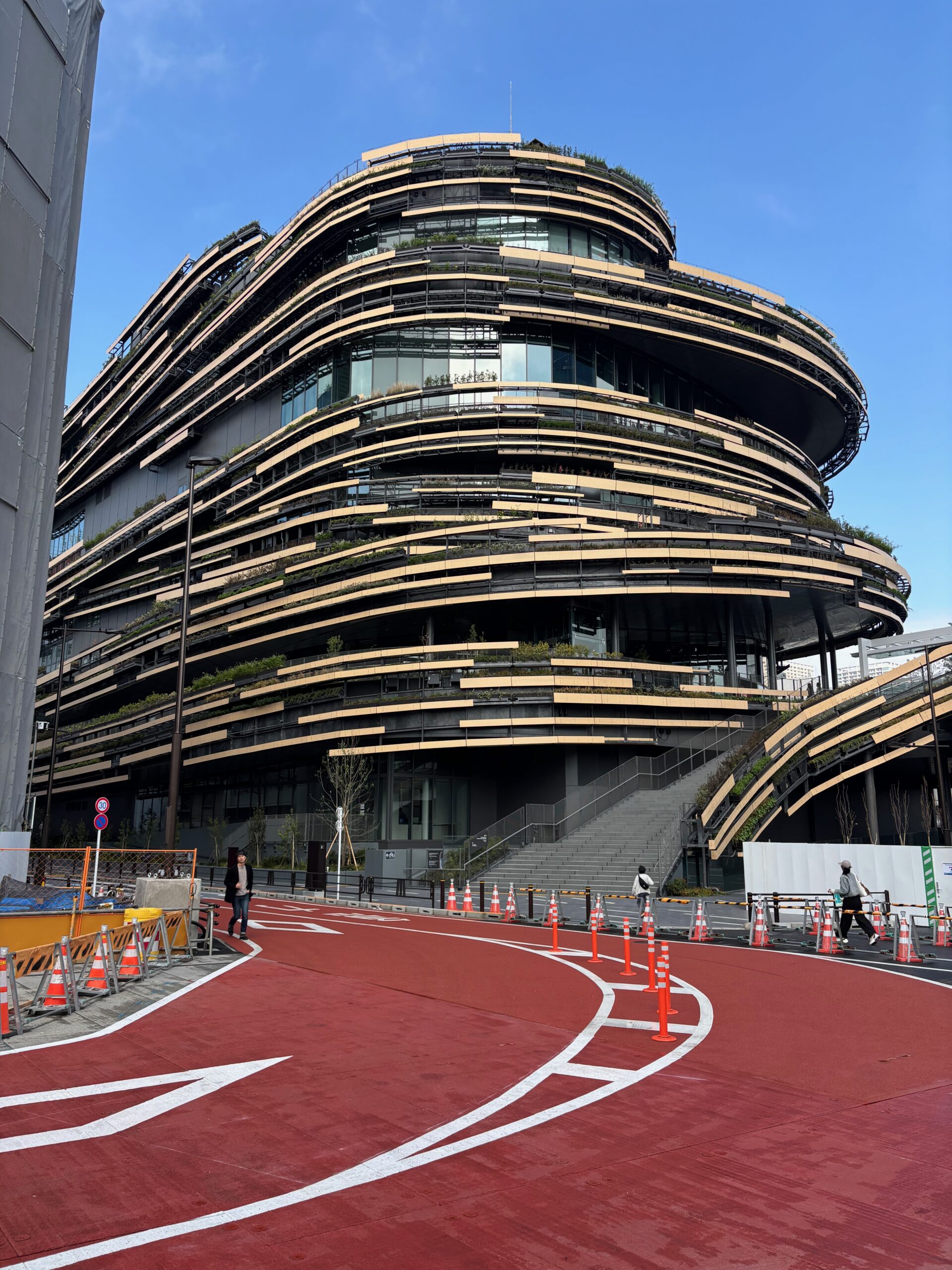
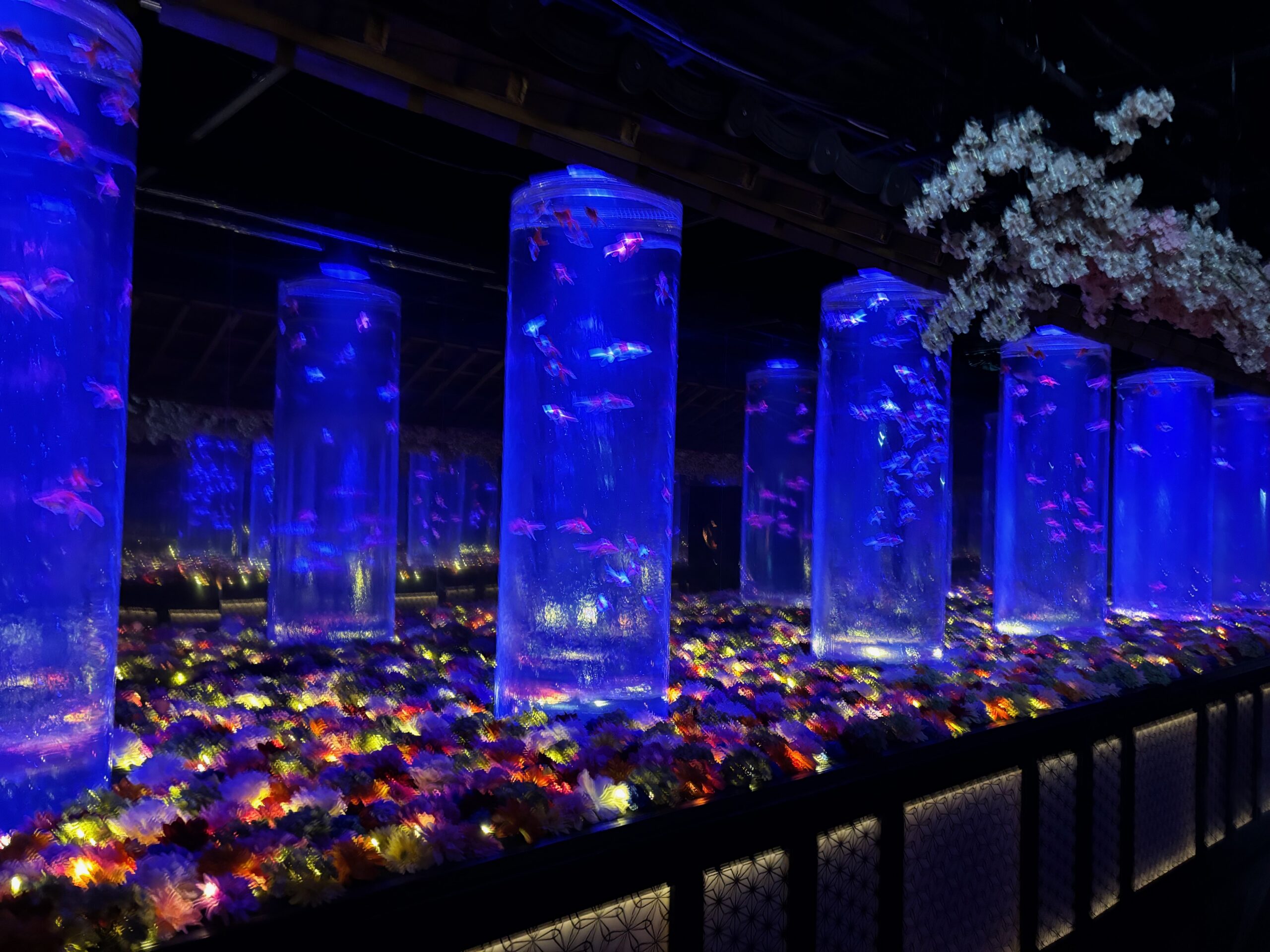
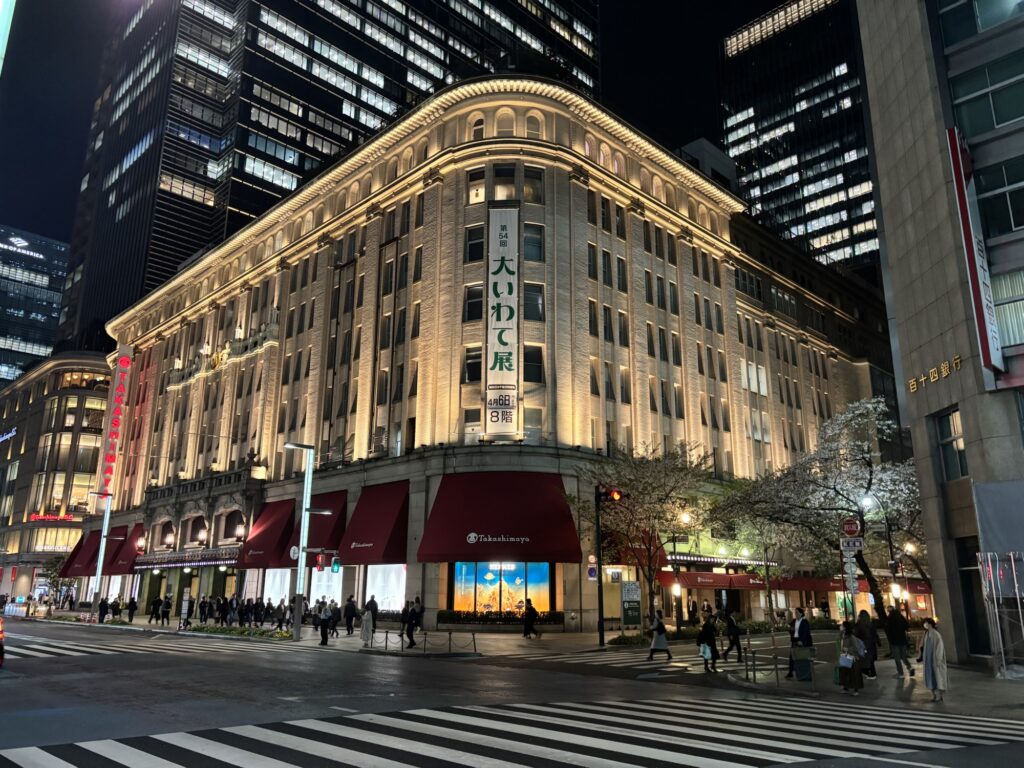
Ginza for Art Aquarium, where 5,000 goldfish swim through illuminated tanks, lanterns, and bamboo-like columns. Shiseido Parlour for high tea after a gallery exhibit. Pola Annex for interesting contemporary art, and then Bic Camera for some electronics shopping. Finished 450 metres up at Skytree, which towers 634 metres over the city. Japan’s tallest structure and the second tallest in the world. Sadly, views were obscured by clouds.
Tokyo
Food; Tokyo is one of the best food cities in the world, with everything from cheap street snacks to high‑end sushi and kaiseki. The two main things I always try are Sushi and sashimi, and Ramen (shoyu, tonkotsu, tsukemen, etc.) in small specialist shops across Shinjuku, Shibuya, and Ikebukuro
Tip: : Be on time and don’t be a no‑show. Punctuality in Japan is really about respect, not just clocks.
.
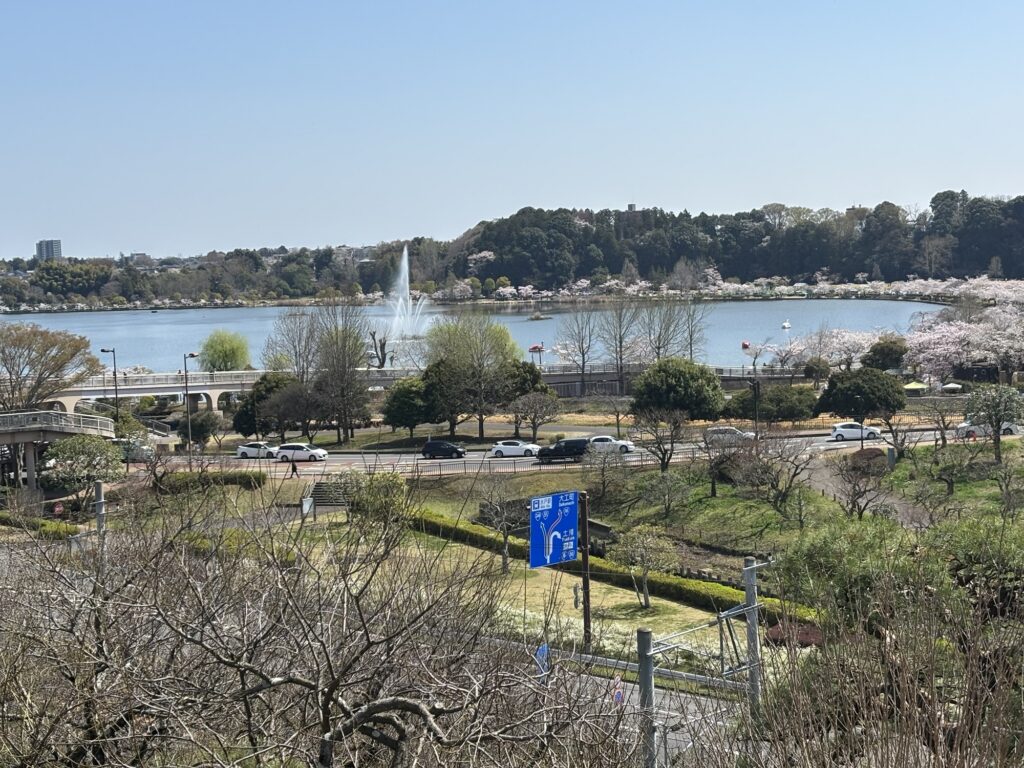
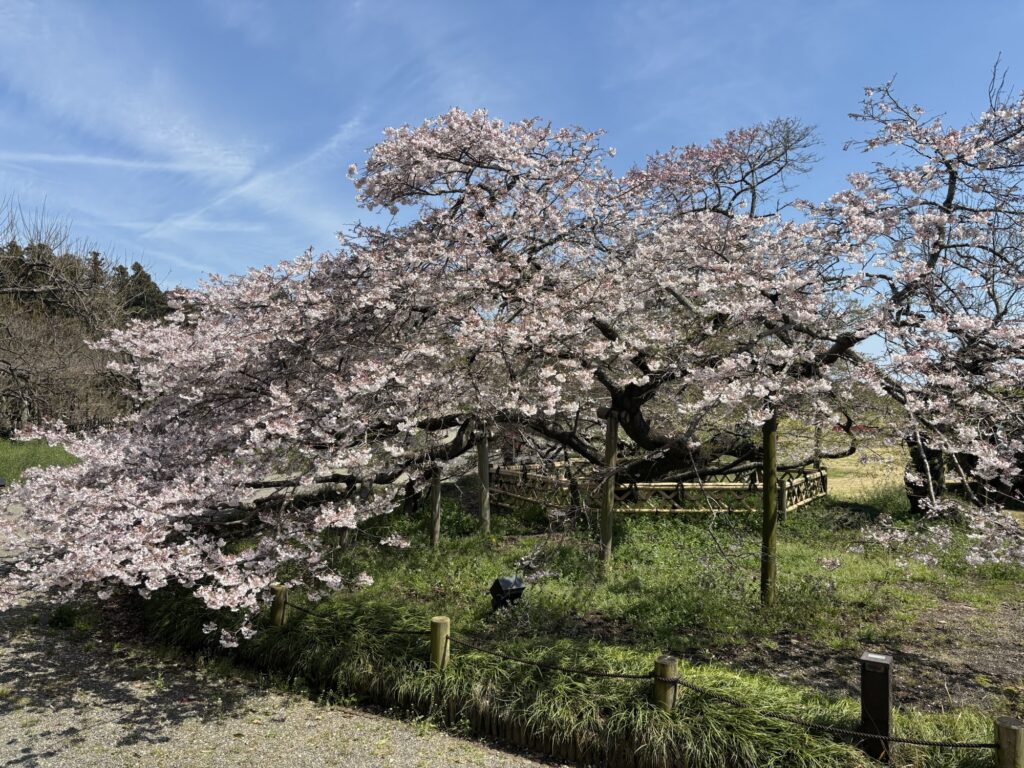
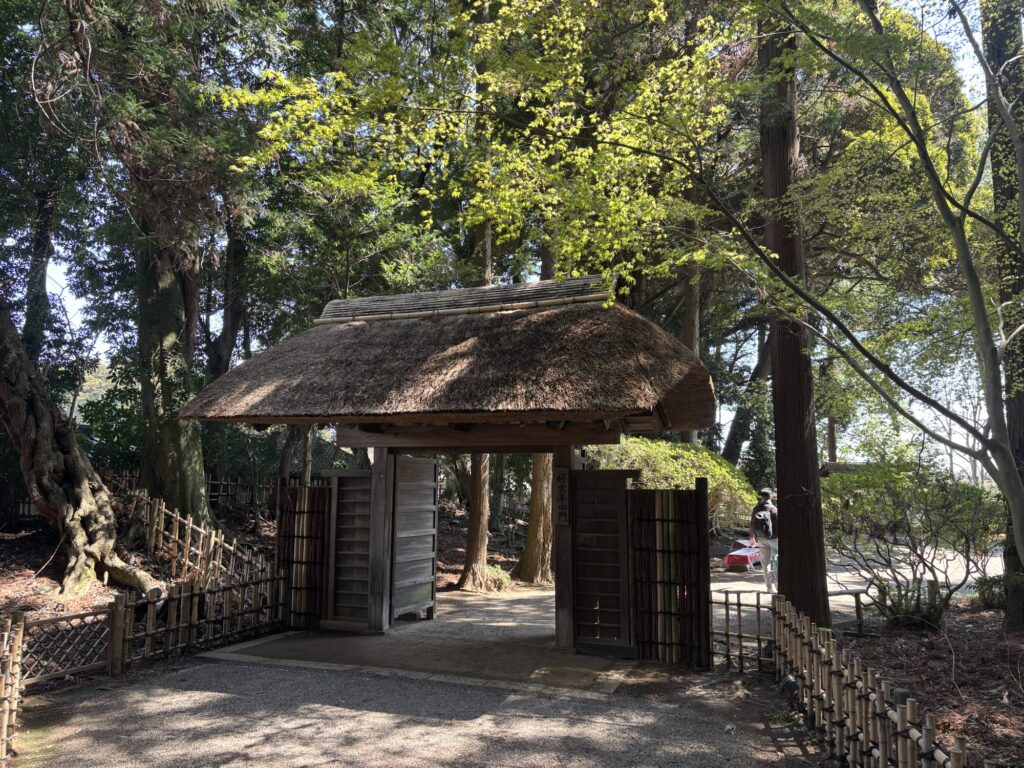
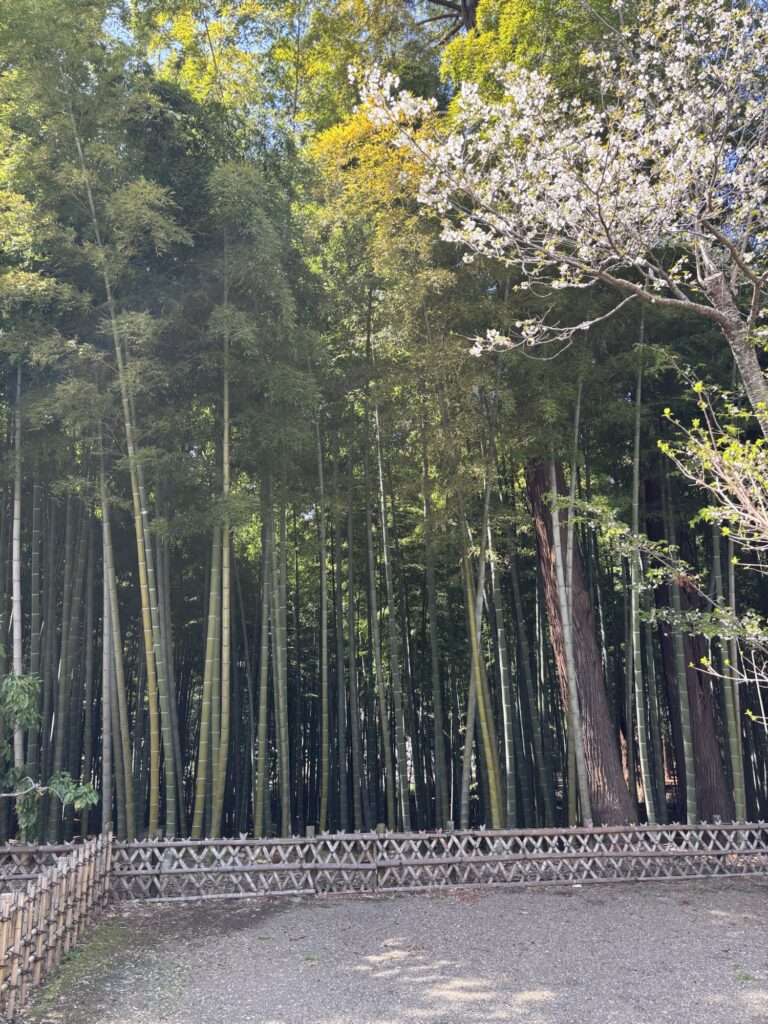
Joined commuters for a ride up to the dormitory town of Mito, about an hour and a half from Tokyo, to see Kairakuen, one of Japan’s three great gardens, along with Kenrokuen in Kanazawa and Korakuen in Okayama, which I visited last year. Opened in 1841, it has about three thousand plum trees, ponds and bamboo groves spread over a broad slope above the town, with views towards Lake Senba below. Inside the grounds there is Kobuntei, a traditional wooden villa built by the local lord as a rest house and guest space, with tatami rooms, painted sliding doors and an upper floor with views over the garden and the lake, which requires a separate entry ticket. I ended an intense day at our business hotel with an onsen and then off to a local for an amazing bowl of local udon.
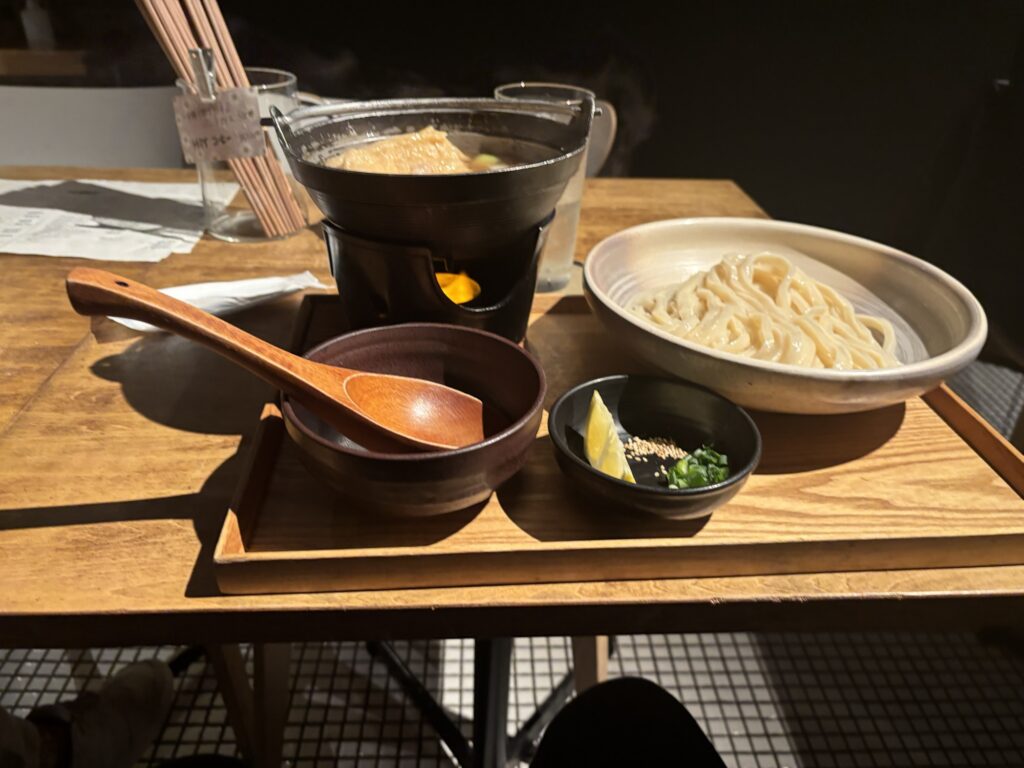
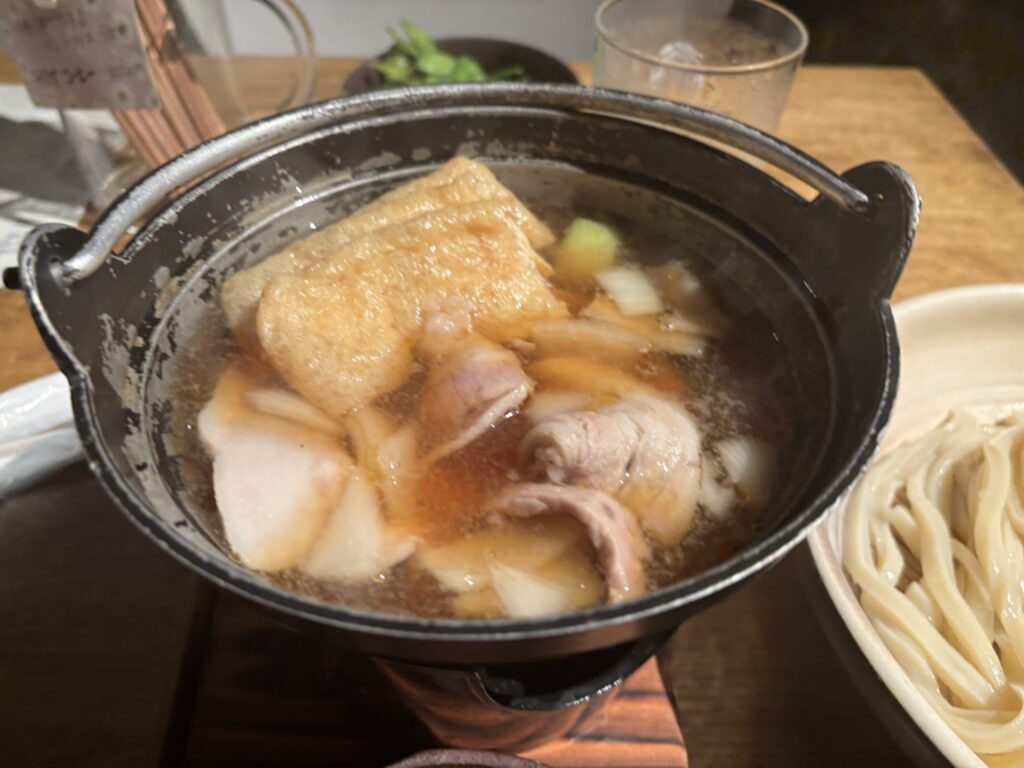
Food: We started with Mito natto, small-bean fermented soybeans in straw-wrapped sets, and then enjoyed a bowl of udon. The natto also comes served over rice or folded into omelettes.
Tip: In many Japanese restaurants, you order from a machine or via QR code, use the provided wet towel to clean your hands, say “itadakimasu” before eating, avoid sticking chopsticks upright in rice, eat off a tray, do not tip, and it is fine (and even polite) to slurp your noodles a bit
Sendai, the “City of Trees”,
Ninety minutes on the fastest Shinkansen, the Hayabusa, or a slow, beautiful trip along the coastal Jōban Line through the 2011‑tsunami‑devastated communities brings you to this city established in 1600. Check out my blog post on the city.
The city centre sits on a green terrace about 40 metres above sea level, which is why it escaped the 2011 tsunami. Key sights: AER free observation deck gives an instant sense of Sendai’s size, grid and greenery, from the city centre to the mountains. Sendai Castle hilltop ruins with sweeping city views and a statue of the one‑eyed warlord founder on horseback. Nearby is Zuihoden Mausoleum, the founder’s richly decorated resting place in a quiet cedar forest. Stroll the Ichibancho shopping arcades and Jozenji‑dori Avenue, everyday shops, cafes and bars where locals actually spend their time. Beautiful and practical.
Food: Two Sendai specialties to try are gyutan, charcoal‑grilled beef tongue usually served as a set meal with rice, soup and pickles, and zunda, a sweet, bright green mashed edamame paste often eaten on mochi or in shakes and soft‑serve.
Tip: One of the main things Japanese people want foreigners to understand is that “don’t cause trouble for others” is a core idea. Your freedom stops where it makes life harder or uncomfortable for the people around you. Rules are therefore social agreements, not suggestions. Many Westerners treat local rules as negotiable; in Japan, they are much more like a social contract that everyone is expected to honour.
For Japanophiles, how many of these places are on your favourites list, what do you think of my tips, and what do you think I am missing?
Related Posts

Leave a Reply