

I always said I’d never visit Japan in peak sakura season.
Too busy, too expensive, too intense.
And then I did.
I described my 12 marvellous days yesterday.
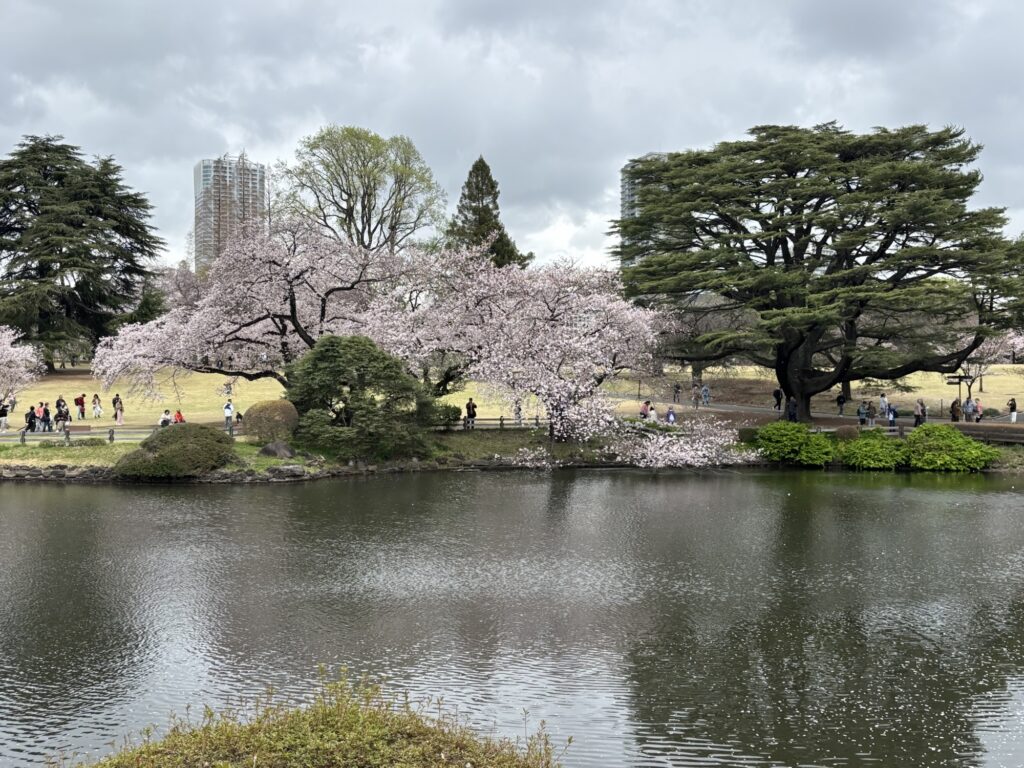
It was beautiful.
It was also crowded, overloaded, and at times exhausting.
Here are a few things I did that helped, and that I’d do again.
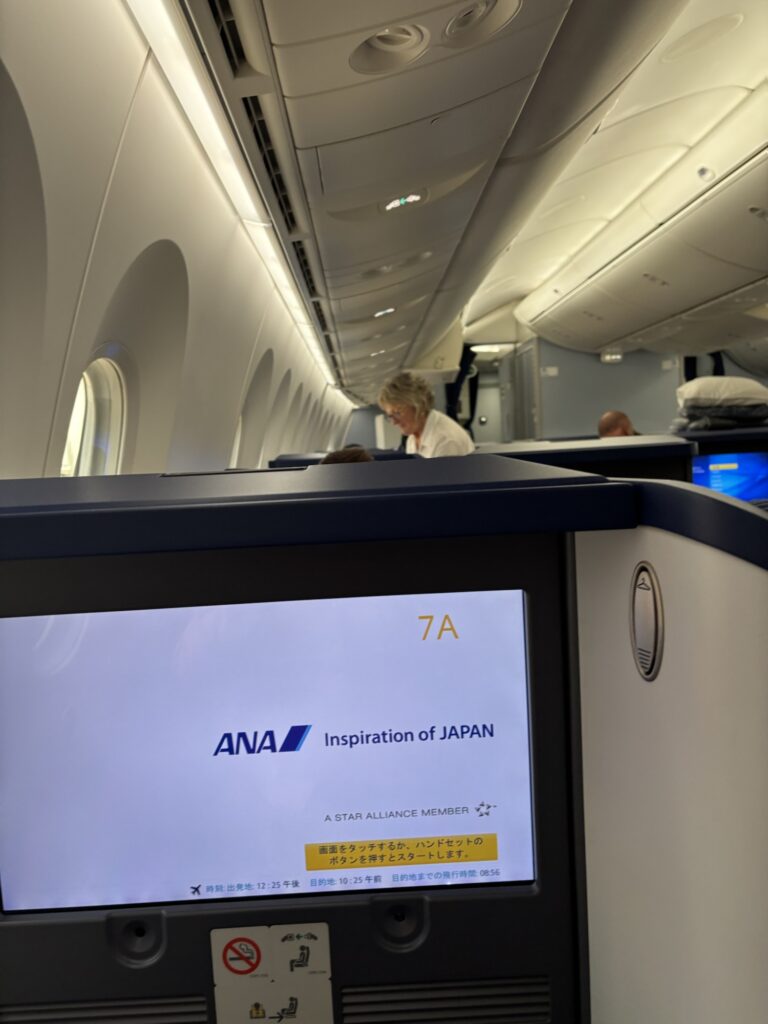
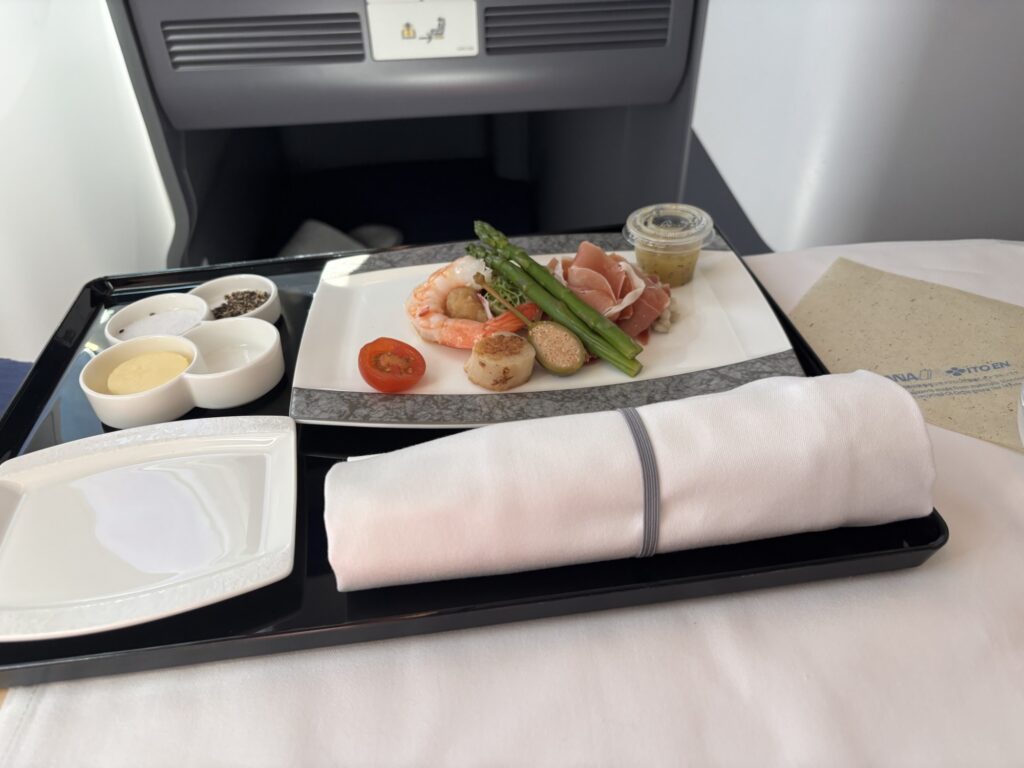
1. Book way ahead: Sakura season is the busiest time of year in Japan, and flights and hotels fill up quickly. I started searching as soon as I had decided on dates. I found and snapped up an amazing ANA business-class ticket from Australia to Europe with two Tokyo stopovers for less than the Sydney-Tokyo flight alone would cost. This trip will also earn me enough points to maintain my Star Alliance Gold status.
Today, the fare I booked months ago is a real bargain. The same ticket now costs about three times as much.
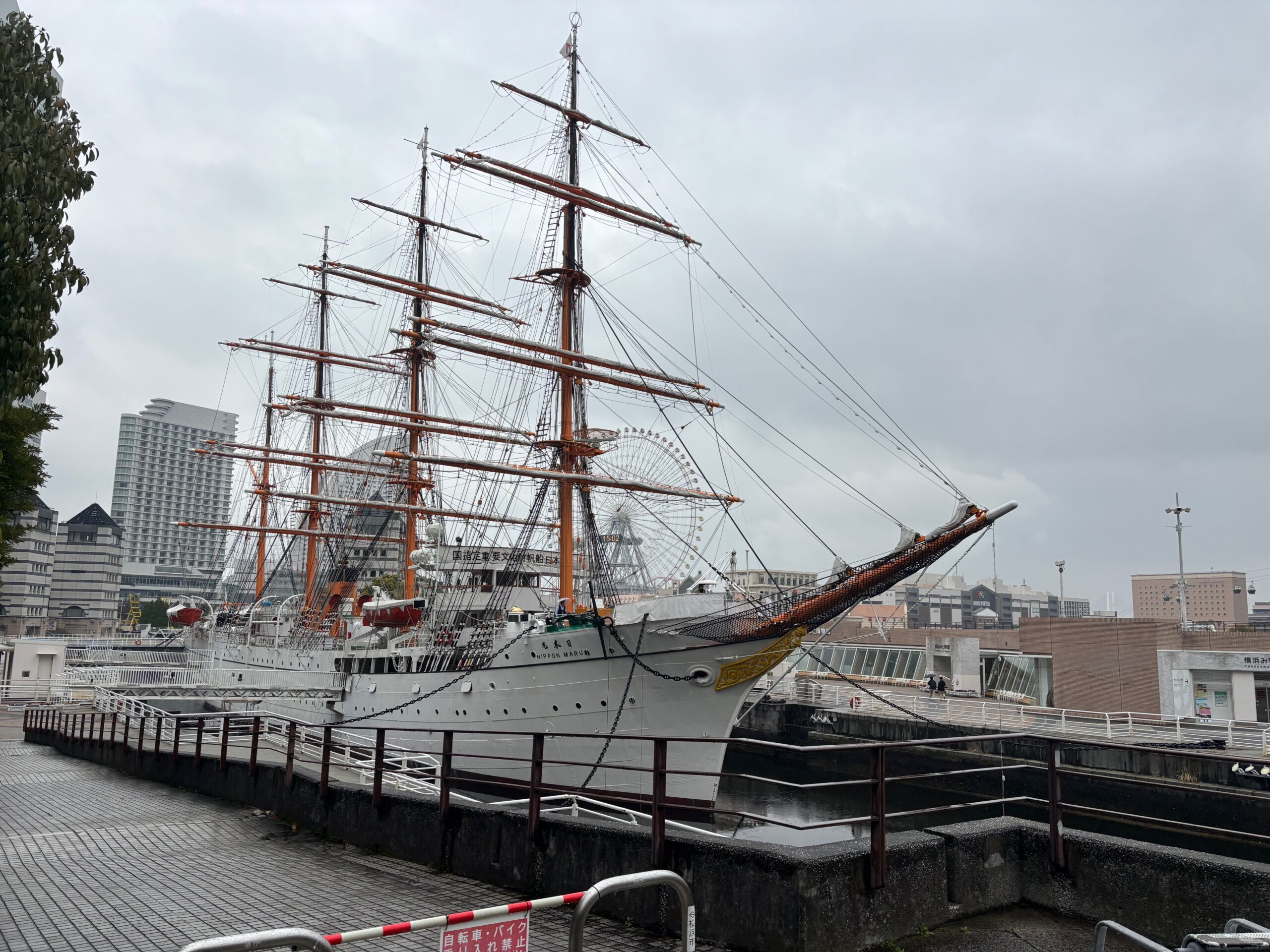
2. Stay near the hotspots, not in them. For two of my “Tokyo” nights, I based myself in Yokohama instead. It’s still a big, vibrant city, but it feels calmer, with fewer international tourists, much cheaper hotels and easier restaurant bookings. Trains to central Tokyo run frequently — the ride from Yokohama to Tokyo Station is around 25 minutes on regular JR services.
Likewise, I avoided staying in Kamakura itself and chose a nearby area that was cheaper, quieter and more local, while still being close enough for easy access. It felt like having one foot in the action and one foot in a more relaxed, everyday Japan.
3. Switch from stays to days: In places where hotel prices were beyond ridiculous, I didn’t stay at all. I skipped staying in Nagoya for that reason. Instead, I passed through, threw my stuff in a train station locker (IC cards like Suica/PASMO make that easy), spent a full day exploring and moved on in the evening. The place I stayed, just outside Nagoya, cost about a quarter of what the cheapest hotel room in the city would have cost. That one decision gave me the experience of the city without paying the full sakura-season accommodation tax.
4. Support local: It’s tempting to automatically book with the big international chains. I deliberately choose independent places as much as possible, including local business hotels and family-owned apartments instead. They were cheap, spotless, quiet, very well-equipped and often came with little bonuses like onsen access. Staying local made me feel more connected to the neighbourhood instead of just bouncing between tourist bubbles, and it meant my money was more likely to stay in the local community.
5. Cash in points as a “pressure valve”: My Accor and IHG points were useful in high-cost locations such as Tokyo. I used points for the most painful nights, price-wise. This was a way to “upgrade” into a more comfortable hotel for the price of a hostel bed!
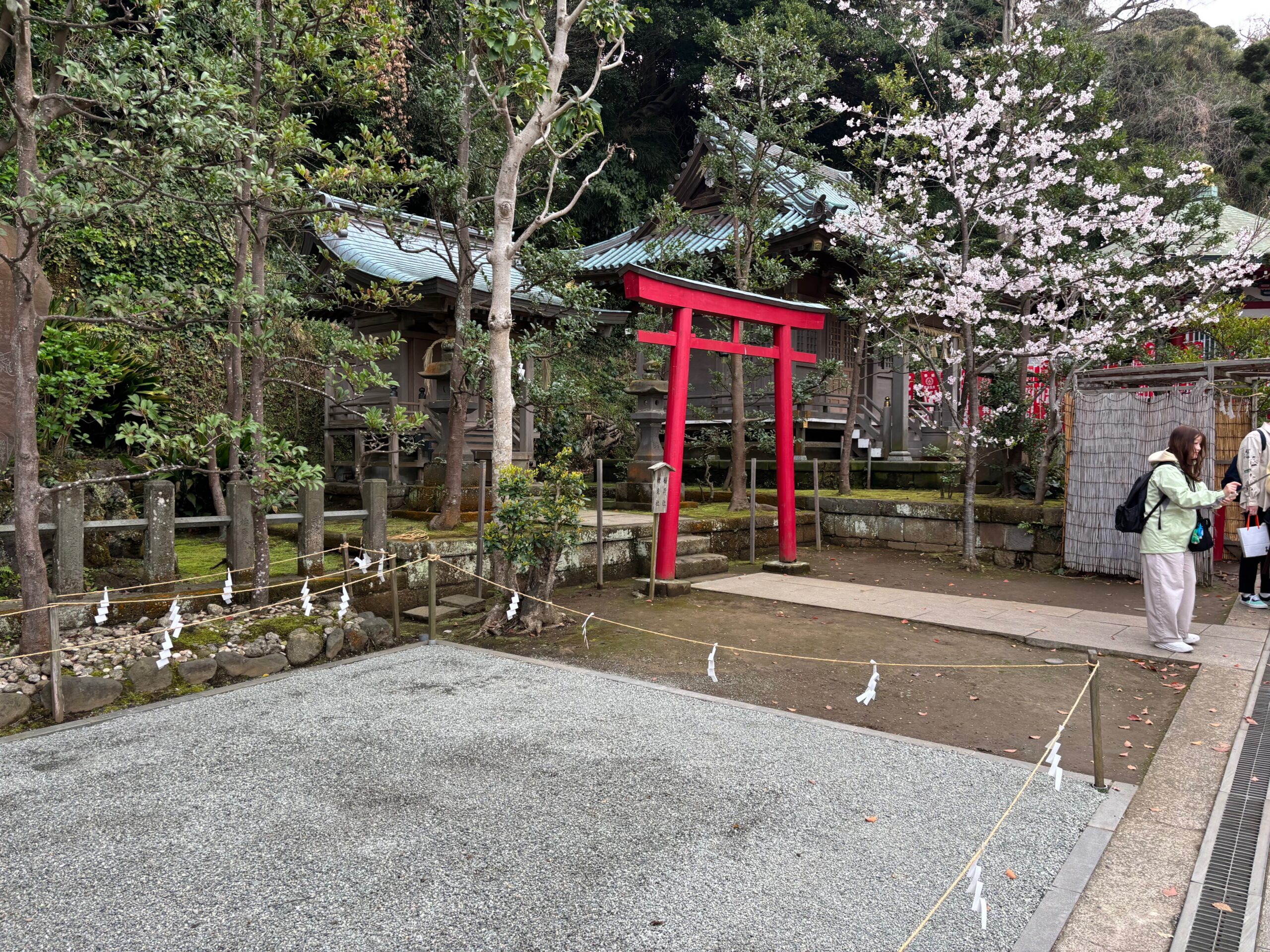
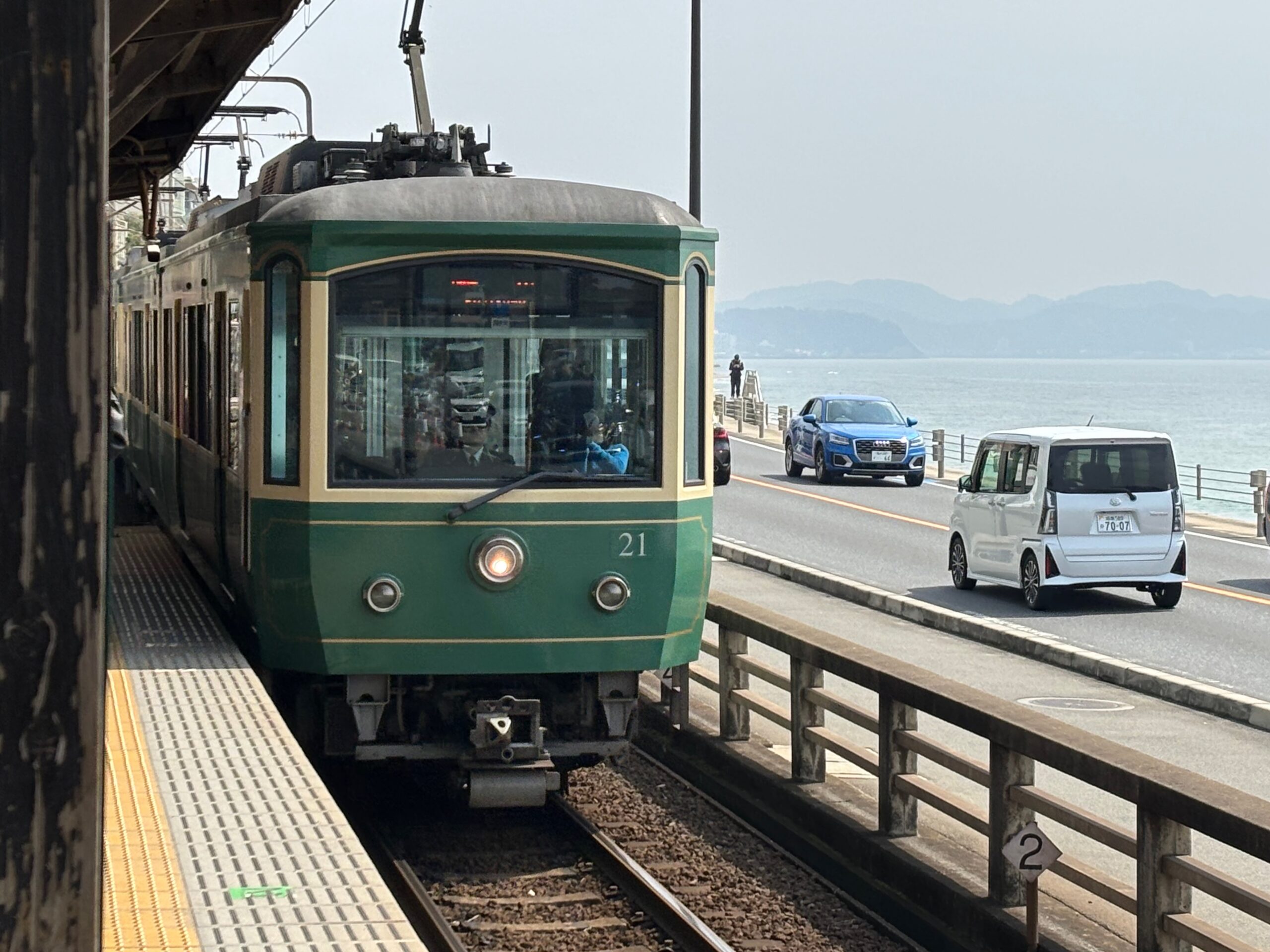
6. Choose alternative day trips and timings: When the classic spots felt too intense, I looked for “side-door” versions. Instead of only doing the busiest, most Instagrammed temple-city combos, I gave more time to places like Enoshima or leaned into off-peak times of day.
Not chasing every “must-see” made it feel like a holiday again, not a checklist. I tried to travel a little “against the grain”: early trains, late lunches, wandering side streets while everyone else lined up for the same five photo spots. You don’t have to “do” a city or a country.
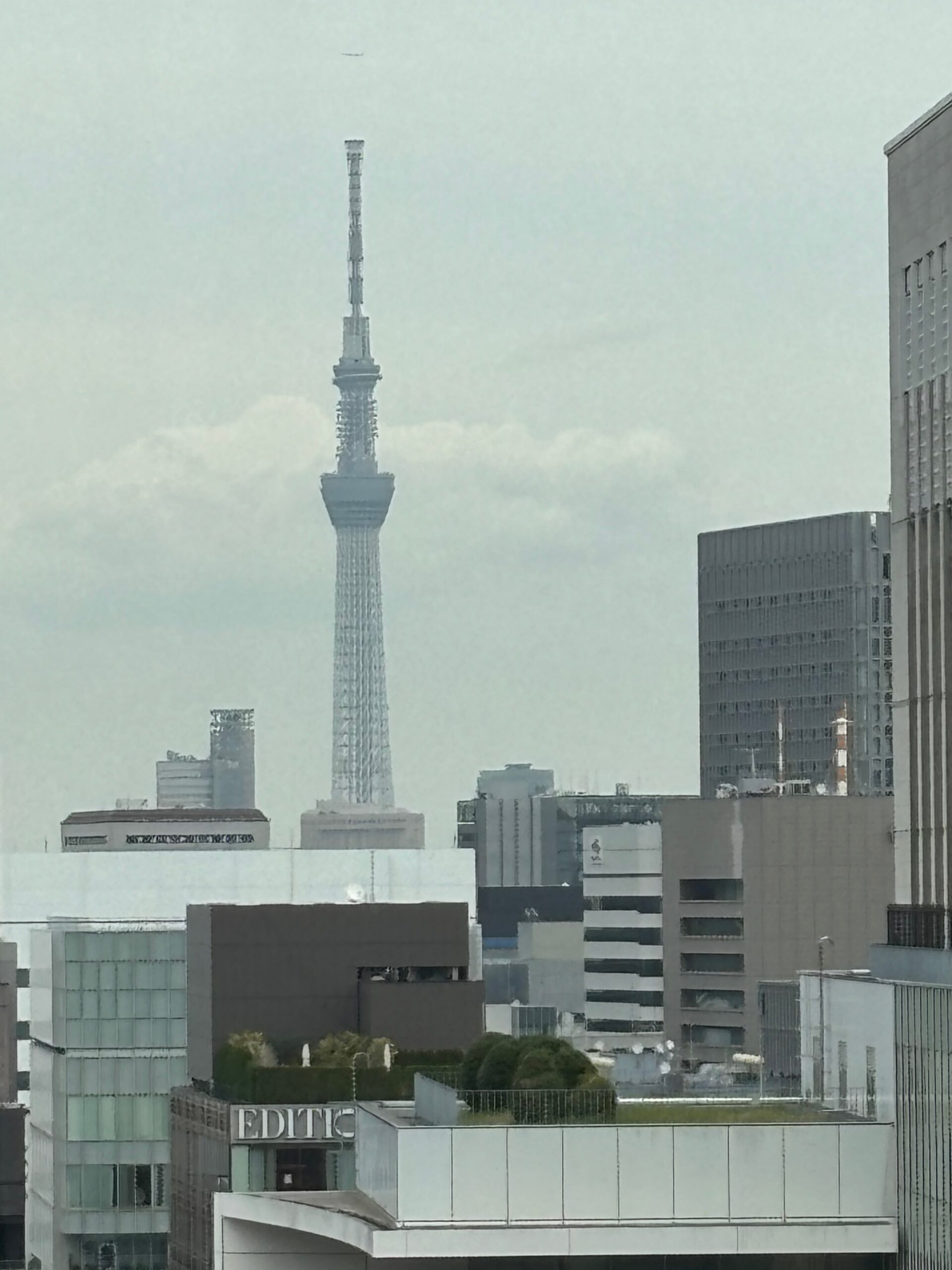
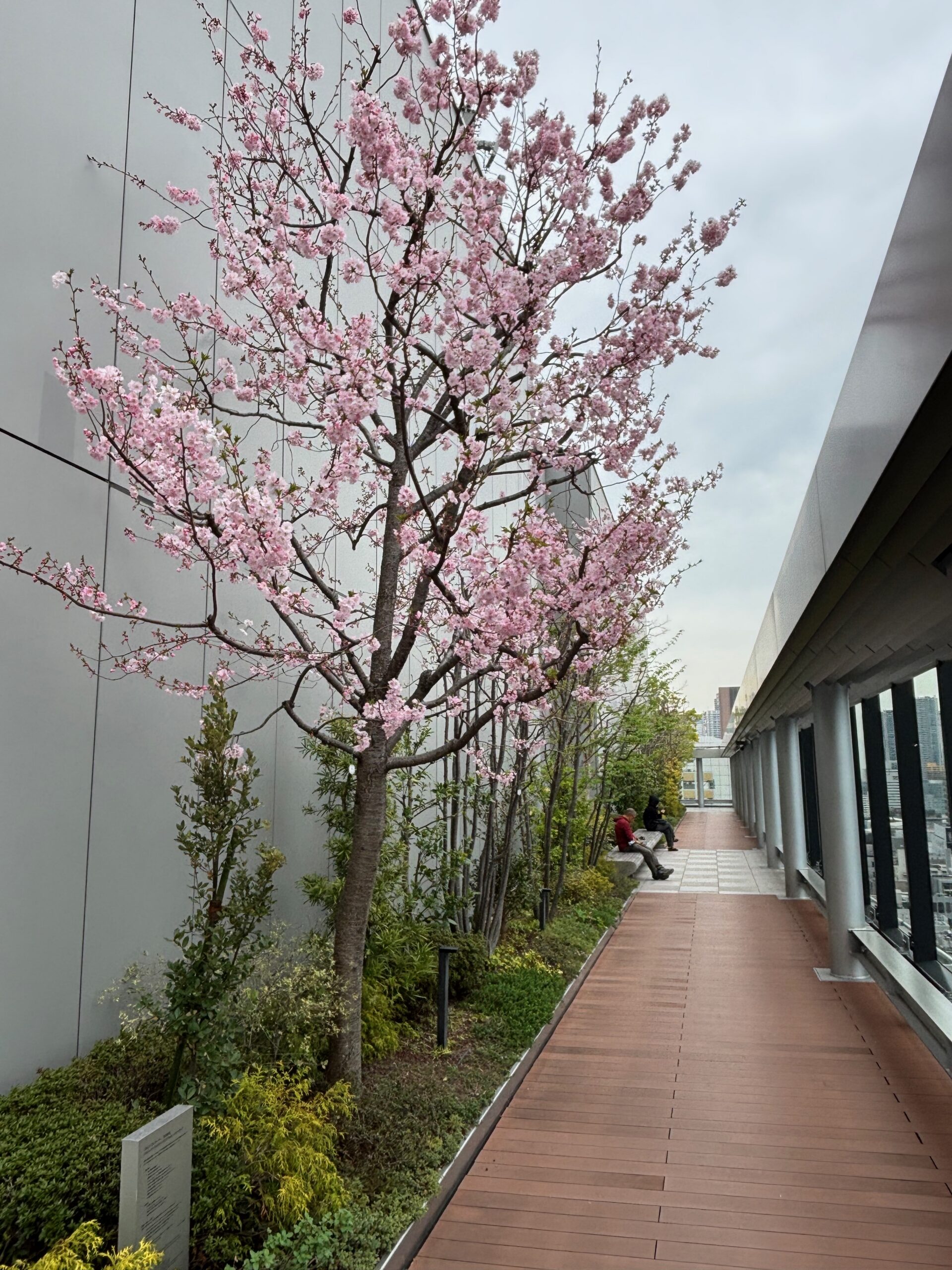
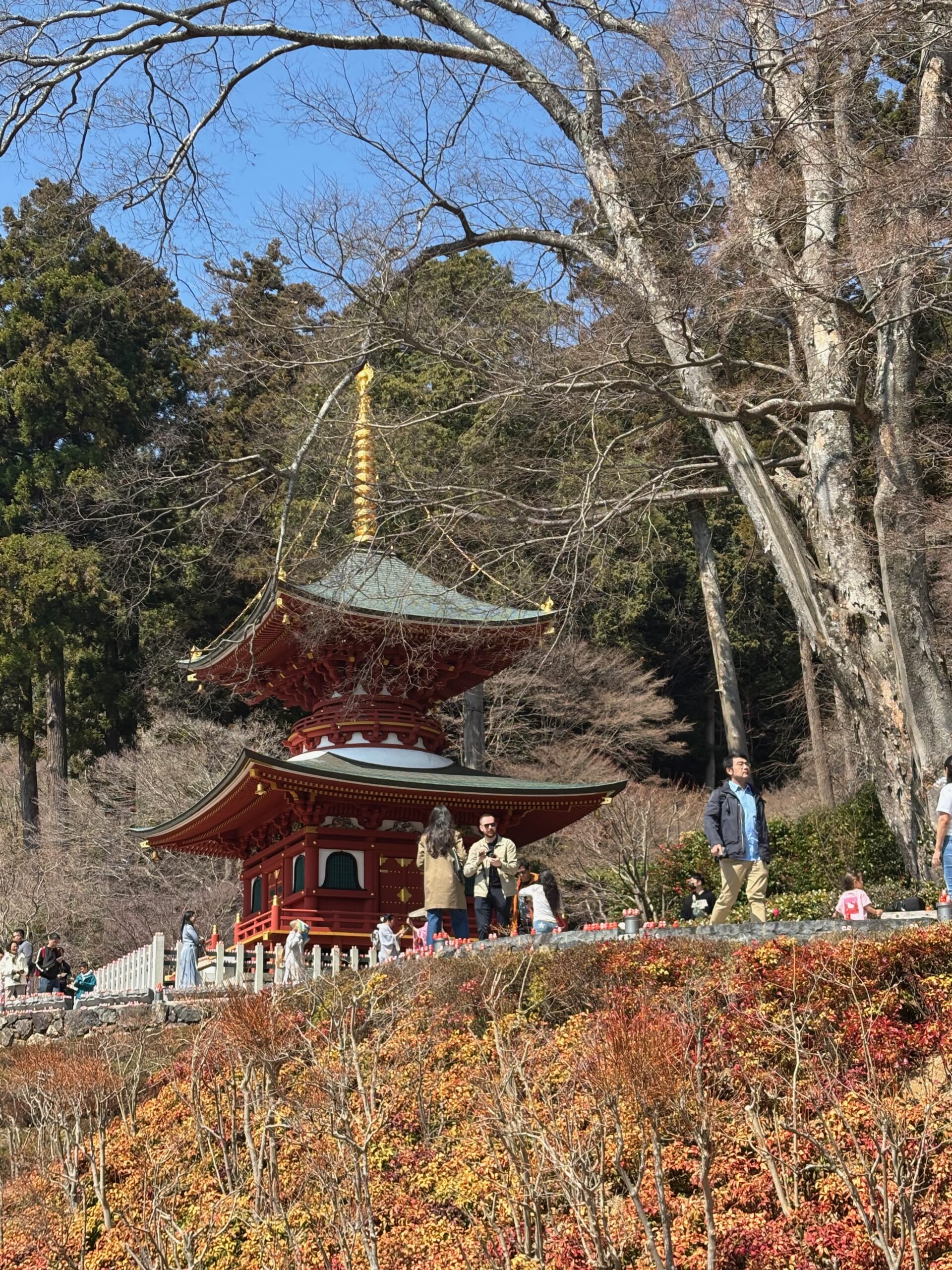
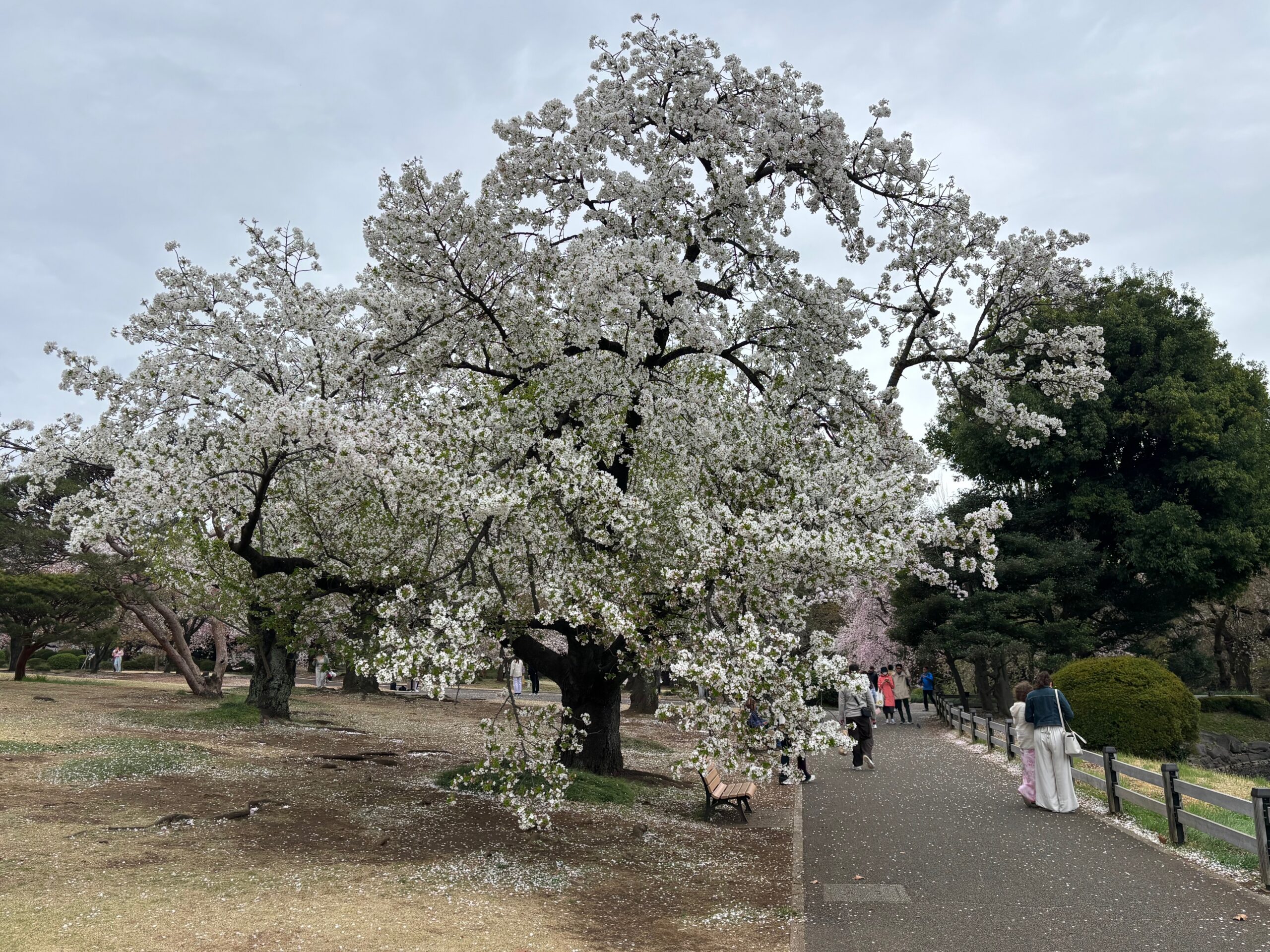
7. Visit attractions at off-peak hours
Go early or late. I try to visit the big-name attractions at opening time or later in the evening, when there are fewer people, and it’s less exhausting just to move through the space.
8. Book ahead to avoid standing in huge queues. I also look for passes that include skip-the-line or express entry, because I’d rather spend that time actually inside the place than stuck outside watching the day disappear. Choosing timed-entry slots is so easy to do in Japan. People can be intimidated by Japanese websites as they often have more complicated processes than their English equivalents, but persevere.
9. To rail pass or not. People obsess over is whether to buy the Japan Rail (JR) Pass. I always look carefully at the cost–benefit for my trips, and to date, after six trips there, I still have not bought a Japanese rail pass. I actually find that just using the IC card system (Suica and ICOCA) and buying tickets as I go works for me. I am not paying upfront for a pass I may not fully use on every day it covers. Other travellers will come to a different conclusion, depending on how far and how often they ride the trains, but this is the choice I have made for the way I travel.
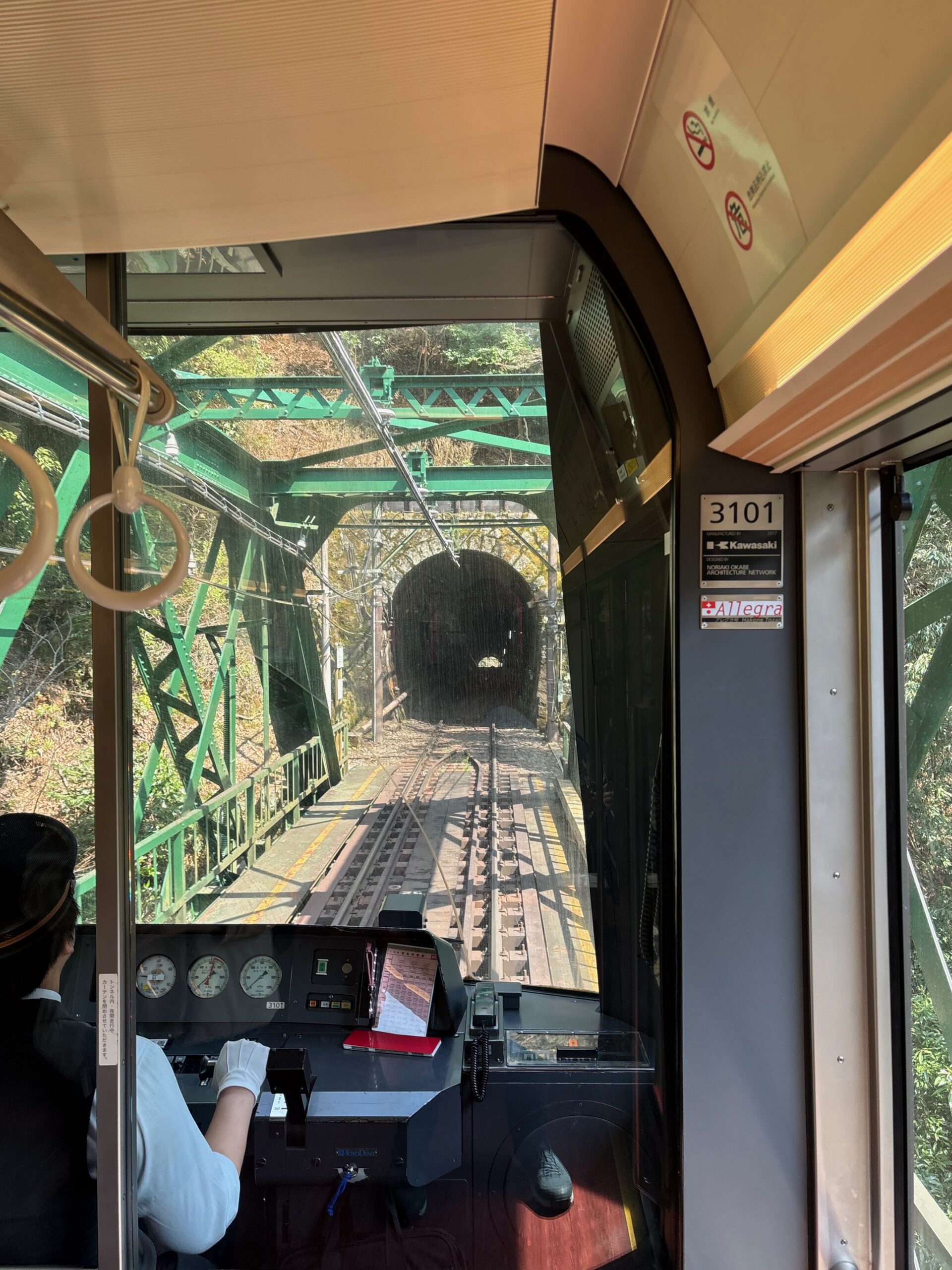
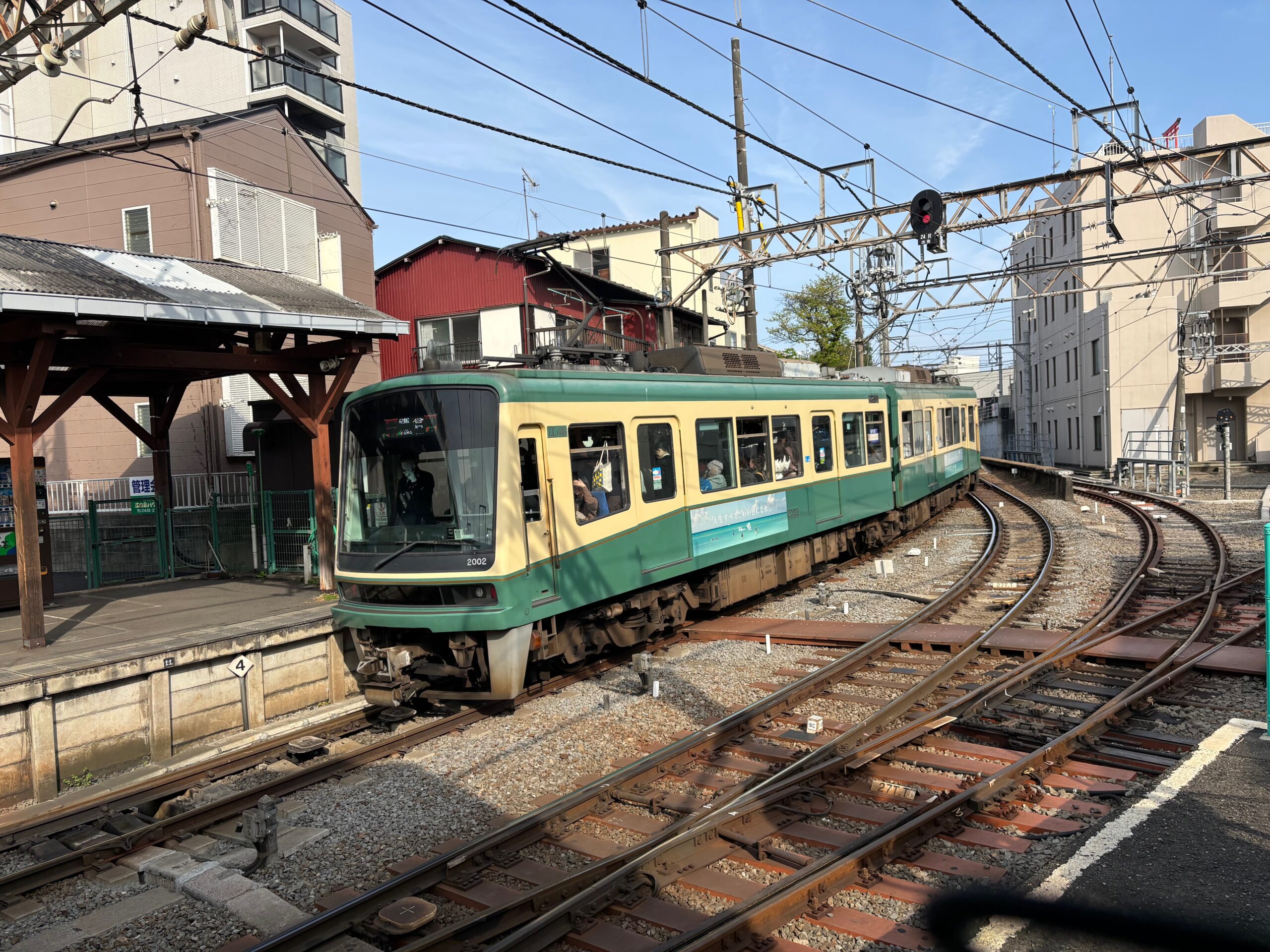
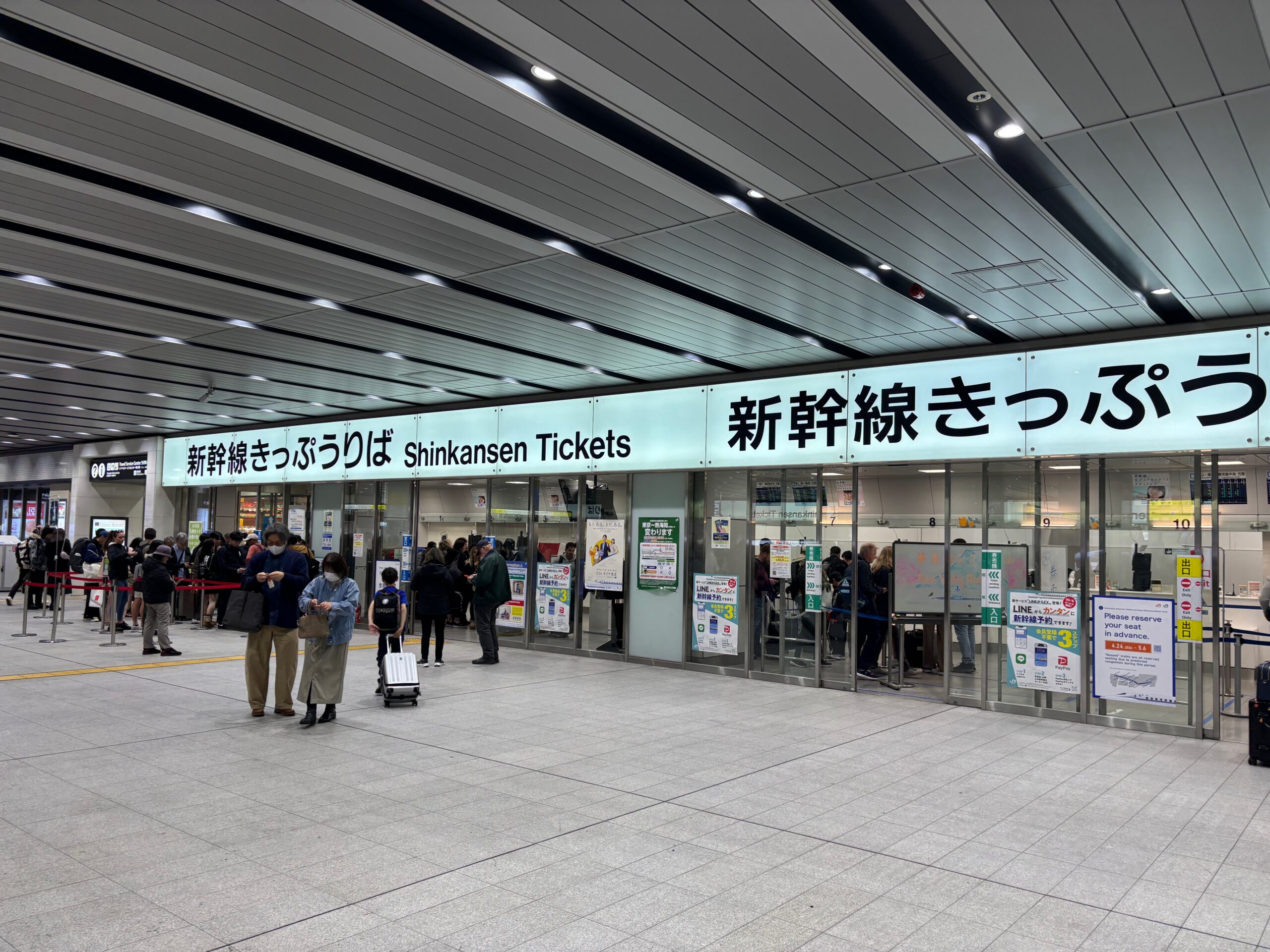
10. Build in quiet days:I deliberately plan café/washing days and slow neighbourhood wandering between the heavy sightseeing days, so I’m not just another stressed person charging through already crowded streets.
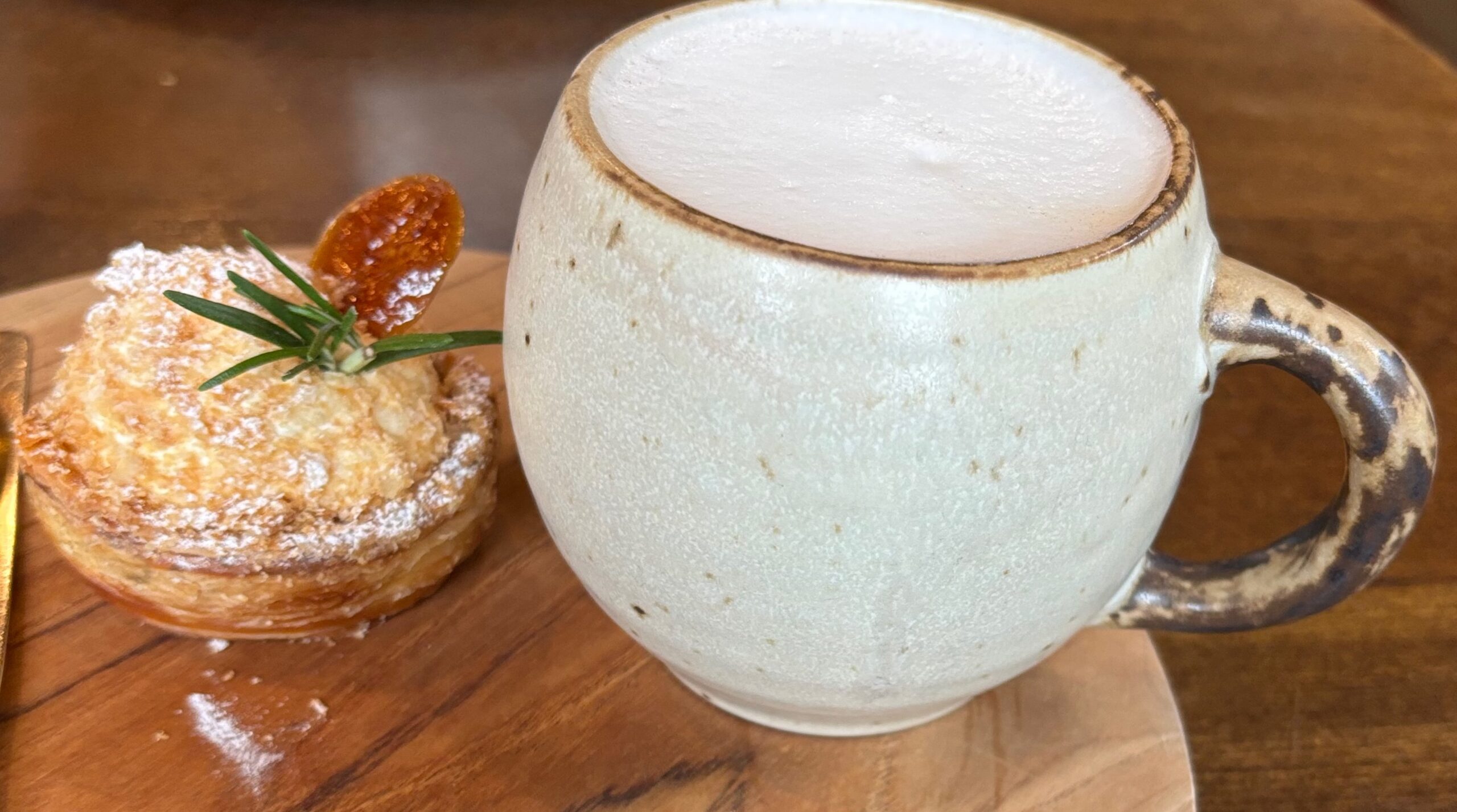
11. Accept you won’t see everything: I’ve learned to accept that I won’t see everything, especially in peak season. Trying to do it all just makes people stressed and adds to the crush in places that are already struggling.
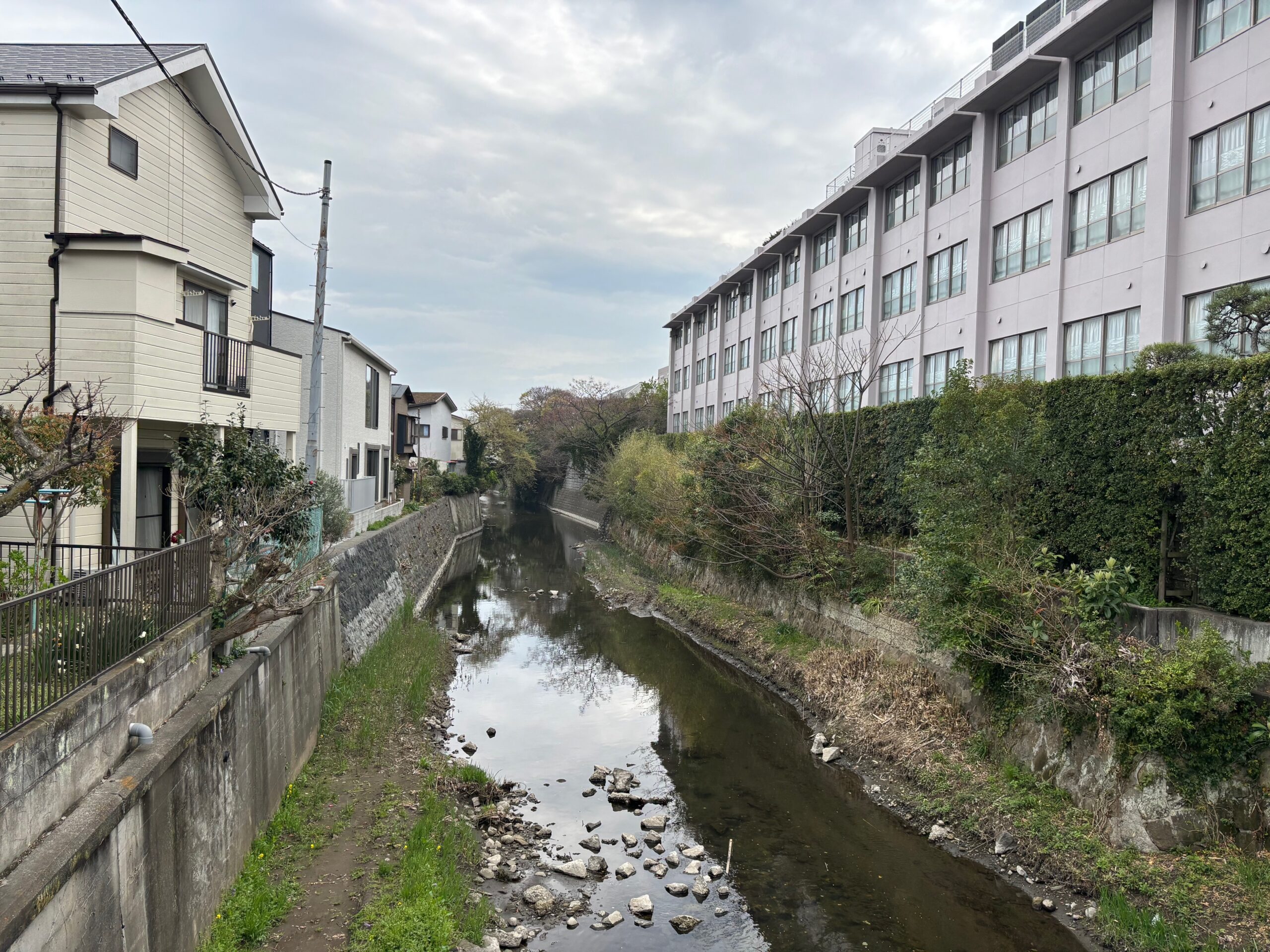
12. Japan is not a theme park- be respectful: We are visiting where people are trying to get to work, raise kids and live their lives while waves of visitors move through their streets and neighbourhoods.
Japanese media was full of stories of disrespectful foreigners during cherry blossom season, and I was disappointed to see it myself. There were five incidents that really horrified me in a country that clearly feels the strain of overtourism:
- Tourists wandering through the quiet residential streets of Kamakura like they were film sets, talking loudly day and night.
- On a crowded, silent Tokyo commuter train, a tourist was blasting a phone call on speaker, oblivious to the body language of the people around them. When I gestured to her husband to please ask her to tone it down, they reacted as if I’d committed some offence.
- At a hotel buffet breakfast in Osaka, I saw a family brazenly load every croissant into a plastic bag they had brought specifically to strip the buffet.
- At the Meiji temple, two women chose to argue with the temple guardian over their decision to take photos in the spot where the signs say not to.
- In Yokohama, I waited behind another guest who was collecting some amenities. Japanese hotels traditionally provide amenities for guests. The tourist in front of me swiped all of the toothbrushes, all of the toothpaste, all of the shavers and all of the shaving cream packets. I said, “Are you really doing that?” He grunted, shrugged and marched off to the lift. The staff heard and, very calmly and politely, made sure I could get my couple of amenities.
The Japanese know that they need tourism. Being a respectful guest is more important than ticking every box. Lets Travel better together: None of this only applies to Japan. The same rules apply in Italy, Spain, France, and Thailand. Anywhere that’s beautiful, busy and tired of being treated like a theme park.
How about you? What advice do you give to crazy times?
Related Posts
- 12 Secrets to Staying Human on Long Flights
- Two weeks in the Air: My Best and Worst Airlines
- No More Currency Confusion: The iPhone Calculator Hack I Love
- Stingray attack a reminder of the need for Travel Insurance
- My 2024 Around the World – now 90 Countries
- Flat Earth Challenge on the remotest flight: Qantas Business Class Non Stop from Sydney to Santiago

Leave a Reply